
Why Türkiye for Neurological Rehabilitation?
Türkiye has become a leading destination for medical tourism, not only for surgical procedures but also for comprehensive rehabilitation. The country's hospital-based physiotherapy programmes for neurological conditions such as stroke, multiple sclerosis (MS), and Parkinson's disease are world-renowned for their intensity, technology, and multidisciplinary approach. Patients from Europe, the Middle East, and beyond seek out Turkish rehabilitation centres for their combination of advanced robotic equipment, hydrotherapy pools, and highly trained specialists—all at a fraction of the cost of similar programmes in Western Europe or North America.
Turkish rehabilitation hospitals typically operate as dedicated neuro-rehabilitation centres within larger medical campuses, ensuring seamless access to neurologists, physiatrists, speech therapists, and psychologists. The focus is on measurable functional gains, with each patient's progress tracked using standardised assessments like the Functional Independence Measure (FIM) and the Berg Balance Scale. International patient departments handle everything from visa invitations to accommodation, making the journey smooth for patients and their families.
In this guide, we explore how intensive programmes can be arranged in two-to-four-week blocks, what therapies are offered, and why the optimism surrounding Türkiye's rehabilitation centres is well-founded.
Intensive Programmes in Two-to-Four-Week Blocks
One of the key advantages of Turkish neuro-rehabilitation is the flexibility of treatment blocks. Most hospitals offer structured programmes lasting from two to four weeks, with the option to extend or repeat based on progress. This format is ideal for international patients who need to plan travel and accommodation. A typical day involves three to five hours of therapy, split between individual sessions and group activities.
The intensity is deliberate: research shows that higher doses of rehabilitation lead to better outcomes for neurological conditions. Patients participate in physical therapy, occupational therapy, speech and language therapy, and cognitive training. The schedule is tailored to each patient's endurance and goals, with rest periods built in. By the end of a four-week block, many patients achieve significant improvements in walking speed, balance, and activities of daily living.
For those who cannot commit to a full month, two-week blocks can still yield meaningful gains, especially when combined with a home exercise programme. Some hospitals also offer a 'booster' option—a shorter follow-up stay after a few months to reinforce progress and adjust the plan.
Robotic Gait Training: Walking Again with Technology
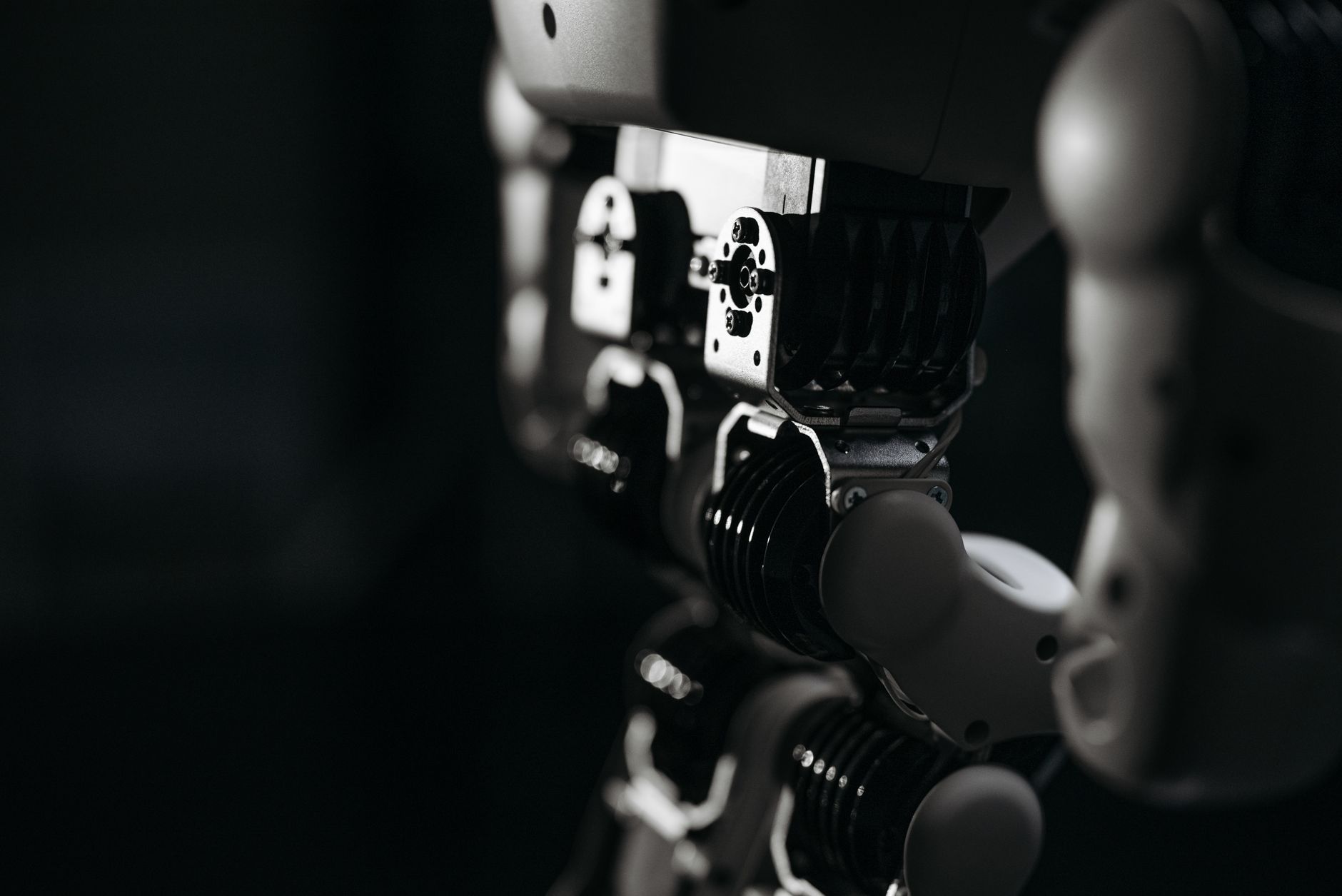
Robotic gait training is a cornerstone of advanced neuro-rehabilitation in Türkiye. Devices such as exoskeletons (e.g., Ekso, ReWalk) and end-effector systems (e.g., Lokomat) allow patients with severe mobility impairments to practise walking with proper alignment and weight support. This repetitive, task-specific training helps rewire the brain and spinal cord, promoting neuroplasticity.
For stroke survivors, robotic gait training can be initiated even in the early stages, provided they are medically stable. The robot provides variable assistance, gradually reducing support as the patient gains strength. For MS patients, it helps combat fatigue by reducing the energy cost of walking. Parkinson's patients benefit from the rhythmic, consistent stepping pattern that can overcome freezing episodes.
Turkish hospitals often have multiple robotic units, allowing for high-frequency sessions. A typical session lasts 45–60 minutes, and patients may use different devices on alternating days to challenge their nervous system in varied ways. The data from these sessions is logged, so therapists can objectively track improvements in step length, symmetry, and speed.
Hydrotherapy: The Healing Power of Warm Water
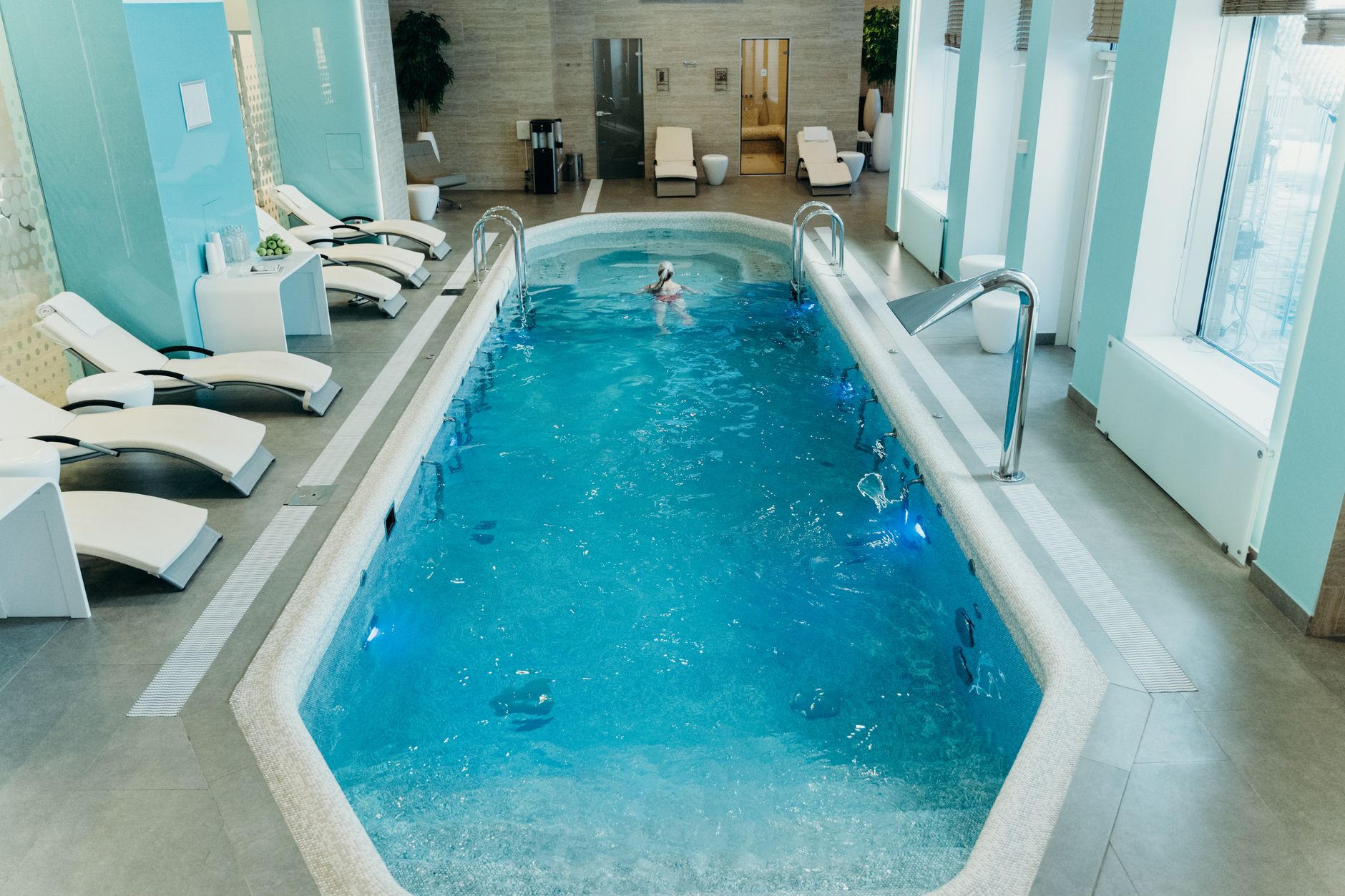
Hydrotherapy, or aquatic therapy, is another hallmark of Turkish rehabilitation centres. Heated pools (around 33–34°C) provide buoyancy that reduces weight-bearing stress, allowing patients to move with less pain and fear of falling. The warmth also relaxes spastic muscles, which is particularly beneficial for MS and stroke patients with spasticity.
Aquatic programmes are led by specially trained physiotherapists who guide patients through exercises for strength, balance, and gait. For Parkinson's patients, the water's resistance provides proprioceptive feedback that can improve trunk stability. Sessions are often conducted in groups, adding a social element that boosts morale.
Many facilities have underwater treadmills and resistance jets, enabling progressive challenges. The hydrotherapy pool is usually integrated with the main rehabilitation gym, so patients can transition seamlessly from land to water-based training.
Multidisciplinary Neuro-Rehab Teams
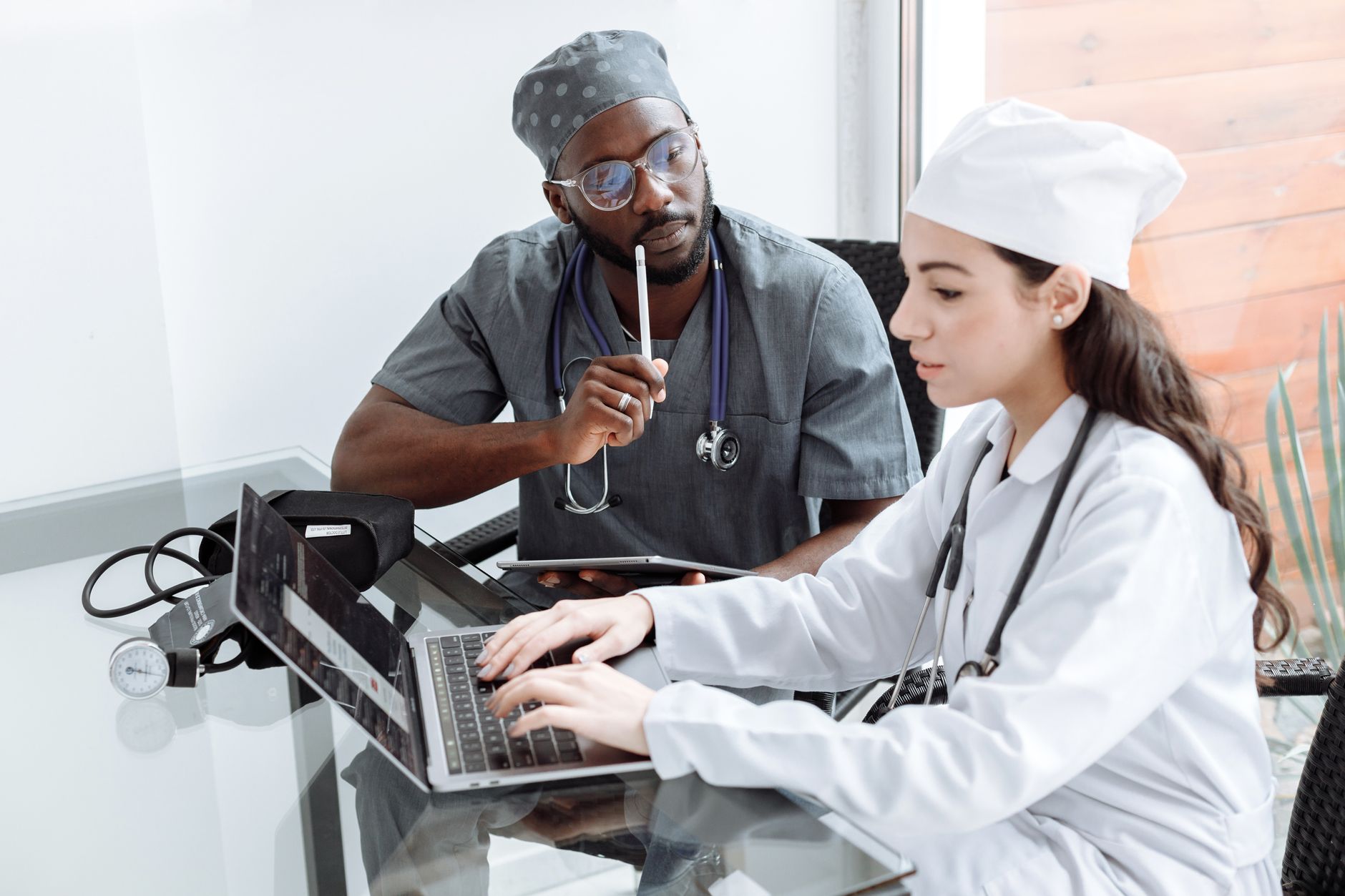
What sets Turkish rehabilitation hospitals apart is their multidisciplinary teams. A typical team includes a physiatrist (rehabilitation physician), physiotherapists, occupational therapists, speech-language pathologists, neuropsychologists, and rehabilitation nurses. They meet regularly to discuss each patient's progress and adjust goals.
For stroke patients, the speech therapist addresses aphasia and dysphagia, while the occupational therapist focuses on fine motor skills and daily tasks. MS patients may work with a neuropsychologist to manage cognitive fatigue and mood. Parkinson's patients benefit from LSVT BIG and LOUD therapies, which are evidence-based programmes for movement and voice.
The team also involves the patient's family, providing training on how to assist with exercises and manage daily care. This holistic approach ensures that gains made in the clinic translate to real-life independence.
Accommodation and Support for International Patients
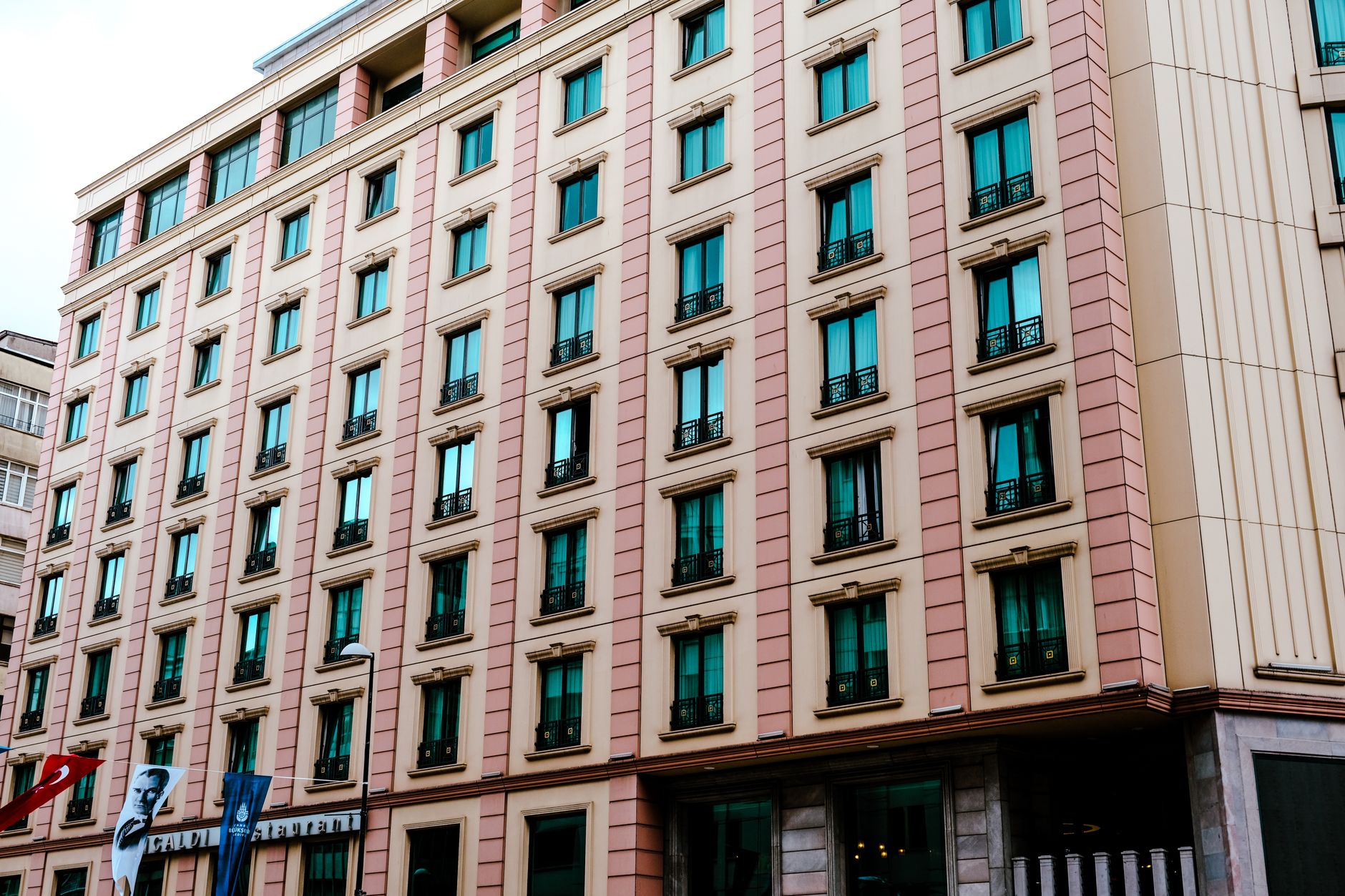
Turkish hospitals with international patient departments offer comprehensive support, including help with accommodation. Many have partnerships with nearby hotels or furnished apartments that are wheelchair-accessible and within walking distance of the hospital. Some hospitals even have guest houses on campus, which is convenient for patients who need frequent rest.
Airport transfers, translation services, and visa assistance are commonly provided. International patient coordinators are available to answer questions and arrange appointments. The cost of accommodation is often included in the rehabilitation package or offered at discounted rates.
For longer stays, families can rent apartments in the surrounding neighbourhood, many of which are adapted for accessibility. Cities like Istanbul, Ankara, and Izmir have a wide range of options to suit different budgets.
Measurable Progress and Optimism
Turkish rehabilitation centres are proud of their outcome data. They routinely use standardised assessments to measure progress, and many publish their results in peer-reviewed journals. Patients often see improvements in the first week, which fuels motivation.
The optimism in these centres is palpable. Staff celebrate every milestone, whether it's taking a first step or buttoning a shirt. This positive environment, combined with cutting-edge technology and expert care, creates a powerful healing atmosphere. International patients frequently report that they feel inspired and supported throughout their journey.
While every patient's recovery is unique, the intensive, customised programmes in Türkiye offer a real chance to regain function and independence. With the option of two-to-four-week blocks and robust support services, it's never been easier to access world-class neuro-rehabilitation.
Thinking about treatment in Turkey?
Share your contact details and a verified doctor will follow up with a plan built around you — free, no obligation.