
Why Türkiye Uses a Two-Trip Model for Dental Implants
Dental implant treatment is not a single appointment — it is a biological process. After an implant is placed into the jawbone, your body needs time to fuse the titanium surface with living bone, a phenomenon called osseointegration. Rushing this stage is the most common reason implants fail years later. This is why reputable clinics in Türkiye, including the teams working with Istanbul Medical Tourism, divide treatment into two clearly defined trips rather than promising "teeth in a day" for every case.
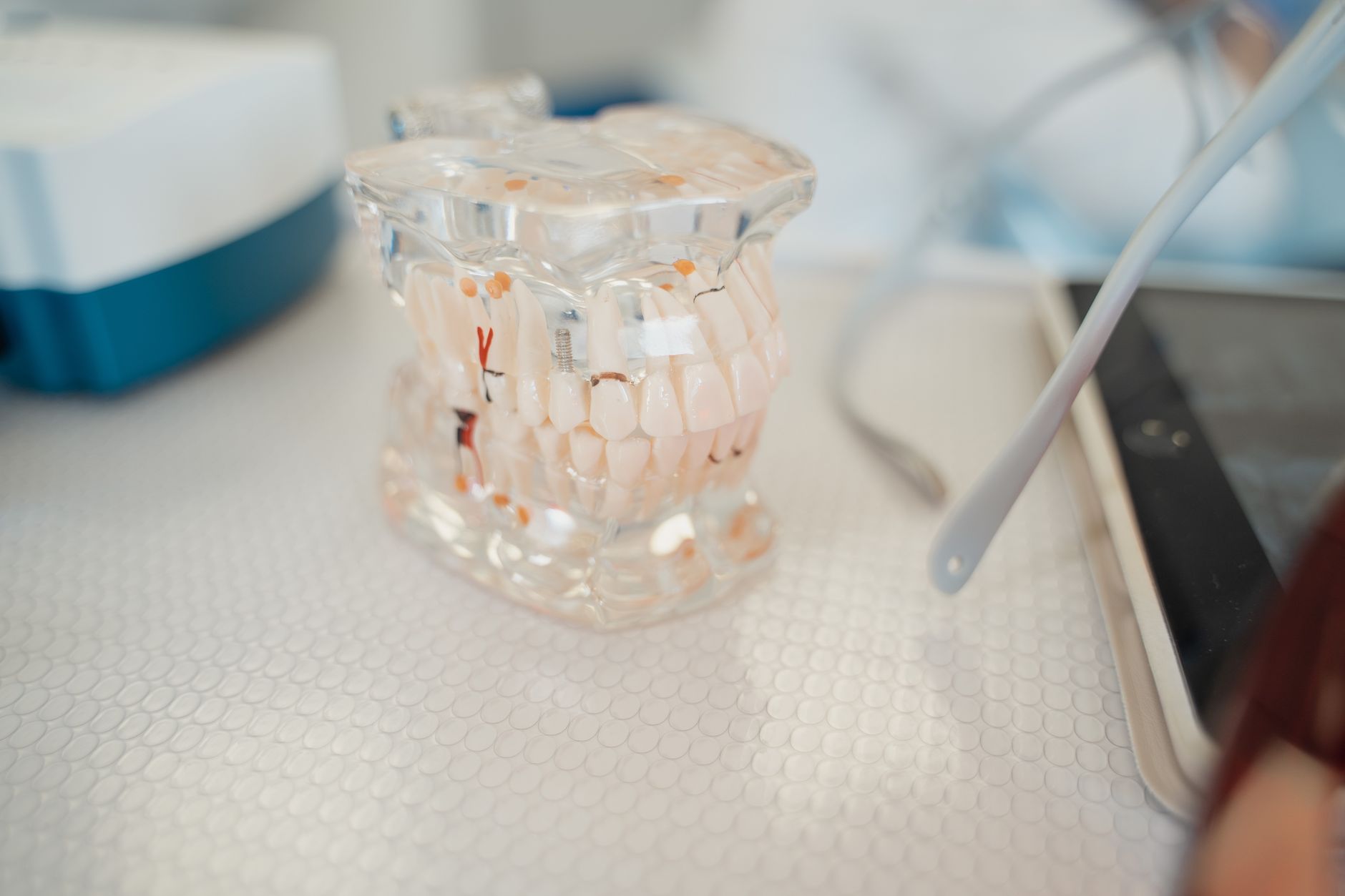
The first trip focuses on diagnostics and surgery: 3D imaging, treatment planning, any necessary extractions, bone grafting if required, and the placement of the implant fixtures themselves. The second trip, typically three to six months later, is when your custom-made prosthesis — the crown, bridge, or full arch — is fitted and your bite is finalised.
This structure is not a limitation; it is a quality control mechanism. It gives your body the time it needs, gives the dental laboratory the stable foundation it needs, and gives you a predictable, well-documented journey with clear milestones. Türkiye has refined this model over two decades, and it is one of the reasons the country now hosts hundreds of thousands of dental travellers each year.
What Happens on Your First Visit in Istanbul
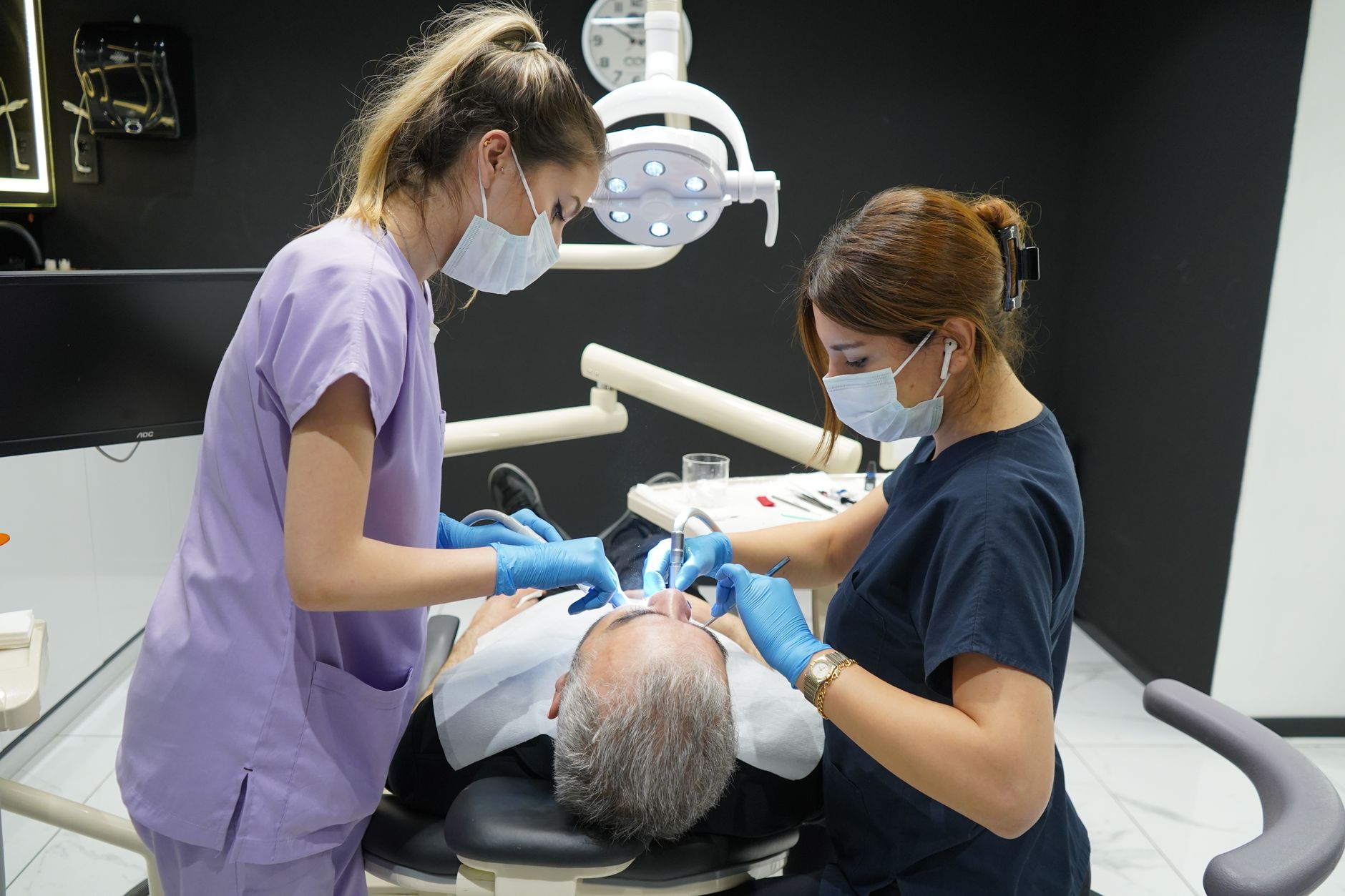
Most patients arrive in Istanbul and are seen at the clinic within 24 hours. The first day is almost entirely diagnostic. You will have a panoramic X-ray and, in most modern clinics, a CBCT (cone-beam computed tomography) scan. This 3D image shows bone density, nerve positions, sinus cavities, and the exact angles available for implant placement. Your surgeon uses this data to build a digital treatment plan, often with software that simulates the final result before any instrument touches your mouth.
If you are a candidate for immediate implants, surgery may be scheduled the same day or the next morning. If you need extractions, bone grafting, or sinus lifting, the team will explain the sequence and may stage the work across a few days. Most implant placements take 30–60 minutes per fixture under local anaesthesia, and many patients describe the experience as easier than a difficult root canal.
Before you fly home, you will leave with a written treatment summary, post-operative instructions, medication prescriptions, and — critically — a direct line to your clinic's patient coordination team. You will also have a follow-up appointment scheduled by video call for roughly 7–10 days after surgery, once the initial swelling has settled.
The Healing Timeline: Weeks 1 to 12 and Beyond
The weeks between your trips are not a waiting period — they are an active healing phase with predictable stages. Understanding them helps you know what is normal and when to speak up.
- Days 1–3: Mild swelling, possible bruising, and some tenderness. Ice packs, prescribed anti-inflammatories, and soft foods are your main tools. Avoid smoking and alcohol, which dramatically slow healing.
- Days 4–14: Swelling subsides, sutures are removed (sometimes by a local dentist near you, coordinated by your Turkish clinic), and you can usually return to work. Gentle saltwater rinses begin after 48 hours.
- Weeks 3–6: The implant surface is quietly bonding with bone. You may feel nothing at all, which is exactly what you want. Avoid chewing directly on the implant site and keep up excellent oral hygiene.
- Weeks 6–12: Osseointegration is well underway. Your clinic will want a progress update and may ask for a new X-ray taken by a local dentist if anything feels unusual.
- Months 3–6: For most patients, the implant is now stable enough for the final prosthesis. The exact timing depends on bone quality, the number of implants, and whether grafting was performed.
During this period, your diet should gradually return to normal but remain mindful. Crunchy foods, hard bread crusts, and ice should be avoided around the implant area. Hydration, protein intake, and vitamin D all support bone healing. If you take medications for diabetes, osteoporosis, or autoimmune conditions, share them with your surgeon early — they can influence healing speed and implant success.
Remote Check-Ins: How Your Clinic Stays With You Between Visits
The distance between Istanbul and your home country is bridged by structured remote follow-up. Modern Turkish clinics assign each patient a coordinator who communicates via WhatsApp, email, or a patient portal. This is not an afterthought — it is a formal part of the treatment protocol.
At scheduled intervals — commonly day 3, day 10, week 4, and week 12 — you will receive a check-in message asking about pain levels, swelling, bleeding, and any mobility you notice. You may be asked to send a photo of the healing site or a short video. If a local X-ray is needed, your coordinator will explain exactly what to ask your dentist for and how to send the file.
"Continuity of care does not require physical proximity. It requires clear communication, documented milestones, and a clinic that answers when you write."
If a complication is suspected — persistent pain, a loose healing cap, or signs of infection — the clinic can arrange a local consultation, prescribe medication through a partner pharmacy, or, in rare cases, adjust your return date. Having this channel open turns a potentially anxious three months into a supported, monitored recovery. Before you book any clinic, ask specific questions: Who is my contact person? What is the expected response time? What happens if I have a problem at 2 a.m. my time? A good clinic answers these without hesitation.
Inside the Turkish Dental Lab: Crafting Your Final Prosthesis
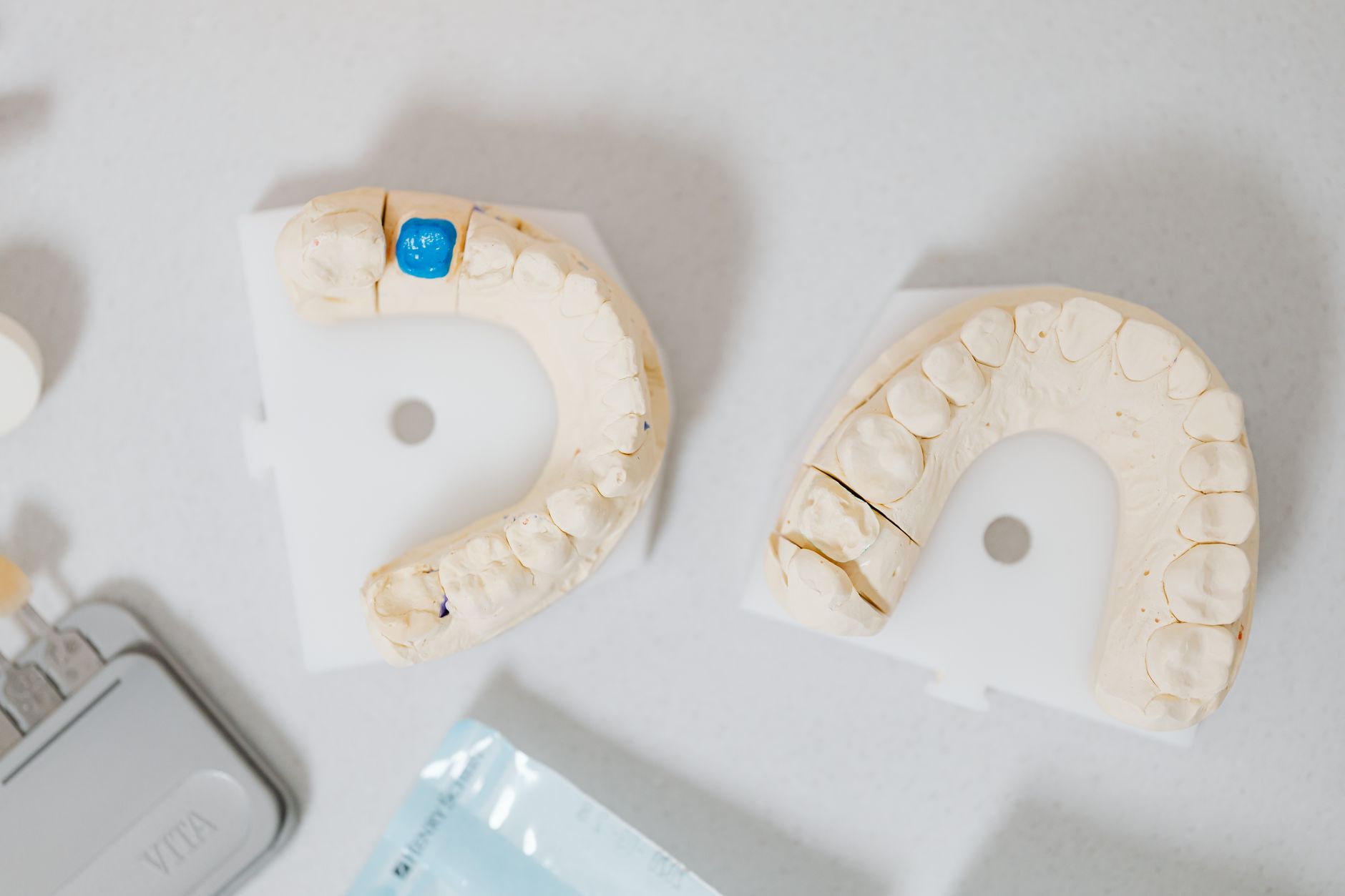
While you heal, work is happening behind the scenes. Turkish dental laboratories are among the most advanced in Europe and the Middle East, combining digital scanning, CAD/CAM milling, and skilled ceramic technicians. The final prosthesis is not mass-produced; it is designed for your face, your bite, and your remaining teeth.
First, the lab receives your digital impressions and 3D scan data. If a traditional impression was taken during surgery, it is scanned into the digital workflow. Using software, technicians design the crown, bridge, or full-arch prosthesis, matching the shade, shape, and translucency of your natural teeth. You may be asked to send photos of your smile in different lighting so the ceramist can match colour accurately.
Next comes milling or printing of the framework, usually from zirconia, lithium disilicate, or titanium. Zirconia is popular for its strength and natural appearance, especially for molars, while layered ceramics may be used for front teeth where aesthetics matter most. The prosthesis is then characterised, glazed, and fired in a furnace. Finally, it is fitted to a 3D-printed model of your mouth to verify fit, contacts, and bite before you ever arrive.
The result is a prosthesis that is ready — or nearly ready — when you land in Istanbul for your second visit. This pre-fabrication is why the second trip is often shorter, typically 5–7 days, and focused on fitting, adjusting, and final polishing rather than starting from scratch.
Your Second Visit: Fitting, Bite Adjustment, and the Final Result
On your return, the clinic will confirm that the implant is stable, usually with a quick X-ray and a torque test. Healing abutments are removed and the final abutments are placed. Your pre-made prosthesis is then tried in. The dentist checks the margins, the contact points between teeth, the bite force distribution, and the aesthetics of your smile. Minor adjustments are normal and expected — a small grind here, a polish there.
Once everything feels comfortable, the prosthesis is torqued into place and, in many cases, the access holes are sealed. You will leave with a final X-ray, a maintenance guide, and a warranty document for the implants and the prosthesis. Most clinics provide a warranty of 5–10 years on implant fixtures and 2–5 years on the ceramic work, conditional on attending regular check-ups and maintaining good oral hygiene.
You should also receive a digital copy of your treatment records. Keep these safe. If you ever move, or if a local dentist needs to work on your teeth, this documentation is invaluable. It also allows your Turkish clinic to continue remote follow-up for years, not just months.
Cost, Logistics, and Planning Your Two Trips Wisely
The two-trip model often delivers significant savings compared to Western Europe, North America, or Australia, even after flights and accommodation. A single implant with abutment and crown in Türkiye typically costs a fraction of the same treatment in London or New York, and full-arch restorations can save patients tens of thousands of euros. However, the total price depends on the number of implants, the type of prosthesis, whether grafting is needed, and the clinic's technology.
When budgeting, plan for two sets of flights, two accommodation blocks, and travel insurance that covers dental treatment and complications. Many clinics offer package pricing that includes airport transfers, hotel arrangements, and translation services. Ask for a written, itemised quote before you commit — reputable clinics provide this without pressure.
Schedule your first trip when you can stay 5–7 days if grafting is possible, and your second trip for a window of 5–7 days as well. Avoid travelling immediately after surgery if you have long-haul flights; a day of rest in Istanbul before flying home is wise. And always confirm the clinic's accreditation, surgeon credentials, and patient reviews across multiple independent platforms.
Türkiye's two-stage implant journey is not a compromise — it is a well-organised, biologically respectful pathway that prioritises long-term success over quick fixes. With clear timelines, remote check-ins, and meticulous laboratory work, your treatment continues even when you are thousands of kilometres away.
Thinking about treatment in Turkey?
Share your contact details and a verified doctor will follow up with a plan built around you — free, no obligation.