

Why Verification Is Your Secret Weapon in Medical Tourism
Choosing to travel to Türkiye for surgery is a big decision, and it's natural to want absolute certainty about the person holding the scalpel. The good news: Türkiye's top surgeons are among the most transparent in the world. They are board-certified, university-trained, and affiliated with hospitals accredited by the Joint Commission International (JCI)—the gold standard in global healthcare quality. Verification isn't a hurdle; it's an empowering step that puts you in control.
In this guide, we'll walk you through exactly how to confirm every credential using official Turkish Medical Association records, hospital directories, and clinic documentation. You'll learn what to look for, where to look, and how to interpret what you find. By the end, you'll be able to separate the exceptional from the average and book your procedure with complete peace of mind.
Remember: legitimate Turkish clinics welcome your questions. They are proud of their surgeons' credentials and will gladly provide documentation. If any clinic hesitates to share verification details, consider that a red flag. The best providers compete on transparency.
Step 1: Confirm Registration with the Turkish Medical Association (TMA)
Every physician legally practicing in Türkiye must be registered with the Turkish Medical Association (Türk Tabipleri Birliği, or TTB). This is your first and most fundamental check. The TTB maintains a public registry where you can verify a doctor's license status, specialty, and any disciplinary actions.
To check, visit the TTB website (ttb.org.tr) and look for the "Doctor Inquiry" or "Hekim Sorgulama" section. You'll need the surgeon's full name and preferably their TTB registration number, which any reputable clinic will provide upon request. The registry will confirm whether their license is active and in good standing.
Don't worry if the site is in Turkish—most clinics will guide you through the process or provide a direct link. Alternatively, you can email the TTB directly with the surgeon's details; they typically respond within a few business days. This simple check immediately weeds out unqualified practitioners.
Pro tip: A surgeon who is board-certified in a specialty (e.g., plastic surgery, orthopedic surgery) will have that specialty listed in the TTB registry. If it's missing or different from what the clinic claims, ask why.
Step 2: Verify Board Certification Through the Turkish Medical Specialization Board
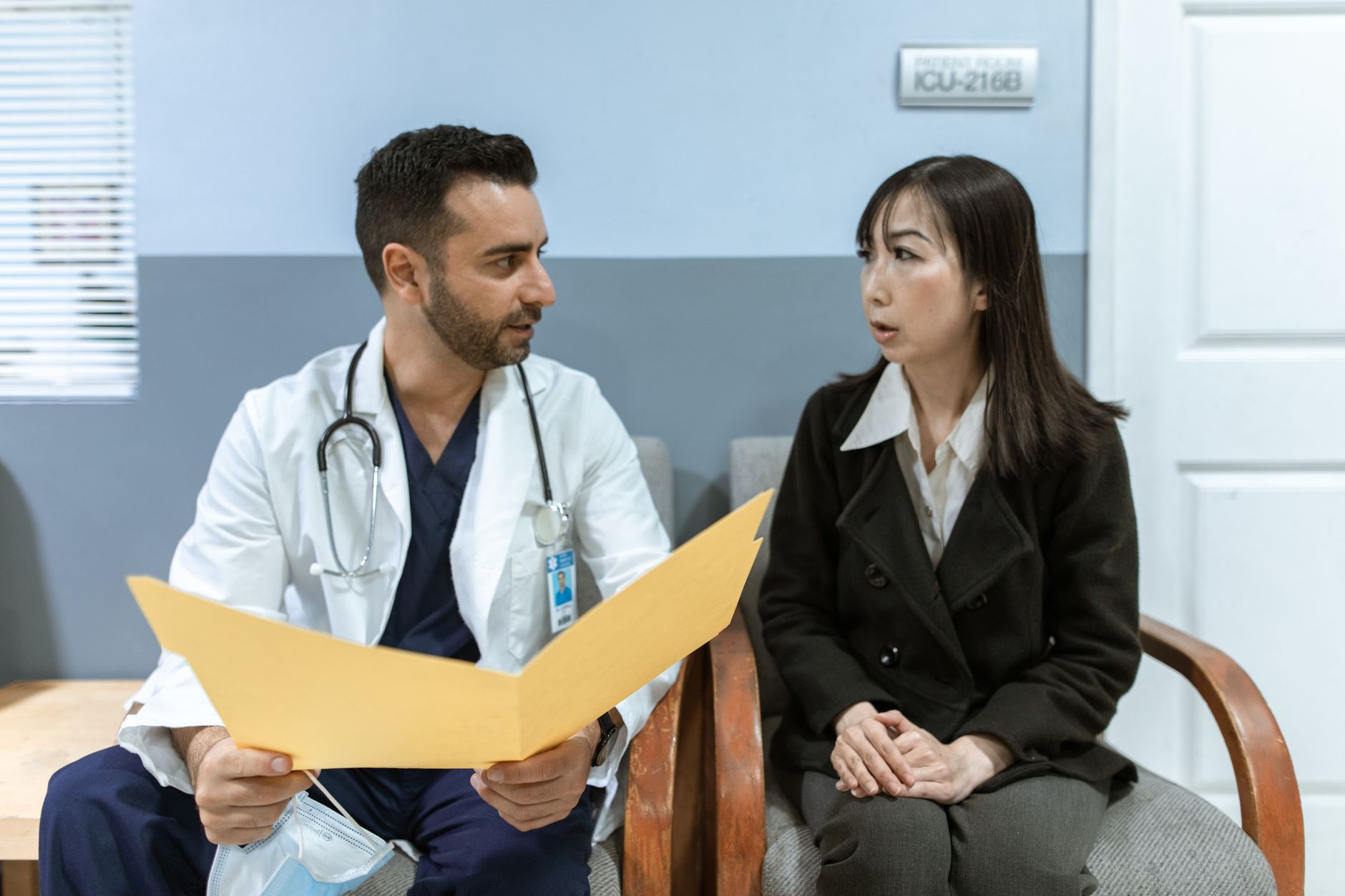
Board certification in Türkiye is overseen by the Medical Specialization Board (Tıpta Uzmanlık Kurulu, or TUK). This body sets the standards for residency training and certifies specialists in over 40 medical fields. A board-certified surgeon has completed a rigorous residency program (typically 4-6 years) and passed comprehensive exams.
To verify, ask the clinic for the surgeon's "Uzmanlık Belgesi" (Specialty Certificate). This document lists their exact specialty and the date of certification. You can then cross-reference this with the TUK's online database, accessible through the Ministry of Health's website (sağlık.gov.tr). The database allows you to search by the surgeon's name and see their certified specialty.
Some surgeons also hold international board certifications, such as from the European Board of Plastic Surgery (EBOPRAS) or the American Board of Surgery. These are additional seals of quality, but the Turkish board certification is the essential baseline. If a surgeon claims a specialty but cannot produce a TUK-verified certificate, proceed with caution.
Many top Turkish surgeons display their board certificates prominently in their clinics and on their websites. Don't hesitate to ask for a copy—it's your right as a patient.
Step 3: Check Hospital Affiliations and JCI Accreditation
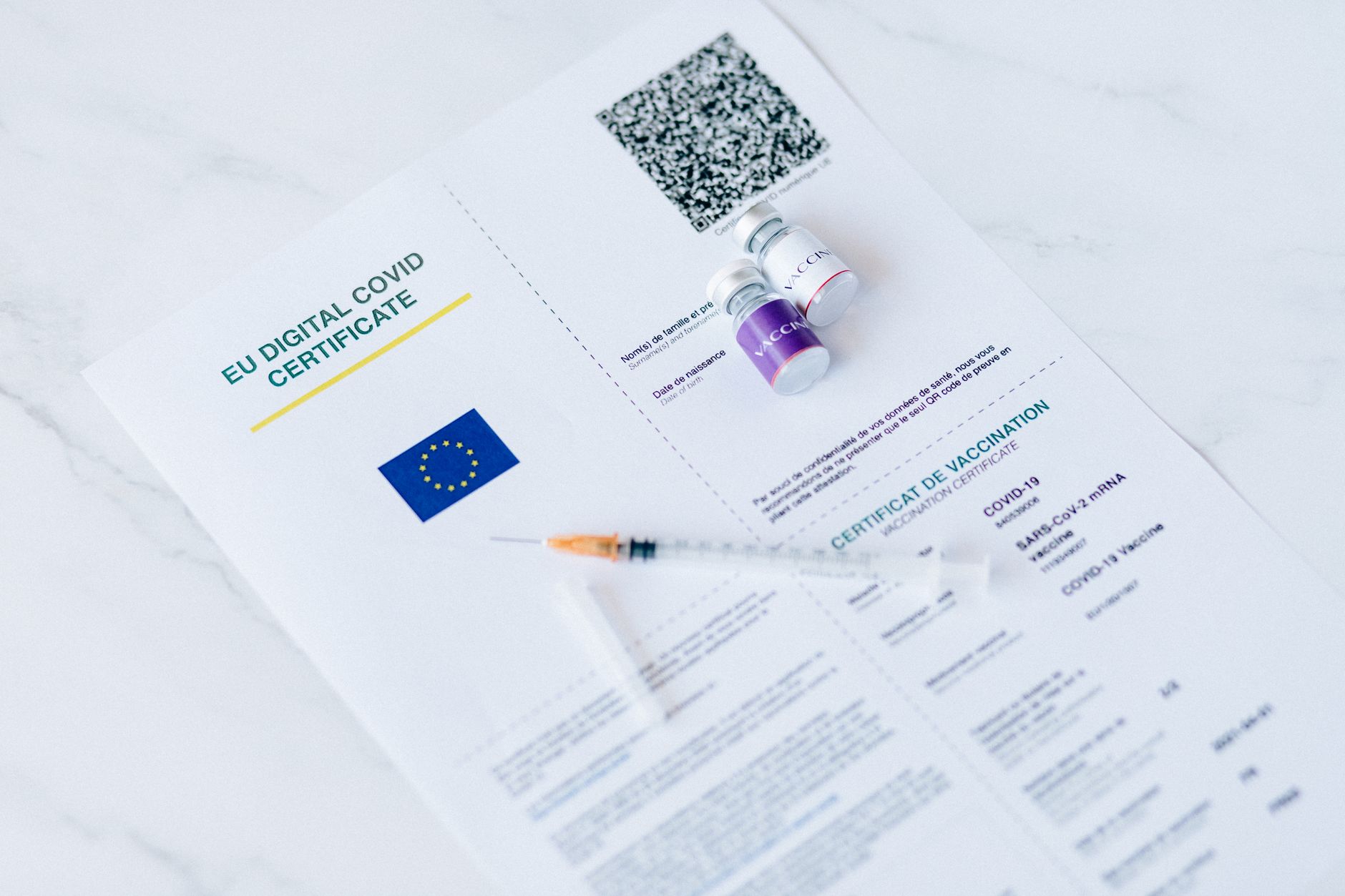
The hospital where your surgery will be performed is just as important as the surgeon. Türkiye is home to dozens of JCI-accredited hospitals, particularly in Istanbul, Ankara, and Izmir. JCI accreditation means the facility meets or exceeds rigorous international standards for patient safety, infection control, and surgical outcomes.
To verify a hospital's JCI status, visit the Joint Commission International's official website (jointcommissioninternational.org) and use their "Accredited Organizations" search tool. Filter by country (Türkiye) and look for the hospital's name. If it's listed, you can be confident that the facility has undergone a thorough, independent evaluation.
Next, confirm that your surgeon is actually affiliated with that hospital. Most hospitals list their doctors on their official websites. You can also call the hospital's international patient department directly and ask for confirmation. Reputable clinics will happily provide a letter of affiliation or schedule a call with the hospital's coordinator.
Be wary if a clinic claims JCI accreditation but the hospital isn't listed on the JCI website. Some smaller clinics operate within larger accredited hospitals, which is fine—just ensure the specific facility where you'll have surgery is the accredited one.

Step 4: Examine University Training and Academic Background
Türkiye's finest surgeons often train at top-tier universities such as Istanbul University, Hacettepe University, and Ege University. Their academic backgrounds speak volumes about their expertise. You can verify a surgeon's education through the Turkish Council of Higher Education (YÖK) database, which tracks university degrees and academic appointments.
Ask the clinic for the surgeon's CV or a link to their profile on the hospital's website. Look for medical school graduation, residency training, fellowships, and any academic titles (e.g., Doçent Dr. or Prof. Dr.). These titles are awarded after rigorous peer review and indicate a high level of scholarly achievement.
Many surgeons also have profiles on LinkedIn or ResearchGate, where you can see their publications and professional history. Cross-checking these sources gives you a well-rounded picture. If a surgeon's CV has gaps or inconsistencies, ask for clarification—transparency is a hallmark of Turkish medical excellence.
Step 5: Request and Review Clinic Records and Patient Outcomes
Finally, ask the clinic for documentation of patient outcomes. While individual patient data is confidential, reputable clinics often share aggregate success rates, complication rates, and patient satisfaction scores. They may also provide before-and-after photos (with patient consent) and testimonials from previous international patients.
Request a copy of the clinic's informed consent forms and surgical protocols. This shows they follow standardized, evidence-based procedures. You can also ask for the surgeon's malpractice insurance details—another sign of professionalism.
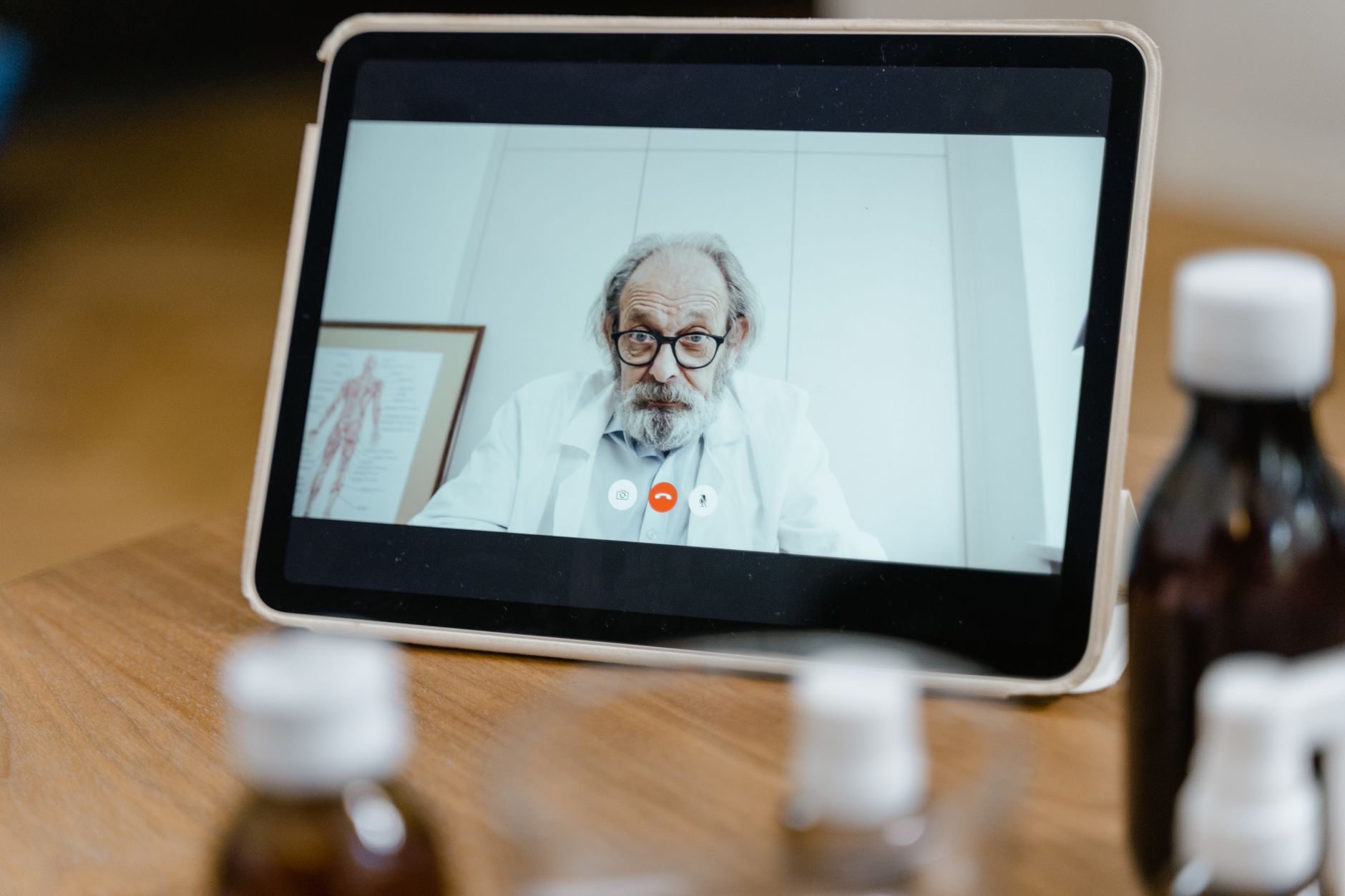
If you're still uncertain, consider reaching out to past patients through online forums or social media groups for medical tourism in Türkiye. Their firsthand experiences can offer valuable insights. And remember, you can always schedule a video consultation with the surgeon to ask questions directly.
Verification is a collaborative process. The best Turkish clinics will guide you through every step, providing documents and answering questions promptly. This openness is a core strength of Türkiye's medical tourism industry.
Your Empowered Path to a Safe Procedure
Verifying your surgeon's credentials might feel like extra work, but it's the single most important step you can take for your safety and peace of mind. Türkiye's top surgeons are proud of their board certifications, university training, and JCI-accredited hospital affiliations—and they're eager to prove it to you.
By following the five steps above, you'll be able to confirm every claim independently. You'll know your surgeon is licensed, board-certified, and affiliated with a world-class facility. This transparency is exactly why Türkiye has become a global leader in medical tourism.
So go ahead—ask questions, request documents, and check the registries. A confident, verified choice is the best foundation for a successful procedure and a smooth recovery. Your health deserves nothing less.
Thinking about treatment in Turkey?
Send us a question about this site or about the information published on it. This is a publisher's mailbox, not a medical service and not a route to a particular provider — for clinical questions, contact your own doctor.