

More Than the Procedure: A Whole-Person Approach to Medical Travel
In Türkiye, leading clinics understand that a successful outcome is about more than the surgery or treatment itself. Recovery is shaped by how prepared you are beforehand, how supported you feel afterwards, and whether your body has the right conditions to heal. That is why many Turkish hospitals and specialist centres build supportive extras into the patient journey: physiotherapy, nutrition coaching, gentle movement classes and calm recovery spaces. These are not vague wellness add-ons; they are clinically grounded services delivered by qualified professionals.
For international patients, this integrated approach can be especially reassuring. You may be travelling alone or with a companion, navigating a new city and a different language. Having a team that thinks about your sleep, your diet, your mobility and your emotional wellbeing — alongside your medical treatment — makes the experience feel safer and more personal. It also helps you return home with habits that support long-term health.
This guide explores the wellness support you can expect before and after your procedure in Türkiye, and how to make the most of it. We focus on real clinical support: physiotherapy that is prescribed and supervised, nutrition plans tailored to your recovery, and gentle programmes designed to help you heal well rather than make bold wellness claims.
Pre-Procedure Preparation: Setting the Foundation for Recovery
Good recovery often begins before you arrive. Many Turkish clinics offer a pre-operative preparation phase that includes a health assessment, blood tests and a review of your medications. Where relevant, you may be referred to a physiotherapist for prehabilitation — simple exercises to strengthen the muscles around the area being treated. For orthopaedic or cardiac patients, this can improve post-surgical mobility and reduce complications. Your care coordinator will explain what is appropriate for your case.
Nutrition is another cornerstone. A clinic dietitian may review your eating habits and recommend adjustments to support healing, such as ensuring adequate protein, hydration and key vitamins. If you have diabetes or other conditions that affect recovery, the team will help you stabilise them before treatment. This is practical, evidence-based coaching — not a restrictive diet — and it is tailored to your medical history.
Emotional preparation matters too. Some clinics offer short sessions with a psychologist or trained nurse to discuss anxieties, set realistic expectations and plan your post-operative support. You will also receive clear guidance on what to pack, how to arrange your accommodation and what to expect on the day. This structured preparation helps you feel in control and reduces stress, which itself supports better healing.
Physiotherapy and Gentle Movement: Rebuilding Strength Safely
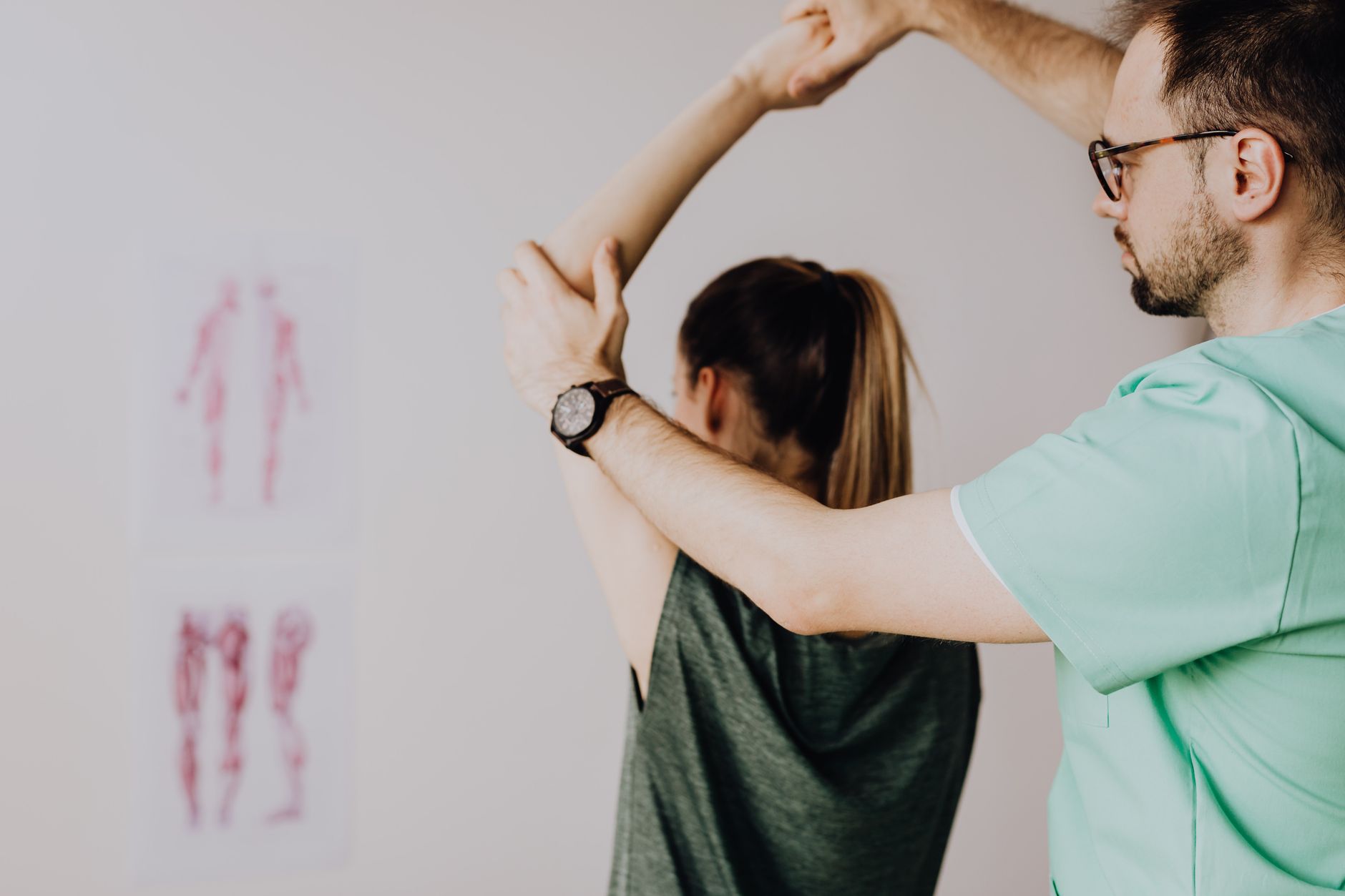
After many procedures — especially orthopaedic, spinal or neurological surgery — physiotherapy is not optional; it is a core part of the treatment plan. Turkish clinics typically have on-site physiotherapy departments with experienced therapists who work closely with your surgeon. Sessions are scheduled according to your protocol and progress, starting with gentle assisted movement and gradually advancing as your body allows. You will be taught exercises you can continue at home, with clear instructions and video guidance.
For patients who are mobile, some hospitals offer gentle movement classes such as chair-based yoga, stretching or short guided walks in a garden or quiet indoor space. These are always overseen by a therapist or nurse and adapted to individual limitations. The aim is to prevent stiffness, support circulation and lift your mood — not to push you beyond what is safe. If you are unsure whether an activity is suitable, ask your physiotherapist; they will advise you.
Respiratory physiotherapy is another example of clinically grounded support. After certain surgeries, breathing exercises and gentle coughing techniques help prevent chest infections. A physiotherapist will teach you these before you leave the hospital and check that you can perform them correctly. This kind of proactive care is a hallmark of well-organised Turkish clinics and gives you confidence as you recover.
Nutrition Coaching: Fueling Healing with Real Food
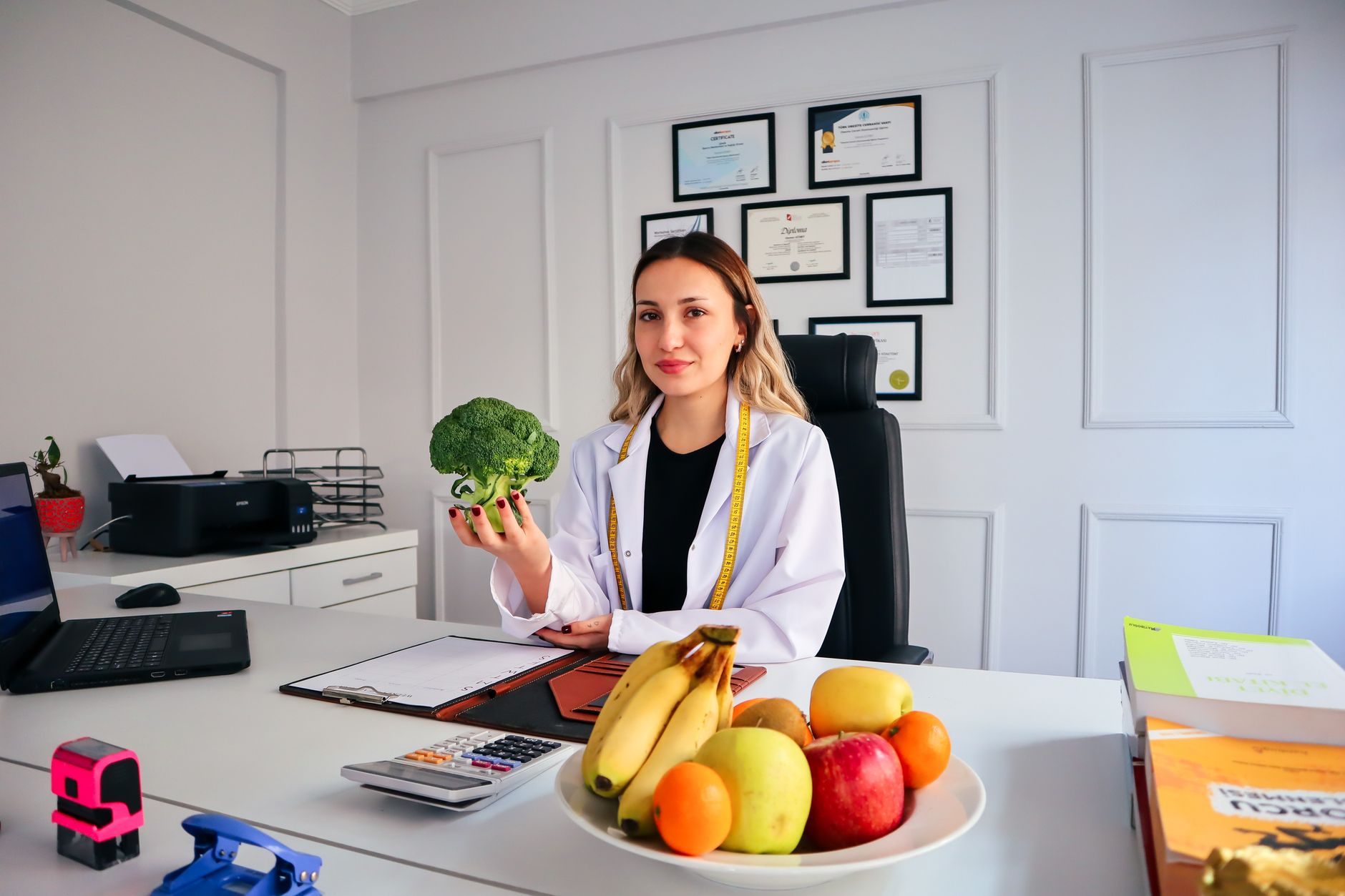
Turkish cuisine is famously varied and fresh, and clinics often use this to their advantage. Many hospitals have dietitians who create individualised nutrition plans based on your procedure, medical history and preferences. After surgery, your body needs extra protein and calories to repair tissue, plus adequate fluids and fibre to support digestion and prevent constipation. A dietitian can show you how to meet these needs with familiar foods, including Turkish staples like yogurt, lentils, vegetables, olive oil and grilled fish or chicken.
Rather than handing you a generic sheet, the dietitian will discuss your usual eating pattern and any cultural or religious considerations. If you are staying in a hotel or serviced apartment, they can suggest simple meal ideas and local markets where you can buy fresh ingredients. Some clinics offer cooking demonstrations or one-to-one coaching sessions for patients who want to learn more. These are practical skills you can take home.
Nutrition coaching also addresses longer-term health. If your procedure is related to a condition such as diabetes, heart disease or obesity, the clinic may offer follow-up sessions by video call after you return home. This continuity helps you maintain changes and reduces the risk of complications. Always follow your medical team’s advice, and check with them before taking supplements or making significant dietary changes.
Calming Recovery Environments: Rest That Supports Healing
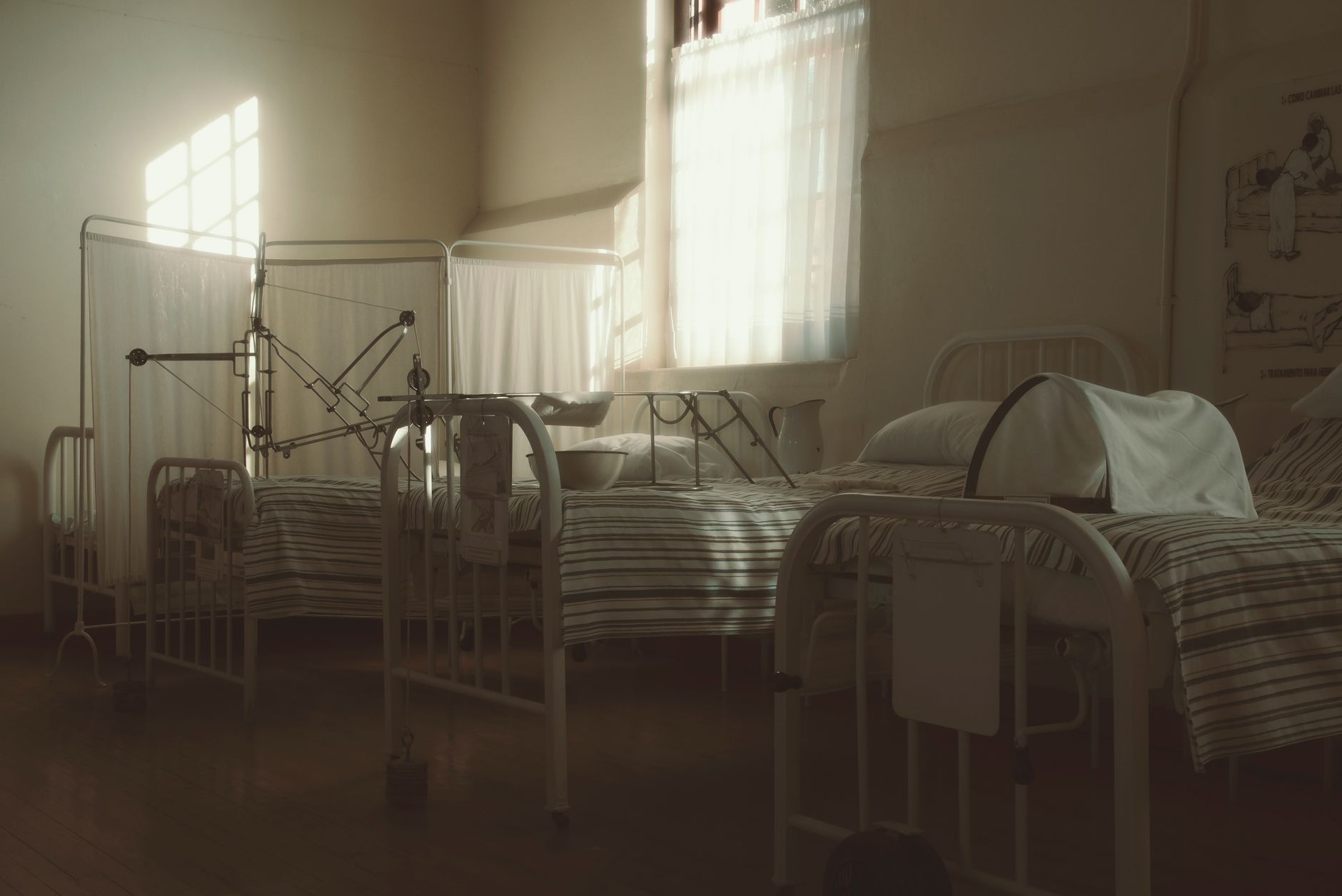
The physical environment of a clinic can have a real impact on how you feel. Many Turkish hospitals designed for international patients include calm recovery areas: single rooms with natural light, quiet lounges, gardens or terraces where you can sit outdoors, and family-friendly spaces for companions. Some offer access to a small library, music or guided relaxation recordings. These features are intended to reduce noise and stress, promote sleep and give you a sense of normality during your stay.
Sleep is a powerful healer. Clinics often have protocols to minimise night-time interruptions where safe, and staff can help you establish a restful routine. If you are in a shared room, ask about the availability of private rooms; many facilities offer them at a reasonable supplement. Earplugs, eye masks and a familiar pillow from home can also help. Your care coordinator can advise on what is provided and what to bring.
Emotional support is part of a calming environment too. Some clinics have a psychologist or social worker available for a chat, and nurses are trained to recognise anxiety and offer reassurance. For patients who wish, gentle mind-body practices such as guided breathing or short meditation sessions may be offered — always as a complement to medical care, never a replacement. These small touches help you feel cared for as a person, not just a case.
Integrating Wellness into Your Recovery Plan: What to Ask
To make the most of these supportive services, it helps to ask specific questions when planning your trip. Before you book, ask whether physiotherapy and dietitian consultations are included in your package or available at an extra cost. Find out how many sessions you can expect, whether they are one-to-one or group-based, and whether you will receive a written home programme. If you need follow-up after returning home, ask about video consultations and how to access them.
During your stay, keep communication open with your care team. Tell your nurse or physiotherapist if you feel pain, dizziness or anxiety; they can adjust your programme. If you are offered a gentle movement class, confirm it is suitable for your stage of recovery. And remember that rest is productive: your body repairs itself during sleep and quiet time, so do not feel pressured to be active beyond what is advised.
After you return home, continue the habits you learned. Follow your exercise plan, keep up with nutritious meals and stay hydrated. If you have questions, your clinic’s international patient team is often just an email or call away. Many patients find that the wellness support they received in Türkiye becomes a lasting part of their lifestyle — a positive outcome that goes beyond the procedure itself.
Realistic Expectations and the Value of Caring Support
It is important to be clear: wellness services in Turkish clinics are supportive, not curative. They are designed to help you recover well and feel cared for, but they do not replace medical treatment or guarantee a specific result. Reputable clinics will be transparent about what these services can and cannot do. Be wary of any provider that makes exaggerated claims about rapid healing or miracle outcomes.
What you can expect is a thoughtful, coordinated approach. Your surgeon, nurse, physiotherapist and dietitian communicate with each other, so advice is consistent. You are treated as an individual with unique needs and preferences. And you are given the information and tools to participate actively in your recovery. This combination of clinical excellence and genuine care is what makes the medical travel experience in Türkiye stand out for many patients.
Ultimately, holistic recovery is about creating the best possible conditions for your body and mind to heal. By choosing a clinic that offers physiotherapy, nutrition coaching and calming environments, you are giving yourself a strong foundation. With realistic expectations and active participation, these supportive extras can make your journey smoother and more positive.
Thinking about treatment in Turkey?
Send us a question about this site or about the information published on it. This is a publisher's mailbox, not a medical service and not a route to a particular provider — for clinical questions, contact your own doctor.