

The Off-Season Secret: Why Winter Is an Insider's Advantage
Every year, thousands of medical travellers default to spring and summer for their treatment trips to Türkiye. That instinct makes sense on paper — sunshine, holidays, a family break bundled into a health journey. But the people who work inside Türkiye's clinics know something different: the winter months are when the medical tourism calendar breathes out. Waiting rooms thin out, appointment slots open up, surgical schedules loosen, and the whole rhythm of a clinic shifts from high-season bustle to calm, focused care.
For you as a patient, that translates directly into a quieter, more personal experience. The coordinator who answers your emails is not juggling a dozen simultaneous arrivals. The nurse who prepares you for your procedure has time to explain every step twice if you need it. The surgeon's schedule has space for unhurried consultations and careful follow-up. Winter is not a compromise — it is, for many treatments, the smartest window of the year.
And crucially, winter in Türkiye does not mean what it means in much of northern Europe or North America. Along the Aegean and Mediterranean coasts — Antalya, Izmir, Bodrum, Mersin — daytime temperatures commonly sit in the mid-teens Celsius, with bright, clear skies and gentle sea breezes. Istanbul is cooler and occasionally damp, but its winters are famously mild compared to London, Berlin or Chicago, punctuated by crisp, sunny days that make walking the city a genuine pleasure. You get the quiet season without the deep freeze.
This guide walks you through planning a winter treatment trip from start to finish: booking in the calm season, packing sensibly, finding indoor recovery walks, understanding clinic availability over the holidays, and embracing a peaceful, unhurried treatment experience that high season simply cannot offer.
Calm Clinics, Better Access: What Off-Season Really Means for Care
The most tangible benefit of winter travel is appointment access. High-season demand — particularly in June, July and August — can push consultations and procedure dates weeks or even months out at popular clinics in Istanbul, Antalya and Izmir. In the quieter months, availability opens dramatically. Many clinics can arrange a consultation within days rather than weeks, and procedure dates follow quickly after. If your treatment is time-sensitive, or if you simply do not want to wait, winter is a strategic choice.
Quieter clinics also mean more attentive staff per patient. Think about what that looks like in practice: a private room rather than a shared one, a nurse who checks on you more often, a physiotherapist who can give you a full hour instead of a rushed twenty minutes, and a coordinator who walks you through discharge instructions in person rather than over a hurried phone call. For procedures where recovery support matters as much as the surgery itself — orthopaedics, bariatric surgery, hair transplantation, dental work, aesthetic surgery — this added attention is not a small thing. It is part of the outcome.
There is also the matter of gentler prices. Winter is a shoulder-to-low season in Türkiye's hospitality sector, and clinics frequently pass along better value in the form of accommodation packages, bundled transfers, longer recovery stays, or promotional pricing on selected treatments. You may find that the same procedure, in the same clinic, with more generous aftercare and a calmer environment, costs meaningfully less than a peak-summer booking. Always confirm exactly what is included — consultation, surgery, anaesthesia, medication, follow-up visits, transfers and accommodation — before you commit.
Finally, consider the human side. Smaller patient volumes often mean a tighter, more familiar team on duty. You may see the same faces across your stay, which builds trust and makes it easier to ask questions, voice concerns, or simply feel looked after.
Türkiye's Mild Winter Climates: Choosing Your City
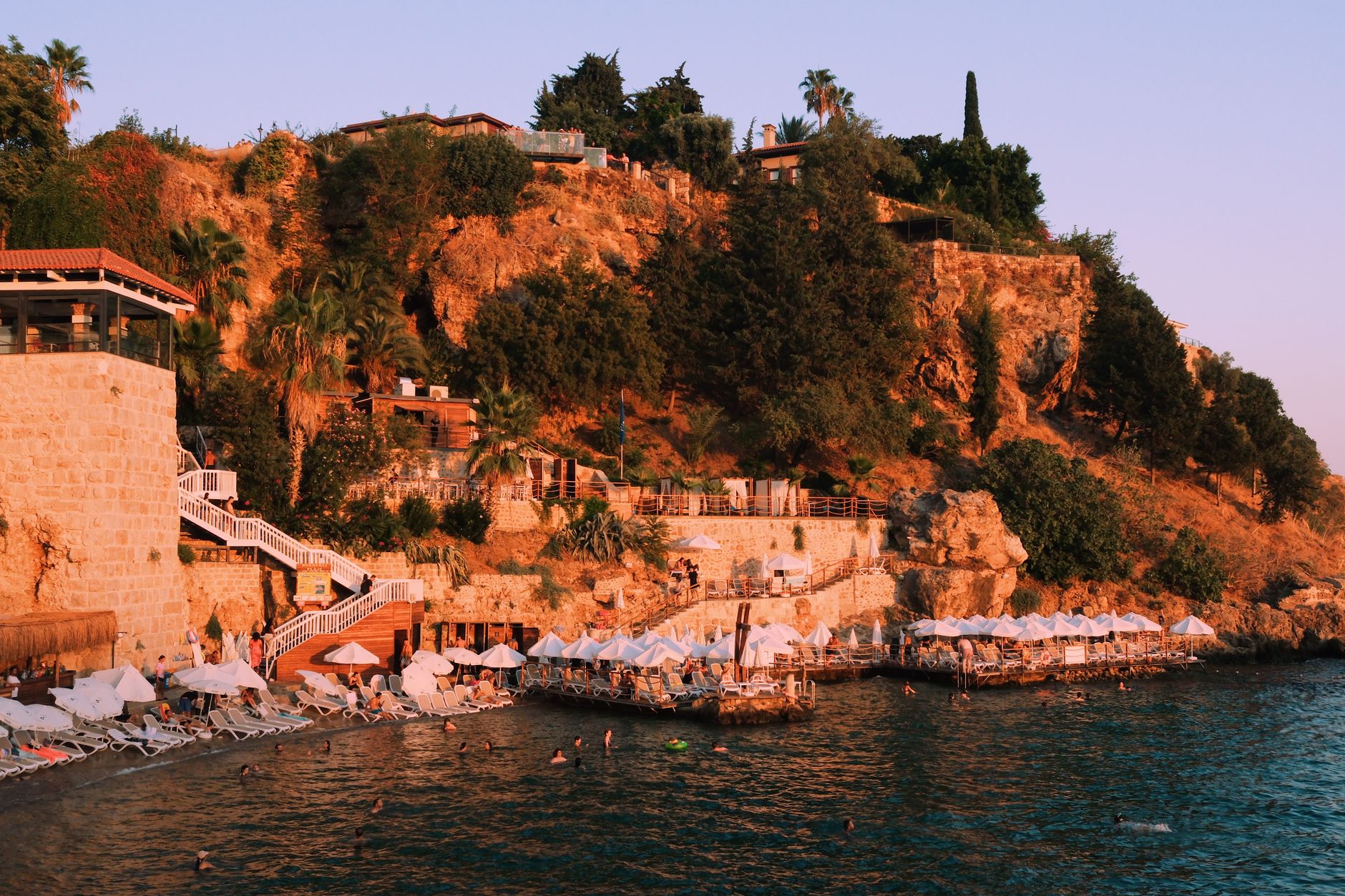
One of the joys of a winter trip to Türkiye is that the country's geography gives you real choice. If you want sunshine and sea air during recovery, head south and west. Antalya, on the Mediterranean, enjoys some of the mildest winters in Europe — often 15 to 18°C by day, with plenty of blue sky. Izmir, on the Aegean, is similarly gentle, with crisp mornings and pleasant afternoons. Bodrum and Marmaris are quiet in winter but still lovely for slow walks along the waterfront.
Istanbul, by contrast, is a metropolis in every season. Winter there is cooler — typically 8 to 12°C — and the occasional rainy front rolls through, but between weather systems the city gleams under clear skies. If your clinic is in Istanbul, you will find that winter is arguably the best time to enjoy its museums, mosques and cafés without the summer crush. Fewer queues at the Grand Bazaar, more space in the courtyards of Sultanahmet, and a city that feels, for once, like it belongs to the people who live there.
Inland cities such as Ankara, Konya and Erzurum see genuine cold and sometimes snow, which can be beautiful but is worth factoring into your packing and mobility plans if that is where your treatment is scheduled. Erzurum in particular is a winter wonderland if you are healthy enough to enjoy it — but not the place to plan long outdoor recovery walks.
For most medical travellers, the practical advice is simple: match the city to your procedure and your recovery needs. If you will be spending a lot of time walking as part of recovery, choose a mild coastal city or a walkable Istanbul neighbourhood. If your treatment requires extended rest, any of them will do — and the quiet season means you will rest in peace.
Packing Wisely for a Winter Treatment Trip
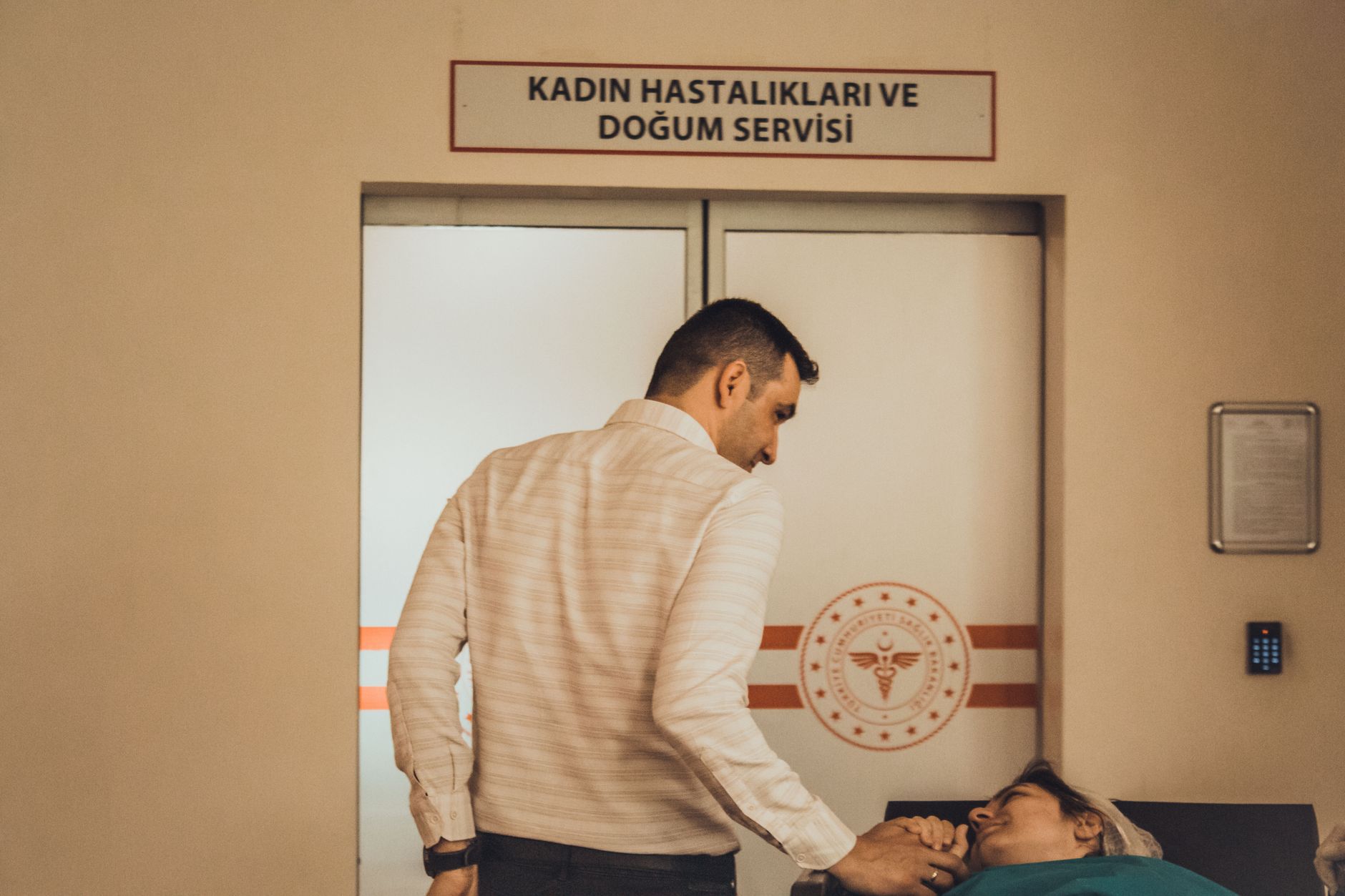
Packing for a medical trip is different from packing for a holiday, and winter adds a few twists. The golden rule is layers. Even in mild Antalya, mornings and evenings can be cool, and clinic interiors are often air-conditioned or heated to a different temperature from the street. Bring lightweight base layers, a warm mid-layer such as a fleece or cardigan, and a water-resistant outer layer — ideally a soft, packable jacket you can slip on and off easily.
Comfort and practicality should guide your footwear and clothing choices. Choose loose, front-opening garments that are easy to put on and take off after a procedure — button-up shirts, zip-front hoodies, elastic-waist trousers and slip-on shoes. Avoid tight sleeves and anything that must be pulled over the head, especially if you are having shoulder, chest or facial work. Bring more underwear and socks than you think you need; laundry access in recovery accommodation can be limited.
Do not forget the medical essentials. Pack all current medications in their original packaging with a copy of your prescriptions, plus a list of allergies and your medical history in English and, ideally, Turkish. Bring any recent test results, imaging and referral letters your clinic has requested. A small first-aid pouch, a thermometer, hand sanitiser, lip balm, a refillable water bottle and a power adapter for Turkish sockets (Type C and F, 230 volts) will all earn their place.
For recovery downtime, pack light entertainment — an e-reader, headphones, a tablet loaded with films — and a comfortable neck pillow for travel and resting. Finally, include a soft scarf or shawl. It doubles as a blanket in chilly waiting rooms and a cover-up for clinic corridors, and it is one of the most useful items a winter medical traveller can carry.
Indoor Recovery Walks: Gentle Movement in Cooler Weather
Gentle walking is one of the most valuable things you can do during recovery, but winter weather can make outdoor strolls less appealing. The good news is that Türkiye's cities and clinics offer excellent indoor alternatives. Many private hospitals have indoor corridors and garden atriums where patients can walk supervised laps in comfortable temperatures. Ask your care team whether an indoor walking route is available, and how much movement is appropriate for your specific procedure.
Shopping malls are an underrated recovery asset in winter. Istanbul alone has dozens of large, climate-controlled malls — Istinye Park, Zorlu Center, Akasya and Mall of Istanbul among them — with smooth, level floors, seating areas, cafés and clean facilities. A slow loop or two, with regular rests, can be a pleasant way to build up your step count without braving the chill. Coastal cities such as Antalya and Izmir also have covered markets and large shopping complexes that serve the same purpose.
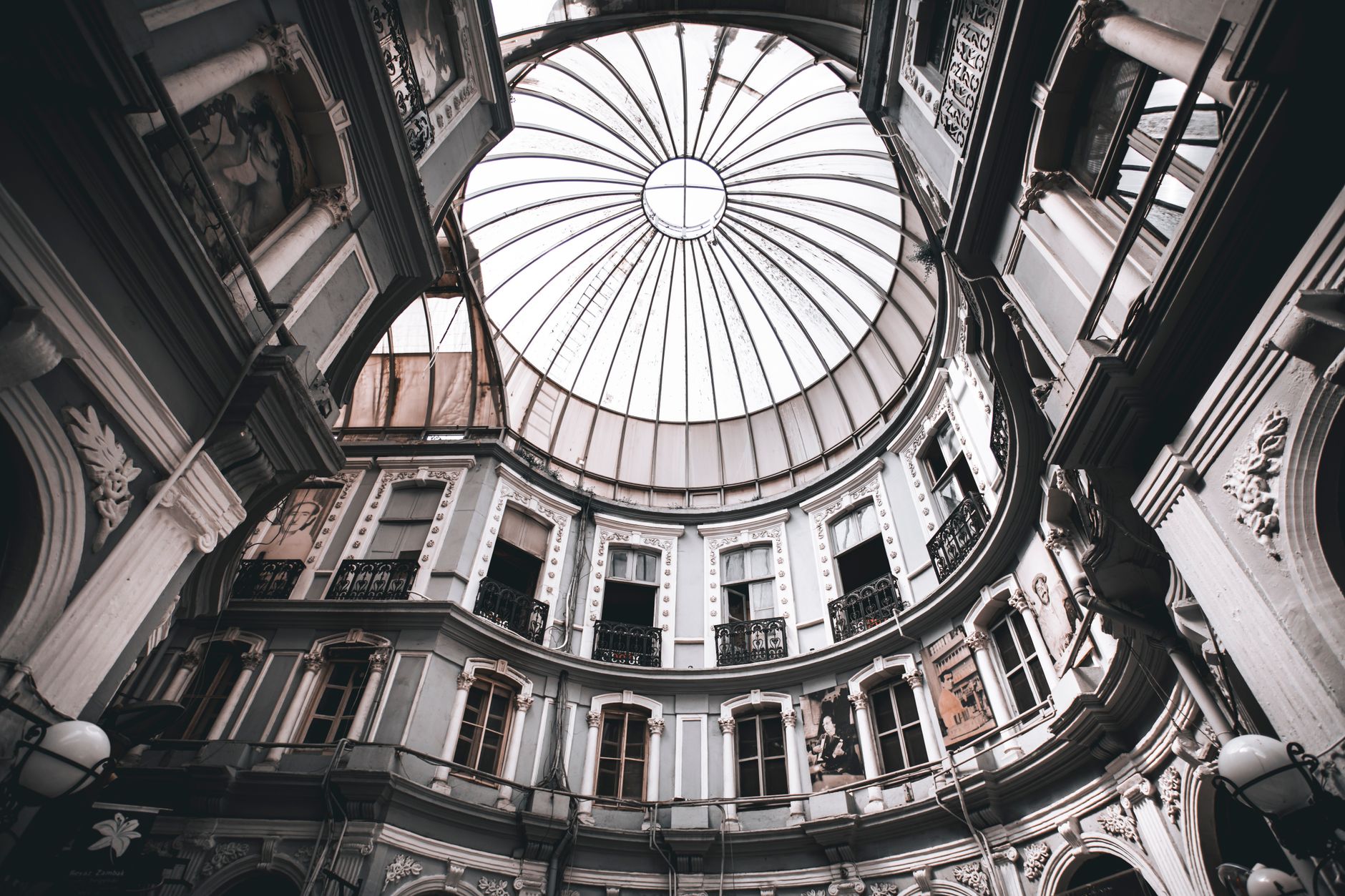
Museums and cultural venues make wonderful indoor walking destinations. Istanbul's grand museums, the serene courtyards of its historic mosques, and the city's covered bazaars offer hours of gentle, level walking in beautiful surroundings. Antalya's museums and Izmir's cultural centres are similarly welcoming in the off-season, when you will have far more space to move at your own pace.
Whatever route you choose, follow your surgeon's guidance above all. Start with short, frequent walks rather than long ones, wear supportive shoes, keep hydrated, and stop if you feel pain, dizziness or breathlessness. Pair indoor walks with rest, elevation and any physiotherapy exercises you have been given. The goal is circulation and confidence, not distance.
Clinic Availability and Holiday Timing Over the Winter Months
Winter in Türkiye spans a handful of public holidays you should know about when planning. New Year's Day on 1 January is a public holiday, and the run-up to it is a festive, busy period in city centres even though clinics remain largely operational. Republic Day and other national observances bring short closures. The most significant consideration is the Islamic holiday calendar, whose dates shift each year on the lunar cycle — in 2026, Ramadan falls in the spring rather than deep winter, but it is always worth checking the exact dates for your travel year with your clinic, as some staff schedules and opening hours adjust around it.
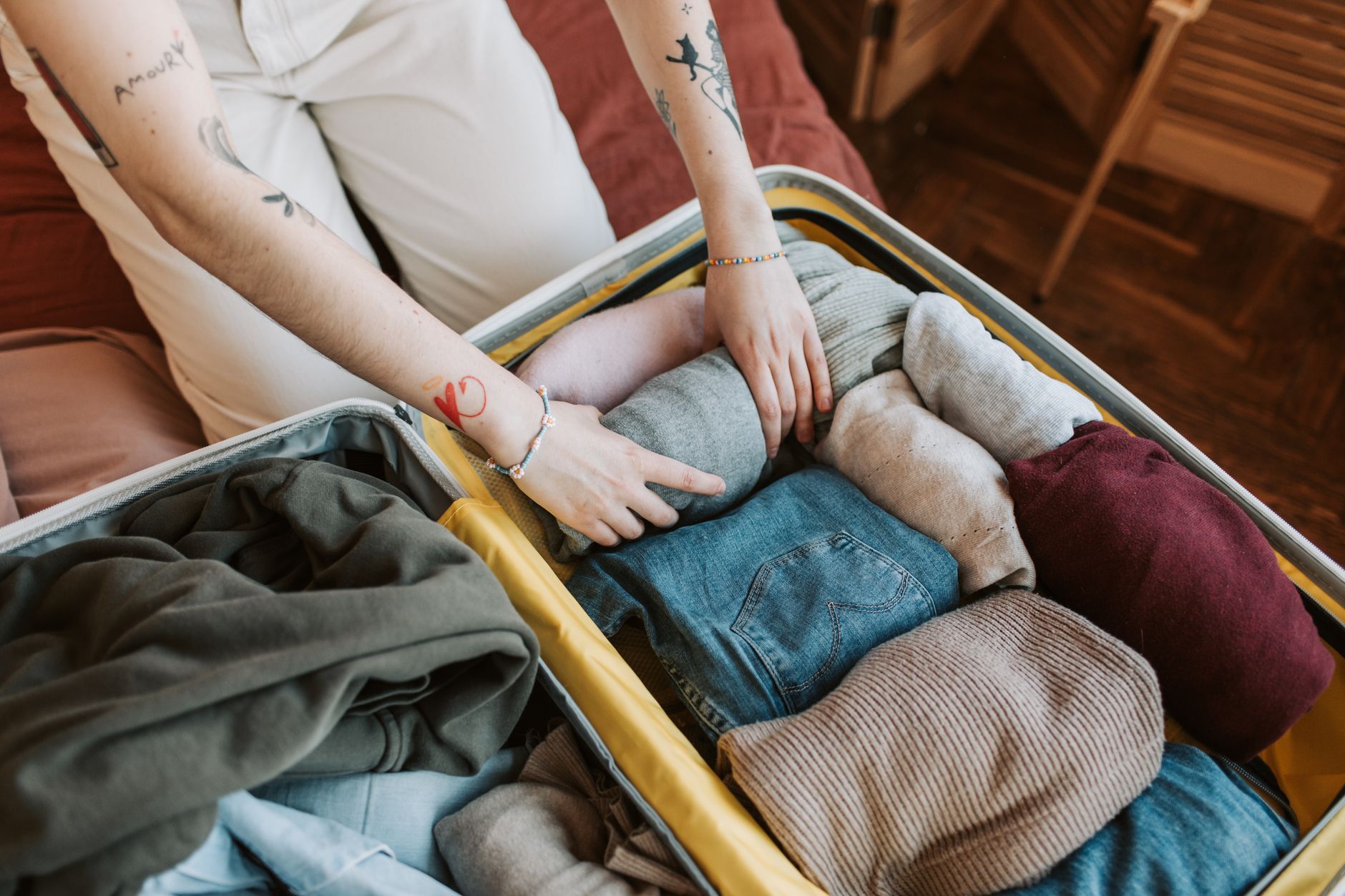
In general, private clinics in Istanbul, Antalya, Izmir and Ankara operate year-round and are well accustomed to international patients in every month. Off-season, you will often find that scheduling is easier and more flexible than in summer. That said, do confirm your specific dates directly with the clinic before booking flights. Ask whether your surgeon will be on duty throughout your stay, who covers follow-up appointments, and what the emergency contact arrangements are over any public holidays that fall during your trip.
Book your accommodation early even in the quiet season, especially if you need accessible rooms or recovery-friendly amenities such as a kitchenette, elevator access and proximity to your clinic. Winter hotel rates in Türkiye are often excellent, so you may be able to afford a higher standard of room than you would in peak season — a genuine advantage for a restful recovery. Also confirm airport transfers and any intercity travel in advance, as some seasonal transport schedules thin out in the quieter months.
The overall picture is reassuring: winter is a season of open doors in Turkish medical tourism. With a little planning around the holiday calendar, you will find clinics calm, staff attentive and logistics smooth.
Embracing the Unhurried Experience
The deepest advantage of a winter treatment trip is intangible: the pace. High-season medical travel can feel like a relay race — arrive, consult, operate, recover, fly home, all in a blur. The off-season invites something rarer: an unhurried experience in which you have time to ask questions, to rest properly, to walk gently through a quiet city, and to let your body heal without the pressure of a crowded calendar.
Use that time well. Schedule your consultation without rushing. Ask for written aftercare instructions and read them twice. Take the extra physiotherapy session. Sit in a sunny café in Antalya in January and feel the warmth on your face. Wander a nearly empty gallery in Istanbul. Let the mild winter climate and the calm clinics do their quiet work.
Türkiye in winter offers medical travellers something increasingly precious: space. Space in the schedule, space in the waiting room, space to breathe. Plan thoughtfully, pack sensibly, walk gently indoors when the air is cool, and let the off-season give you the peaceful, attentive, gently priced treatment experience you deserve.
Thinking about treatment in Turkey?
Send us a question about this site or about the information published on it. This is a publisher's mailbox, not a medical service and not a route to a particular provider — for clinical questions, contact your own doctor.