

Why Türkiye Is a Destination for Congenital Heart Care
Türkiye has become a trusted destination for families seeking paediatric cardiac assessment and congenital heart care. The country’s hospitals combine advanced diagnostic technology with a warm, family-centred approach that puts children and parents at ease. From the moment you inquire, you are met by teams who understand that travelling with a child requires extra care, patience and clear communication.
At the heart of this are Türkiye’s paediatric cardiac centres of excellence. These centres bring together experienced congenital heart surgeons, paediatric intensivists, paediatric cardiologists, anaesthesiologists and specialist nurses who work as one coordinated team. Many have trained and practised internationally and are fluent in English, Arabic, Russian and other languages, making it easier for families from around the world to feel understood.
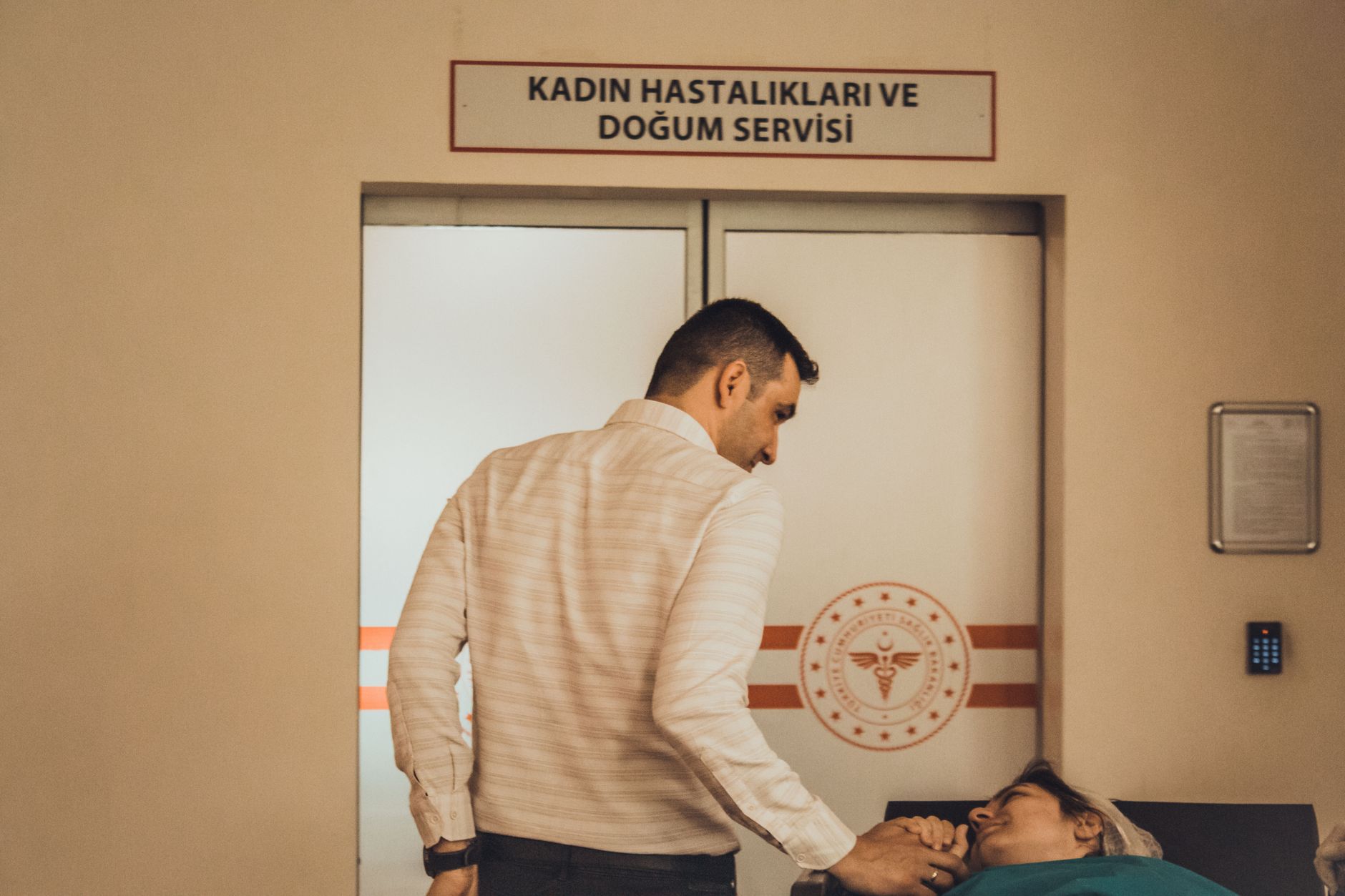
What distinguishes these centres is their family-centred wards. Parents are not visitors on the periphery; they are partners in their child’s care. Rooms are designed so a parent can stay close, with space to rest, and staff explain each step in plain language. This teamwork between medical experts and families turns a stressful journey into a manageable, hopeful experience.
Choosing the Right Centre of Excellence for Your Child
The first practical step is identifying a hospital that matches your child’s specific needs. Some centres specialise in newborn and infant cardiac surgery, others in interventional catheterisation, and others in long-term follow-up for adolescents. Look for a centre that performs a high volume of paediatric cardiac procedures, as experience is closely linked to outcomes.
Check whether the hospital has a dedicated paediatric intensive care unit (PICU) staffed by paediatric intensivists, not just general intensive care. A child’s physiology is different from an adult’s, and specialised PICU teams are essential for recovery. Ask about the availability of a hybrid operating theatre, 3D echocardiography, cardiac MRI and other advanced imaging that supports precise congenital heart assessment.
It also helps to consider the wider support system: on-site child life specialists, psychological support for families, and interpreters who can join consultations. These details may seem small, but they make a big difference when you are far from home. A well-prepared centre will gladly answer your questions before you commit to anything.
Tip: Request a written summary of the centre’s paediatric cardiac outcomes — many Turkish hospitals publish annual volumes and outcomes for congenital heart procedures.

Pre-Travel Records Review: The Foundation of a Smooth Journey
Before any travel plans are made, share your child’s medical records with the hospital’s international patient department. This typically includes recent echocardiogram reports, cardiac catheterisation data, ECG tracings, MRI or CT images, blood tests, and a letter from your current cardiologist summarising the diagnosis and previous treatments.
The records review allows the Turkish team to understand your child’s condition in depth before you fly. They can confirm whether further tests are needed, estimate the length of stay, and give you a preliminary plan. This step often prevents unnecessary travel or repeated tests and helps you prepare emotionally and practically.
Gather digital copies in clear, high-resolution formats — PDFs for reports and DICOM files for imaging. If your hospital can provide a CD or secure download link, that is ideal. The international patient coordinator will guide you on exactly what to send and will arrange for a paediatric cardiologist to review the file, usually within a few working days.
Remember that this review is a two-way conversation. Write down your questions: What are the treatment options? How many similar cases has the surgeon handled? What is the expected recovery time? The more you ask now, the more confident you will feel later.

Video Consultation Before Flying: Meeting the Team in Advance
One of the most reassuring developments in medical travel is the pre-travel video consultation. After the records review, the hospital arranges a secure video call between you and the paediatric cardiologist or cardiac surgeon who will oversee your child’s care. This is your opportunity to see the faces behind the plan and to ask questions directly.
During the call, the specialist will explain the likely assessment pathway, possible interventions, and what to expect during the hospital stay. You can show your child’s medication, discuss feeding or developmental concerns, and clarify any cultural or dietary preferences. Interpreters can join the call if needed, so language is never a barrier.
A video consultation also helps you decide with confidence. You can gauge the doctor’s communication style, ask about the PICU team, and understand how parents are involved in daily rounds. Many families say this single call transformed their anxiety into a sense of partnership.
Prepare for the call by testing your internet connection, having records at hand, and writing your top five questions. Afterward, request a written summary of the discussion. This document becomes a handy reference as you finalise travel dates and packing lists.
Coordinated Accommodation and Family-Friendly Logistics
Travel is easier when lodging, transport and hospital appointments are coordinated. Many Turkish paediatric cardiac centres work with nearby family-friendly hotels or serviced apartments that offer kitchenettes, laundry facilities and shuttle services to the hospital. Staying within walking distance or a short ride reduces stress on busy clinic days.
Ask your international patient coordinator about hospital guest houses or partner hotels that offer medical-travel rates. They can also advise on neighbourhoods with parks, supermarkets and pharmacies, so daily life feels normal for siblings and parents alike. If your child needs to be close to the PICU, some hospitals provide parent rooms or nearby accommodation with 24-hour access.
Plan your arrival a day or two before the first appointment to allow for rest and a gentle introduction to the new environment. Keep a folder — digital and printed — with passports, visas, insurance documents, medical records and the hospital’s contact details. A simple calendar shared with your coordinator helps everyone stay on the same page.
Finally, think about the little comforts: a favourite blanket, a tablet loaded with cartoons, and snacks your child enjoys. These familiar items make a hospital room feel safer and help your child cooperate with assessments. The medical team will welcome them, because a calm child is a child who can be examined and treated more effectively.
What to Expect During the Hospital Stay
On arrival, your child will usually have a comprehensive assessment: physical examination, echocardiography, ECG, and possibly blood tests or advanced imaging. The team will then meet with you to discuss findings and agree on a plan. Because the records were reviewed in advance, this stage often moves quickly and smoothly.
If a procedure is needed, the congenital heart surgeon and paediatric intensivist will explain the steps, risks and expected recovery. You will be introduced to the PICU team and shown where you can wait and rest. Family-centred wards typically allow one parent to stay overnight, and staff will guide you on feeding, medication and comfort measures.
Throughout the stay, daily updates keep you informed. Nurses encourage parents to participate in gentle care, such as holding your child’s hand during a blood draw or helping with feeding once approved. This teamwork supports both recovery and your confidence as a caregiver.
Before discharge, you will receive a clear follow-up plan, including medication schedules, activity guidelines and when to see your local cardiologist. The Turkish team often remains available for remote questions after you return home, bridging the gap between countries and giving you ongoing peace of mind.
Building Your Family’s Journey with Confidence
Planning a medical trip for paediatric cardiac assessment may feel daunting, but it is a series of manageable steps: records review, video consultation, coordinated accommodation, and a family-centred hospital experience. Each step is designed to reduce uncertainty and put your child’s comfort first.
Türkiye’s paediatric cardiac centres of excellence have turned this journey into a well-trodden path for thousands of families. With experienced congenital heart surgeons, dedicated paediatric intensivists and wards that welcome parents as partners, you are not facing this alone. You are joining a team that includes you.
Start with a conversation. Request a records review, schedule a video consultation, and ask every question that matters to you. From there, the plan will take shape — calmly, clearly and with your child at the centre. A hopeful journey begins with a single, well-prepared step.
Türkiye'ye bir gezi mi düşünüyorsunuz?
Bu site veya burada yayınlanan bilgiler hakkında bize bir soru gönderin. Bu bir yayıncı posta kutusudur, tıbbi bir hizmet değildir ve belirli bir sağlayıcıya giden bir yol değildir — klinik sorular için kendi doktorunuza başvurun.