

Türkiye Strengthens Multilingual Care for International Patients
As the winter season approaches, hospitals across Türkiye are expanding their Arabic, German and Russian-language patient support teams. The move reflects a growing commitment to clear communication at every stage of the medical journey — from the first online consultation to the final discharge instructions.
For international patients, language barriers can turn an already stressful experience into a confusing one. Misunderstandings about medication, follow-up appointments or pre-operative preparation can affect outcomes and peace of mind. By adding more interpreters and translated materials, Turkish hospitals aim to reduce those risks and make care feel more personal.
Türkiye has long been a destination for medical travellers from Europe, the Middle East and Russia. The winter expansion is part of a broader effort to ensure that reputation rests not only on clinical expertise but also on compassionate, well-organised communication.
What the Expanded Language Support Includes
Hospitals are increasing the number of in-house Arabic, German and Russian speakers in international patient departments. These team members help with appointment scheduling, admission paperwork, consent forms and daily ward communication.
In addition to spoken interpretation, many facilities are rolling out translated medical records. Discharge summaries, lab results, imaging reports and prescription instructions can now be provided in the patient's preferred language, making it easier to share information with a family doctor back home.
Multilingual aftercare guides are also being updated for winter. These guides cover wound care, medication schedules, diet, activity restrictions and warning signs that require urgent attention. Having them in Arabic, German or Russian means patients can follow recovery advice accurately once they return home.

How to Request an Interpreter Before You Travel
International patients can request an interpreter at any point — ideally as soon as they begin planning treatment. Most hospitals have a dedicated international patient office that can be reached by email, phone or WhatsApp. When you make your first enquiry, simply state your preferred language and whether you need interpretation for consultations, procedures or both.
It is helpful to specify the format you need: in-person interpretation during hospital visits, video interpretation for online consultations, or phone interpretation for quick questions. Many hospitals can also arrange a translator to accompany you to appointments outside the hospital, such as physiotherapy or diagnostic imaging.
Confirm the arrangement in writing before you travel. A short email confirming the interpreter's availability, the date and time, and the language dialect (for example, Modern Standard Arabic or a specific regional dialect) can prevent last-minute surprises.
Translated Medical Records: What to Ask For
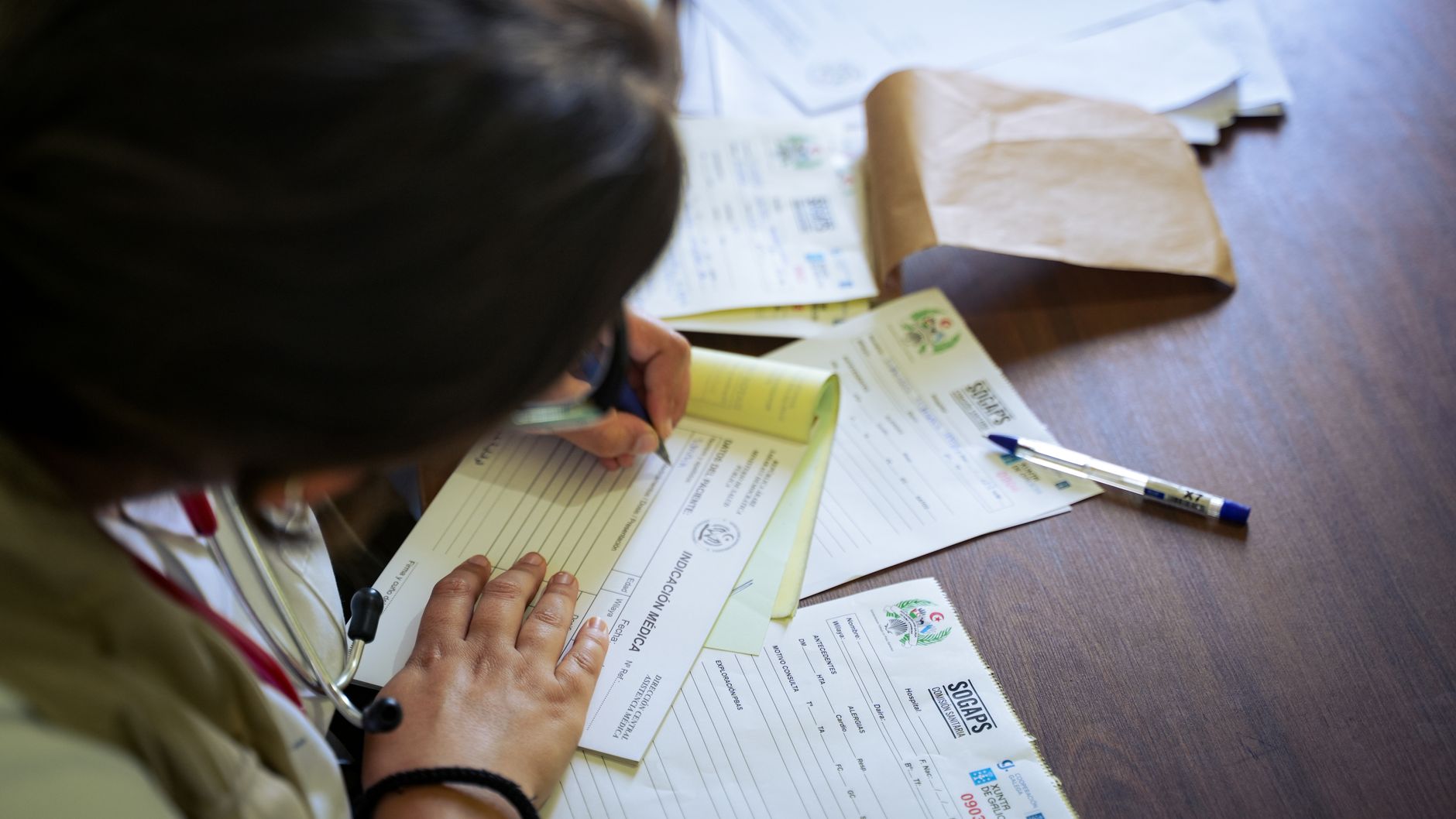
Translated medical records are essential for continuity of care. Ask the international patient office which documents can be translated and how long it takes. Typically, you can request translations of your discharge summary, operation report, pathology results, medication list and follow-up plan.
Some hospitals provide a certified translation service for an additional fee, while others include basic translation at no cost. If you need the documents for insurance reimbursement or for your doctor at home, ask whether the translation is officially certified and whether it can be stamped or notarised.
Keep digital and printed copies. A well-organised folder — either physical or on your phone — makes it easy to share your medical history with any new clinician you see after your trip.

Multilingual Aftercare Guides for a Smooth Recovery
Aftercare is where language support often matters most. Once you leave the hospital, you may need to manage medications, change dressings or recognise complications without immediate access to your care team.
Multilingual aftercare guides are designed to be practical. They use clear language, simple diagrams and checklists. Many hospitals also offer a translated telephone support line or a messaging service where you can ask questions in Arabic, German or Russian during the first weeks after discharge.
Before you fly home, ask for the aftercare guide in your language and review it with an interpreter. Make sure you understand who to contact in an emergency, how to adjust medications across time zones, and when to schedule your first follow-up with a local doctor.
Why This Matters for Patients Travelling in Winter
Winter travel brings its own challenges: flight delays, colder weather and a higher risk of respiratory infections. Clear communication helps patients prepare for these conditions and know when to seek help.
For patients from Arabic-speaking countries, Germany and Russia, the expanded language teams mean fewer misunderstandings from the first consultation to discharge instructions. That can support adherence to treatment plans and reduce the chance of complications. Outcomes vary between patients and cannot be predicted or guaranteed.
Türkiye's hospitals are working to make international patients feel welcomed and well cared for. The winter expansion of Arabic, German and Russian support is a practical step that puts patient understanding at the centre of care.
"Communication is part of treatment. When patients understand their care in their own language, they participate more confidently in their recovery." — International Patient Coordinator, Istanbul
If you are planning treatment in Türkiye this winter, ask about language support early. A few simple requests before you travel can make your entire medical journey smoother and more reassuring.
Türkiye'ye bir gezi mi düşünüyorsunuz?
Bu site veya burada yayınlanan bilgiler hakkında bize bir soru gönderin. Bu bir yayıncı posta kutusudur, tıbbi bir hizmet değildir ve belirli bir sağlayıcıya giden bir yol değildir — klinik sorular için kendi doktorunuza başvurun.