

Why European Patients Are Looking to Türkiye for Bariatric Care
Türkiye has become one of the most active destinations in the world for metabolic and bariatric surgery, and demand from European patients continues to rise. The appeal is not only cost: patients increasingly choose Türkiye because accredited hospitals in Istanbul, Ankara and Izmir offer gastric sleeve and gastric bypass procedures within a full multidisciplinary programme, not as a standalone operation.
Waiting lists in several European public health systems remain long, and private options can be expensive. Türkiye combines internationally trained surgeons, modern operating theatres and intensive care units with package pricing that typically includes hospital stay, medications and follow-up consultations. For many patients, the deciding factor is that the journey does not end when they leave the operating table.
Turkish clinics have treated patients from across the continent for well over a decade, and this volume has translated into deep experience with different body types, metabolic profiles and cultural expectations. That track record is a major reason why medical travellers now speak of Türkiye as a metabolic surgery hub rather than simply a low-cost alternative.
What a Comprehensive Turkish Bariatric Programme Includes
Turkish centres structure care around a team rather than a single doctor. A typical programme brings together a bariatric surgeon, a dietitian, a psychologist or psychiatrist, a nurse coordinator and, where needed, an endocrinologist and anaesthetist. Each specialist has a defined role at every stage of the patient pathway.
Key components generally include:
- Pre-operative assessment: blood tests, endoscopy, cardiology and respiratory checks, plus screening for conditions such as diabetes, sleep apnoea and hypertension.
- Nutritional preparation: a pre-surgery liver-reducing diet, usually lasting one to three weeks, designed by the dietitian.
- Psychological evaluation: screening for eating disorders, depression and unrealistic expectations, with counselling where appropriate.
- Surgery and hospital stay: gastric sleeve or gastric bypass in a fully equipped hospital, typically three to five nights.
- Structured follow-up: video consultations, diet plans and lab monitoring at fixed intervals after discharge.
Even before surgery, international patients usually receive a written plan explaining medication changes, travel timing and what to eat on each day of the pre-operative diet. This preparation is often cited as the difference between a smooth recovery and a difficult one.
Before Surgery: Preparation and Expectations
Most patients begin with an online consultation, sharing medical history, medication lists and recent test results. The surgeon and dietitian then confirm whether a sleeve or a bypass is more suitable. The two operations are not interchangeable: a sleeve restricts stomach volume, while a bypass also changes how the digestive system absorbs nutrients and may be considered for patients with type 2 diabetes or severe reflux.
On arrival in Türkiye, patients usually spend one or two days on final tests and consultations. Dietitians explain the post-operative phases in detail — clear liquids, full liquids, pureed foods, soft foods and finally normal textures. Psychologists set realistic targets, reminding patients that surgery is a tool, not a cure.
Patients who understand the commitment before surgery tend to adapt more smoothly afterwards. Preparation is part of the treatment.
Smoking, certain medications and untreated medical conditions can delay or change the plan, so transparency during the online assessment matters. Coordinators help with visas, airport transfers and accommodation so that patients can focus on the medical side of the trip.

During the Hospital Stay: Surgery, Safety and Support
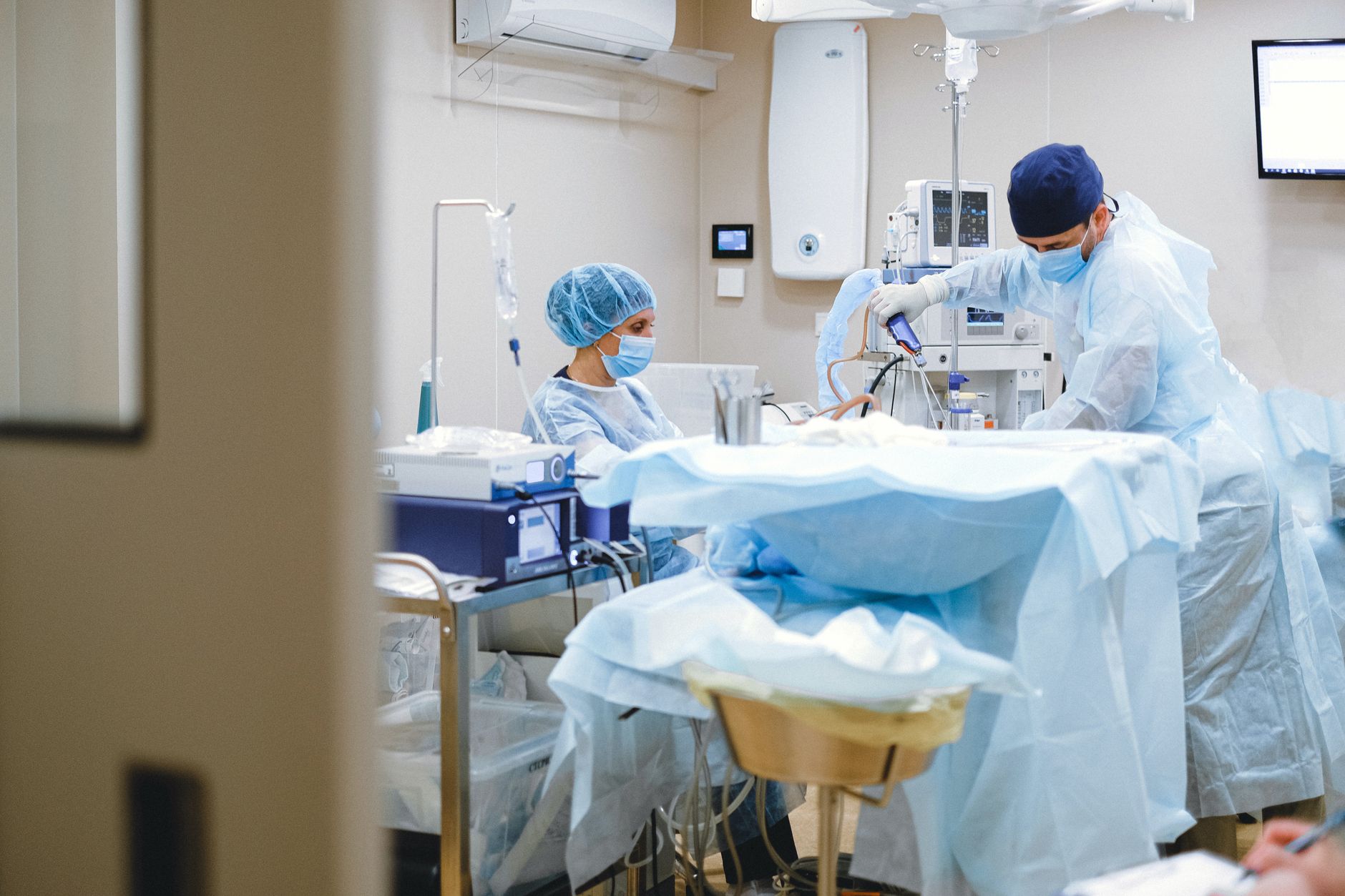
Gastric sleeve and gastric bypass are performed laparoscopically in most Turkish centres, which means smaller incisions and usually a shorter hospital stay. Bypass procedures generally take slightly longer than sleeves and may require a longer observation period. Anaesthesia teams assess each patient individually, particularly those with sleep apnoea or heart conditions.
After surgery, mobilisation begins within hours where possible, and patients are monitored for hydration, pain control and early signs of complications. Dietitians visit the bedside to start the fluid phase, while nurses teach patients how to sip slowly, take supplements and recognise warning symptoms.
Most patients fly home after their surgeon confirms that healing is on track, often around the fifth to seventh day. A discharge report, medication list and a first follow-up appointment are provided in English, and many hospitals also offer interpreters in German, French, Arabic and other languages.

After Surgery: Dietitian Support and Psychological Counselling
The months after bariatric surgery shape long-term results. Turkish programmes therefore schedule regular dietitian contact — commonly at two weeks, one month, three months, six months and one year — by video or in person. Plans focus on protein intake, hydration, vitamin and mineral supplements, and gradual reintroduction of solid foods.
Psychological support addresses emotional eating, changes in social life and body image. Many patients find that old triggers do not disappear with weight loss, and short-term counselling or support groups help them build new habits. Some centres offer online group sessions that connect international patients with others going through the same phases.
Labs are usually checked at three, six and twelve months, and annually thereafter, to catch deficiencies in iron, vitamin B12, vitamin D, calcium and other nutrients early. Lifelong supplement use is a realistic expectation after both sleeve and bypass, and programmes that explain this clearly tend to keep patients engaged.
How to Choose a Bariatric Centre in Türkiye
Demand has grown quickly, and quality varies. Patients should look for hospitals with accreditation, surgeons who can document their case volumes and revision rates, and programmes that include named dietitians and psychologists rather than only surgical staff. Written follow-up protocols and transparent pricing — including what happens if complications occur — are also important signals.
Questions worth asking before booking include:
- Who will manage my diet after I return home, and how often will we speak?
- What psychological support is included, and is it available in my language?
- How are complications handled, and is intensive care available on site?
- What are the realistic expected weight-loss ranges for my case?
- Can you share a structured follow-up schedule in writing?
Türkiye's experience in metabolic surgery is substantial, and its multidisciplinary model has matured alongside it. Combined with organised travel logistics and competitive prices, that model explains why more European patients are choosing Turkish centres for gastric sleeve and gastric bypass — and why the care they receive extends far beyond the flight home.
正在考虑前往土耳其旅行?
向我们发送关于本网站或网站上发布信息的问题。这是出版商的邮箱,不是医疗服务,也不是通往特定提供商的途径——如有临床问题,请联系您自己的医生。