

Why Adults Are Choosing Tonsillectomy and Snoring Surgery Abroad
If you're an adult who still has their tonsils, you're in good company — and if those tonsils are causing recurrent infections, chronic sore throats, or the kind of snoring that makes your partner retreat to the spare room, you're in even better company than you think. Adult tonsillectomy and snoring surgery are two of the fastest-growing procedures in medical tourism, and Türkiye has quietly become one of the world's most trusted destinations for both.
Here's the honest truth: adult throat surgery has a reputation for being rough. Older techniques meant more bleeding risk, more pain and a longer, grumpier recovery. But modern ENT clinics in Istanbul, Ankara and Izmir have moved on. Today they combine meticulous, low-bleeding surgical technique with structured aftercare, clear recovery milestones and a soft-food culture that Turks happen to be naturally brilliant at.
In this guide, we'll walk through what adult tonsillectomy and snoring surgery actually involve, why Türkiye's clinics are so well regarded for airway procedures, how to pace your recovery sensibly, what to eat while your throat heals, and — the question everyone asks first — when you can safely fly home.
Adult Tonsillectomy vs. Snoring Surgery: What's Actually Being Treated?
These two procedures are often mentioned in the same breath, but they solve different problems — and sometimes they overlap. An adult tonsillectomy removes the palatine tonsils, the two lumps of lymphoid tissue at the back of your throat. It's typically recommended for recurrent tonsillitis (roughly seven episodes in a year, five per year for two years, or three per year for three years), chronic tonsil stones, persistent bad breath linked to cryptic tonsils, or an asymmetrical tonsil that needs checking.
Snoring surgery is broader. It targets the structures that vibrate or collapse during sleep: the soft palate, uvula, sometimes the base of the tongue. Procedures like uvulopalatopharyngoplasty (UPPP), or gentler options using radiofrequency or laser energy, aim to stiffen or trim tissue so the airway stays open. If your snoring comes with witnessed pauses in breathing, morning headaches or daytime exhaustion, your surgeon will want to rule in or out obstructive sleep apnoea before deciding on the right operation.
The overlap? Many adults have both large tonsils and a floppy soft palate. In those cases, a combined approach — removing the tonsils and reshaping the palate in one session — can deliver a bigger improvement in breathing than either procedure alone, with a single recovery period instead of two.
One important note: this is not a cosmetic add-on. Genuine airway surgery should always follow a proper assessment — nasoendoscopy, sleep study where indicated, and a frank conversation about what surgery can and cannot fix.

Why Türkiye's ENT Clinics Are an Expert Choice for Airway Surgery
Türkiye treats a very high volume of ENT cases. That matters more than most patients realise: surgical skill is built on repetition, and Turkish ENT teams perform these procedures weekly, not occasionally. Hospitals in Istanbul are JCI-accredited in many cases, and clinics in Ankara and Izmir are equally well equipped with modern operating theatres, dedicated recovery units and overnight observation for airway patients.
What really sets these clinics apart, though, is technique. Contemporary Turkish ENT surgeons favour methods designed to reduce bleeding risk — precise dissection, careful haemostasis, and energy devices that seal as they cut. Lower bleeding means better visibility during surgery, less post-operative oozing, and often a smoother first 48 hours. Many clinics also use techniques that minimise damage to surrounding muscle, which translates into less pain when you swallow.
Equally important: Türkiye's hospitals are used to international patients. English-speaking coordinators, written recovery instructions in your language, and a culture of thorough aftercare are standard rather than exceptional. You're not handed a leaflet and waved goodbye; you're given a plan, a follow-up schedule and a phone number that actually gets answered.
What Happens During Your Trip: A Realistic Timeline
Most patients spend around seven to ten days in Türkiye for adult tonsillectomy or snoring surgery, including consultation, surgery, observation and an early follow-up. Here's how a typical schedule looks.
- Day 1 — Arrival and consultation. You meet your ENT surgeon, review imaging and history, and confirm the surgical plan. Blood tests and anaesthesia assessment happen the same day.
- Day 2 — Surgery. The procedure itself usually takes 30 to 60 minutes. You'll be monitored in recovery and, for airway surgery, often kept overnight for observation.
- Days 3–4 — Early healing. Pain peaks around days 3 to 5, so this is when clinics keep you comfortable with scheduled analgesia, ice, hydration and soft foods. A check-up confirms healing is on track.
- Days 5–7 — Discharge and gentle sightseeing. Many patients feel well enough for short, low-effort outings — a slow Bosphorus ferry, a quiet museum — provided they stay hydrated and avoid smoky, crowded rooms.
- Days 8–10 — Final review and fly home. Your surgeon confirms the surgical site is healing cleanly before you board.
The golden rule: build in a buffer. If your surgeon says you can fly on day 10, booking your flight for day 12 costs you two extra hotel nights and buys you real peace of mind.

Recovery Pacing: How to Heal Well, Not Just Fast
Adult tonsillectomy recovery is a marathon, not a sprint — and the patients who do best are the ones who respect that. The single biggest mistake is doing too much on a good day and paying for it on day five.
Days 1–3: Rest properly. Ice packs on the neck, regular pain relief on schedule rather than waiting for pain to spike, and constant small sips of water. Dehydration is the most common reason adults feel worse than expected — it makes pain sharper and slows healing.
Days 4–7: This is the tricky window. Pain often peaks as the protective scabs begin to loosen, and some patients notice a little blood-tinged saliva. A few spots are normal; anything more needs a call to your clinic. Keep talking to a minimum, skip the sightseeing and stay cool.
Days 8–14: Gradual improvement. You can start gentle walking, but avoid strenuous exercise, heavy lifting and anything that raises your blood pressure for at least two weeks. Alcohol and smoking are off the table — both irritate healing tissue and increase bleeding risk.
Throughout, follow your clinic's instructions rather than internet horror stories. Turkish ENT teams give clear, written recovery guidance, and their follow-up calls aren't a formality — they genuinely want to know how you're doing.
The Soft-Food Plan: Eating Well While Your Throat Heals
Here's where Türkiye accidentally becomes the perfect place to recover. Turkish cuisine is full of soothing, protein-rich soft foods that are far more appealing than lukewarm soup from a carton.
- Cold and creamy: Yoghurt, ayran (the salted yoghurt drink), sütlaç (rice pudding) and muhallebi (milk pudding) slide down easily and feel wonderful on a raw throat.
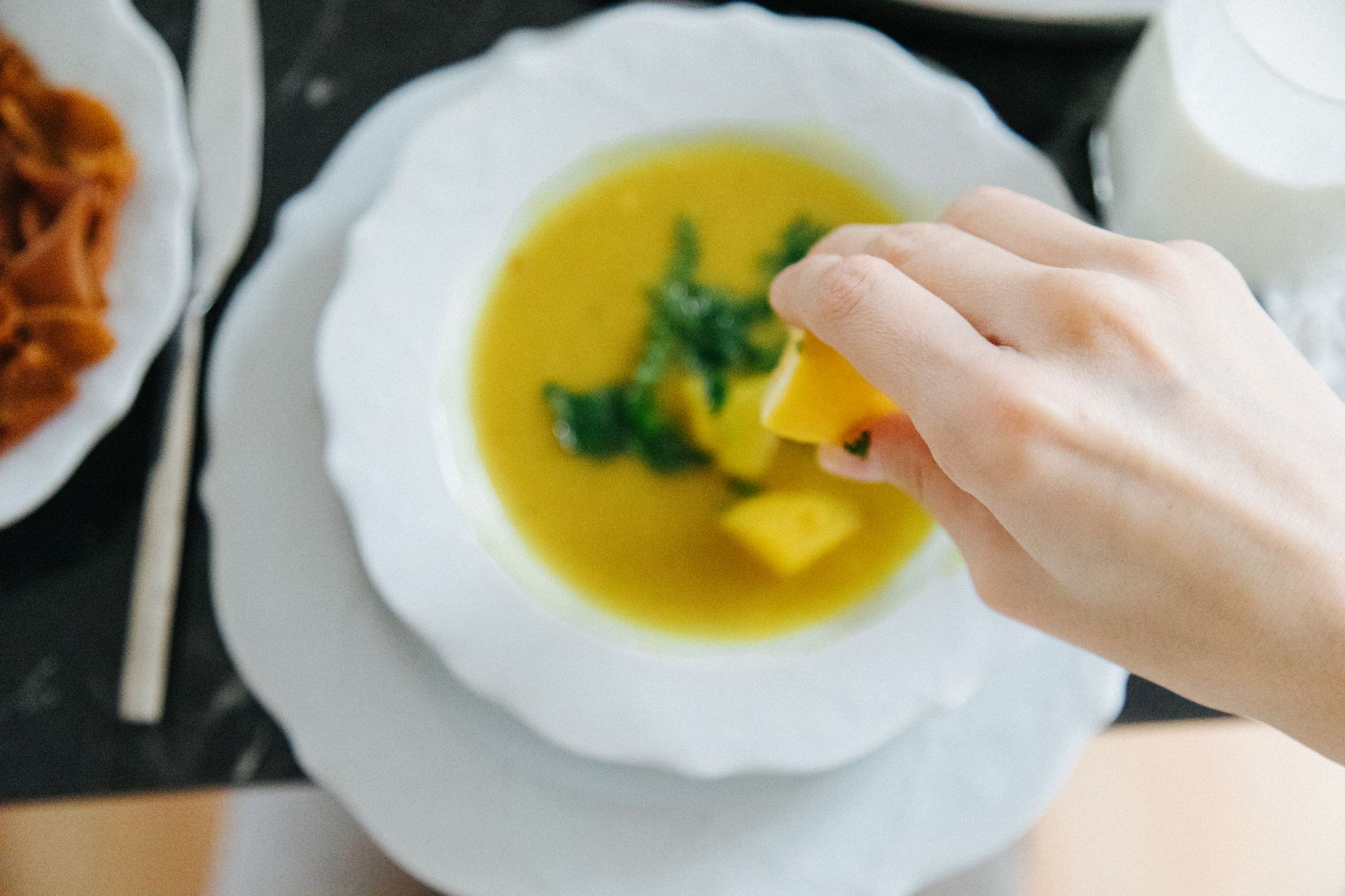
- Warm and soft: Lentil soup (mercimek çorbası), mashed potatoes, soft scrambled eggs and puréed vegetables give you real nourishment without chewing.
- Sweet relief: Ice cream is genuinely encouraged in the early days — cold numbs the area and the calories help when appetite is low.
- Hydration heroes: Water, diluted fruit juice, herbal teas (lukewarm, not hot) and cold milk. Aim for small, frequent sips all day.
Avoid anything scratchy, spicy, acidic or crunchy for the first two weeks: crispy bread, chips, nuts, citrus, tomato-heavy dishes and strong spices. Your clinic will give you a day-by-day food list, and hotel kitchens in Istanbul are used to preparing soft meals for medical guests — just ask.
Protein matters more than people expect. Soft eggs, yoghurt, milk and puréed chicken dishes support tissue repair. If swallowing is really uncomfortable, cold and smooth beats warm and textured every time.
When Can You Fly Home After Throat Surgery?
This is the question every patient asks at consultation, and the answer is refreshingly specific: most adults are cleared to fly around 10 to 14 days after surgery, once the surgical site has healed sufficiently and bleeding risk has dropped.
Why the caution? Air travel involves dry cabin air, pressure changes and long periods of sitting — all of which can irritate a healing throat or, in rare cases, provoke bleeding. Your surgeon will assess the site directly before giving the green light, and may ask you to delay if healing is slower than expected.
Practical tips for the journey home:
- Carry a doctor's note and a summary of your procedure, plus any medication in original packaging.
- Drink water constantly in the air — set a reminder every 20 minutes.
- Skip the in-flight wine and coffee; both dehydrate.
- Ask for an aisle seat so you can sip water and move around easily.
- Keep pain relief and lozenges in your hand luggage, not the overhead bin.
Once home, keep the soft-food plan going for a few more days and schedule a local follow-up if your clinic recommends it. Turkish hospitals often coordinate this handover, so your home doctor receives a clear summary of what was done.
Final Thoughts: Confidence, Comfort and a Clear Plan
Adult tonsillectomy and snoring surgery are common procedures — but "common" doesn't mean "casual." Choosing where to have them matters, and Türkiye has built a genuinely strong case: experienced high-volume ENT teams, modern low-bleeding techniques, structured aftercare and a recovery environment that's easy to like.
If snoring is straining your relationship, sleep or energy levels, or if your tonsils have been causing trouble for years, it's worth a proper assessment. A short trip to Istanbul or Ankara, a well-managed procedure and a sensible two-week recovery could give you quieter nights and a much happier throat — with soft food, sunshine and excellent care along the way.
Thinking about treatment in Turkey?
Share your contact details and a verified doctor will follow up with a plan built around you — free, no obligation.