

Antalya Closes Its Busiest Winter Season on Record
Antalya's accredited hospitals have reported their strongest winter season to date, cementing the Turkish Riviera's shift from a summer-only beach destination into a genuine all-season medical tourism hub. According to figures compiled by Turkey's hospital associations and the Ministry of Health, the province's accredited facilities treated a record number of international patients between November 2025 and March 2026, with winter volumes rising sharply compared with the same period a year earlier.
The growth is notable because it defies the traditional seasonal pattern of Turkish medical tourism, which has historically peaked between spring and early autumn. Hospital managers in Antalya say winter bookings are now being driven by patients who actively choose the cooler months to combine treatment with a quiet coastal recovery, when the city is calmer, hotel rates are lower and the Mediterranean climate remains mild.
Antalya's medical infrastructure is among the most accredited in Turkey. Its leading private hospital groups carry Joint Commission International (JCI) certification alongside Turkish Ministry of Health accreditation, with internationally trained specialists covering cardiology, orthopaedics, oncology, bariatric and aesthetic surgery, IVF, dental care and health screening.
Scandinavian Patients Lead the Winter Surge
The clearest driver of the record winter season has been demand from Scandinavia. Patients from Sweden, Norway and Denmark accounted for a growing share of Antalya's international caseload, drawn by direct flight connections of roughly four to five hours from Stockholm, Oslo and Copenhagen, and by winter temperatures that typically sit between 12°C and 18°C — a considerable improvement on the Nordic winter.
For Scandinavian patients, the appeal is practical as much as clinical. Knee and hip replacements, dental restoration, bariatric procedures and comprehensive health check-ups are typically quoted at a fraction of Northern European private prices, and packages in Antalya usually bundle surgery, hospital stay, hotel accommodation, airport transfers and interpreter services into a single transparent fee.
Scandinavian insurers and employers have taken notice. Several Nordic intermediaries now formally refer patients to accredited Turkish hospitals for planned procedures, citing shorter waiting times and documented quality standards as the deciding factors.
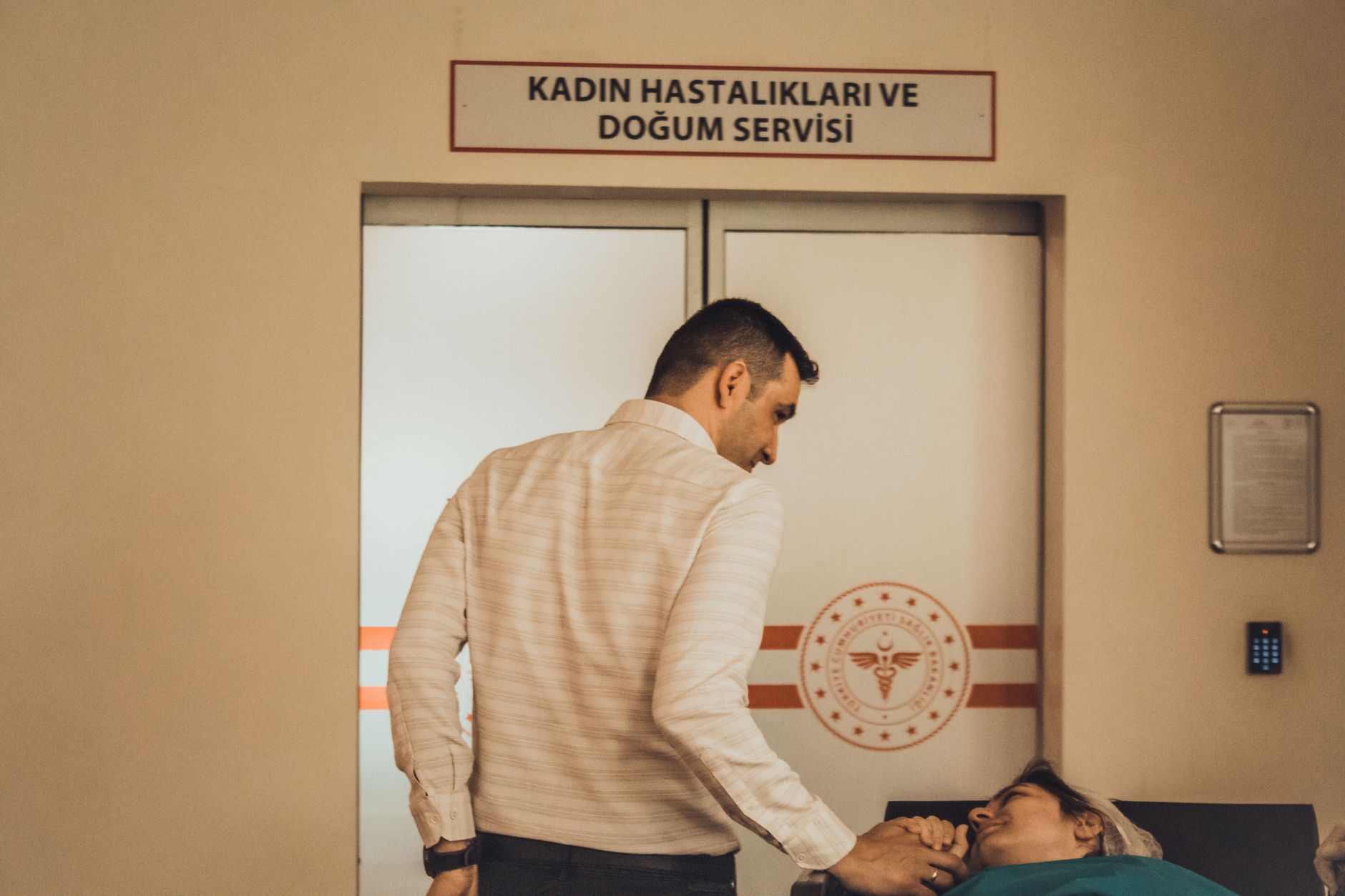
Gulf Patients Choose Antalya for Discreet, Resort-Style Care
Demand from the Gulf has also climbed. Patients from Saudi Arabia, the United Arab Emirates, Kuwait and Qatar increasingly combine elective procedures with family holidays in Antalya's resort districts, where premium hotels, private villas and halal-friendly dining are widely available. Direct flights from Riyadh, Jeddah, Dubai, Abu Dhabi, Kuwait City and Doha keep journey times to around four hours.
Hospitals in the city have responded with Arabic-speaking patient coordinators, dedicated prayer rooms, halal menus and extended family accommodation options. For Gulf patients, the combination of accredited clinical care, privacy and a coastal setting that feels familiar has made Antalya an attractive alternative to longer-haul destinations.
Winter in Antalya suits this market particularly well. The season offers pleasant daytime temperatures for gentle outdoor recovery walks and hotel stays without the peak-summer crowds, while the sea and mountain backdrop provides the resort atmosphere many families want during a multi-week stay.
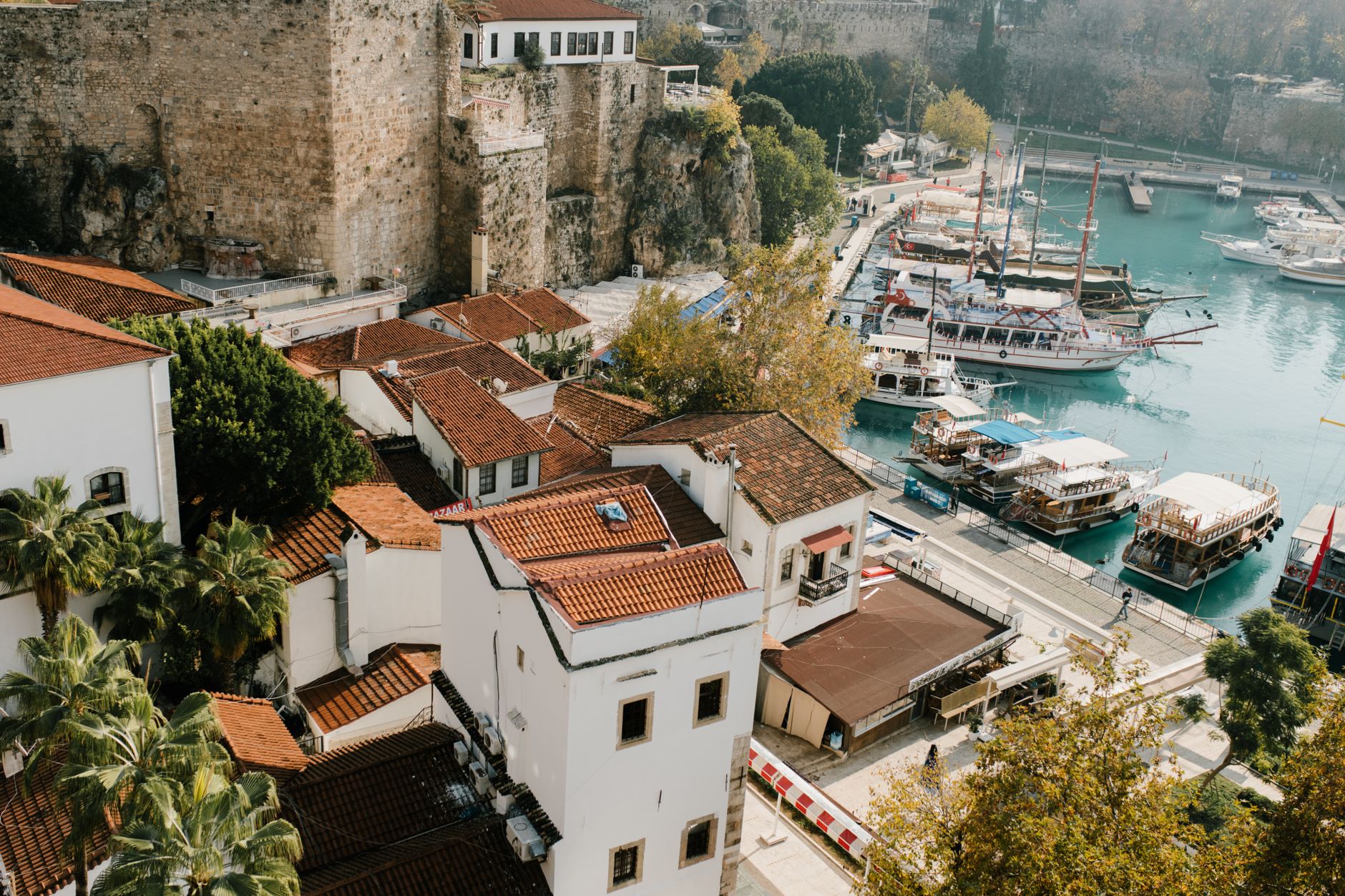
Why Warm-Weather Recovery Is a Clinical Advantage
Recovery conditions matter as much as operating theatres in medical tourism, and Antalya's climate is a genuine part of its value proposition. Mild winters allow post-operative patients to take supervised walks along the coast, spend time outdoors and maintain light activity — an important factor in rehabilitation after orthopaedic, cardiac and bariatric procedures.
Sunshine exposure supports vitamin D levels and general wellbeing during recovery, while the region's clean air and low humidity compare favourably with harsher northern winters. Many patients report that recovering in a calm, sunny coastal environment reduces stress and improves their overall experience compared with convalescing at home in the cold.
Accredited hospitals in Antalya have built structured rehabilitation programmes around this advantage, pairing physiotherapy, nutrition counselling and follow-up consultations with recommendations for safe outdoor activity in the surrounding resort areas.

Competitive Package Pricing and Easy Direct Flights
Cost remains a central part of the Antalya story — but so does transparency. Accredited hospitals increasingly publish all-inclusive package pricing that covers surgery, anaesthesia, hospital stay, medication, transfers and post-operative checks, allowing patients to compare offers directly. Depending on the procedure, Antalya packages commonly come in well below comparable private treatment in Scandinavia or Western Europe.
Access is equally straightforward. Antalya Airport is one of Turkey's busiest international gateways, with direct services from major Scandinavian and Gulf cities, plus connections across Germany, the United Kingdom, Russia and Central Asia. Turkey's e-visa and visa-free arrangements for many European and Gulf nationals further reduce friction for patients and accompanying family members.
Hospital associations note that winter packages can offer additional value, as hotel and flight prices outside the summer peak are typically lower, letting patients extend their recovery stay without a significant increase in total cost.
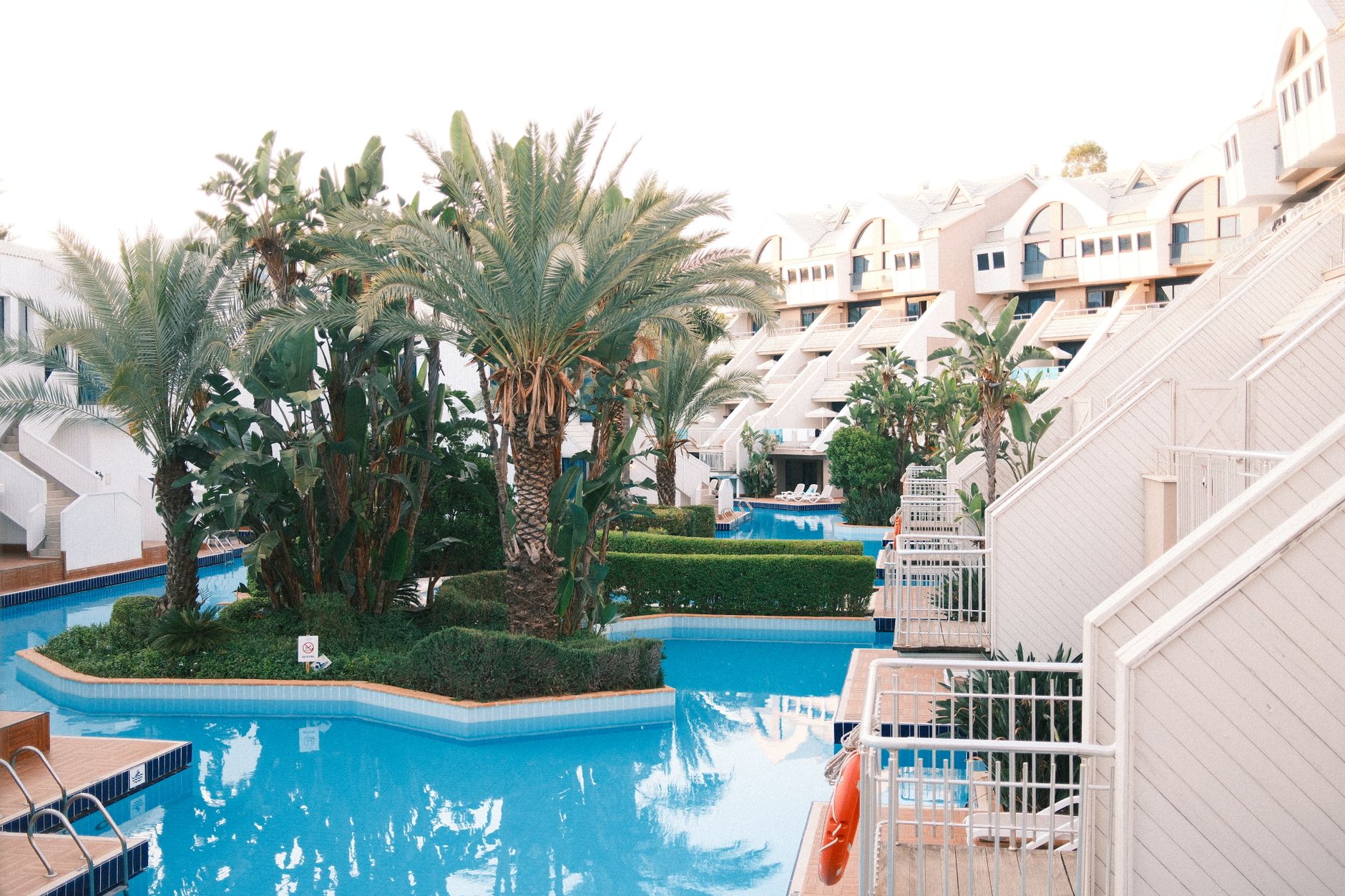
What to Check Before Booking Treatment in Antalya
With demand rising, patient advisers recommend verifying accreditation before committing to any provider. JCI certification and Turkish Ministry of Health accreditation are the baseline indicators of quality and safety standards, and reputable hospitals will share surgeon credentials, success rates and complication data on request.
Patients should also confirm what a package includes and excludes, ask about the qualifications of interpreters and coordinators, and request a clear follow-up plan for when they return home. Written quotations, itemised treatment plans and direct communication with the operating surgeon are all reasonable expectations in the current market.
- Confirm JCI and Ministry of Health accreditation.
- Ask for an itemised, all-inclusive quotation in writing.
- Verify surgeon credentials and case volumes for your procedure.
- Agree a structured post-return follow-up plan before travel.
With record winter volumes, world-class accreditation and direct links to both Scandinavia and the Gulf, Antalya enters the 2026 season positioned as one of the Mediterranean's most complete all-season medical tourism destinations — where accredited care and coastal recovery genuinely go hand in hand.
Thinking about treatment in Turkey?
Share your contact details and a verified doctor will follow up with a plan built around you — free, no obligation.