

Why Understanding Hospital Structure Matters for Medical Travelers
Arriving in Türkiye for a procedure you have never had before can feel like landing in a well-organised city without a map. The good news: Turkish hospitals are unusually transparent about how they divide medical work. Once you understand the logic behind their departments, you can match your condition to the right team quickly and ask sharper questions during consultations.
Most large Turkish hospitals - especially the JCI-accredited private groups in Istanbul, Ankara and Izmir - publish detailed department lists, doctor profiles, subspecialty clinics and even international patient departments online. That level of disclosure is not common everywhere, and it works in your favour. It means you can research before you fly, not after you arrive.
This guide explains how Turkish hospitals typically organise themselves: main specialties, sub-specialties, multidisciplinary units and support services. By the end, you will know exactly which door to knock on - and why.
The Three-Layer Anatomy of a Turkish Hospital
Think of a Turkish hospital as three nested layers. The first layer is the major specialty - broad fields like cardiology, orthopaedics, oncology or plastic surgery. These are the big banners you see on hospital websites and signage.
The second layer is the sub-specialty. Within orthopaedics, for example, you will find separate teams for spine surgery, sports injuries, joint replacement and paediatric orthopaedics. Within cardiology, there are interventional cardiologists, electrophysiologists and heart failure specialists. This is where surgical skill becomes very specific.
The third layer is the multidisciplinary unit - sometimes called a center of excellence or institute. These bring surgeons, radiologists, oncologists, pathologists, nurses and rehabilitation specialists into one coordinated pathway. For complex conditions such as cancer, organ transplantation or bariatric surgery, this is often the layer that matters most.
When you contact a hospital, ask which layer your case will be handled at. A straightforward gallbladder removal may sit neatly in general surgery. A rare tumour may need a multidisciplinary tumour board. Knowing the difference helps you choose the right facility.

Major Specialties You Will Commonly See Listed
Turkish hospitals generally group services under recognisable headings. Internal medicine specialties include cardiology, gastroenterology, endocrinology, nephrology, pulmonology and rheumatology. Surgical specialties include general surgery, orthopaedics, neurosurgery, cardiovascular surgery, urology, gynaecology and plastic surgery.
Then come the diagnostic and support specialties: radiology, pathology, nuclear medicine and laboratory medicine. These are not just background services - they determine how accurately your condition is diagnosed and how safely your surgery is planned.
Finally, there are the dedicated institutes that many travelers specifically seek out: oncology centres, IVF and fertility units, transplant centres, burn units, and bariatric or metabolic surgery programs. These often operate as semi-independent structures within the hospital, with their own coordinators and international patient liaisons.
If you are unsure where your procedure belongs, a reputable international patient department will route your file to the correct specialty within 24 to 48 hours. That routing service is one of the quiet advantages of choosing a Turkish hospital.
Sub-Specialties: Why They Matter for Your Outcome
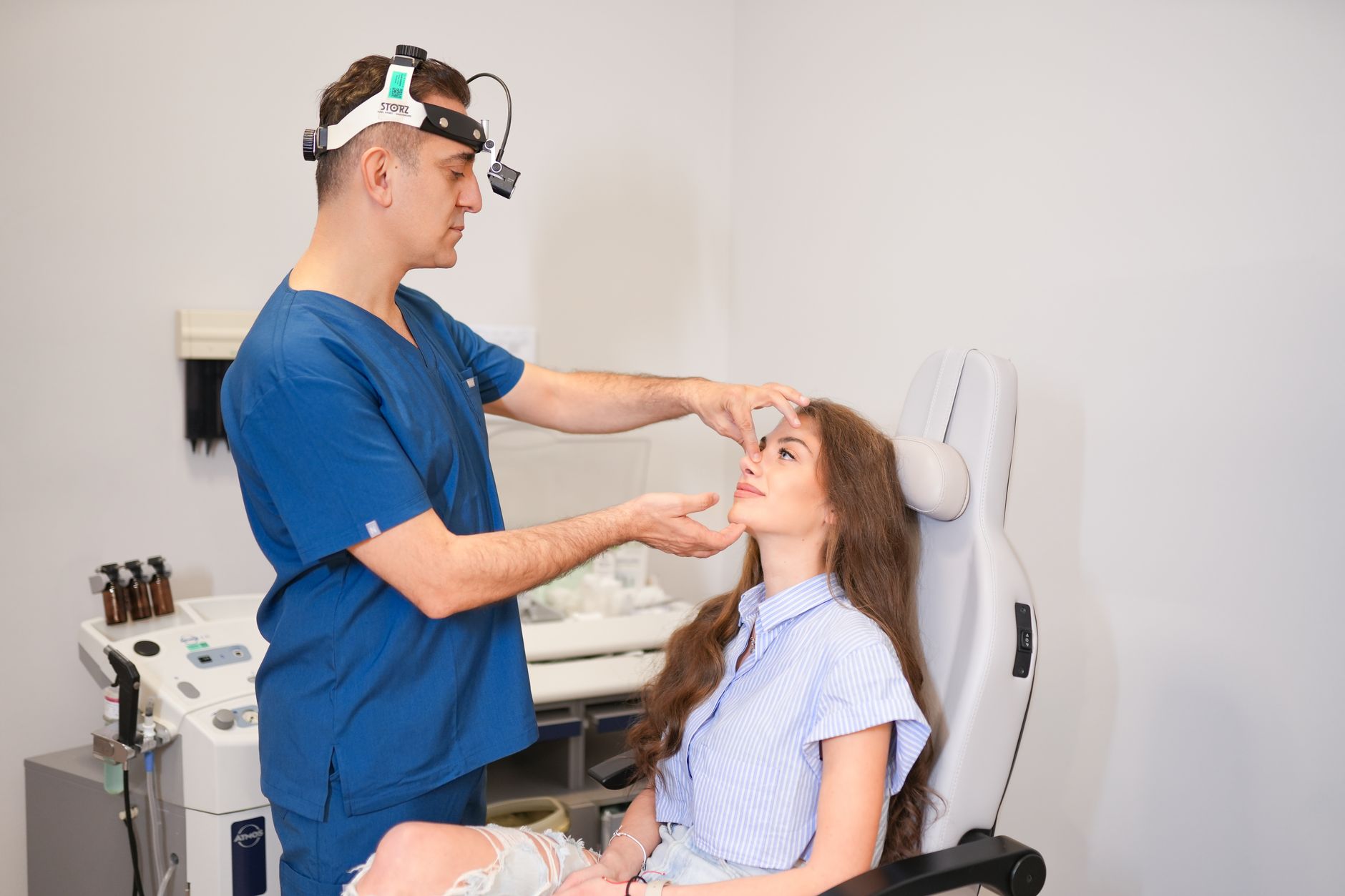
Sub-specialisation is where Turkish medicine has invested heavily over the past two decades. A hospital may list 'orthopaedics', but the actual difference in your outcome often comes from whether your surgeon performs 50 knee replacements a year or 500.
For example, in ophthalmology you will find separate sub-specialties for retina, cornea, glaucoma, refractive surgery and paediatric ophthalmology. In neurosurgery, teams split between brain tumours, vascular neurosurgery, spine and functional neurosurgery. In fertility, some clinics focus on advanced IVF while others excel in recurrent miscarriage or fertility preservation.
Ask directly: How many procedures like mine does this surgeon perform annually? and Is there a sub-specialty clinic for my exact condition? Turkish hospitals are generally comfortable answering these questions because their structure is built around this kind of transparency.
Sub-specialty clinics also tend to have tighter, faster pathways. You may have your imaging reviewed, your surgery scheduled and your follow-up plan created by the same small team - which reduces miscommunication and waiting times.
Multidisciplinary Units and Tumor Boards
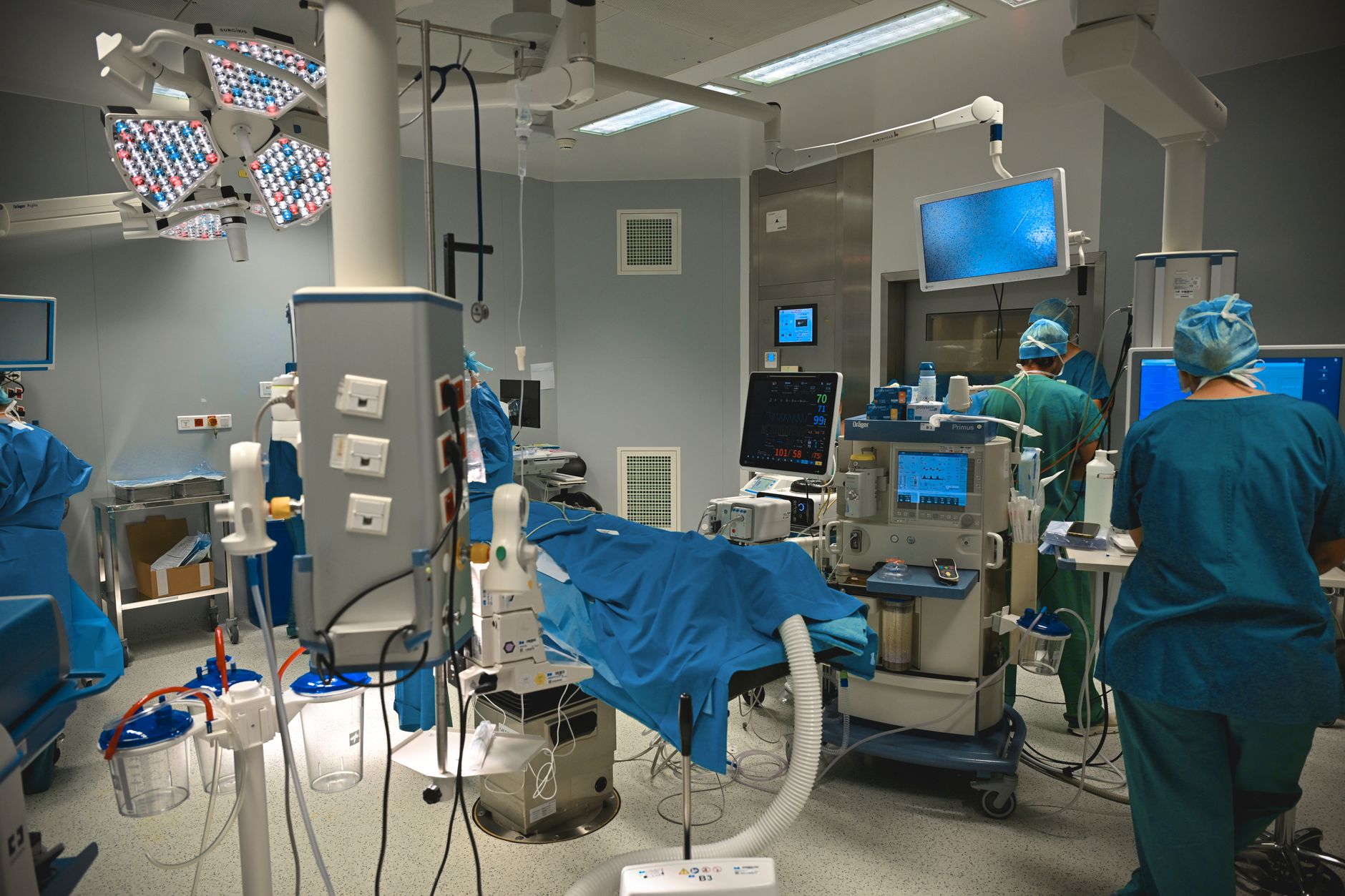
Some conditions cannot be handled well by one specialist alone. Cancer is the clearest example. In a Turkish oncology centre, your case may be reviewed by a multidisciplinary team - a medical oncologist, radiation oncologist, surgeon, radiologist and pathologist sitting together.
These meetings are often called tumor boards or multidisciplinary councils. They produce a single, coordinated treatment plan rather than a series of isolated opinions. For patients traveling from abroad, this is extremely valuable: you get a consolidated recommendation you can compare across hospitals.
The same model applies in transplant centres, high-risk pregnancy units, paediatric cardiac surgery and complex orthopaedic reconstruction. The presence of a formal multidisciplinary unit is usually a marker of a hospital's depth, not just its size.
When evaluating hospitals, ask whether your case will be discussed in a multidisciplinary meeting and whether you can receive a written summary of that discussion. Most leading Turkish hospitals will provide this for international patients.
How to Match Yourself to the Right Department
Start with your diagnosis or suspected diagnosis, not the procedure name. Write it down in plain language, then translate it into a specialty. Persistent acid reflux might point to gastroenterology; a meniscus tear to orthopaedics; abnormal uterine bleeding to gynaecology.
Next, look for the sub-specialty. If you have a heart rhythm problem, search for 'electrophysiology' rather than just 'cardiology'. If you need a hip revision, look for 'revision arthroplasty' or 'adult reconstruction'. Turkish hospital websites often list these terms explicitly.
Finally, check whether a multidisciplinary unit exists for your condition. If yes, request a consultation with that unit rather than an individual doctor. You will typically get a more complete assessment and a clearer roadmap for your stay.
Transparency as a Turkish Advantage
Türkiye's hospital system has become a major medical tourism destination partly because it makes information accessible. Department lists, surgeon biographies, accreditation certificates and international patient policies are usually published online in English, Arabic, German and Russian.
This transparency extends to pricing and logistics. Many hospitals provide package quotes that include consultation, surgery, hospitalization, medications and follow-up, which reduces uncertainty for first-time visitors.
It also means you can compare hospitals meaningfully. You are not choosing based on a glossy brochure alone; you are comparing subspecialty depth, multidisciplinary infrastructure and accreditation status.
Practical Checklist Before You Decide
Before committing to a Turkish hospital for a procedure new to you, run through a short checklist. Confirm the main specialty and sub-specialty that will handle your case. Ask whether a multidisciplinary team will review your file. Verify the hospital's accreditation and the surgeon's annual case volume.
Request a written treatment plan and a cost estimate in your language. Ask about follow-up care after you return home and whether the hospital provides remote consultations. Finally, speak with the international patient department to confirm visa, transfer and accommodation support.
With this map in hand, Turkish hospitals stop feeling like a maze. They become what they are designed to be: a structured, transparent system you can navigate confidently - even for a procedure you have never faced before.
Thinking about treatment in Turkey?
Share your contact details and a verified doctor will follow up with a plan built around you — free, no obligation.