

The Silent Struggle of Hearing Loss and Chronic Ear Infections
Hearing is one of the most precious senses we possess, yet millions of people around the world quietly endure its loss. A perforated eardrum, recurrent middle-ear infections, or a persistent discharge that never quite heals can turn everyday life into a challenge. Conversations become exhausting, music loses its richness, and the simple act of following a discussion in a crowded room turns into a daily battle.
For many patients, the root cause lies in the tympanic membrane—the delicate, paper-thin eardrum that vibrates to carry sound into the inner ear. When it is torn by infection, trauma, or chronic disease, hearing diminishes and the risk of further infection rises. Over time, a small perforation can lead to significant conductive hearing loss, and the emotional toll can be just as profound as the physical one.
Fortunately, modern otology offers a highly effective solution: tympanoplasty, a microsurgical procedure that repairs the eardrum and restores the mechanics of hearing. In Türkiye, this surgery has reached a remarkable level of refinement, thanks to experienced otology teams, advanced microscopy, and a patient-centred approach that welcomes international visitors with genuine warmth.
What Is Tympanoplasty and Why Does Precision Matter?
Tympanoplasty is a surgical procedure designed to reconstruct a perforated or damaged tympanic membrane, often using the patient's own tissue—typically a small piece of fascia from the temporalis muscle—as a graft. The goal is twofold: to close the perforation and to improve or preserve hearing. In many cases, the surgeon also inspects and repairs the tiny ossicles, the three bones of the middle ear that transmit sound vibrations.
Because the structures involved are measured in millimetres, the margin for error is extraordinarily small. A graft placed slightly off-centre, a scar that restricts movement, or an unnoticed infection can compromise the outcome. This is why high-magnification microscopy is indispensable. Under a surgical microscope, the surgeon can visualise the eardrum and middle ear with stunning clarity, ensuring that every movement is deliberate and every graft is positioned for optimal healing.
Turkish otology teams have embraced these technologies wholeheartedly. Many hospitals in Istanbul, Ankara, and Izmir are equipped with state-of-the-art operating microscopes and endoscopic systems, allowing surgeons to choose the approach that best suits each patient's anatomy and condition.
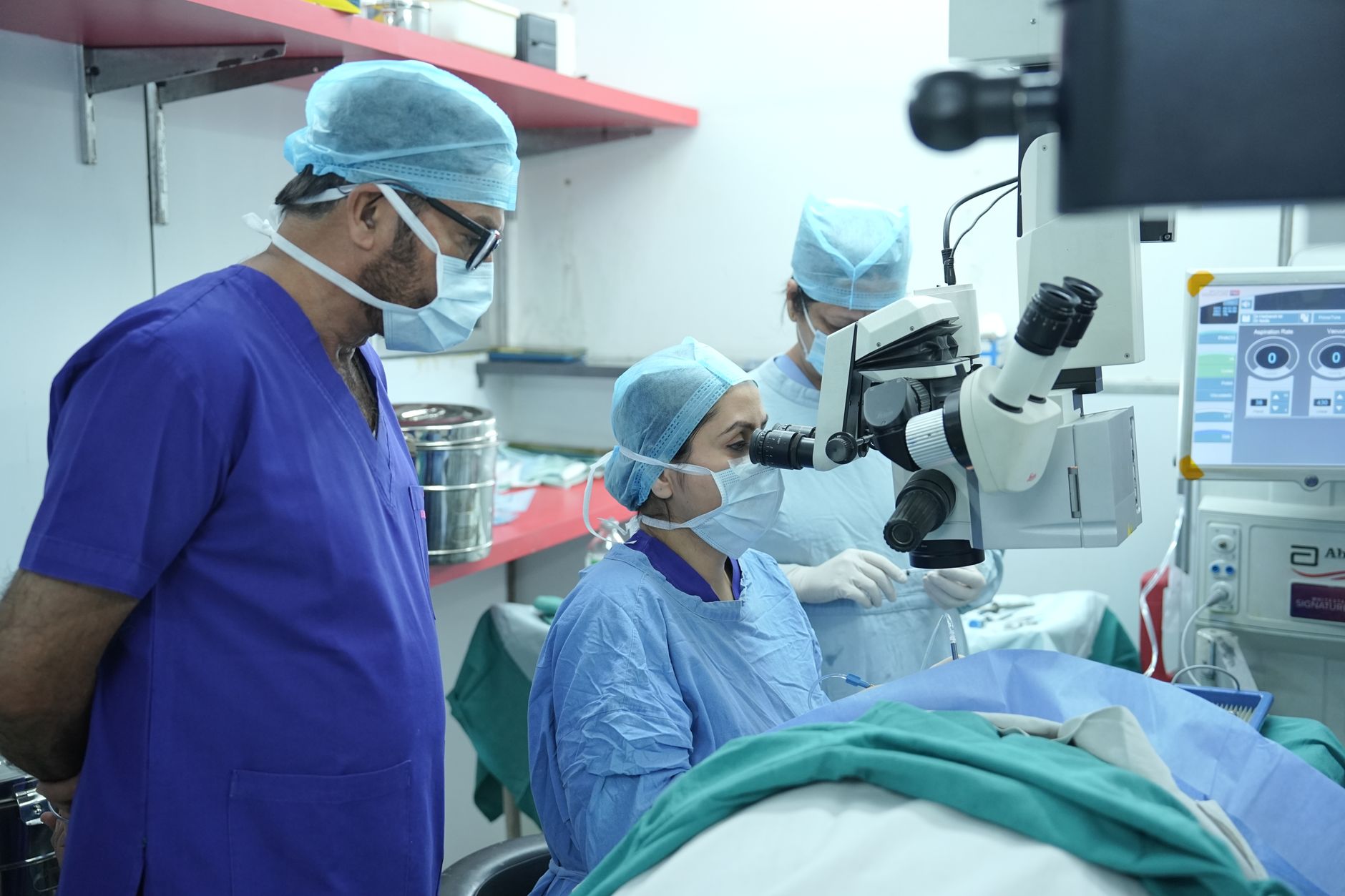
High-Magnification Microscopy and Endoscopic Ear Surgery
Traditional tympanoplasty is performed under a microscope, which provides a magnified, three-dimensional view of the surgical field. This remains the gold standard for many cases, particularly when extensive reconstruction is needed. However, endoscopic ear surgery has emerged as a powerful complement. Using a thin, rigid endoscope inserted through the ear canal, the surgeon gains a wide-angle view of areas that are difficult to reach with a microscope, such as the sinus tympani and the anterior epitympanum.
Endoscopic techniques often allow for less invasive surgery, with smaller incisions or even no external incision at all. This can mean less post-operative pain, faster recovery, and better cosmetic outcomes. In Türkiye, many otology teams are skilled in both microscopic and endoscopic approaches, and they tailor the technique to the individual patient rather than forcing every case into a single mould.
The combination of high-magnification microscopy and endoscopy enables surgeons to address chronic infections more thoroughly, remove diseased tissue with precision, and reconstruct the hearing mechanism with greater confidence. For patients with a history of failed surgeries or complex pathology, this dual expertise can be the difference between a lifetime of discharge and a return to normal hearing.
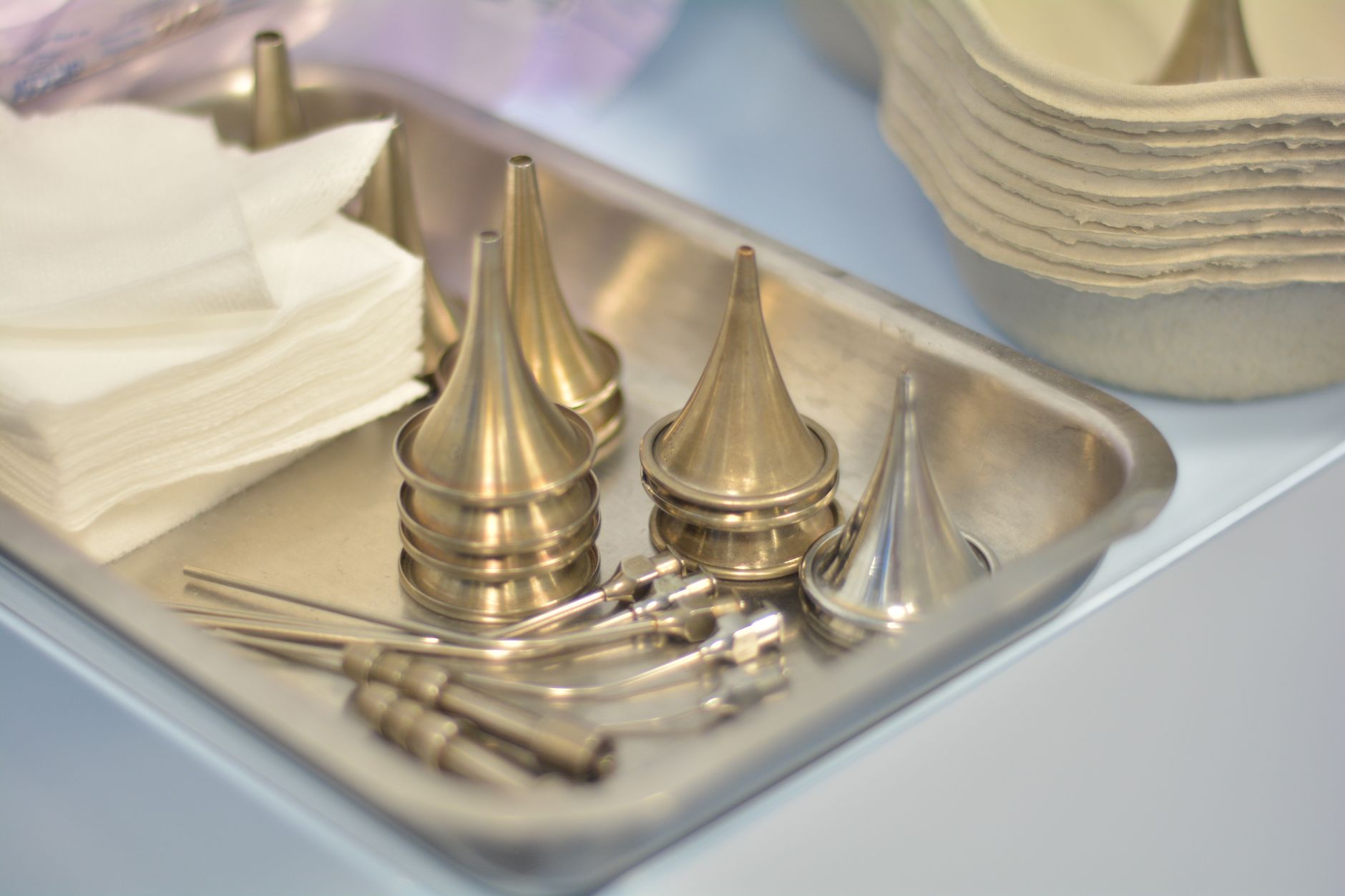
What International Patients Gain: Short Stays and Seamless Coordination
One of the most appealing aspects of undergoing ear microsurgery in Türkiye is the efficiency of the treatment process. Many tympanoplasty procedures require only a short hospital stay—often one night or even same-day discharge in selected cases. This is possible because Turkish hospitals combine advanced surgical techniques with well-organised clinical pathways and experienced nursing care.
For international patients, the journey typically begins long before departure. Reputable clinics offer detailed pre-travel audiology assessments, often conducted remotely through telemedicine or in coordination with local audiologists. Patients are asked to provide audiograms, imaging, and medical history so that the surgical team can plan the procedure in advance. This preparation reduces uncertainty and ensures that the time spent in Türkiye is focused on treatment and recovery.
After surgery, patients receive clear aftercare instructions in multiple languages—English, Arabic, Russian, German, and others—covering wound care, medication, activity restrictions, and follow-up hearing tests. Many hospitals also provide a dedicated international patient coordinator who assists with appointments, translation, accommodation, and airport transfers, making the experience as stress-free as possible.
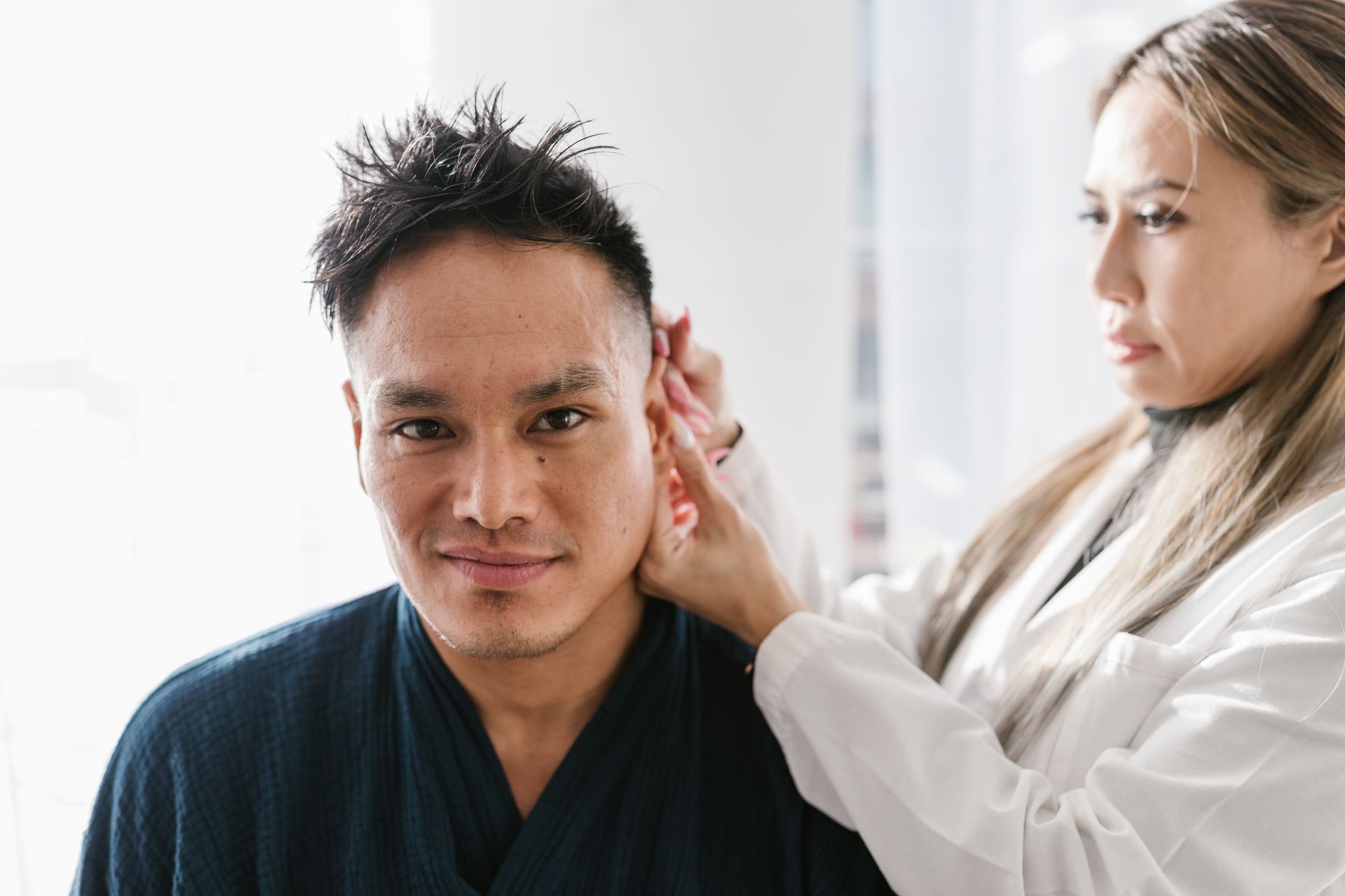
The Life-Changing Outcome: Restored Hearing and Renewed Confidence
For patients who have lived with hearing loss for years, the moment the dressings are removed and sound returns can be deeply emotional. Family members' voices become clear again. The television no longer needs to be turned up to maximum. Background noise in a café no longer drowns out conversation. These may seem like small things, but for someone who has gradually withdrawn from social life, they represent a profound return to connection.
Restoring hearing also has broader health benefits. Chronic ear infections that once required repeated courses of antibiotics may resolve completely after surgery. The risk of complications such as cholesteatoma or mastoiditis decreases. Patients often report improved balance, less tinnitus, and better sleep. The psychological impact is equally significant: greater independence, reduced anxiety, and renewed confidence in professional and personal settings.
Turkish otology teams take pride in these outcomes, and they follow up with patients long after they return home. Many clinics offer remote consultations and coordinate with local ENT specialists to ensure that healing progresses as expected. This continuity of care reflects a genuine commitment to each patient's long-term well-being.
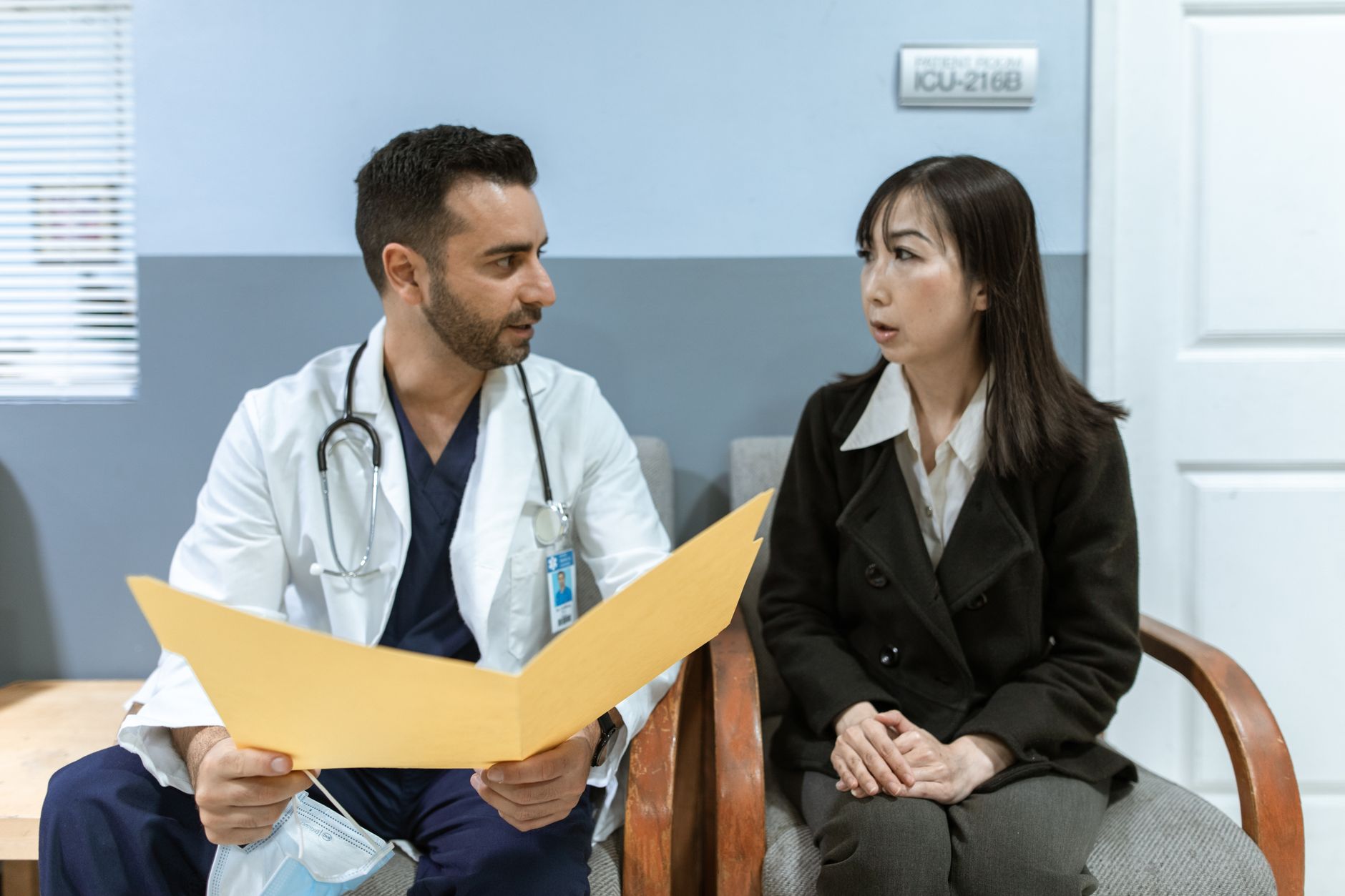
The Warmth of Turkish Hospital Hospitality
Türkiye has long been renowned for its hospitality, and this extends naturally into its healthcare system. International patients frequently describe Turkish hospitals as welcoming, clean, and surprisingly comfortable. Staff members go out of their way to make patients feel at ease, from offering Turkish tea in the waiting room to arranging a familiar meal after surgery.
This warmth is not merely a nice extra—it contributes to recovery. Reduced stress, feeling understood, and being treated as a person rather than a case number all support the healing process. Many patients return home not only with better hearing but also with fond memories of the people who cared for them.
If you are considering tympanoplasty or other ear microsurgery, Türkiye offers a compelling combination: world-class otology expertise, advanced microscopic and endoscopic techniques, efficient treatment timelines, and a genuinely caring environment. For those seeking to restore hearing and reclaim their quality of life, it may be the destination that changes everything.
Thinking about treatment in Turkey?
Share your contact details and a verified doctor will follow up with a plan built around you — free, no obligation.