

Why Türkiye Leads in Laparoscopic Digestive Surgery
Türkiye has become a global hub for minimally invasive abdominal surgery, and for good reason. Hospitals across Istanbul, Ankara and Izmir perform thousands of laparoscopic cholecystectomies every year, giving their surgical teams a level of routine expertise that is hard to match elsewhere. When a procedure is done this often, the entire pathway — from imaging to discharge — becomes a well-oiled machine.
For international visitors, this volume translates into shorter waiting times, transparent pricing, and a genuine culture of hospitality that extends into the clinical setting. Turkish hospitals are not just efficient; they are welcoming, with international patient departments that speak English, Arabic, Russian, German and more.
In this guide, we walk you through what to expect before, during and after laparoscopic gallbladder or digestive surgery in Türkiye, so you can plan your trip with confidence.
Understanding Laparoscopic Cholecystectomy and Keyhole Digestive Procedures
Laparoscopic cholecystectomy is the gold standard for removing a diseased gallbladder. Instead of a large abdominal incision, the surgeon makes a few small keyhole cuts, inserts a camera and specialised instruments, and removes the gallbladder with minimal trauma to surrounding tissue. Most patients are discharged within 24 to 48 hours and can fly home within a week.
The same keyhole approach is used for other digestive procedures, including appendix removal, hernia repair, hiatal hernia surgery, and diagnostic laparoscopy for unexplained abdominal pain. Because the incisions are tiny, post-operative pain is reduced, scarring is minimal, and the risk of infection is lower than with open surgery.
Turkish surgeons are also experienced in treating complex biliary cases, such as common bile duct stones, often in the same session using choledochoscopy or ERCP when needed. This integrated approach means fewer separate procedures and a faster return to normal life.
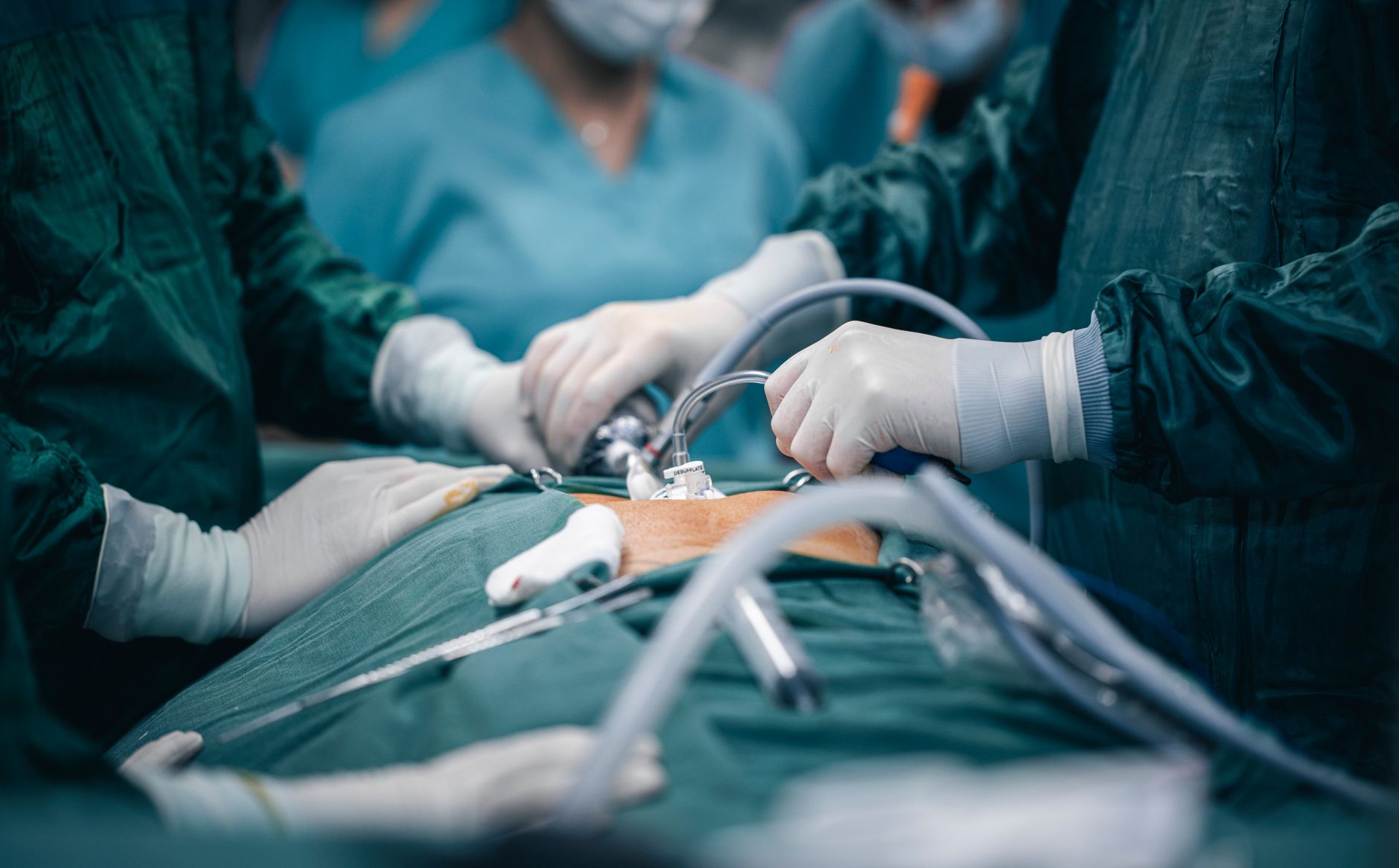
Pre-Operative Imaging and Assessment: What Happens Before Your Surgery
Before any operation, you will undergo a thorough pre-operative assessment. In Türkiye, this typically includes blood tests, an electrocardiogram (ECG), and imaging such as abdominal ultrasound, CT scan, or MRI/MRCP to map the biliary anatomy. These tests are usually completed within a day or two of your arrival, thanks to the efficiency of private hospital networks.
If you have existing medical records, bring them along — your Turkish surgical team will review them alongside the new imaging. This collaborative review ensures that any underlying conditions, such as diabetes or heart disease, are managed safely before anaesthesia.
You will also meet your anaesthesiologist, who will discuss your medical history, allergies, and any previous reactions to anaesthesia. This consultation is a key part of the safety protocol and gives you a chance to ask questions. Most hospitals provide interpreter services so nothing is lost in translation.
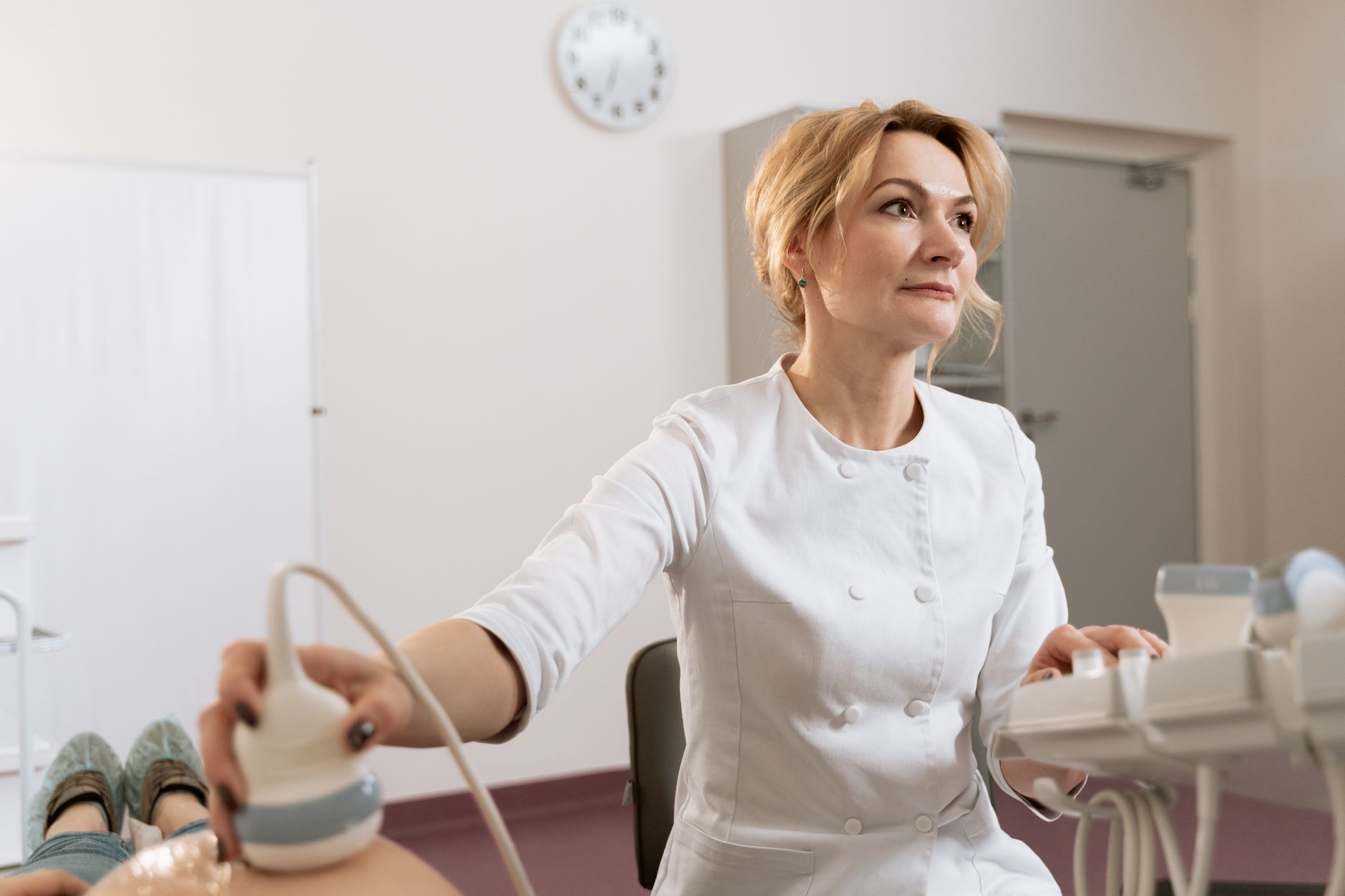
Anaesthesia Standards in Turkish Hospitals
Turkish hospitals adhere to European and international anaesthesia guidelines, and many are accredited by JCI (Joint Commission International) or ISO. Anaesthesia is administered by board-certified anaesthesiologists who specialise in laparoscopic procedures and use modern, short-acting agents that allow for rapid awakening and fewer side effects.
During surgery, you will be continuously monitored with advanced equipment tracking heart rate, blood pressure, oxygen saturation, and carbon dioxide levels. For laparoscopic cases, the anaesthesia team is particularly attentive to respiratory function, as the carbon dioxide used to inflate the abdomen can affect breathing. This is routine for them, and safety records are excellent.
After surgery, you will be taken to a recovery room where nurses monitor you closely before moving you to your private room. Pain is managed with a combination of local anaesthetic at the incision sites, non-opioid analgesics, and, if needed, short-term opioids. The goal is to keep you comfortable without excessive sedation.
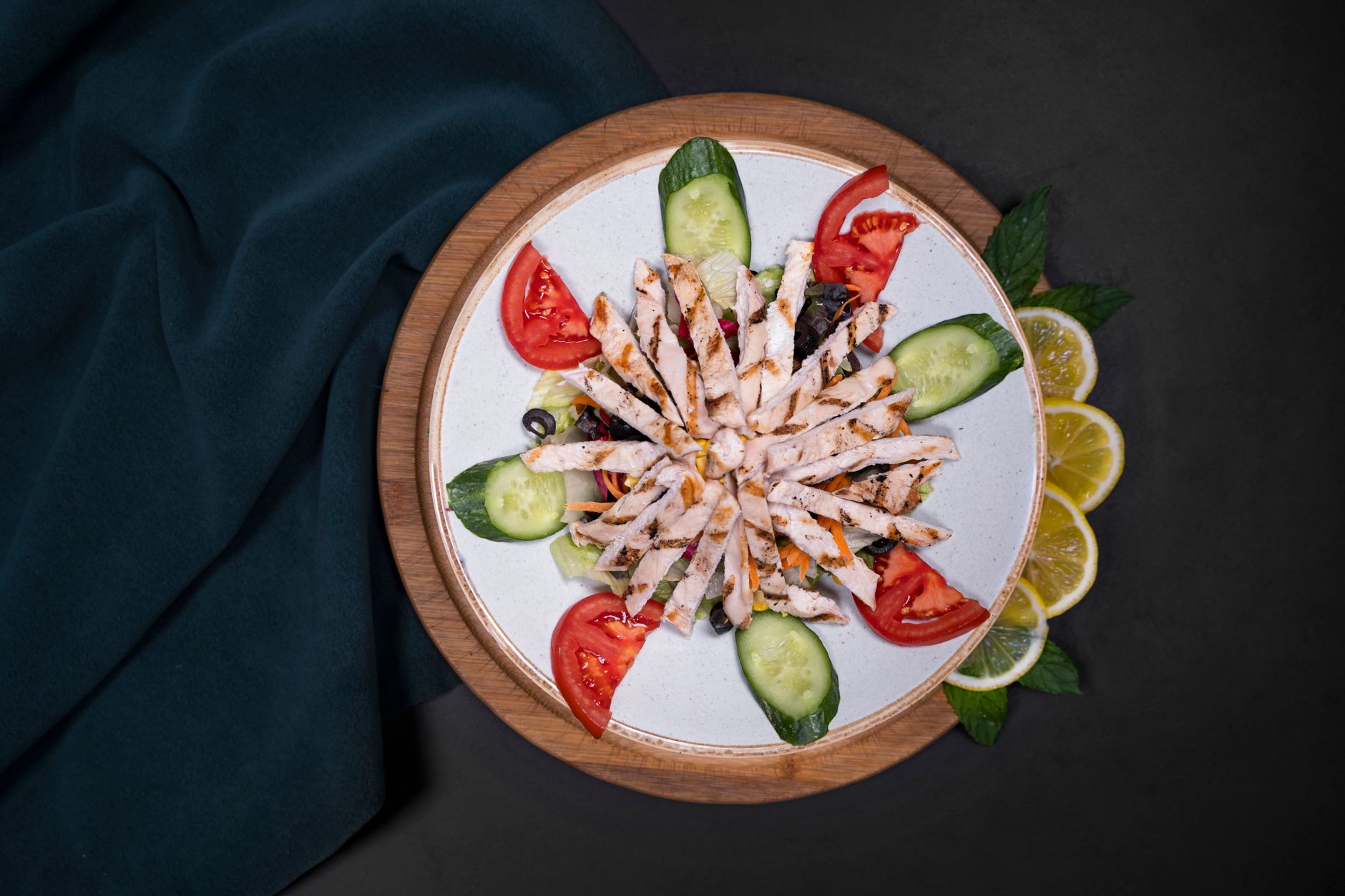
Dietary Guidance Before Flying Home
One of the most common questions from international patients is: what can I eat after gallbladder removal? Turkish dietitians are well prepared to guide you. Immediately after surgery, you will start with clear liquids, then progress to soft, low-fat foods. By the time you are discharged, you will receive a personalised dietary plan in English (or your preferred language).
Generally, you should avoid heavy, greasy, or spicy meals for the first two to four weeks. Instead, focus on lean proteins, cooked vegetables, whole grains, and plenty of fluids. Small, frequent meals are easier on your digestive system than large ones. Your dietitian will also advise on fibre intake to prevent constipation, which can strain incisions.
Before your flight home, your surgeon will confirm that you are fit to travel. Most patients can fly 5 to 7 days after a straightforward laparoscopic cholecystectomy. During the flight, drink water, move your legs regularly, and avoid carbonated drinks if you feel bloated. A light meal before boarding is best.
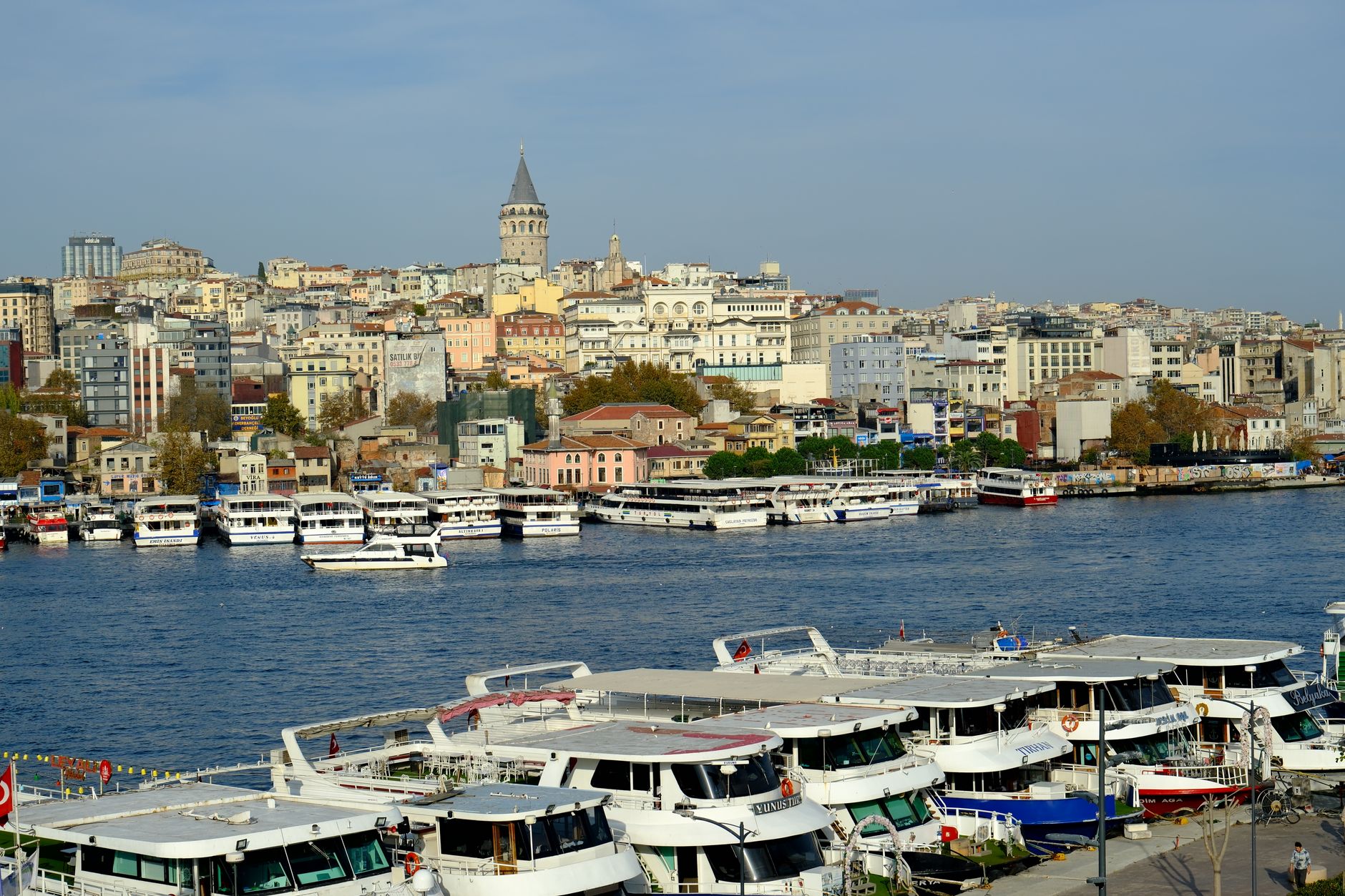
Recovery Timeline and Comfort Tips for Visitors
Recovery after laparoscopic surgery is remarkably quick. You will be encouraged to walk within hours of waking up, which helps prevent blood clots and stimulates bowel function. Shoulder pain is common for a day or two due to residual carbon dioxide gas — it is harmless and fades with gentle movement.
Most international patients spend one night in the hospital and move to a hotel the next day. Choose a hotel close to the hospital for your first few days, and arrange for easy transport. Istanbul Medical Tourism can help you select accommodation that suits your needs.
Take short walks, avoid heavy lifting for two weeks, and keep your incisions clean and dry. Your hospital will provide a contact number for any concerns. Follow-up can often be done via video call after you return home, with your local doctor handling wound checks if necessary.
Why International Patients Choose Türkiye for Digestive Surgery
Türkiye combines high-volume surgical expertise, modern facilities, and a warm welcome for visitors. The cost of laparoscopic gallbladder surgery in Türkiye is typically 50–70% less than in Western Europe or the USA, without compromising quality. Many hospitals offer all-inclusive packages covering surgery, hospital stay, medications, and transfers.
Beyond the operating room, you can recover in a country known for its rich history, beautiful coastlines, and delicious cuisine — adapted to your dietary needs, of course. Whether you stay in Istanbul or relax in Antalya, you will find that Turkish hospitality makes a stressful time much easier.
If you are considering gallbladder or laparoscopic digestive surgery abroad, Türkiye offers a compelling combination of safety, speed, and comfort. Contact Istanbul Medical Tourism today to start planning your personalised treatment journey.
Thinking about treatment in Turkey?
Share your contact details and a verified doctor will follow up with a plan built around you — free, no obligation.