

Türkiye: A Rising Hub for Advanced Glaucoma Care
Türkiye has become a preferred destination for international patients seeking high-quality eye care, and glaucoma management is no exception. With state-of-the-art clinics in Istanbul, Ankara, Izmir and Antalya, the country offers a unique blend of medical expertise, modern technology and affordable pricing. For patients living abroad, the prospect of combining effective treatment with a culturally rich travel experience is highly appealing.
Glaucoma is not a single disease but a group of conditions that damage the optic nerve, often due to elevated intraocular pressure (IOP). It is a leading cause of irreversible blindness worldwide, yet with early detection and consistent management, vision loss can be slowed or halted. Turkish ophthalmologists are well-versed in the latest surgical and laser techniques, and they place a strong emphasis on long-term follow-up—a critical component for patients who return home after treatment.
What sets Türkiye apart is not only the technology but also the patient-centric approach. Clinics catering to international patients provide multilingual staff, comprehensive diagnostic packages and detailed discharge summaries that can be shared with the patient's local ophthalmologist. This continuity of care is essential because glaucoma requires lifelong monitoring, even after successful surgery.
Comprehensive Diagnostic Workup: The Foundation of Effective Treatment
Before any intervention, Turkish glaucoma specialists conduct a thorough evaluation to understand the type and severity of the disease. This typically includes visual field testing to map peripheral vision, optical coherence tomography (OCT) to measure retinal nerve fiber layer thickness, and tonometry to record IOP. Gonioscopy is performed to assess the drainage angle, distinguishing between open-angle and angle-closure glaucoma.
Advanced imaging such as OCT angiography may also be used to evaluate blood flow in the optic nerve head. These tests are repeated over time to detect progression, and the data guides the choice of treatment—whether topical medications, laser therapy or surgery.
For visiting patients, the diagnostic process is often condensed into a few days without compromising quality. Clinics coordinate appointments efficiently, and results are explained in clear, understandable terms. A baseline record is established, which becomes invaluable for future comparisons, whether in Türkiye or abroad.
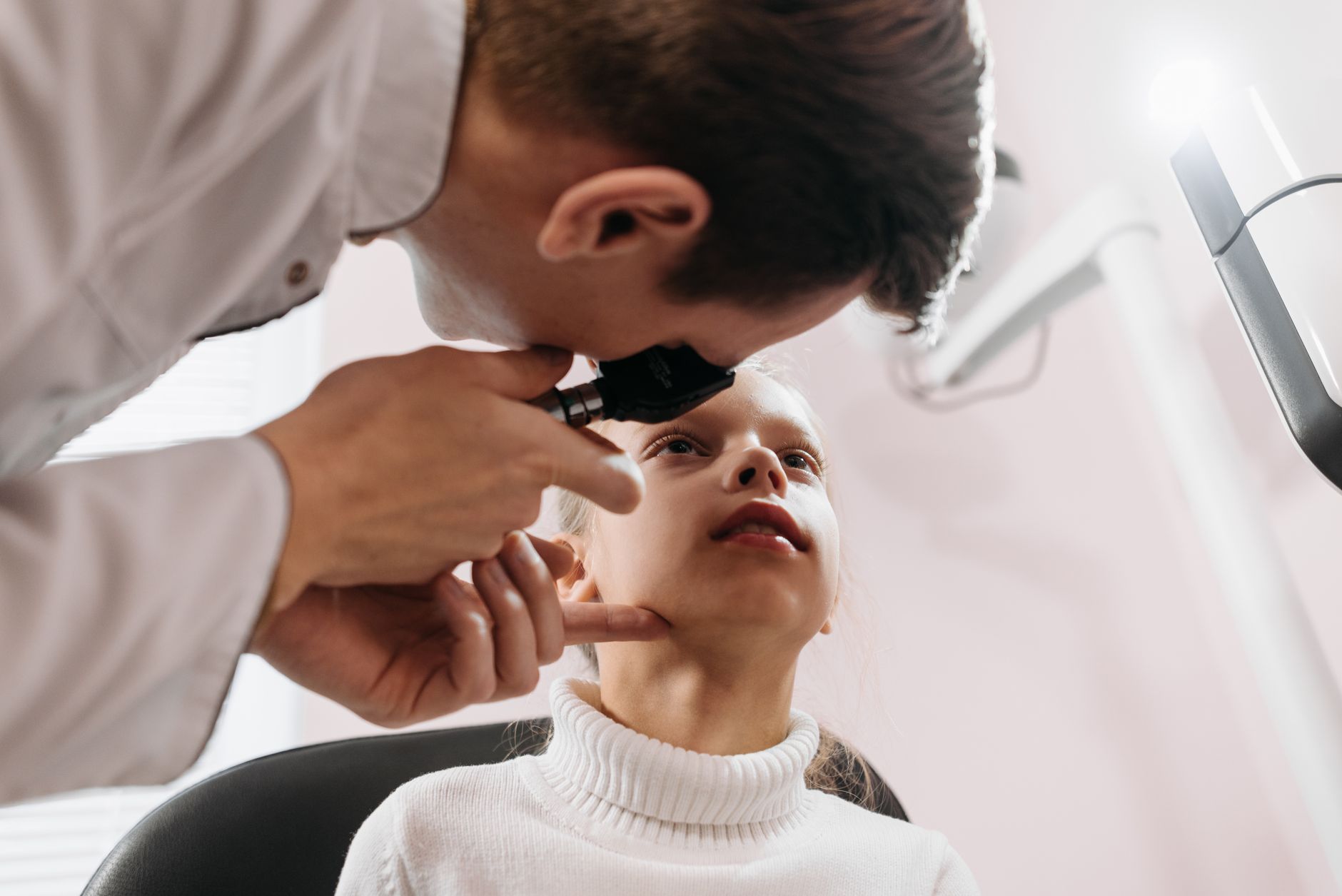
Modern Surgical Options: Drainage Devices and Minimally Invasive Techniques
When medications and laser therapy fail to control IOP, surgery becomes necessary. Turkish surgeons are proficient in both traditional and cutting-edge procedures. Trabeculectomy, the gold standard for decades, creates a new drainage pathway for aqueous humor. It remains highly effective but requires meticulous post-operative care.
For patients seeking less invasive options, Minimally Invasive Glaucoma Surgery (MIGS) has revolutionised the field. Devices such as the iStent, Hydrus Microstent and Xen Gel Stent are implanted to enhance outflow with fewer complications and faster recovery. Turkish clinics have embraced these technologies, offering them alongside traditional approaches.
Glaucoma drainage devices (GDDs) like the Ahmed Valve and Baerveldt implant are reserved for complex or refractory cases. These devices shunt fluid to a reservoir, effectively lowering IOP. Surgeons in Türkiye are experienced in implanting these devices and managing their long-term function.
Laser options are also a cornerstone of treatment. Selective Laser Trabeculoplasty (SLT) is a non-invasive procedure that stimulates the trabecular meshwork to improve drainage. It can be repeated and is often used as a first-line therapy. Laser peripheral iridotomy (LPI) is performed for angle-closure glaucoma to create a hole in the iris, relieving pressure. These procedures are quick, performed on an outpatient basis, and require minimal downtime—ideal for medical travellers.
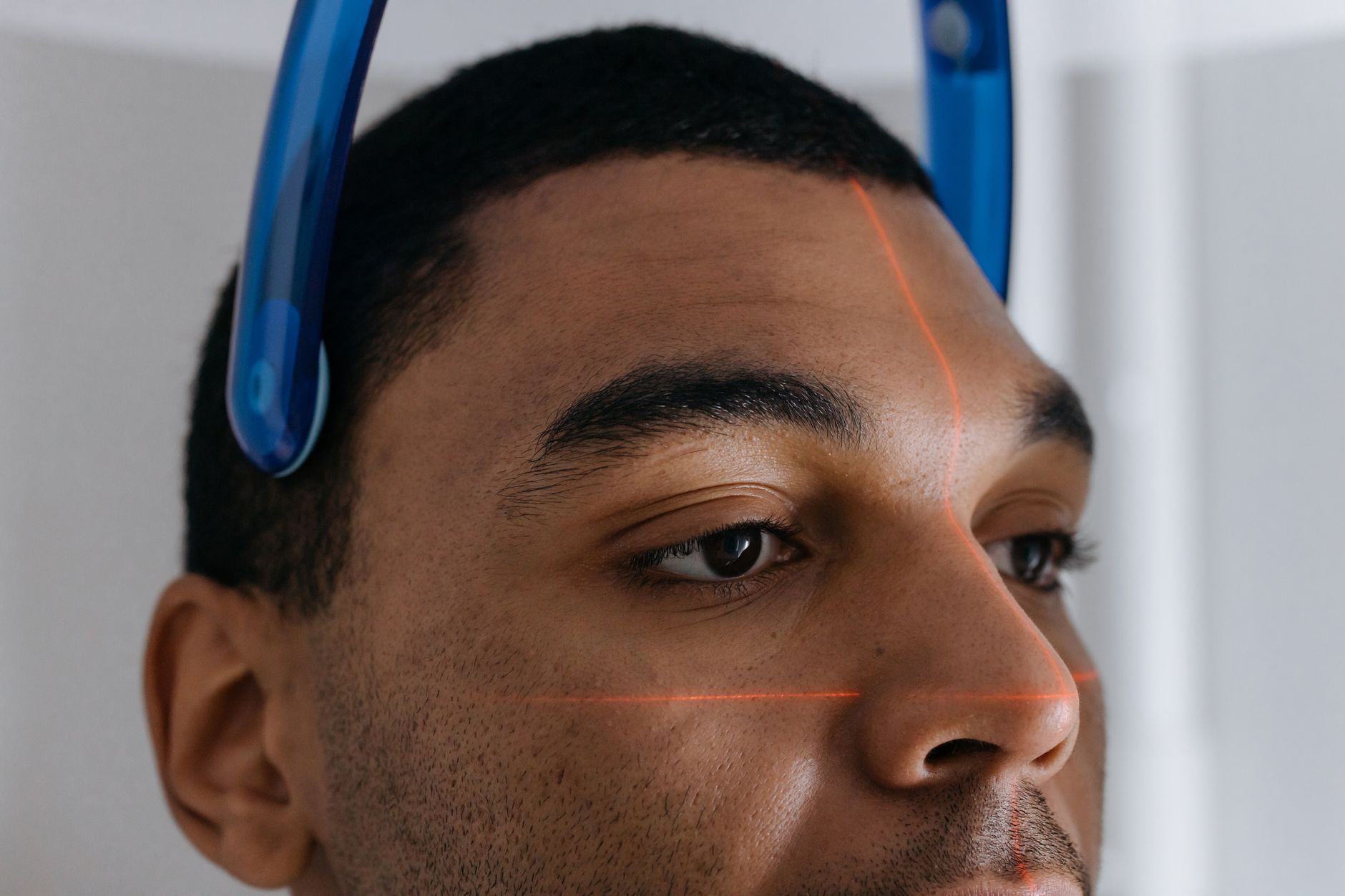
Personalised Treatment Plans Tailored to International Patients
Each glaucoma patient is unique, and Turkish specialists design personalised treatment plans that consider the type of glaucoma, the rate of progression, the presence of other eye conditions, and the patient's lifestyle. For international patients, the plan also accounts for travel logistics and the availability of follow-up care back home.
Before returning to their home country, patients receive a detailed report including diagnostic findings, surgical details, medications, and a recommended monitoring schedule. This document is shared with the patient's local ophthalmologist to ensure seamless continuity. Turkish clinics often offer telemedicine follow-ups for preliminary assessments, reducing the need for frequent international travel.
It's important to understand that glaucoma is managed long-term, not cured. Surgery and laser treatments can slow or halt progression, but the disease requires ongoing monitoring. Patients must commit to regular eye exams, adhere to prescribed eye drops, and communicate any changes in vision to their eye care team.
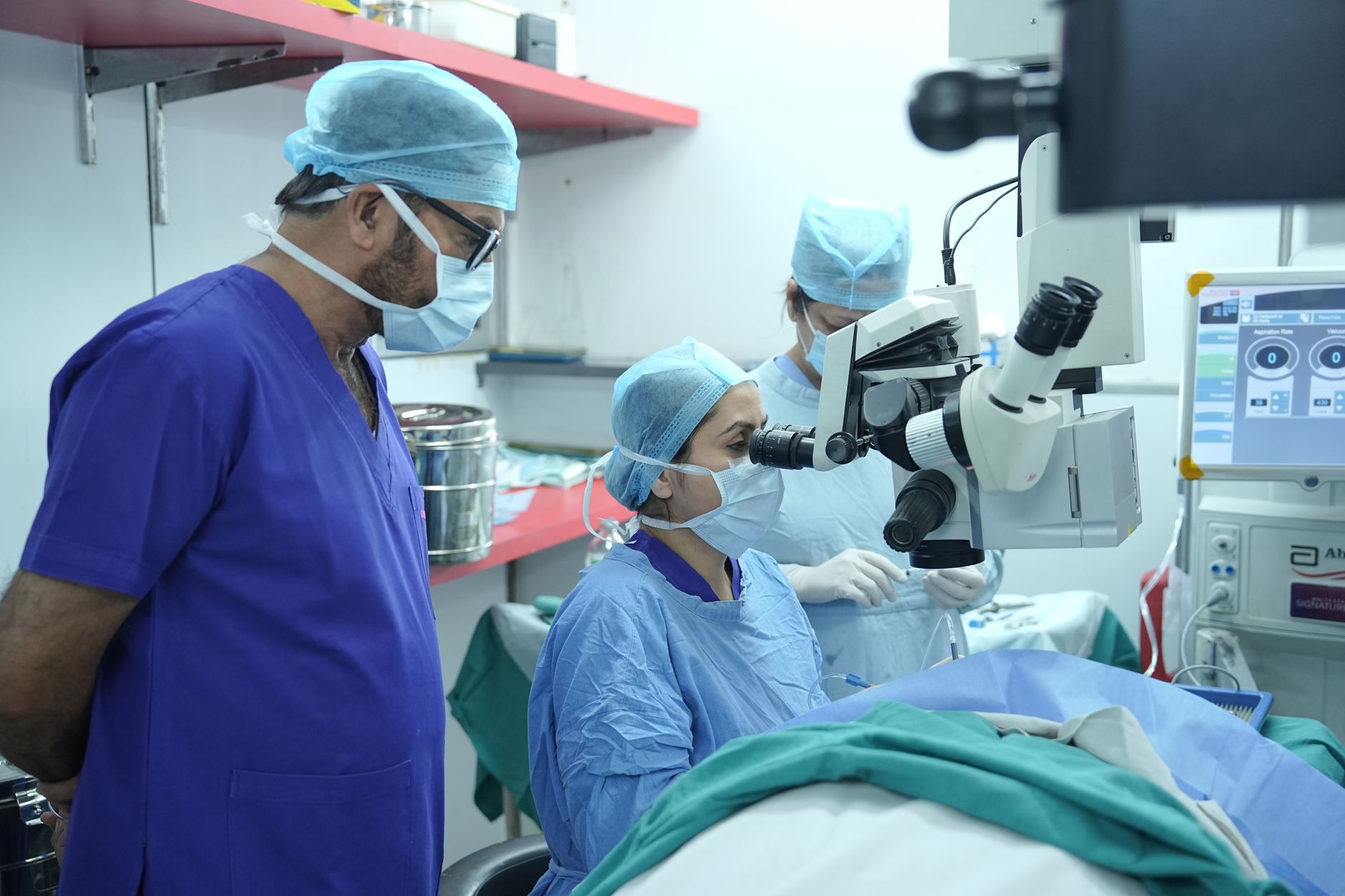
Meticulous Follow-Up Planning: Ensuring Continuity of Care
Post-operative care is critical for surgical success. After glaucoma surgery, patients typically need frequent follow-up visits in the first few weeks to monitor IOP, check for complications, and adjust medications. Turkish clinics schedule these visits before the patient returns home, and they provide clear instructions on what to do in case of emergency.
A typical follow-up schedule might include visits at 1 day, 1 week, 1 month, 3 months, 6 months, and then every 6–12 months. For patients who live abroad, the first few visits may need to be in Türkiye. Some clinics offer accommodation packages near the hospital to make this convenient.
Once the patient is stable, the local ophthalmologist can take over routine monitoring. The Turkish clinic remains available for consultations, and some offer shared-care models where they collaborate with the local doctor. This partnership ensures that the patient receives consistent care regardless of location.
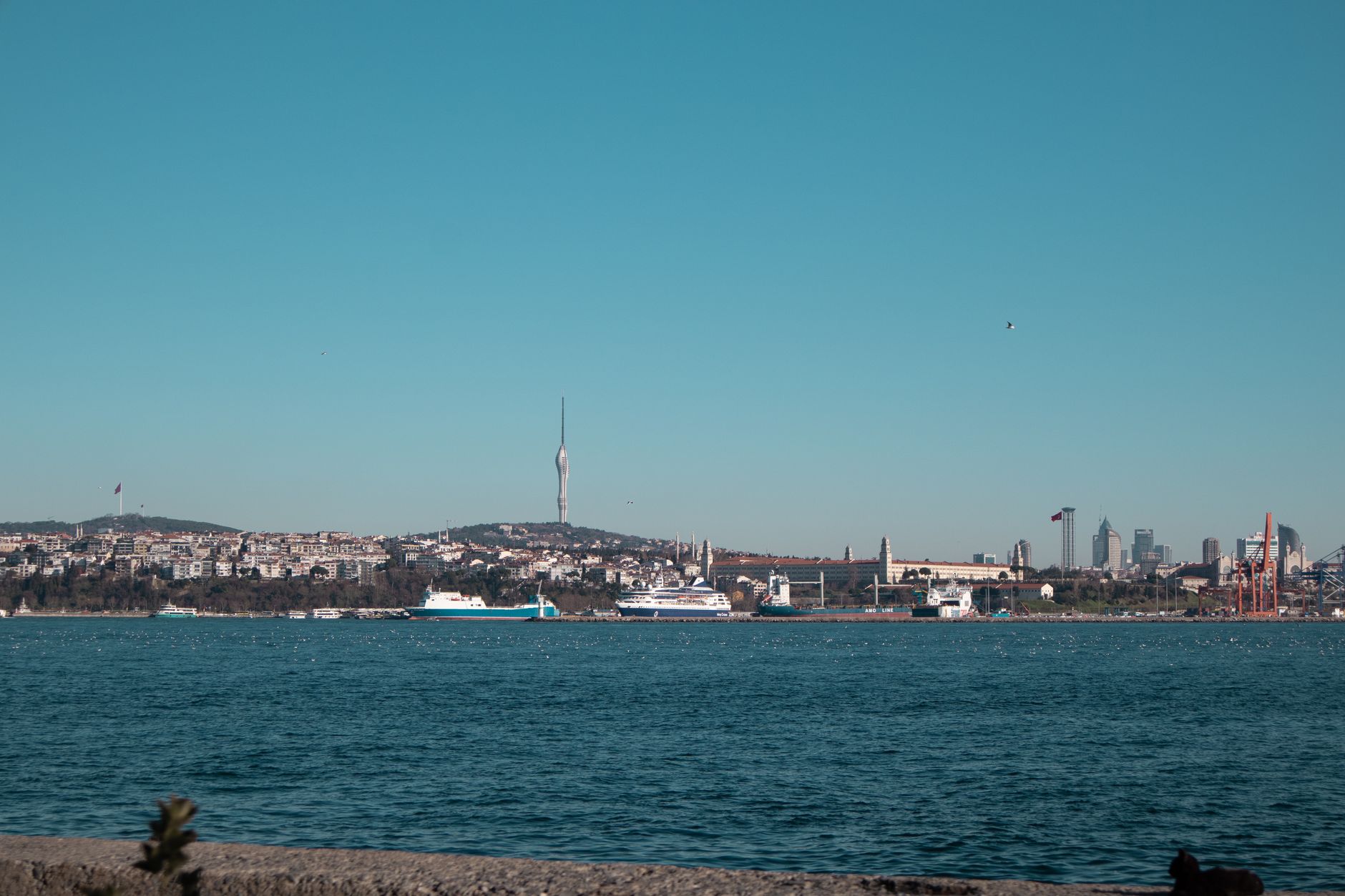
Why Choose Türkiye for Glaucoma Care?
Türkiye offers a compelling combination of advanced medical technology, skilled surgeons, and competitive pricing. Many Turkish ophthalmologists have trained in Europe or the United States and are members of international societies. Hospitals are equipped with the latest diagnostic and surgical tools, often exceeding those found in other regions.
Moreover, the cost of glaucoma surgery in Türkiye is significantly lower than in Western Europe or North America, without compromising quality. Patients can save 50–70% on procedures while enjoying a pleasant recovery in a country known for its hospitality.
Beyond medical care, Türkiye is a treasure trove of history and culture. Patients can recuperate while exploring Istanbul's historic sites, relaxing on Antalya's beaches, or experiencing the unique landscapes of Cappadocia. Many clinics assist with travel arrangements, making the journey stress-free.
Preparing for Your Glaucoma Treatment Journey
If you're considering glaucoma treatment in Türkiye, start by gathering your medical records, including previous eye exams, visual field tests, and OCT scans. Consult with a Turkish clinic via telemedicine to discuss your condition and receive a preliminary treatment plan. Plan to stay for at least 1–2 weeks for diagnostics and surgery, plus initial follow-up.
Arrange for a companion if possible, especially if you'll be undergoing surgery. Ensure you have travel insurance that covers medical procedures, and check visa requirements. Most importantly, maintain realistic expectations: glaucoma management is a marathon, not a sprint.
With Türkiye's expert care and your commitment to follow-up, you can protect your vision for years to come. The combination of world-class treatment and a memorable travel experience makes Türkiye a top choice for international patients seeking glaucoma care.
Thinking about treatment in Turkey?
Share your contact details and a verified doctor will follow up with a plan built around you — free, no obligation.