

Türkiye Leads the Way in Accessible Medical Travel
Türkiye has become one of the world's most sought-after destinations for medical tourism, welcoming hundreds of thousands of international patients every year. What is less widely known, but far more meaningful for many travellers, is how quickly Turkish hospitals, clinics and recovery hotels are investing in true accessibility for patients with limited mobility.
From the moment you land at Istanbul Airport to the day you return home, the journey is designed to be smooth, safe and respectful. Barrier-free transfers, step-free hospital routes, accessible patient rooms and staff specifically trained in mobility support are no longer rare exceptions. They are becoming a standard part of the Turkish medical travel experience.
This guide explores what patients using wheelchairs, walking aids or travelling with carers can expect in Türkiye in 2026, and why so many international patients describe the country as genuinely welcoming.
Barrier-Free Transfers: From Airport to Hospital to Hotel
Your medical journey in Türkiye often begins before you reach the hospital. Most major airports, including Istanbul Airport and Sabiha Gökçen, offer wheelchair assistance, accessible restrooms and lifts, priority lanes for passengers with reduced mobility, and staff who are used to supporting international healthcare travellers.
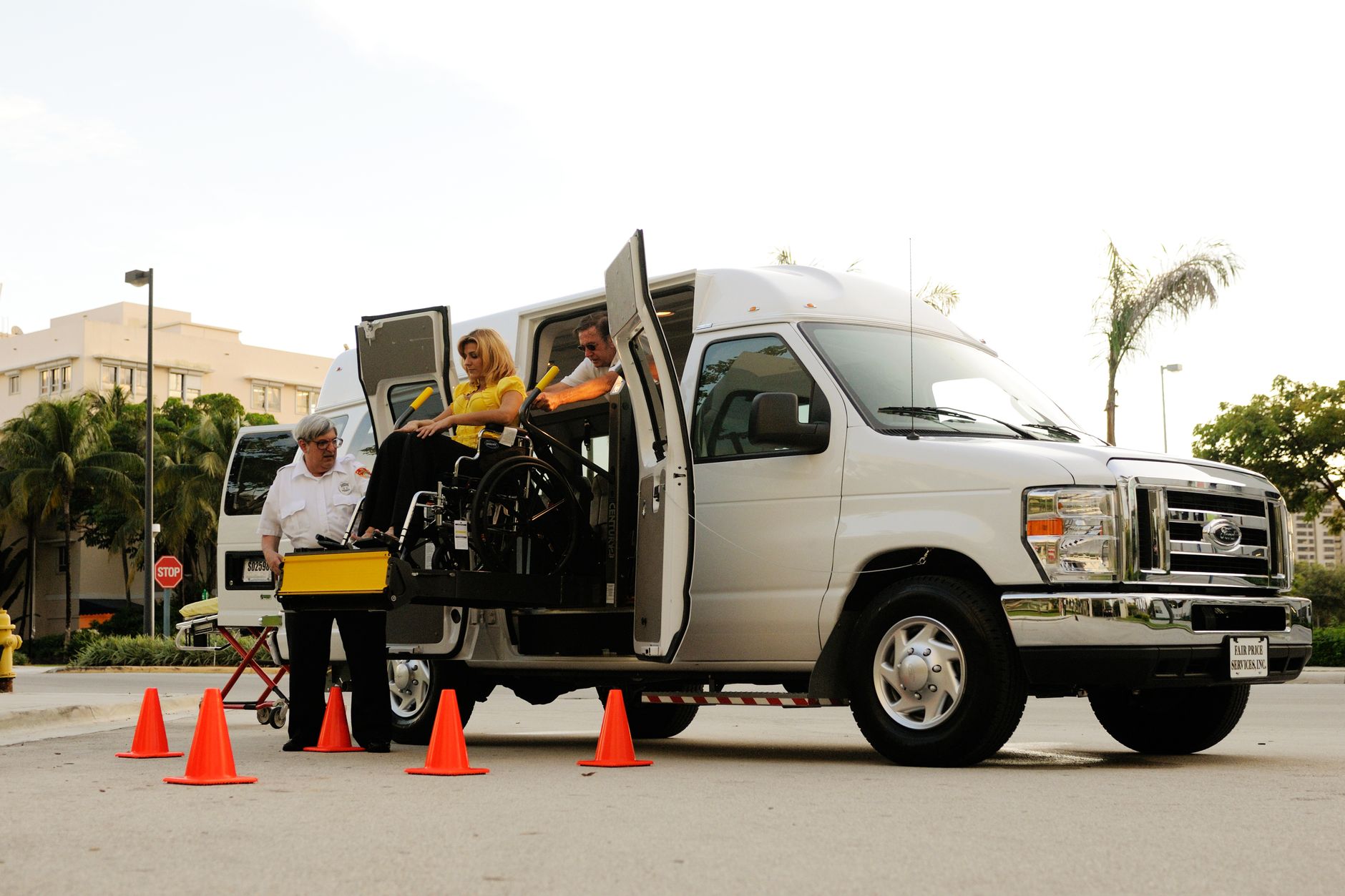
Many medical tourism agencies and private hospitals now provide door-to-door accessible transfers. This can mean a wheelchair-accessible van with a ramp or lift, trained drivers who understand how to assist with transfers, and a coordinator who meets you at arrivals and stays with you until you are checked in.
For patients travelling with carers, vehicles are typically spacious enough for a companion, luggage and medical equipment such as a folding wheelchair or walking frame. In popular medical travel cities like Istanbul, Ankara, Izmir and Antalya, these services are increasingly bookable in advance and included in treatment packages.
The result is a stress-free arrival: no improvised taxi transfers, no stairs to negotiate, and no uncertainty about whether your equipment will fit.
Hospital Accessibility: Step-Free Routes and Thoughtful Design
Turkish hospitals accredited by international bodies such as JCI, and many private clinics in major cities, have been redesigned with accessibility in mind. Entrances are step-free or served by ramps, and lifts are wide enough for wheelchairs and hospital beds.
Inside, corridors are kept clear of obstacles, and departments are connected by accessible routes. Accessible restrooms are available on patient floors, and examination rooms often include adjustable beds and transfer aids. Imaging departments, including MRI and CT units, increasingly have equipment that can accommodate patients who cannot stand or transfer easily.
For patients with limited mobility, this matters enormously. It means fewer compromises, less physical strain, and the ability to move through the treatment process with dignity. It also means carers can focus on emotional support rather than on navigating inaccessible spaces.
If you have specific mobility requirements, it is always worth sharing them with your hospital coordinator in advance. Turkish medical teams are generally very responsive, and many will confirm details such as the width of doorways, availability of hoists, or the presence of a bariatric bed if needed.
Accessible Recovery Accommodation: Rest with Confidence
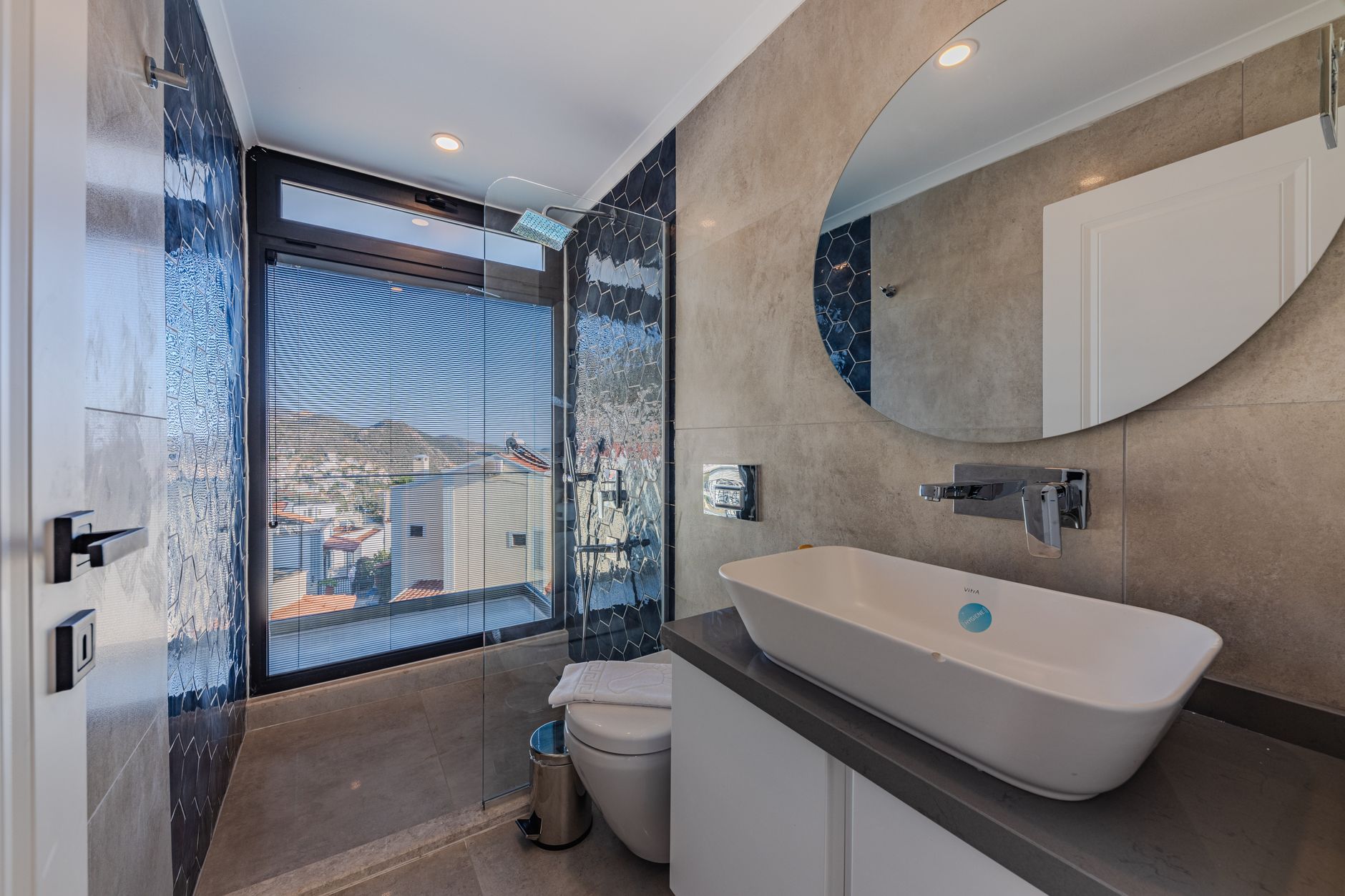
Recovery accommodation has evolved alongside hospital accessibility. Many hotels and recovery residences near major Turkish hospitals now offer fully accessible rooms with roll-in showers, grab bars, non-slip flooring and emergency call systems.
Some facilities go further, providing hospital-style adjustable beds, hoists, shower chairs and 24-hour assistance. These options are particularly valuable for patients recovering from orthopaedic surgery, spinal procedures, bariatric surgery or neurological treatment.
For patients travelling with a carer, rooms are often designed with two beds, extra space for a wheelchair to turn, and storage for mobility equipment. Kitchenettes or nearby accessible dining options make daily life easier during longer stays.
When booking, ask about step-free access to the room, the width of bathroom doors, and whether the property has a lift. Reputable medical tourism coordinators can recommend vetted accessible hotels and even arrange a pre-arrival video tour so you know exactly what to expect.
Staff Trained to Support Every Need with Dignity
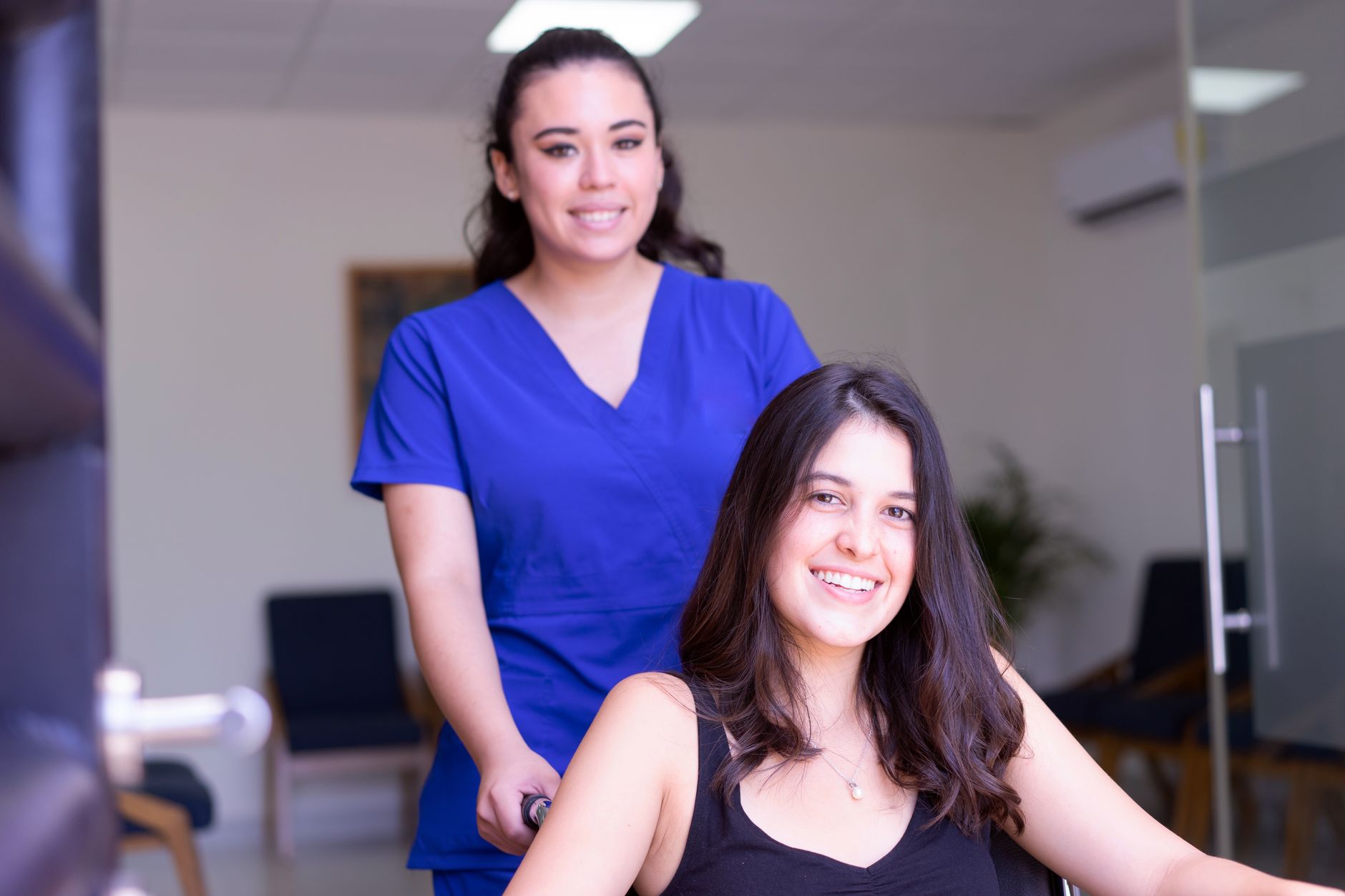
Perhaps the most valued aspect of medical travel in Türkiye is the human one. Turkish healthcare staff are widely praised for their warmth, attentiveness and willingness to help. In leading hospitals, this is supported by formal training in patient handling, mobility assistance and respectful communication.
Nurses and patient coordinators are often able to assist with transfers, positioning, and the use of mobility aids. Interpreters, when needed, are briefed not only on medical terminology but also on the practical needs of patients with limited mobility.
This culture of care extends to small details: asking before helping, explaining each step, and ensuring that patients feel in control of their own movement. For many international patients, this combination of technical skill and genuine kindness is what makes Türkiye stand out.
Carers are also supported. Hospitals and recovery residences frequently provide accommodation for companions, and staff are used to coordinating with family members who assist with daily care.

Planning Your Accessible Medical Journey to Türkiye
Good planning makes an accessible medical trip even smoother. Start by choosing a hospital or clinic that explicitly confirms accessibility features relevant to your needs. Ask about step-free access, accessible restrooms, transfer equipment and the availability of trained staff.
Next, arrange your transfers in advance through your medical tourism provider. Confirm that the vehicle is suitable for your wheelchair or mobility aid, and that the driver is experienced in assisting passengers with limited mobility.
Book accessible accommodation close to the hospital, and share a clear list of your requirements with both the hotel and your treatment coordinator. If you use a powered wheelchair, check the voltage and plug type in Türkiye and bring any necessary adapters or charging equipment.
Finally, keep digital and printed copies of your medical records, a list of your medications, and contact details for your coordinator. A little preparation goes a long way towards a calm and confident experience.
Why Türkiye Is a Welcoming Choice for Every Patient
Türkiye combines high-quality healthcare, competitive prices and a genuine commitment to accessibility. The country's medical sector understands that excellent treatment includes excellent patient experience, and that accessibility is a core part of that experience.
For patients with limited mobility, this means the freedom to travel for care without sacrificing comfort or dignity. For carers, it means fewer logistical worries and more time to focus on the person they love.
As Türkiye continues to invest in barrier-free infrastructure and inclusive hospitality, it is becoming a model for accessible medical tourism worldwide. If you are considering treatment abroad and use a wheelchair, walking aid, or travel with a carer, Türkiye offers a warm welcome and a practical, comfortable path to care.
Travelling for medical care should never mean compromising on dignity. In Türkiye, accessibility is increasingly built into every step of the journey.
Thinking about treatment in Turkey?
Share your contact details and a verified doctor will follow up with a plan built around you — free, no obligation.