
When Vision Problems Come From Somewhere Else
Most eye trouble is straightforward: a refractive error, a cataract, a retina that needs attention. But there is a smaller, more puzzling group of patients whose eyes look perfectly healthy, yet who cannot see properly. Their optic nerves may be swollen or pale. They may see double. Their visual field may be shrinking in a pattern that makes no sense to a general ophthalmologist. Some have headaches, tingling in the hands, or a history of a neurological condition — others have nothing at all except a nagging sense that their vision is not what it used to be.
These are neuro-ophthalmic problems. They sit at the meeting point of two specialties: ophthalmology, which examines the eye and its nerve, and neurology, which understands the brain, the cranial nerves, and the inflammatory or vascular conditions that can damage the visual pathway. When only one specialist is available, the diagnostic process is often fragmented — a referral here, a repeat scan there, months of waiting while the optic nerve quietly suffers.
Türkiye’s leading academic hospitals have built something different: dedicated neuro-ophthalmology units where both disciplines evaluate the patient together, in one place, on one day. For international patients with complex or unexplained visual symptoms, this is a genuinely rare and valuable resource.
What Neuro-Ophthalmology Actually Covers
Neuro-ophthalmology deals with everything along the visual pathway after the eye itself: the optic nerve, the optic chiasm, the optic tracts, the visual cortex, and the complex nerve and muscle systems that move the eyes. Common reasons patients are referred include:
- Optic neuritis — inflammation of the optic nerve, often linked to multiple sclerosis, which causes painful vision loss, especially with eye movement.
- Papilledema and raised intracranial pressure — swollen optic discs that may signal a brain problem rather than an eye problem.
- Ischemic optic neuropathy — sudden, painless visual loss from reduced blood flow to the optic nerve.
- Double vision (diplopia) from cranial nerve palsies, thyroid eye disease, or neuromuscular disorders.
- Visual field defects that follow a neurological pattern — for example, loss of the same half of vision in both eyes, which points to a problem behind the chiasm.
- Unexplained visual loss where the eye examination is normal but the patient cannot see.
- Hereditary optic neuropathies such as Leber’s hereditary optic neuropathy, which require genetic testing and specialist counselling.
What makes these conditions difficult is that they often require the ophthalmologist to look at the eye and the neurologist to look at the brain simultaneously. In Türkiye’s academic centres, that conversation happens in the same corridor, not across a city.

Why Türkiye? The Under-One-Roof Advantage
Türkiye has invested heavily in academic medicine over the past two decades. University hospitals in Istanbul, Ankara and Izmir now host neuro-ophthalmology clinics with dedicated orthoptists, visual field technicians, electrophysiology labs, and neuroradiology teams. Many of these clinics are led by physicians who trained or worked abroad and who publish in international journals.
The real difference for patients, though, is structural: the neurologist and the ophthalmologist can review the same MRI, the same visual field printout, and the same optical coherence tomography (OCT) scan together, in real time. They can decide on the spot whether to order blood tests for autoimmune markers, a lumbar puncture, or a repeat scan in six weeks. There is no “we’ll send a letter to your neurologist.”
For a patient who has already spent months being passed between specialists at home, this integration is not a luxury — it is the fastest route to an answer. And because Türkiye combines this level of academic medicine with competitive pricing and excellent private hospital services, many international patients find they can access a complete work-up far sooner than they could at home.
How to Prepare: Sharing MRI and Visual Field Records in Advance
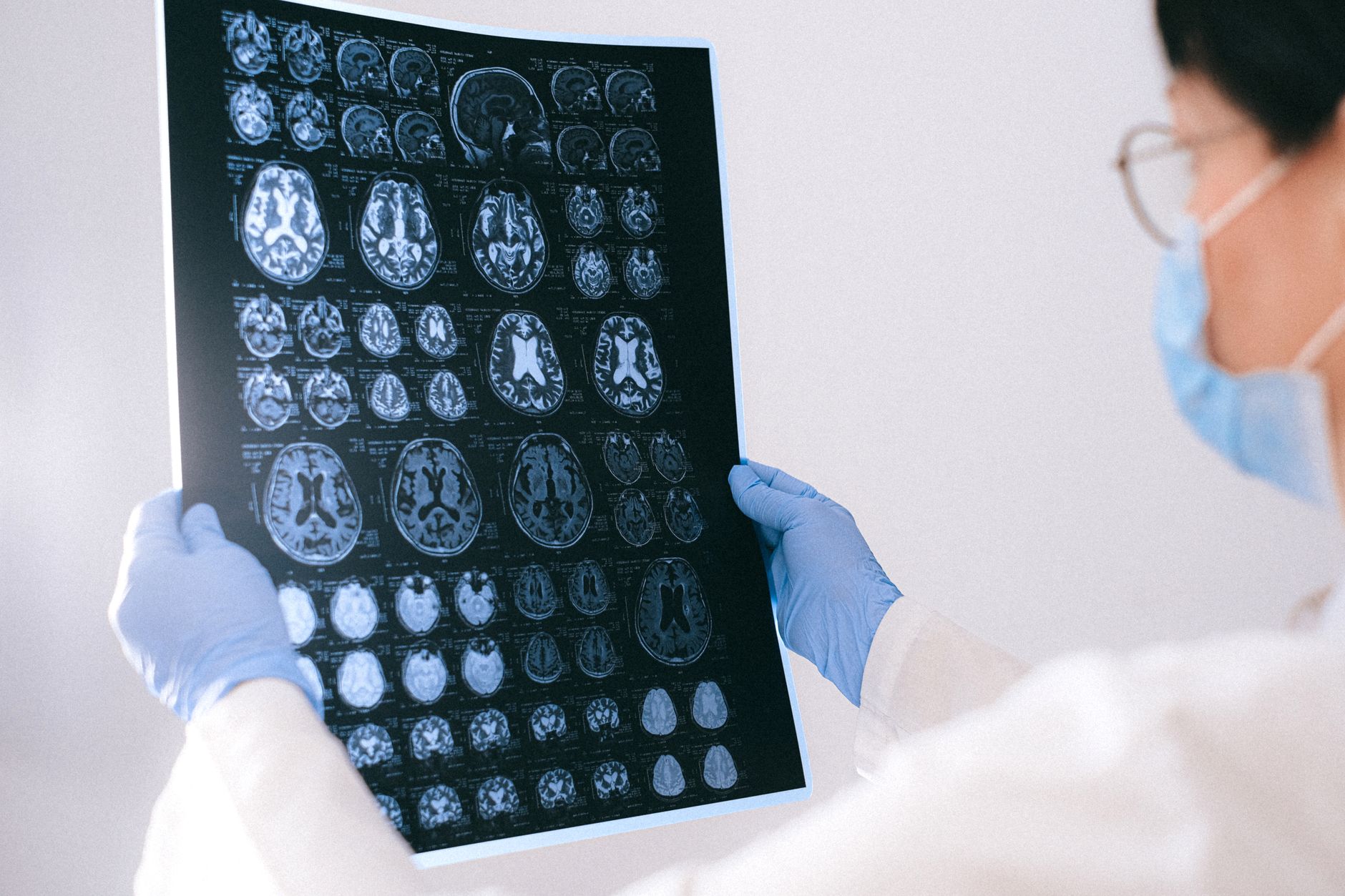
The single most useful thing you can do before travelling to a Turkish neuro-ophthalmology clinic is to send your existing records ahead. This allows the team to review your case before you arrive, to decide which additional tests are genuinely necessary, and to plan a single, efficient visit rather than a series of scattered appointments.
Here is a practical, step-by-step approach:
- Gather your imaging on discs or via secure cloud link. MRI and CT scans should be shared as DICOM files, not just as printed reports. Radiologists in Türkiye will want to look at the actual images — especially thin-slice orbital and brain sequences with contrast.
- Include visual field printouts. Humphrey or Octopus visual field tests are essential. Send the raw printouts (or PDFs) rather than a summary. If you have had more than one, send them all so the team can see whether the field loss is stable or progressing.
- Add OCT and fundus photos. Optical coherence tomography of the retinal nerve fibre layer and ganglion cell complex, plus colour fundus photographs, help the team judge whether the optic nerve is swollen, pale, or normal.
- Write a short timeline. One page is enough: when symptoms started, what has changed, which medications you take, and any relevant diagnoses such as MS, lupus, or diabetes.
- Use the hospital’s international patient portal. Most Turkish academic hospitals have an English-language international office. They will assign a coordinator who confirms receipt, arranges translation if needed, and schedules the right specialists for the same day.
When records arrive in advance, the clinic can often combine neurology, neuro-ophthalmology, orthoptic assessment, visual fields, OCT, and electrophysiology into one or two days. Without them, the same work-up can stretch over a week or more.

What a Single Comprehensive Visit Can Accomplish
Patients are often surprised by how much can be achieved in one organised day. A typical comprehensive neuro-ophthalmology assessment in a Turkish academic hospital may include:
- A detailed history and examination by a neuro-ophthalmologist, including pupil testing, eye movement assessment, and dilated fundoscopy.
- Formal visual field testing with reliable, repeatable technique.
- OCT imaging of the optic nerve and macula.
- Visual evoked potentials (VEP) to measure how well signals travel from the eye to the brain.
- Orthoptic assessment for double vision, with prism measurement if needed.
- Review of your MRI with a neuroradiologist, and additional sequences if required.
- Blood tests for inflammatory, autoimmune, or infectious causes.
- A joint discussion between neurology and ophthalmology, followed by a clear written plan and, where appropriate, treatment started the same day.
For many patients, this means leaving with something they have not had for months: a diagnosis, or at least a narrowed list of possibilities and a structured plan. For others, it means confirming that a condition is stable and that no further intervention is needed — which is just as valuable.
Calm, Thorough, Reassuring: The Turkish Academic Hospital Experience
Turkish academic hospitals are busy, but the neuro-ophthalmology clinics within them tend to be calm and deliberate. Consultations are long — often 45 minutes or more — because these are cases that cannot be rushed. Physicians explain findings with diagrams, show patients their own scans, and welcome questions. Interpreters are available for international patients, and written summaries are provided in English.
The atmosphere is reassuring without being falsely optimistic. If a condition is serious, it is explained clearly and kindly. If it is benign, that is stated plainly. The goal is not to impress with technology but to give the patient understanding and direction.
For travellers, Türkiye adds another dimension: world-class care in cities that are themselves a pleasure to visit. Istanbul’s historic peninsula, Ankara’s museums, and Izmir’s Aegean coastline offer space to rest and reflect between appointments. Many patients combine a diagnostic visit with a short, restorative stay — a reminder that medical travel can be humane as well as efficient.
Practical Steps for International Patients
If you are considering a neuro-ophthalmology consultation in Türkiye, begin with the international patient office of a university hospital or a JCI-accredited private hospital with a dedicated neuro-ophthalmology unit. Ask three questions: Who will coordinate my records? Will neurology and ophthalmology see me on the same day? What is the estimated total cost, including imaging and tests?
Then send your records, request a preliminary review, and ask for a written proposed schedule. Most clinics respond within a few working days. Once a plan is agreed, you can book flights and accommodation with confidence, knowing that your case has already been discussed by the people who will see you.
Complex vision problems are frightening precisely because they are hard to explain. Türkiye’s neuro-ophthalmology clinics exist to make them explainable — to bring the eye and the brain into the same room, and to give patients a clear next step.
Thinking about treatment in Turkey?
Share your contact details and a verified doctor will follow up with a plan built around you — free, no obligation.