

Imagine biting into an apple without hesitation, speaking without hiding your smile, and looking in the mirror to see a profile that finally feels like yours. For thousands of international patients, that transformation begins in Türkiye, where maxillofacial teams are redefining what jaw correction surgery can achieve. Orthognathic surgery is no longer just about straightening teeth or fixing a bite — it is a precise, artistry-driven discipline that harmonises the entire face while restoring effortless function.
Why Jaw Correction Is More Than a Bite Problem
Many people live for years with discomfort they assume is normal: clicking jaws, chronic headaches, worn-down teeth, difficulty chewing, or a smile that feels out of balance with the rest of the face. These are often signs of a skeletal discrepancy — a mismatch between the upper jaw (maxilla) and lower jaw (mandible) that orthodontics alone cannot resolve.
Orthognathic surgery addresses the foundation itself. By repositioning the jaws into their ideal anatomical relationship, surgeons restore balanced chewing, breathing, and speech. Because the jawbones define the lower and middle thirds of the face, correcting them also refines the chin, cheeks, lips, and nasal base — often with results that look naturally harmonious rather than "operated on."
This is why the best outcomes are never the work of a single specialist. They are the product of a coordinated team: an orthodontist, a maxillofacial surgeon, and often a prosthodontist or ENT specialist, all planning the same case from the same digital blueprint.
The Türkiye Advantage: Expertise Meets Coordinated Care
Türkiye has become a global hub for maxillofacial surgery for a simple reason: concentration of expertise. Istanbul and Ankara are home to high-volume craniofacial centres where surgeons perform hundreds of orthognathic procedures each year, often in university-affiliated hospitals with advanced imaging and intensive care support.
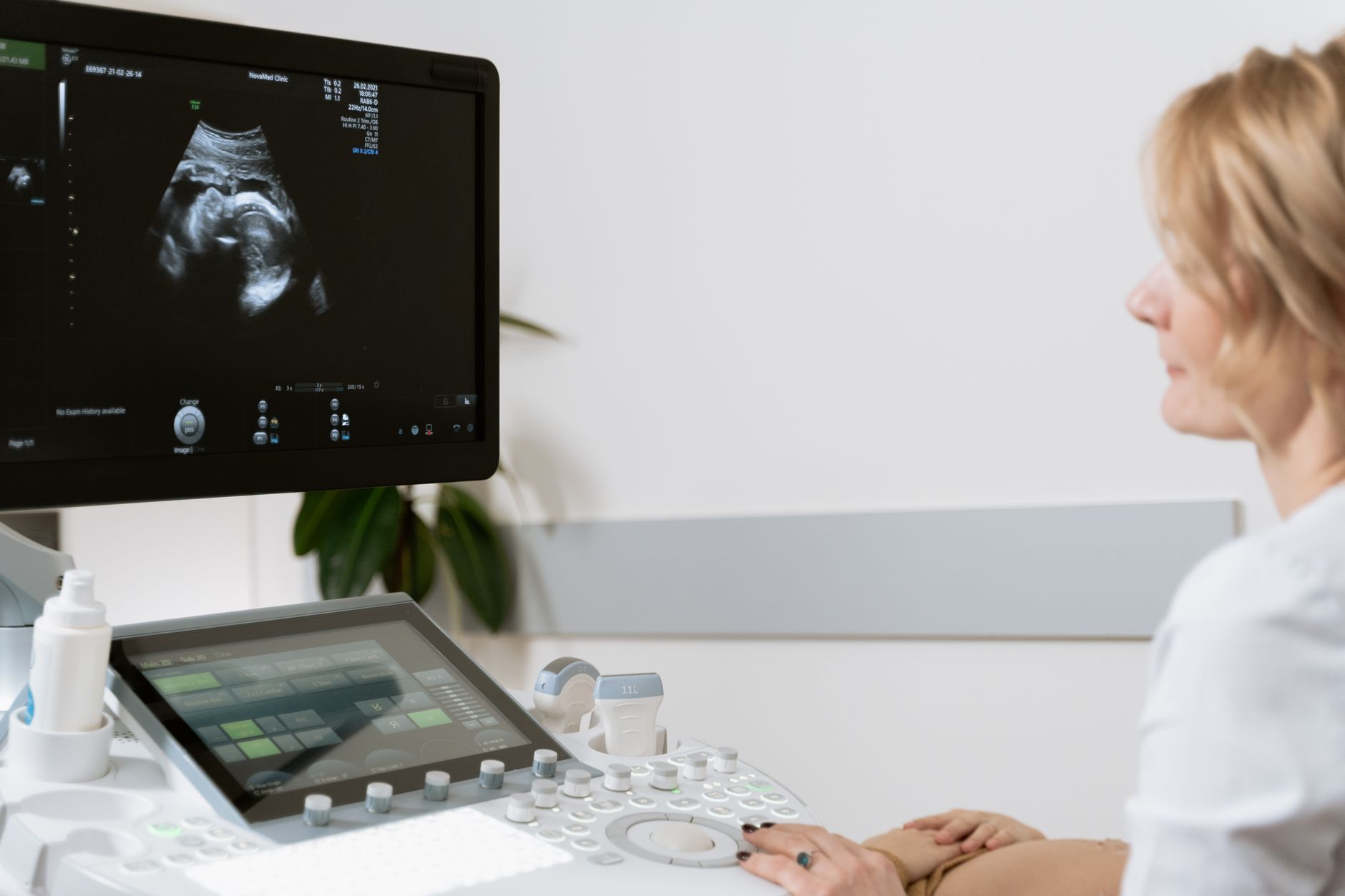
What sets these teams apart is their integrated approach. Rather than a surgeon working in isolation, patients are guided through a structured pathway that begins with orthodontic assessment and ends with long-term follow-up. Digital planning tools — CBCT scans, 3D modelling, and computer-aided surgical simulation — allow the team to rehearse the operation virtually before entering the operating room.
International patients also benefit from a level of accessibility that is difficult to find elsewhere. High-quality treatment is delivered at a fraction of the cost seen in Western Europe or North America, without compromising on materials, technology, or aftercare. English-speaking coordinators, dedicated patient managers, and streamlined visa processes make the journey manageable from the first enquiry to the final review.

Staged Planning: The Roadmap to a Predictable Result
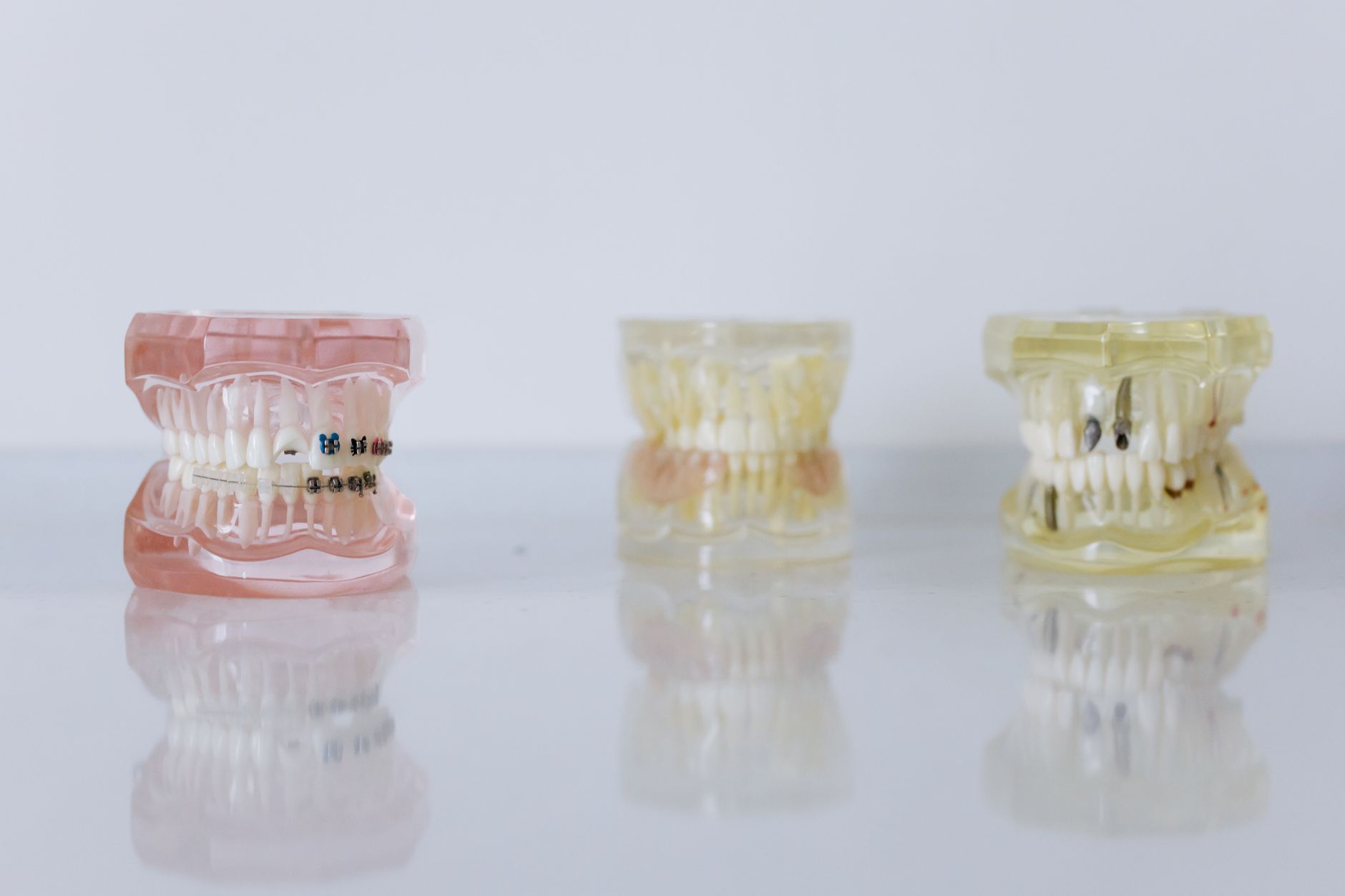
Orthognathic treatment is a marathon, not a sprint, and the most successful cases are built on stages. The first phase is orthodontic preparation, typically lasting 9 to 18 months. Braces or clear aligners move the teeth into positions that will fit correctly once the jaws are repositioned. This stage is not a delay — it is the preparation that makes surgical precision possible.
During this phase, your surgical team conducts a full workup: clinical photographs, dental impressions, cephalometric analysis, and 3D imaging. These data points feed into a virtual model of your skull, allowing the surgeon to simulate different jaw positions and measure their effect on your bite and facial profile.
The second stage is the surgery itself. Depending on your diagnosis, the procedure may involve the upper jaw (Le Fort I osteotomy), the lower jaw (bilateral sagittal split osteotomy), the chin (genioplasty), or a combination. Incisions are made inside the mouth, so there are no visible external scars.
The third stage is orthodontic refinement and healing. In the weeks after surgery, your bite is stabilised, swelling subsides, and the final alignment is fine-tuned. Most patients return to work within two to three weeks and resume normal chewing over the following months. A structured follow-up schedule — often with remote check-ins for international patients — ensures that results remain stable for the long term.

Digital Simulation: Seeing Your Result Before Surgery
One of the most reassuring developments in modern orthognathic care is the ability to visualise change before it happens. Using cone-beam computed tomography (CBCT) and 3D facial scanning, your surgical team can create a digital twin of your face and jaws.
This simulation serves two purposes. First, it allows the surgeon to plan the exact movements in millimetres, testing how different positions affect your airway, bite, and soft tissue. Second, it gives you, the patient, an honest preview. You can see how your profile may change, discuss priorities such as lip position or nasal tip balance, and enter surgery with realistic expectations.
Digital planning also improves surgical accuracy. Custom-cut guides and splints, often 3D-printed, transfer the virtual plan directly to the operating room. This reduces operating time, minimises surprises, and helps ensure that the result you approved on screen is the result you see in the mirror.

Function and Beauty: Two Sides of the Same Coin
There is a persistent myth that jaw surgery is either functional or cosmetic. In reality, the two are inseparable. A jaw that chews efficiently is usually a jaw that sits in a position of facial balance. When the bite is corrected, the chin becomes more defined, the lips meet more naturally, and the midface gains support.
Patients frequently report unexpected benefits: easier breathing at night, reduced jaw joint pain, less teeth grinding, and improved confidence in social and professional settings. These changes are not incidental — they are the direct result of treating the skeleton rather than just the symptoms.
The most refined results are those that no one can quite identify as surgical. Friends may notice that you look healthier, more rested, or simply "different in a good way," without being able to pinpoint why. That subtlety is the hallmark of a well-planned orthognathic case.
Your Journey as an International Patient
Choosing to travel for jaw surgery requires trust, and Turkish clinics have built robust systems to earn it. The typical international pathway begins with a remote consultation: you submit photographs, X-rays, and dental records, and receive a preliminary assessment and treatment outline.
From there, a personalised plan is drafted, including the estimated duration of orthodontic preparation, surgical timeline, accommodation options, and costs. Many providers offer all-inclusive packages that cover hospital fees, transfers, translation, and follow-up appointments, so you can focus on recovery rather than logistics.
Recovery in Istanbul or Ankara can be surprisingly comfortable. Patients often stay in well-appointed recovery residences near the hospital, with nursing support and dietary guidance for the soft-food phase. A final review before departure confirms that healing is on track, and ongoing remote check-ins keep your orthodontist and surgeon aligned after you return home.
If you have spent years compensating for a bite that never felt right, Türkiye's maxillofacial teams offer more than surgery — they offer a carefully choreographed path to a face and a function that finally work together. The first step is a conversation. The result is a version of you that feels effortless.
Thinking about treatment in Turkey?
Share your contact details and a verified doctor will follow up with a plan built around you — free, no obligation.