

Understanding Salivary Gland and Parotid Tumours
Salivary gland tumours are rare, representing less than 5% of all head and neck cancers. They can develop in any of the major salivary glands—parotid, submandibular, sublingual—or in minor salivary glands scattered throughout the upper aerodigestive tract. The parotid gland, located just in front of the ear, is the most common site, accounting for about 80% of all salivary gland tumours. While the majority are benign, such as pleomorphic adenoma, a significant minority are malignant, including mucoepidermoid carcinoma and adenoid cystic carcinoma.
Symptoms may include a painless lump near the jaw or ear, facial weakness, numbness, or difficulty swallowing. Because the facial nerve runs directly through the parotid gland, any surgery in this area demands exceptional precision to preserve nerve function while completely removing the tumour. This is where Türkiye's head and neck surgery teams excel, offering a blend of surgical expertise, innovative technology, and patient-centred care.
In recent years, Türkiye has become a sought-after destination for complex head and neck procedures. Accredited hospitals in Istanbul, Ankara, and Izmir host multidisciplinary teams that integrate surgical oncology, radiology, pathology, and rehabilitation. For international patients, this means access to world-class treatment in a welcoming, well-organised environment.
The Turkish Approach: Nerve-Sparing Surgery and Rapid Pathology
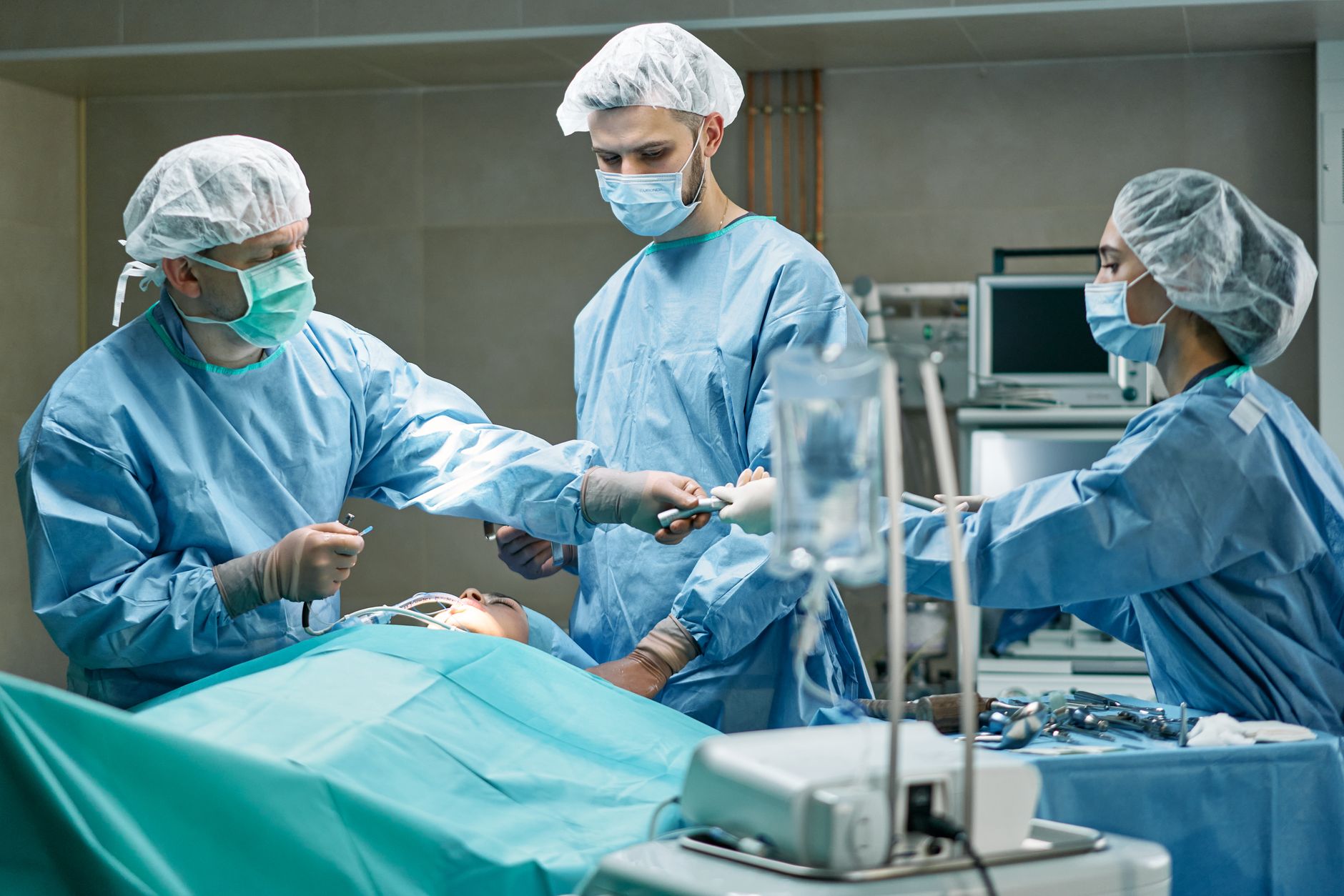
Turkish surgeons are renowned for their meticulous nerve-sparing techniques. During parotidectomy, they use intraoperative facial nerve monitoring to identify and preserve the nerve branches. This technology, combined with high-resolution imaging and microsurgical instruments, allows for complete tumour removal with minimal risk to facial movement. For malignant tumours, they may also perform selective neck dissection to remove affected lymph nodes while sparing critical structures.
What truly sets Türkiye apart is the rapid pathology turnaround. In many accredited hospitals, frozen section analysis is performed within 20–30 minutes, enabling surgeons to confirm the diagnosis and margin status in real time. This immediate feedback guides the extent of resection, ensuring that no cancerous tissue is left behind while avoiding unnecessary removal of healthy tissue. For patients, this means fewer repeat surgeries and faster recovery.
Moreover, Turkish hospitals invest in advanced diagnostic tools such as MRI with contrast, CT scans, and ultrasound-guided fine-needle aspiration. These are typically completed within a day or two of arrival, allowing for a swift treatment plan. The efficiency of the system is a testament to Türkiye's commitment to streamlined, patient-focused care.
Multidisciplinary Tumour Boards: The Heart of Personalised Care
Before any surgery, each case is reviewed by a multidisciplinary tumour board (MDT). This team includes head and neck surgeons, medical and radiation oncologists, pathologists, radiologists, and speech therapists. They collectively analyse imaging, biopsy results, and the patient's overall health to formulate an individualised treatment plan. This collaborative approach ensures that every aspect of care—from surgery to rehabilitation—is considered.
For international patients, the MDT meeting is a crucial step. It determines whether surgery alone is sufficient or if adjuvant therapies like radiation or chemotherapy are needed. It also assesses the need for reconstructive surgery, such as nerve grafting or flap reconstruction, to restore function and appearance. The board's recommendations are then communicated clearly to the patient, often with the help of interpreters.
This team-based model is not just about medical excellence; it's about reassurance. Knowing that a group of specialists has collectively evaluated your case builds confidence and reduces anxiety. Turkish hospitals are proud of their transparent, patient-inclusive MDT process, which aligns with international guidelines.
Preparing for Your Journey: What International Patients Should Know
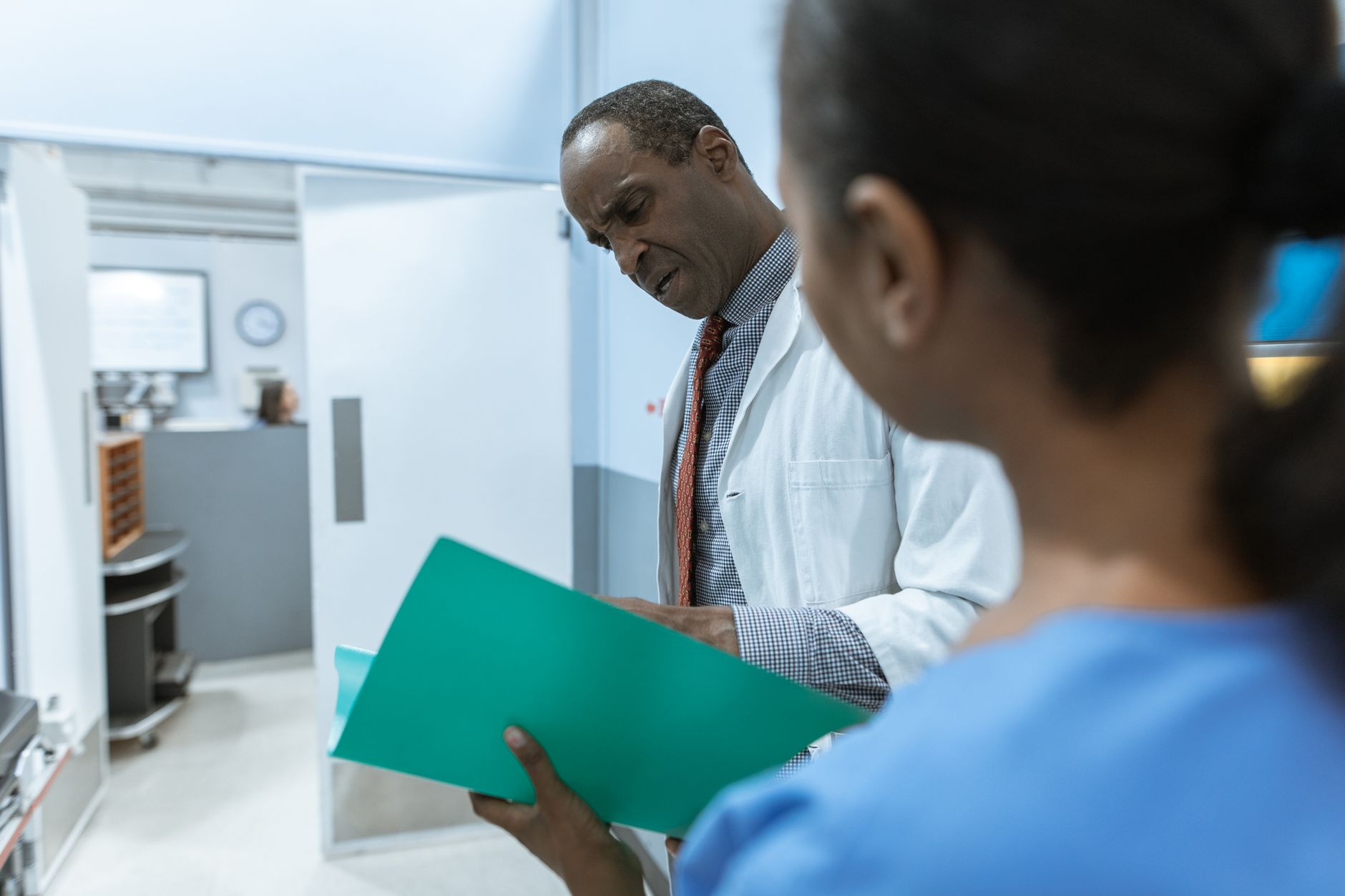
Planning for surgery abroad requires careful preparation. Start by gathering all relevant medical records: imaging (MRI, CT scans), biopsy reports, and any previous treatment summaries. These should be translated into English or Turkish if possible. Many Turkish hospitals offer a free online second opinion, where a surgeon reviews your documents and provides a preliminary assessment.
Once you decide to proceed, the hospital's international patient department will assist with visa invitation letters, appointment scheduling, and accommodation. It's advisable to arrive at least 3–5 days before surgery for pre-operative tests and consultations. Pack comfortable clothing, loose shirts that button in the front (to avoid pulling over the head after surgery), and a supportive pillow for the journey home.
Arrange for a companion to travel with you, as you may need assistance during the first week post-surgery. Also, check your insurance coverage and discuss payment options with the hospital. Türkiye offers significantly lower costs compared to Western Europe or North America, often without compromising quality. Lastly, learn a few basic Turkish phrases—it goes a long way in building rapport with your care team.
What to Expect During Your Stay in Türkiye
Upon arrival at an accredited hospital, you'll undergo a comprehensive evaluation. This includes blood tests, ECG, and possibly a repeat imaging study to confirm the diagnosis. You'll meet your surgeon and the MDT to discuss the plan. The night before surgery, you'll fast as instructed. The procedure itself typically lasts 2–4 hours for a superficial parotidectomy, longer for more complex cases.
Post-operatively, you'll stay in the hospital for 1–3 days. A drain may be placed to remove excess fluid, and you'll receive pain management and antibiotics. Nurses will monitor your facial nerve function regularly. Most patients experience some temporary facial weakness, which usually improves within weeks. Physical therapy and speech therapy are available if needed.
Before discharge, you'll receive detailed aftercare instructions, including wound care, diet, and activity restrictions. A follow-up appointment will be scheduled for 7–10 days later, often before you fly home. Telemedicine follow-ups are also available for international patients. Turkish hospitals are known for their cleanliness, modern facilities, and attentive nursing care, making your recovery as smooth as possible.

Why Choose Türkiye for Salivary Gland Surgery?
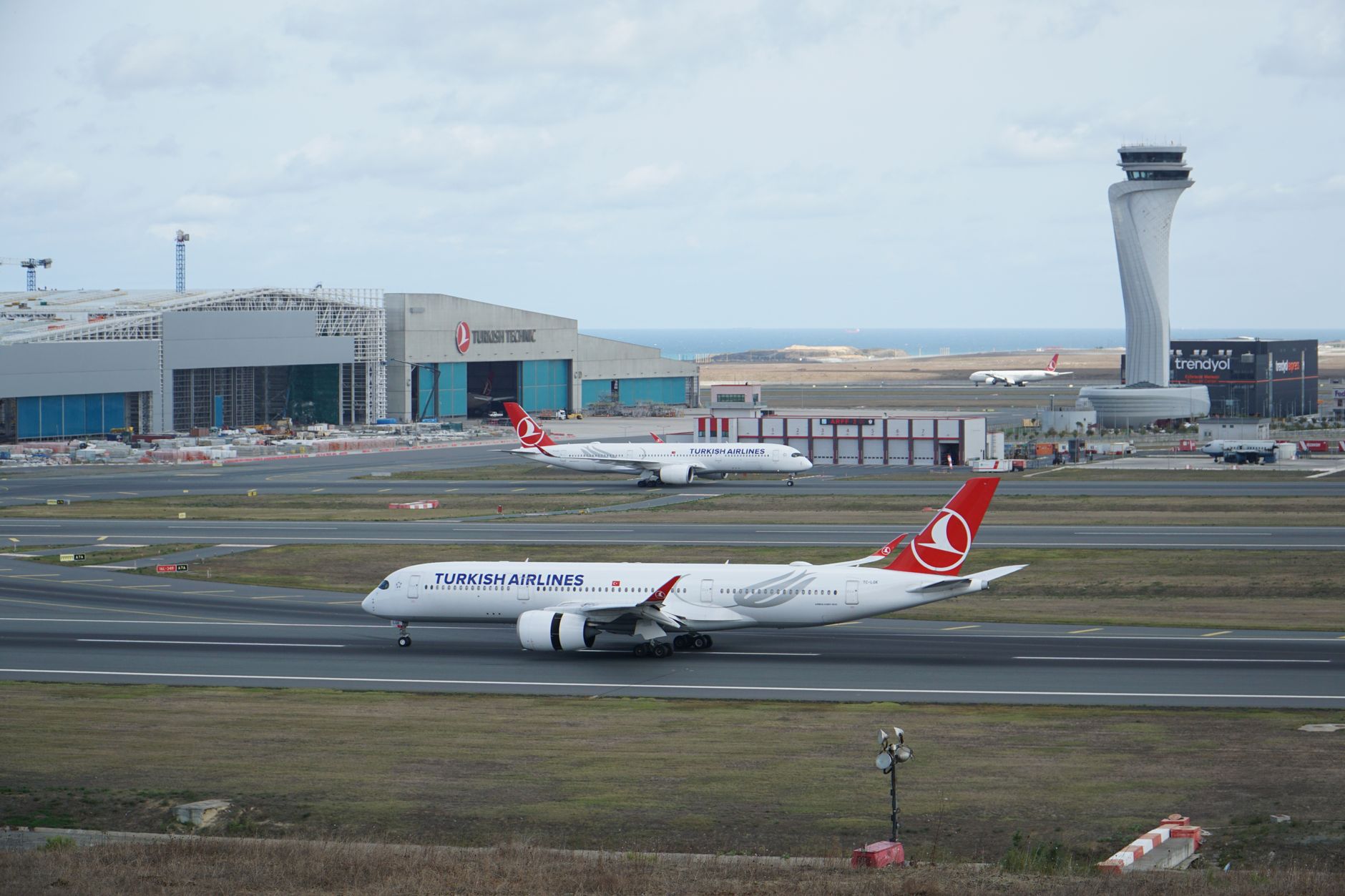
Türkiye has emerged as a global leader in medical tourism, with internationally accredited hospitals (JCI, ISO) and surgeons trained at top institutions worldwide. The country's strategic location, direct flights from major cities, and affordable luxury accommodation add to its appeal. But the core reason patients choose Türkiye is the outstanding clinical outcomes.
Studies show that nerve-sparing parotidectomy performed in high-volume centres yields excellent facial nerve preservation rates (over 95% for benign tumours) and low recurrence rates. Turkish head and neck teams are among the most experienced in Europe, handling a high volume of complex cases. They also offer cutting-edge techniques like minimally invasive surgery and robotic-assisted procedures.
Beyond surgery, patients appreciate the warmth of Turkish hospitality and the opportunity to recover in a beautiful country. From the historic sites of Istanbul to the serene beaches of Antalya, Türkiye offers a healing environment. Many international patients combine treatment with a short recuperation holiday, turning a stressful medical journey into a restorative experience.
Taking the Next Step
If you or a loved one is facing a salivary gland or parotid tumour, consider Türkiye for its precision surgery, rapid pathology, and multidisciplinary care. Begin by contacting a reputable hospital's international department, sharing your medical records, and requesting a consultation. With its blend of expertise, technology, and compassion, Türkiye provides a reassuring path to recovery.
Remember, early diagnosis and expert treatment are key to the best outcomes. Türkiye's accredited hospitals are ready to welcome you with world-class care and a well-organised, patient-friendly process. Your journey to health starts here.
Thinking about treatment in Turkey?
Share your contact details and a verified doctor will follow up with a plan built around you — free, no obligation.