

Why Türkiye Leads the World in Functional and Aesthetic Nose Surgery
Türkiye has earned a reputation as a global powerhouse in rhinoplasty and septoplasty, attracting patients from Europe, the Middle East, and beyond. The reason is simple: Turkish surgeons are masters at blending form and function. Unlike many clinics that focus solely on appearance, Türkiye's leading ENT and facial plastic surgeons are trained to address breathing problems and aesthetic concerns in a single, harmonious procedure.
This dual expertise is rooted in a medical culture that values both technical precision and artistic vision. Surgeons in Istanbul and Ankara routinely perform thousands of combined septoplasty and rhinoplasty operations each year, refining techniques that preserve natural anatomy while enhancing facial balance. The result is a nose that not only functions better but also looks like it has always belonged to your face.
International patients often remark that Turkish surgeons have a unique eye for ethnic and individual beauty. Rather than applying a one-size-fits-all template, they prioritize natural results—a philosophy that has made Türkiye a top destination for those seeking subtle, breathable refinement.
Understanding the Difference: Septoplasty vs. Rhinoplasty
Before diving into the combined approach, it's important to distinguish between septoplasty and rhinoplasty. Septoplasty is a functional procedure that corrects a deviated nasal septum—the cartilage and bone that divide the nasal cavity. A deviated septum can cause snoring, sleep apnea, chronic congestion, and difficulty breathing through one or both nostrils.
Rhinoplasty, on the other hand, is primarily aesthetic, reshaping the external nose to improve proportions and symmetry. However, many patients have both functional and cosmetic concerns. In Türkiye, surgeons frequently combine the two in a single operation, known as septorhinoplasty.
This combined approach offers several advantages: one recovery period, one anesthesia session, and a cohesive outcome where the internal and external structures are addressed together. It also allows the surgeon to ensure that aesthetic changes do not compromise airflow—a critical consideration that purely cosmetic surgeons might overlook.
The Turkish Approach: Merging Function and Aesthetics
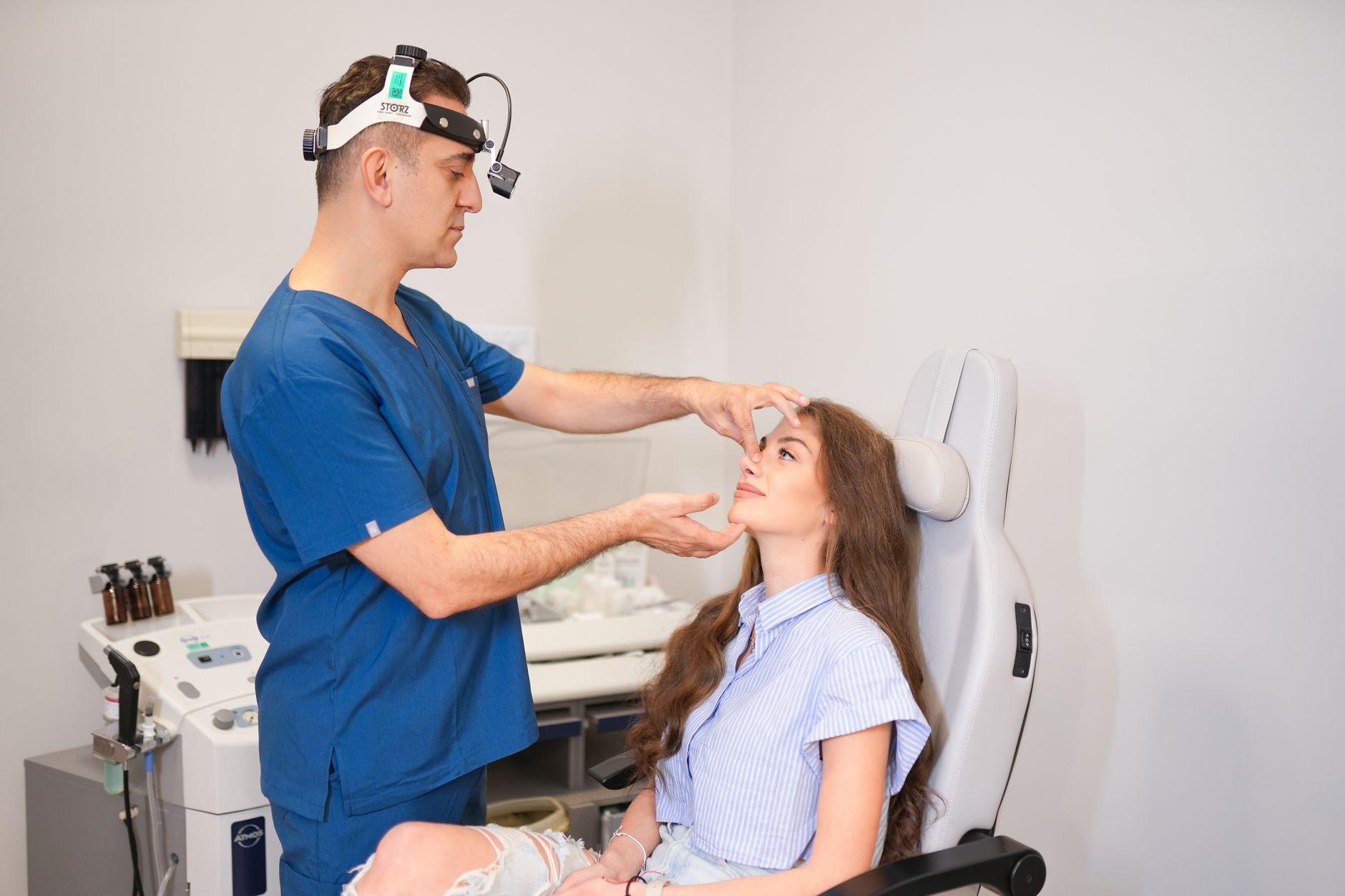
What sets Turkish surgeons apart is their rigorous pre-operative planning. During consultations, they use advanced imaging and 3D simulation to map both the functional and aesthetic goals. Patients are encouraged to express their breathing difficulties and their desired look, and the surgeon explains how each change will affect airflow and appearance.
In the operating room, Turkish surgeons employ a combination of open and closed techniques, using cartilage grafts from the septum, ear, or rib to strengthen the nasal structure and maintain natural contours. They are also experts in preserving the dorsum (the bridge) when possible, avoiding the overly scooped look that was once popular. Instead, they aim for a straight or gently curved profile that complements the patient's facial features.
Another hallmark of the Turkish approach is the use of advanced technology, such as endoscopic visualization and piezoelectric instruments, which allow for precise bone reshaping with minimal trauma. This translates to less bruising, faster recovery, and more predictable results.

Who Is a Candidate for Combined Septoplasty and Aesthetic Refinement?
Ideal candidates are adults who have finished facial growth (usually 18–20 years old for men, slightly younger for women) and are in good general health. You may be a candidate if you experience chronic nasal obstruction, frequent sinus infections, or snoring, and you also wish to improve the appearance of your nose.
It's important to have realistic expectations. The goal is not a perfect nose, but a harmonious one that functions well. During your consultation in Türkiye, your surgeon will assess your nasal anatomy, skin thickness, and facial proportions, and discuss what can be achieved safely.
Patients with certain medical conditions, such as uncontrolled high blood pressure or bleeding disorders, may need to postpone surgery. Smoking can also impair healing and increase risks, so surgeons typically recommend quitting at least two weeks before and after the procedure.

The Recovery Timeline: What to Expect Week by Week
Recovery from combined septoplasty and rhinoplasty is a gradual process, but most patients are surprised by how manageable it is. Here's a realistic timeline based on the experiences of international patients in Türkiye:
- First 48 hours: You'll have a splint and possibly packing inside your nose. Swelling and bruising around the eyes are common. Pain is usually well-controlled with medication. You'll need to rest with your head elevated and apply cold compresses.
- Days 3–7: Packing is removed, and you can breathe through your nose again—though it may still feel congested. Bruising starts to fade. Most patients can return to light activities and even sightseeing by day 5, but avoid strenuous exercise.
- Week 2: The splint is removed, and you'll see the initial shape of your nose. Swelling will still be present, especially at the tip. You can usually return to work if your job isn't physically demanding. Turkish clinics often provide a post-op check-up before you fly home.
- Weeks 3–4: Swelling continues to subside. You can start gentle exercise like walking. Nasal breathing improves significantly as internal healing progresses.
- Months 2–3: About 70–80% of swelling resolves. Your nose looks more refined, and breathing is stable. Most patients feel confident in social settings.
- 6–12 months: The final result emerges as all swelling disappears. The nose settles into its natural, harmonious shape, and functional benefits are fully realized.
Keep in mind that individual healing varies. Turkish surgeons are known for their thorough follow-up, often using telemedicine to monitor international patients after they return home.
The Value of Combining Breathing Improvement with Natural-Looking Results
Choosing a combined procedure offers more than convenience—it's a holistic approach to facial harmony. When breathing is improved, patients often report better sleep, increased energy, and reduced headaches. These functional gains are life-changing on their own.
At the same time, subtle aesthetic refinements can boost confidence and self-esteem. The key is that the changes look natural. Turkish surgeons excel at this because they respect the nose's role in facial expression and identity. They avoid over-resection and instead use grafting and suturing techniques to create a nose that moves and feels like your own.
For many patients, the combined procedure is also more cost-effective than two separate surgeries. It reduces overall recovery time and ensures that the aesthetic changes support, rather than hinder, nasal function.
Planning Your Medical Journey to Türkiye
If you're considering septoplasty and aesthetic refinement in Türkiye, start by researching board-certified surgeons who specialize in both ENT and facial plastic surgery. Look for clinics with international patient coordinators who can help with travel, accommodation, and translation.
Most Turkish clinics offer packages that include airport transfers, hotel stays, and post-operative care. The cost of combined surgery in Türkiye is often 50–70% lower than in Western Europe or the US, without compromising quality. In fact, many Turkish surgeons train abroad and are members of international societies like the ISAPS or the European Academy of Facial Plastic Surgery.
Before you travel, ensure you have a thorough online consultation, share your medical history, and discuss your goals clearly. A reputable surgeon will provide a detailed treatment plan and realistic expectations. With proper planning, your journey to Türkiye can be a transformative experience—one that leaves you breathing easier and looking your best.
“The best nose is one that no one notices—because it simply fits you.” — Turkish plastic surgery proverb
Thinking about treatment in Turkey?
Share your contact details and a verified doctor will follow up with a plan built around you — free, no obligation.