

When CPAP Isn't the Answer: Türkiye's Surgical Solutions for Sleep Apnoea
Obstructive sleep apnoea (OSA) affects millions worldwide, and for many, continuous positive airway pressure (CPAP) is the first-line treatment. But CPAP isn't for everyone. Some patients find the mask claustrophobic, others experience nasal congestion, dry mouth, or aerophagia, and a significant number simply cannot tolerate the device long-term. If you've tried CPAP and struggled, you're not alone — and you're not out of options.
Türkiye has emerged as a global destination for patients seeking surgical solutions to sleep apnoea. With accredited sleep laboratories, multidisciplinary teams of ENT surgeons and maxillofacial specialists, and a healthcare infrastructure designed for international patients, Turkish clinics offer same-trip diagnosis, surgery, and post-operative titration. This means you can arrive, undergo a comprehensive sleep study, have surgery tailored to your anatomy, and begin recovery — all within a single visit.
In this guide, we'll explore how Türkiye's experts approach sleep apnoea surgery, the difference between soft-tissue and skeletal correction, and why so many international patients are choosing Turkish hospitals for jaw advancement and nasal surgery.
Why Türkiye Leads in Sleep Apnoea Surgery
Türkiye's healthcare system combines advanced technology, highly trained specialists, and a patient-first approach. Many Turkish hospitals are accredited by international bodies such as JCI (Joint Commission International), and their sleep labs meet European standards for polysomnography and titration studies. ENT and maxillofacial surgeons in Istanbul, Ankara, and Izmir frequently collaborate with pulmonologists and sleep medicine physicians to create personalized surgical plans.
What sets Türkiye apart is the efficiency of the treatment pathway. International patients can often complete their initial consultation, sleep study, and surgery within 7–10 days. This is possible because Turkish clinics have streamlined scheduling and dedicated international patient coordinators who handle everything from airport transfers to translation services. The cost of surgery in Türkiye is also significantly lower than in Western Europe or North America — often 50–70% less — without compromising quality.
Moreover, Turkish surgeons are experienced in the full spectrum of sleep apnoea procedures, from minimally invasive nasal surgery to complex maxillomandibular advancement (MMA). They understand that OSA is a multifactorial condition and tailor treatment to each patient's unique anatomy.
Understanding Sleep Apnoea: When Surgery Becomes Necessary
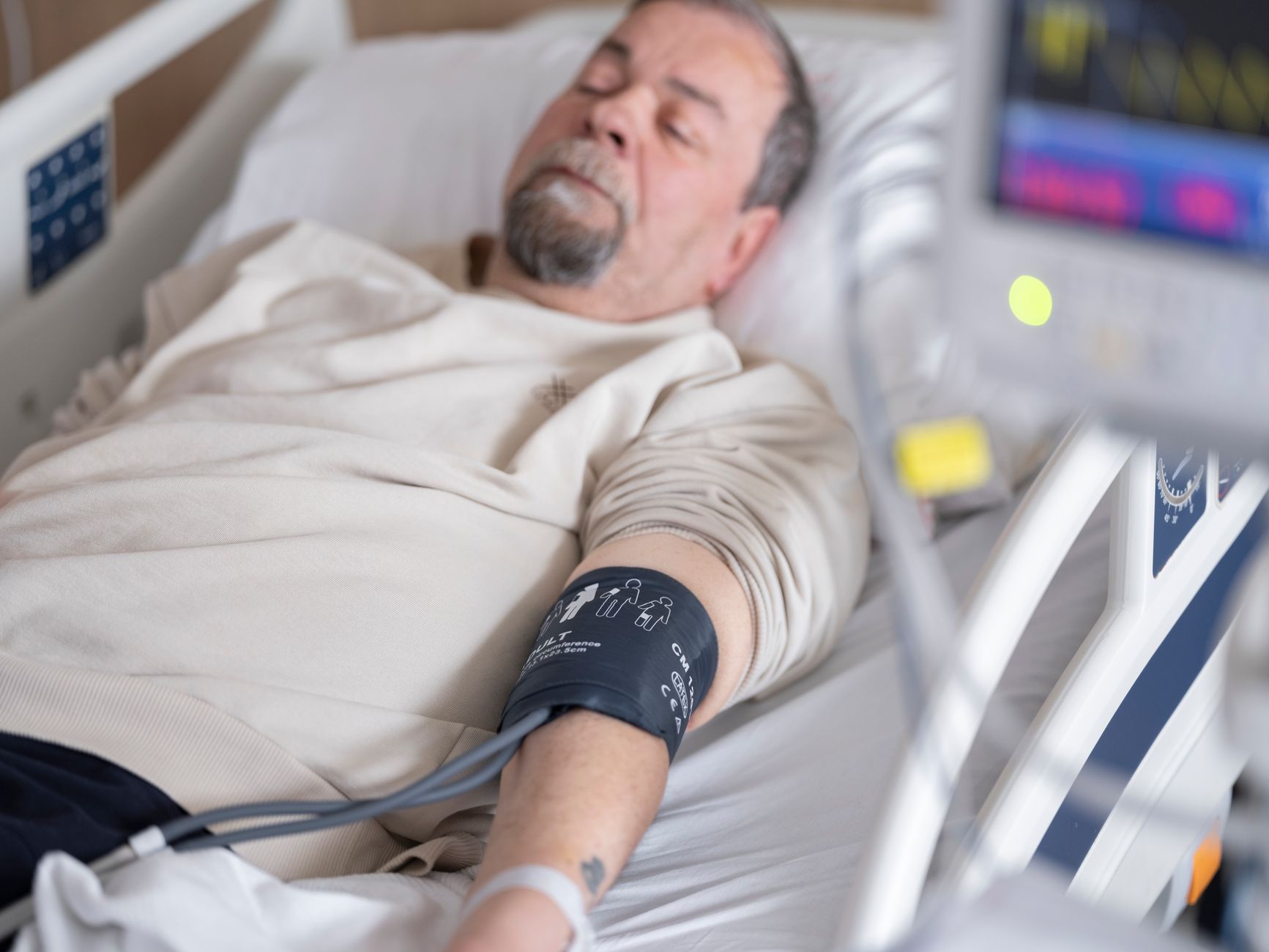
Obstructive sleep apnoea occurs when the upper airway collapses during sleep, reducing or completely blocking airflow. This leads to fragmented sleep, loud snoring, daytime fatigue, and serious long-term health risks including hypertension, heart disease, and stroke. While CPAP is effective for many, it requires consistent use — and studies show that up to 50% of patients abandon CPAP within the first year.
Surgery becomes a viable option when CPAP fails or is refused, or when there is a clear anatomical obstruction that can be corrected. Common sites of obstruction include the nasal cavity (deviated septum, enlarged turbinates), the soft palate and uvula, the tonsils, the base of the tongue, and the skeletal structure of the jaw. A thorough evaluation with drug-induced sleep endoscopy (DISE) or imaging can pinpoint the exact level of collapse.
In Türkiye, surgeons use advanced diagnostic tools to map your airway and determine whether soft-tissue surgery, skeletal surgery, or a combination will be most effective. This personalized approach increases the likelihood of success and reduces the need for multiple procedures.
Soft-Tissue vs. Skeletal Correction: Which Is Right for You?
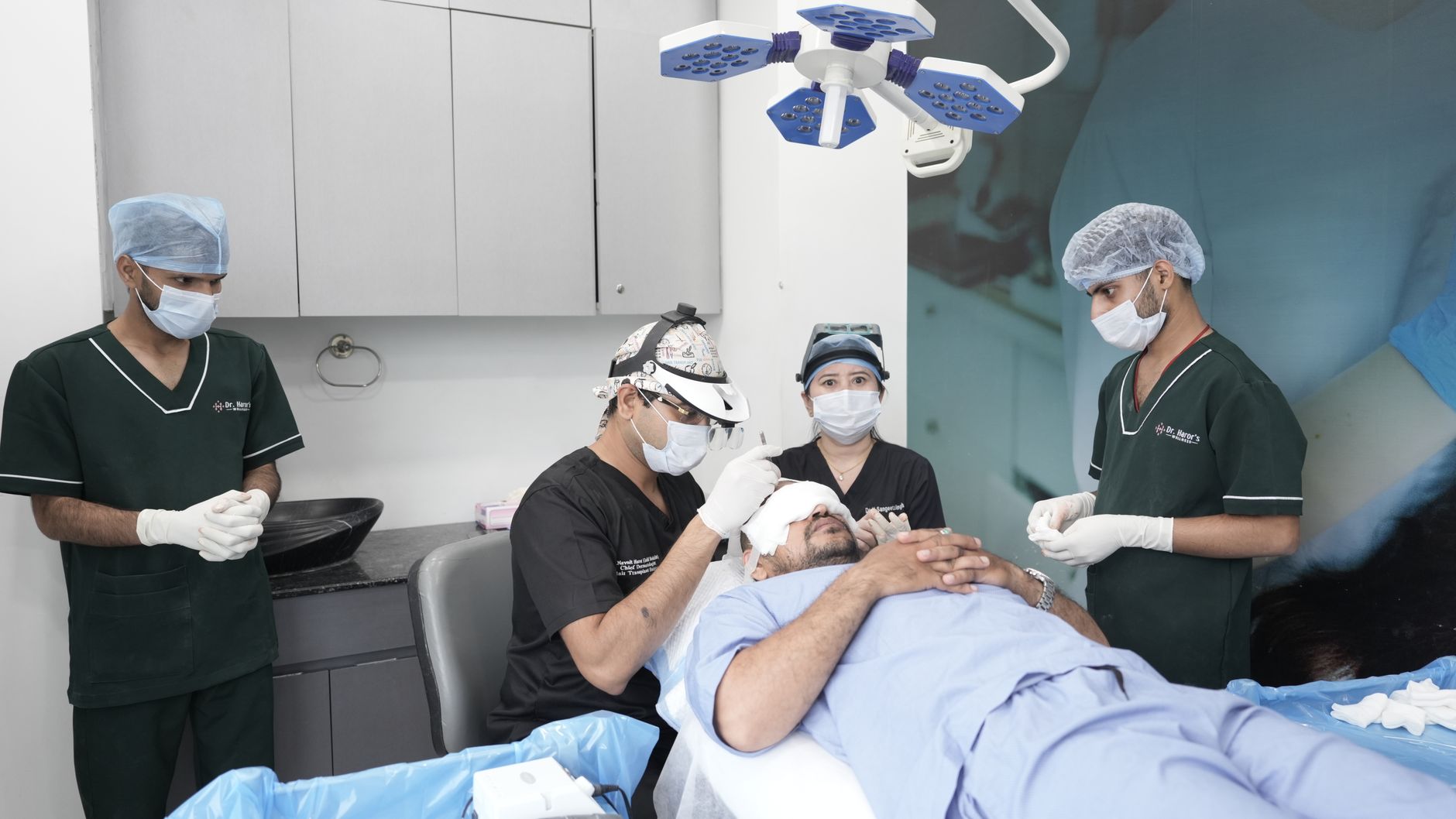
Soft-tissue surgeries target the fleshy structures of the airway, such as the palate, tonsils, and tongue base. Procedures like uvulopalatopharyngoplasty (UPPP), tonsillectomy, and radiofrequency ablation of the tongue base can be effective for mild to moderate OSA, especially when the obstruction is limited to these areas. These surgeries are less invasive, with shorter recovery times, but they may not fully resolve apnoea if the underlying issue is skeletal.
Skeletal correction, on the other hand, addresses the bony framework of the face. Maxillomandibular advancement (MMA) moves the upper and lower jaws forward, enlarging the airway behind the soft palate and tongue. This procedure is highly effective for moderate to severe OSA, with success rates often exceeding 80–90%. It is particularly suitable for patients with retrognathia (receding chin) or a narrow airway.
Turkish maxillofacial surgeons are experts at determining candidacy for MMA using cephalometric analysis and 3D imaging. They may also combine MMA with nasal surgery to address multiple levels of obstruction in one operation. During your consultation, your surgeon will explain the pros and cons of each approach and recommend the best plan for your anatomy and lifestyle.
The Same-Trip Advantage: Diagnosis, Surgery, and Titration in One Visit
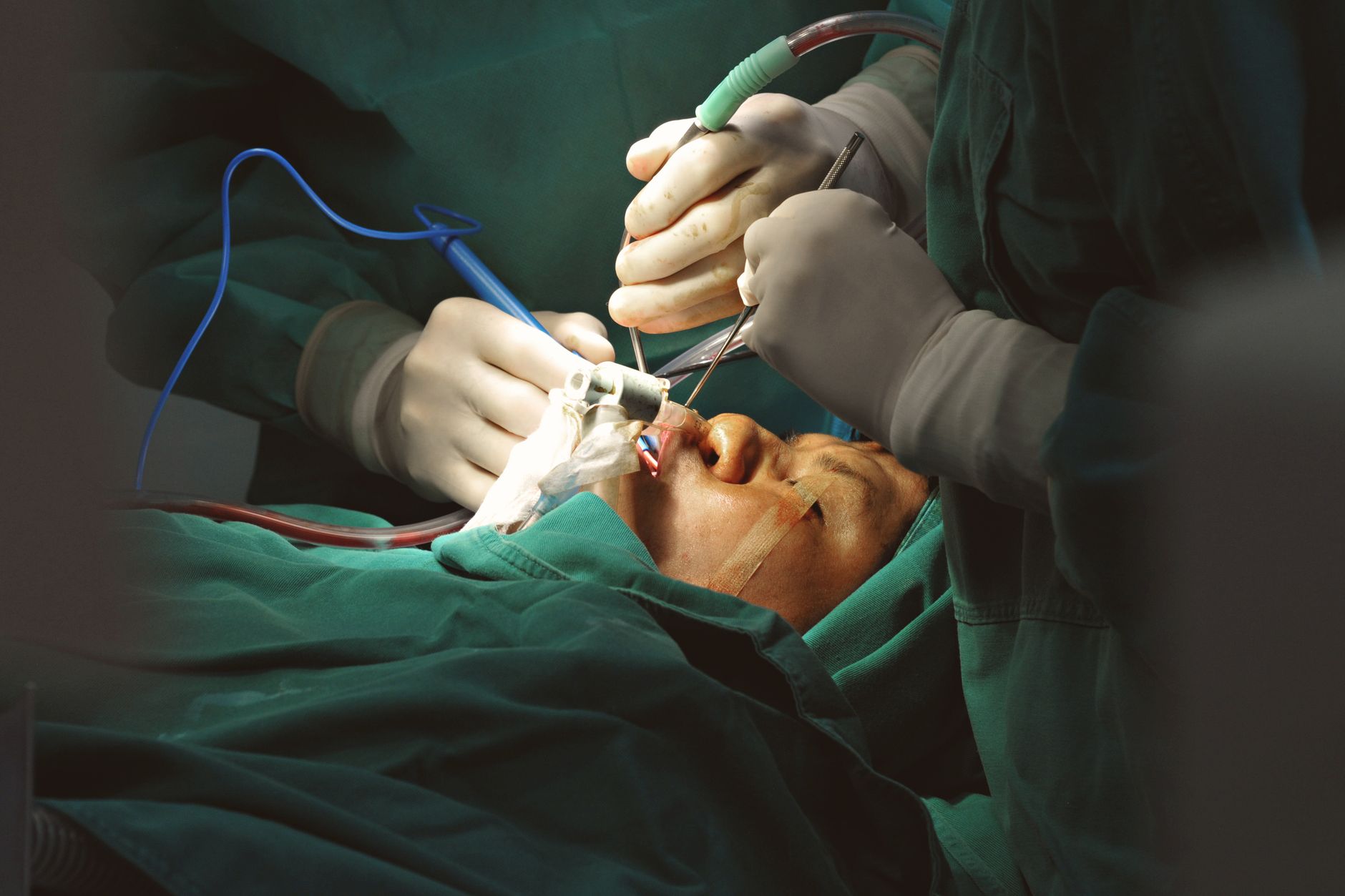
For international patients, Türkiye offers a seamless treatment journey. Upon arrival, you'll undergo a comprehensive evaluation, including a full-night polysomnography in an accredited sleep lab. This study records your brain waves, oxygen levels, heart rate, breathing patterns, and limb movements to quantify the severity of your OSA (measured by the Apnoea-Hypopnoea Index, or AHI).
If surgery is indicated, it is typically scheduled within a few days. Most patients spend one to two nights in the hospital after soft-tissue surgery, or two to three nights after MMA. Before discharge, your team will arrange a follow-up sleep study or titration to ensure your airway is improved. For patients who still require positive pressure therapy post-surgery, the settings can be adjusted during the same trip.
This integrated approach saves time and money, and it allows you to recover in a controlled environment with expert supervision. Many Turkish hospitals also provide postoperative care packages that include nursing support, dietary guidance, and telemedicine follow-ups after you return home.
What to Expect: The Patient Journey in Türkiye
Your journey begins with an online consultation. You'll share your medical history, sleep study results (if available), and photos or imaging. A Turkish ENT or maxillofacial surgeon will review your case and propose a preliminary plan. Once you decide to proceed, the international patient team will help you arrange travel, accommodation, and appointments.
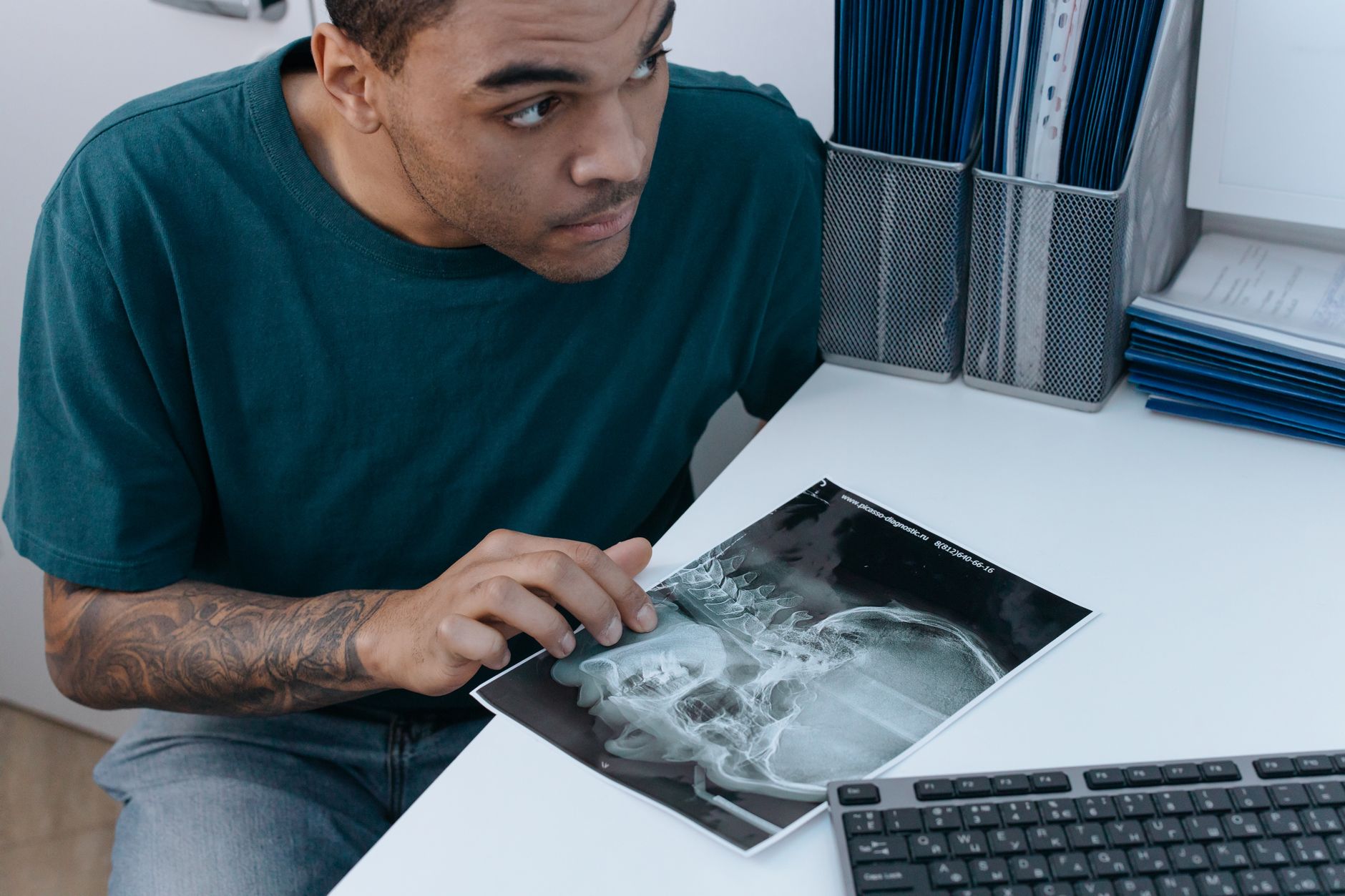
Upon arrival in Istanbul or another city, you'll meet your surgeon in person for a detailed examination. This may include nasopharyngoscopy, DISE, or CT scans. The surgical plan is finalized, and you'll receive preoperative instructions. After surgery, you'll stay in the hospital for observation, then move to a hotel or recovery residence for the remainder of your trip.
Follow-up visits are scheduled before you fly home. Your surgeon will monitor your healing, remove sutures if needed, and adjust your treatment plan. Most patients are cleared to travel within 10–14 days after soft-tissue surgery, or 2–3 weeks after MMA. Long-term follow-up can be conducted via video calls with your Turkish specialist, ensuring continuity of care.
Practical Tips for International Patients
- Gather your records: Bring any previous sleep studies, imaging, and medical reports. If you don't have a sleep study, one can be arranged in Türkiye.
- Consider a companion: Having a friend or family member with you can help during recovery, especially if you undergo MMA.
- Plan for recovery time: Soft-tissue surgery requires about 1–2 weeks of downtime; MMA may require 3–4 weeks before you feel fully back to normal.
- Ask about accreditation: Choose a hospital with JCI accreditation and a sleep lab that adheres to American Academy of Sleep Medicine (AASM) standards.
- Discuss costs upfront: Request a detailed quote that includes surgery, hospital stay, sleep studies, medications, and follow-up. Many clinics offer all-inclusive packages.
- Check language support: Ensure the hospital provides interpreters or English-speaking staff for consultations and postoperative instructions.
Turkish clinics are accustomed to international patients and often provide VIP services, including airport pickup, hotel booking, and personal assistants. This allows you to focus on your health and recovery.
Breathing Easier: The Future of Sleep Apnoea Care in Türkiye
Türkiye's combination of medical expertise, advanced technology, and patient-centric care makes it a top choice for sleep apnoea surgery. Whether you need simple nasal surgery or complex jaw advancement, you'll find surgeons who are not only highly skilled but also genuinely invested in your long-term well-being.
If CPAP hasn't worked for you, don't lose hope. A surgical solution may be closer than you think — and it might just be a flight away. With same-trip diagnosis, surgery, and titration, Türkiye offers a practical, effective path to breathing easier and sleeping better.
Take the first step today: reach out to a Turkish clinic, share your story, and discover how their world-class teams can help you reclaim your nights.
Thinking about treatment in Turkey?
Share your contact details and a verified doctor will follow up with a plan built around you — free, no obligation.