

Why the Hammam Still Matters in Modern Türkiye
For centuries, the Turkish hammam has been more than a place to wash. It is a social institution, a wellness ritual, and — in the traditional understanding — a place of healing. Families celebrate weddings and births there, friends gather over tea and conversation on heated marble, and travelers leave feeling lighter in body and mind. The hammam's gentle heat, rhythmic scrubbing, and warm water have long been associated with soothing muscles, easing stiffness, and restoring a sense of calm.
That same tradition now sits alongside something very modern: Türkiye's world-class medical tourism industry. Patients arrive from across Europe, the Middle East, and beyond for procedures ranging from dental work and hair transplants to bariatric surgery, orthopedic operations, and cosmetic treatments. Many understandably wonder: can I visit a hammam or thermal spa while I'm recovering?
The short answer is that Turkish clinics take this question seriously — and the guidance is nuanced. Heat, steam, and massage can support recovery in the right circumstances, but they can also interfere with healing if introduced too early. This guide explains the cultural context and the clinical reasoning so you can enjoy Türkiye's bath heritage safely.
The Healing Heritage: What Makes Turkish Baths Special
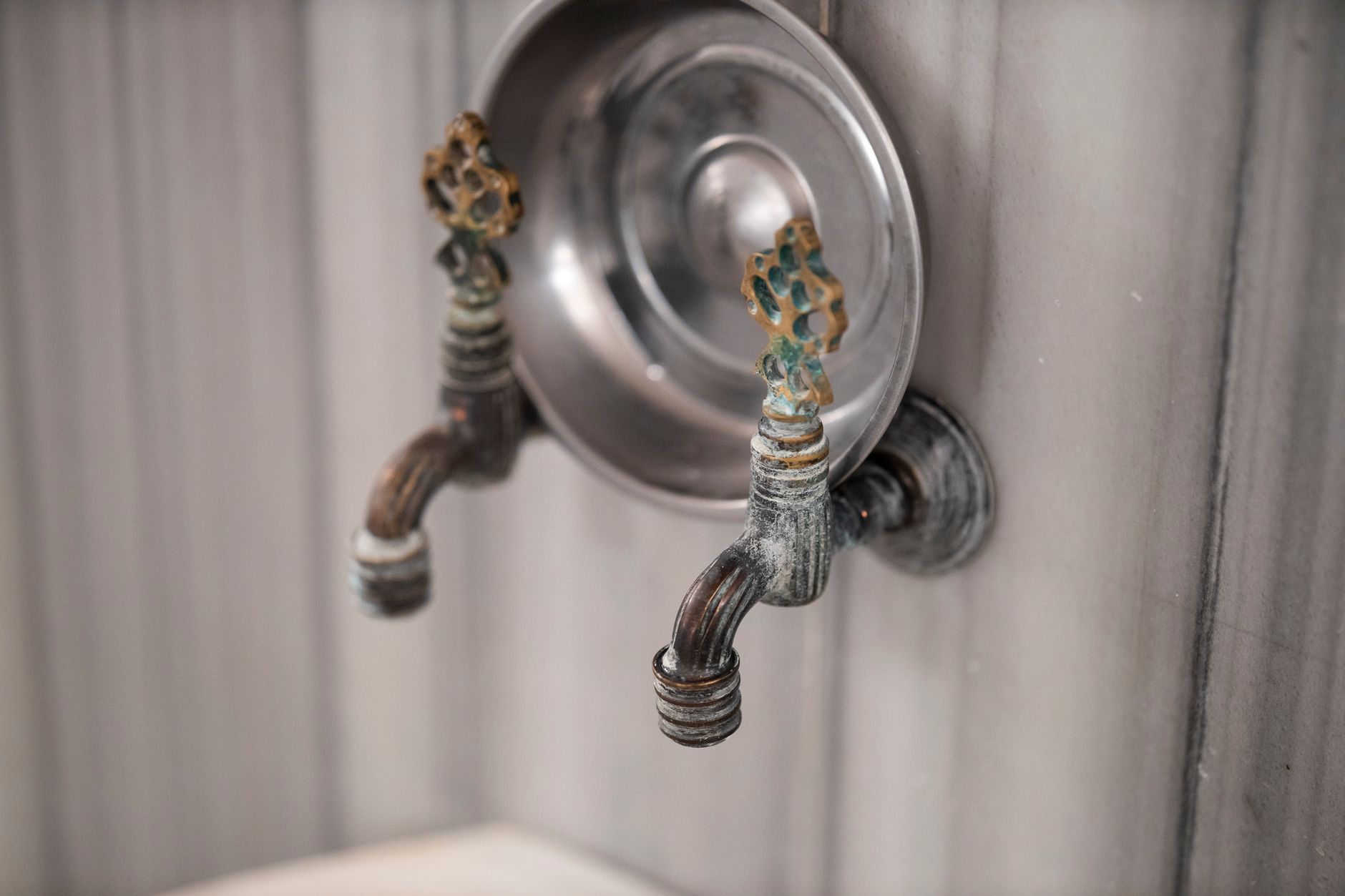
Traditional hammams are built around a sequence of experiences. You enter a warm room (sicaklik), progress to a hotter central chamber (hararet), and rest on a large heated marble slab (göbek taşı). A natır (attendant) may perform a vigorous exfoliating scrub (kese) followed by a foam massage. Cool-down rooms and relaxation areas complete the ritual, often with tea or sherbet.
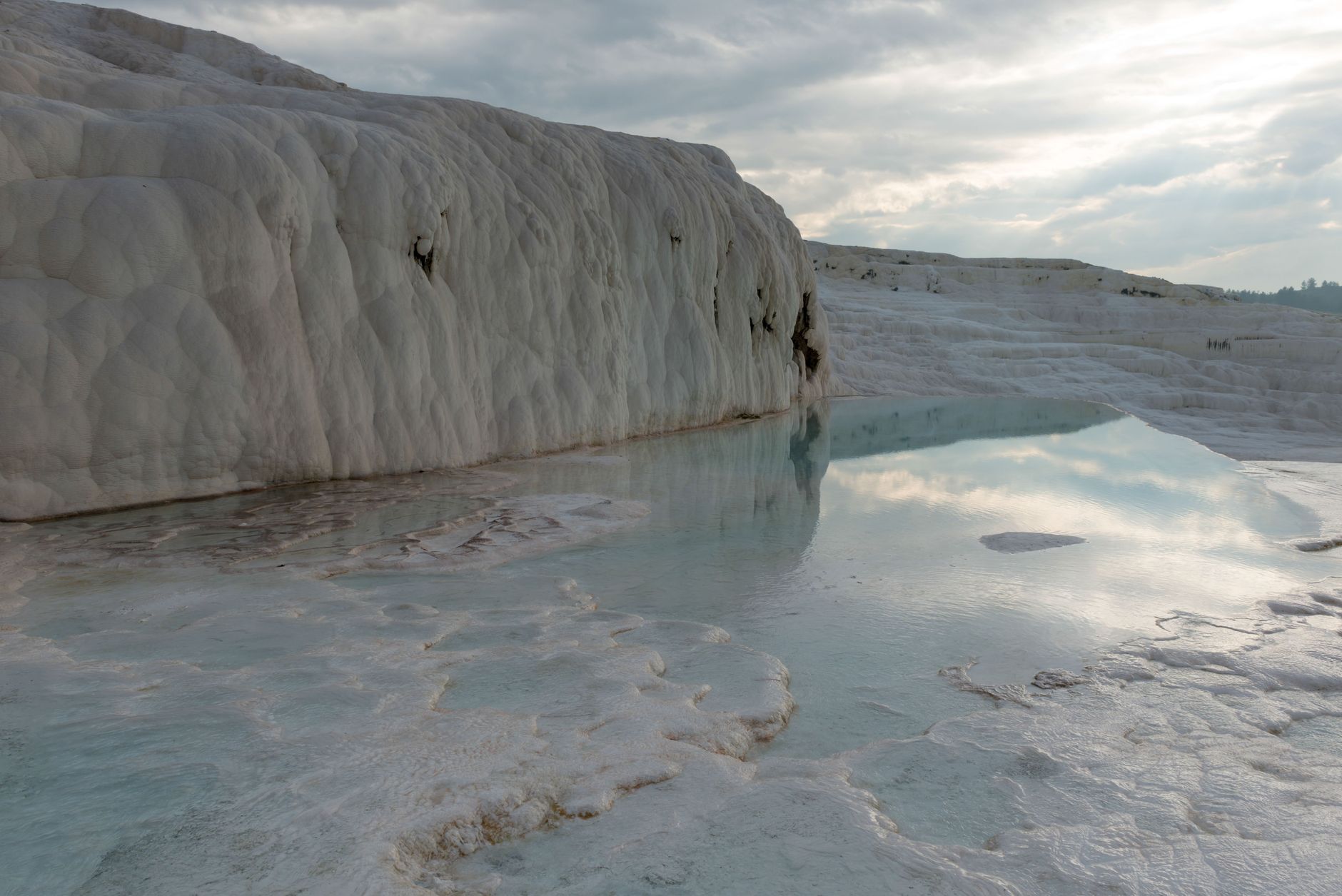
The thermal springs scattered across Türkiye — from Bursa and Yalova to Afyonkarahisar and Kangal — add mineral-rich waters to the equation. These have been used therapeutically for centuries, and modern balneology recognizes their potential to ease certain musculoskeletal conditions and skin complaints.
What makes this heritage relevant to recovery patients is that hammam culture is woven into daily life in Türkiye. It is common for people to visit a hammam as a form of self-care, and for clinic staff to be familiar with the tradition themselves. That cultural fluency is an advantage: your care team understands exactly what a hammam visit involves and can give you practical, personalized advice.
The Clinical Reality: How Heat, Steam, and Massage Affect Healing
Physiologically, heat causes blood vessels to dilate and increases circulation to the skin and superficial tissues. Steam adds humidity, which can soothe airways and loosen congestion. Massage manipulates soft tissue, promoting relaxation and temporarily reducing muscle tension. In the right context — after a muscle strain, for example — these effects can feel wonderful and even aid comfort.
After surgery, however, the body is in a different state. Tissues are actively repairing. Inflammation is part of that process. Fresh incisions, internal sutures, and remodeled tissue are delicate. Introducing intense heat or firm pressure too soon can increase swelling, stress fragile blood vessels, delay wound closure, or — in rare cases — contribute to bleeding or infection.
There are also practical risks unique to shared spa environments. Warm, humid spaces can harbor bacteria, and communal pools and benches are not sterile. For someone with healing wounds or a compromised immune system, this matters. Additionally, the heat itself can cause lightheadedness or fainting, which is dangerous if you are unsteady on your feet or recovering from anesthesia.
None of this means hammams are off-limits during recovery. It means timing and caution are essential — and your surgeon's instructions come first.
What Turkish Clinics Recommend: A General Timeline
Because every procedure is different, there is no single universal rule. Still, Turkish clinics tend to follow broadly similar principles when coaching international patients on reintroducing heat and massage. The following is a general guide for context — always confirm with your own surgeon.
- First 48–72 hours: No hammam, sauna, steam room, hot tub, or massage. Focus on rest, hydration, and wound care as instructed. Avoid any activity that raises core body temperature.
- First 1–2 weeks: Continue to avoid heat and steam. Keep incisions clean and dry. Short, lukewarm showers are usually fine unless your surgeon says otherwise. Avoid vigorous scrubbing or exfoliation near any healing area.
- 2–4 weeks: For minor procedures with fully closed, healed wounds, some surgeons may permit brief, lukewarm showers and very gentle local care. Saunas, steam rooms, and hot pools generally remain off-limits.
- 4–6 weeks: Many patients are cleared for gentle warmth and light massage away from the surgical site. Deep tissue work, vigorous scrubbing, and prolonged heat are still typically discouraged.
- 6–12 weeks and beyond: As healing progresses, restrictions ease. Your surgeon will advise based on the procedure, your wound status, and how you are feeling.
These ranges are illustrative, not prescriptive. A hair transplant patient may have very different guidance than someone recovering from abdominoplasty or joint replacement. Your clinic's discharge instructions — and any follow-up messages from your coordinator — are your authority.
What to Postpone (and Why It Matters)
Certain hammam and thermal experiences carry more risk than others during recovery. Here is what Turkish clinics typically advise postponing until you are fully healed and cleared.
Saunas, Steam Rooms, and Hot Pools
These environments raise body temperature and cause sweating, which can irritate incisions, loosen dressings, and increase swelling. The heat also dilates blood vessels, which may encourage bleeding or bruising in recently operated areas. Most clinics advise avoiding them for at least several weeks.
Vigorous Scrubbing and Exfoliation
A traditional kese scrub is invigorating — and abrasive. On healing skin, it can disrupt new tissue, reopen closed incisions, or introduce bacteria. Avoid scrubbing anywhere near a surgical site until your surgeon confirms it is safe.
Deep Tissue and Pressure Massage
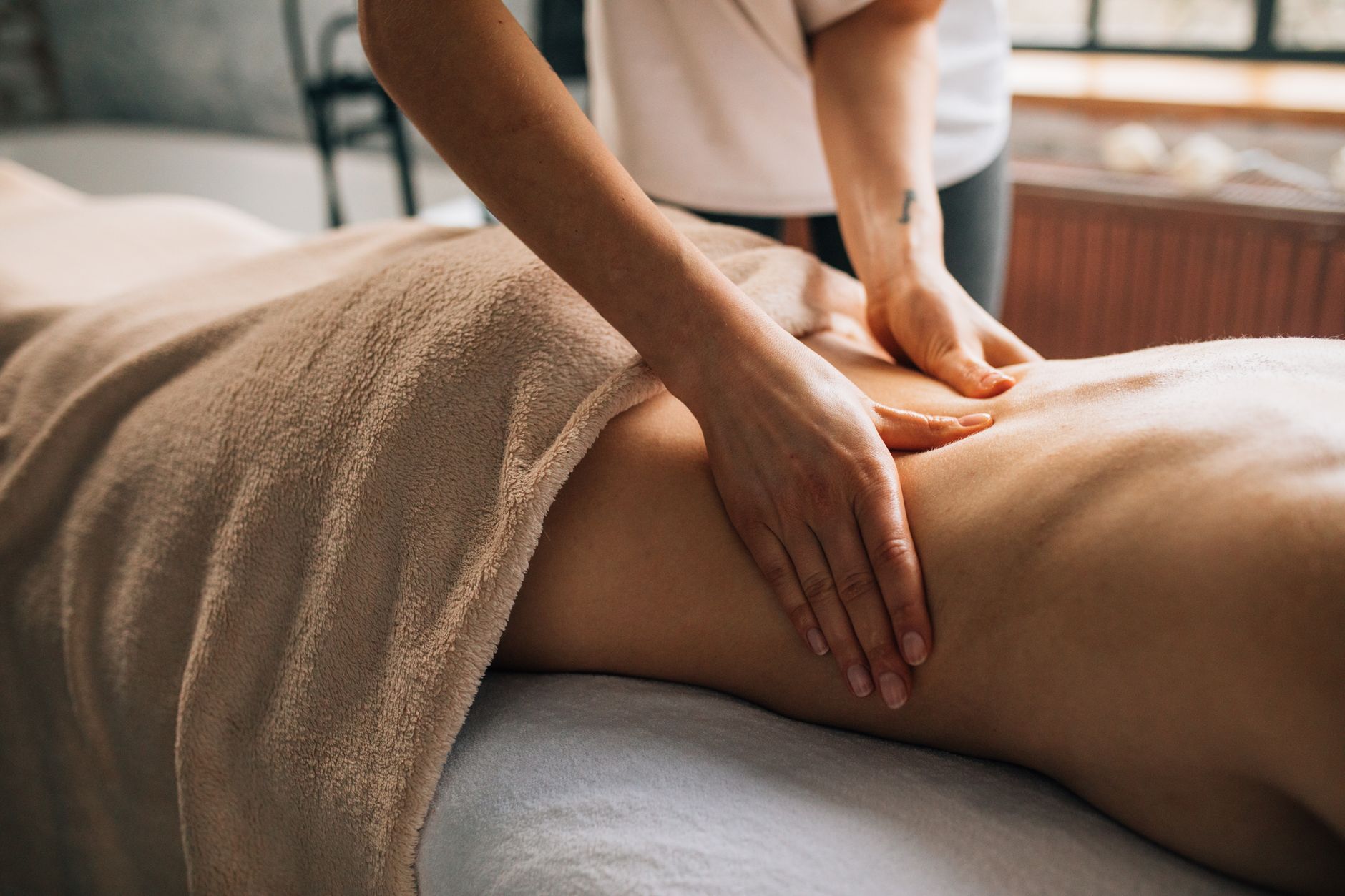
Deep massage can stress internal sutures, dislodge clots, or aggravate inflammation. Even gentle massage should be cleared first, especially after procedures involving the abdomen, breasts, joints, or face. Lymphatic drainage, when appropriate, should only be performed by a therapist trained in post-surgical care and only with your surgeon's approval.
Communal Pools and Shared Wet Areas
Warm, shared water can harbor microorganisms. Until wounds are fully closed and your immune system is not compromised, it is wise to avoid communal soaking. If you have any doubts, ask your clinic.
Your surgeon's clearance is not a formality — it is the single most important factor in deciding when you can safely enjoy a hammam again.
How Turkish Clinics Coach Patients on Safe Reintroduction
One of the strengths of Türkiye's medical tourism sector is the structured aftercare that many clinics provide. International patient coordinators often stay in touch by phone or messaging app, and they are used to answering questions about daily life — including hammam visits.
Typical coaching includes clear written discharge instructions, scheduled follow-up appointments or virtual check-ins, and specific guidance on wound care, sun exposure, exercise, and heat. Some clinics provide a checklist of activities to avoid and a timeline for reintroducing them. If you are unsure whether a particular spa experience is safe, you can — and should — ask before you book.
A practical approach many patients find helpful is to reintroduce warmth gradually. Start with a lukewarm shower once wounds are closed and cleared. Later, if approved, try a short, mild hammam visit with no scrubbing or deep massage, keeping the session brief and staying hydrated. Pay attention to how your body responds, and stop if you feel dizzy, uncomfortable, or notice any change around your surgical site.
It also helps to choose reputable, well-maintained hammams and thermal facilities. Cleanliness, trained staff, and a calm environment reduce risk and make the experience more enjoyable. Ask your clinic if they have preferred partners or recommendations — many do.
Enjoying Türkiye's Bath Heritage Responsibly
The Turkish hammam is a treasure, and there is no reason to rush it. Recovery is a season, and honoring your body's timeline is part of healing well. With your surgeon's guidance, patience, and a gradual approach, you can look forward to returning to the warm marble, the gentle steam, and the timeless ritual that has soothed generations.
If you are planning medical treatment in Türkiye and have questions about hammam or thermal spa visits during recovery, speak with your clinic's patient coordinator. They can translate cultural tradition into personalized, clinically sound advice — so you can experience Türkiye's healing heritage safely and fully.
Thinking about treatment in Turkey?
Share your contact details and a verified doctor will follow up with a plan built around you — free, no obligation.