

Why This Decision Matters More Than You Think
Every year, hundreds of thousands of international patients choose Türkiye for medical care — from hair transplants and dental crowns to bariatric surgery and cardiac procedures. One of the first questions you'll face is deceptively simple: should I book a hospital or a clinic?
The honest answer is that both settings deliver outstanding care in Türkiye. Many clinics are physician-led, equipped with modern operating theatres, and staffed by surgeons who also operate in major hospitals. Hospitals, meanwhile, offer something clinics typically cannot: a full multidisciplinary ecosystem under one roof, including emergency departments, intensive care units (ICUs), and specialist consultants from cardiology to nephrology.
This guide walks you through the practical differences — not to scare you away from either option, but to help you match the setting to your procedure, your health profile, and your peace of mind. Türkiye's healthcare ecosystem is one of the strongest in the world, and knowing how to navigate it is the key to a smooth experience.
The Real Difference: Depth of Backup, Not Quality of Care
Let's clear up a common misconception. A clinic is not a "lesser" hospital, and a hospital is not automatically "better." The difference is one of scope and infrastructure.
A well-run clinic excels at focused, elective, low-to-moderate-risk procedures. It offers intimacy, personalised attention, shorter waiting times, and often a more concierge-like experience. Many clinics in Istanbul, Antalya, and Izmir are purpose-built for medical tourism and deliver care that rivals anything in Europe or North America.
A hospital, by contrast, is a comprehensive medical city. It has an emergency room open 24/7, an ICU with ventilators and continuous monitoring, a blood bank, advanced imaging (MRI, CT, angiography), and a roster of on-call specialists. If something unexpected happens — a bleeding complication, an allergic reaction, a cardiac event — the hospital can respond immediately without transferring you.
In short: clinics are excellent at planned care. Hospitals are built for planned care plus the unexpected. Neither is inherently superior; they're designed for different risk profiles.
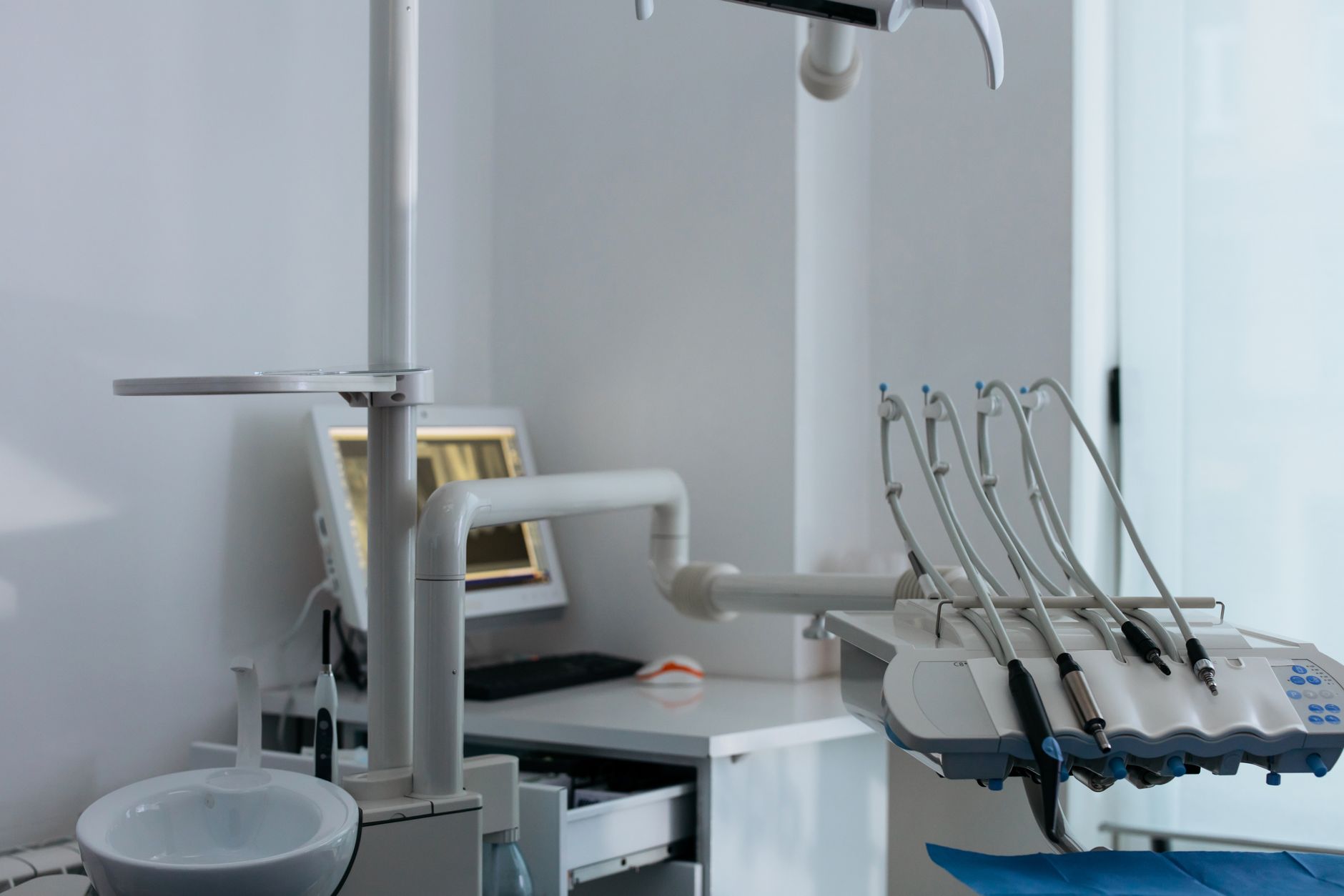
When a Turkish Clinic Is the Smart Choice
Clinics shine for procedures where the risk of major complications is low and the recovery is predictable. If your procedure fits these criteria, a clinic can offer a streamlined, comfortable, and cost-effective experience.
- Hair transplants and scalp micropigmentation: These are outpatient procedures with minimal systemic risk. Clinics specialising in hair restoration often have years of focused expertise.
- Dental work: Crowns, implants, veneers, and smile makeovers are typically done under local anaesthesia. A dedicated dental clinic is perfectly suited.
- Cosmetic injectables and minor dermatology: Botox, fillers, and skin treatments are low-risk and often performed in boutique clinics.
- Vision correction (LASIK, SMILE): Many eye clinics are highly specialised and perform thousands of procedures annually.
- Minor aesthetic procedures: For example, upper eyelid surgery or small liposuction under local anaesthesia in healthy patients.
If you're generally healthy, your procedure is superficial or minimally invasive, and you have no significant medical history, a clinic can be an excellent — and often more personal — choice.
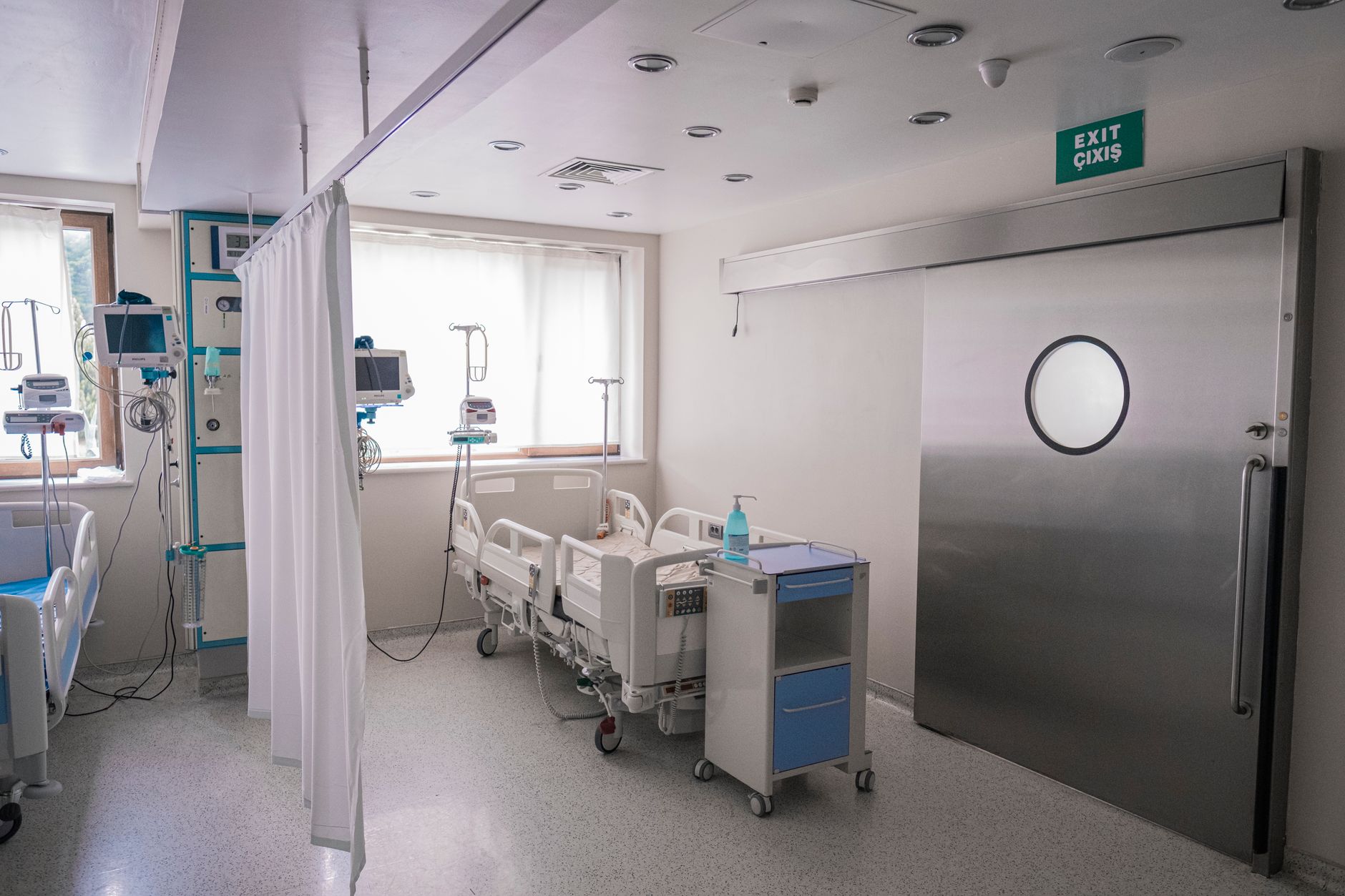
When a Turkish Hospital Offers Essential Peace of Mind
Hospitals are the appropriate setting when your procedure carries a higher risk of complications, when you have underlying health conditions, or when the procedure itself demands resources that only a hospital can provide.
- Bariatric surgery (gastric sleeve, bypass): While routine in experienced hands, it involves major anaesthesia, significant physiological changes, and a small but real risk of leaks or bleeding. Hospital-based care with ICU backup is strongly recommended.
- Orthopaedic surgery (hip/knee replacement, spine surgery): These require blood availability, post-operative monitoring, and access to physiotherapy and internal medicine.
- Cardiac procedures: Angioplasty, bypass, and valve surgery must be done in a hospital with a cardiac ICU and cardiothoracic surgery team.
- Oncology care: Cancer treatment often requires multidisciplinary input — surgery, chemotherapy, radiology — all coordinated within a hospital.
- Any procedure in patients with chronic conditions: Diabetes, hypertension, heart disease, or a history of blood clots increase risk. A hospital can manage these holistically.
- Combination procedures ("mommy makeover", multi-level dental plus cosmetic): Longer anaesthesia times and multiple surgical sites favour a hospital setting.
This isn't about fear. It's about matching the setting to the risk. A hospital's ICU access and multidisciplinary team are simply not available in a standalone clinic — and for complex cases, that backup is invaluable.
How to Assess Your Own Risk Profile
You don't need a medical degree to make a sensible choice. Ask yourself these practical questions:
- What is the anaesthesia plan? Local anaesthesia (awake) rarely requires hospital backup. Sedation or general anaesthesia carries more risk and is safer in a hospital.
- How invasive is the procedure? Incisions, tissue removal, and internal sutures increase complication potential.
- What is my personal health history? Be honest about diabetes, heart conditions, sleep apnoea, bleeding disorders, or previous complications.
- What is the expected recovery? If you'll need IV pain relief, monitoring, or overnight nursing care, a hospital is the safer bet.
- What does the surgeon recommend? Experienced surgeons will tell you honestly where they prefer to operate — and why.
If you answer "low risk" to most of these, a clinic may be perfect. If any answer raises a flag, a hospital's broader infrastructure is the prudent choice.
What About Accredited Clinics with Hospital Partnerships?
Türkiye has a growing number of hybrid models. Some clinics are affiliated with hospitals and can transfer patients seamlessly if needed. Others operate within hospital campuses, giving you clinic-like intimacy with hospital-level backup.
When evaluating a clinic, ask about its emergency protocol. Does it have a written transfer agreement with a nearby hospital? Is there a physician on-site at all times? Are there anaesthesiologists present for sedation? A transparent clinic with strong protocols can be very safe for the right patient.
Likewise, many Turkish hospitals offer boutique wings or "VIP" floors designed for international patients, combining hospital safety with hotel-like comfort. This can be the best of both worlds.
Making the Decision: A Practical Checklist
Use this checklist when comparing your options:
- Procedure type: Outpatient/minimally invasive → clinic. Invasive/major → hospital.
- Anaesthesia: Local → clinic. Sedation/general → hospital (or clinic with anaesthesia team and transfer plan).
- Health status: Healthy → clinic. Chronic conditions → hospital.
- Emergency access: 24/7 ER and ICU on-site → hospital. Transfer agreement → acceptable clinic.
- Aftercare: Overnight monitoring, IV therapy, physiotherapy → hospital.
- Comfort preferences: Boutique, personalised, low-traffic → clinic. Structured, multidisciplinary, high-resource → hospital.
There is no universal "right" answer. The goal is to align the setting with your medical needs and your comfort level.
Trusting Türkiye's Healthcare Ecosystem
Türkiye is home to over 1,500 hospitals, many with JCI accreditation, and a thriving network of specialised clinics. The country's health system combines advanced technology, highly trained physicians, and competitive pricing. Whether you choose a clinic or a hospital, you are accessing a mature medical tourism infrastructure that caters to international patients with translators, airport transfers, and coordinated aftercare.
The key is to do your homework. Check credentials, ask about emergency protocols, read reviews from other international patients, and don't hesitate to request a video consultation with your surgeon. A reputable provider — whether clinic or hospital — will welcome your questions.
Ultimately, the choice between a Turkish hospital and a Turkish clinic is not about quality; it's about fit. Both can deliver excellent outcomes. By matching the setting to your procedure and risk profile, you set yourself up for a safe, successful, and stress-free medical journey in Türkiye.
Thinking about treatment in Turkey?
Share your contact details and a verified doctor will follow up with a plan built around you — free, no obligation.