

A New Standard in Patient Nutrition
In a significant stride for medical tourism, accredited Turkish hospitals are rolling out comprehensive allergy-safe catering programmes designed specifically for international patients recovering from surgery. These initiatives go beyond standard hospital fare, offering meals that are not only nutritious but also tailored to individual dietary needs, including food allergies, diabetes, renal conditions, and cultural or religious preferences.
The programme reflects a growing recognition that proper nutrition is a cornerstone of post-operative recovery. “We realised that recovery isn’t just about medication and surgery; it’s about what patients eat,” says Dr. Elif Kaya, a clinical nutritionist at a JCI-accredited hospital in Istanbul. “For international patients, unfamiliar food can be a source of stress and even risk. Our goal is to make mealtimes safe, comforting, and healing.”
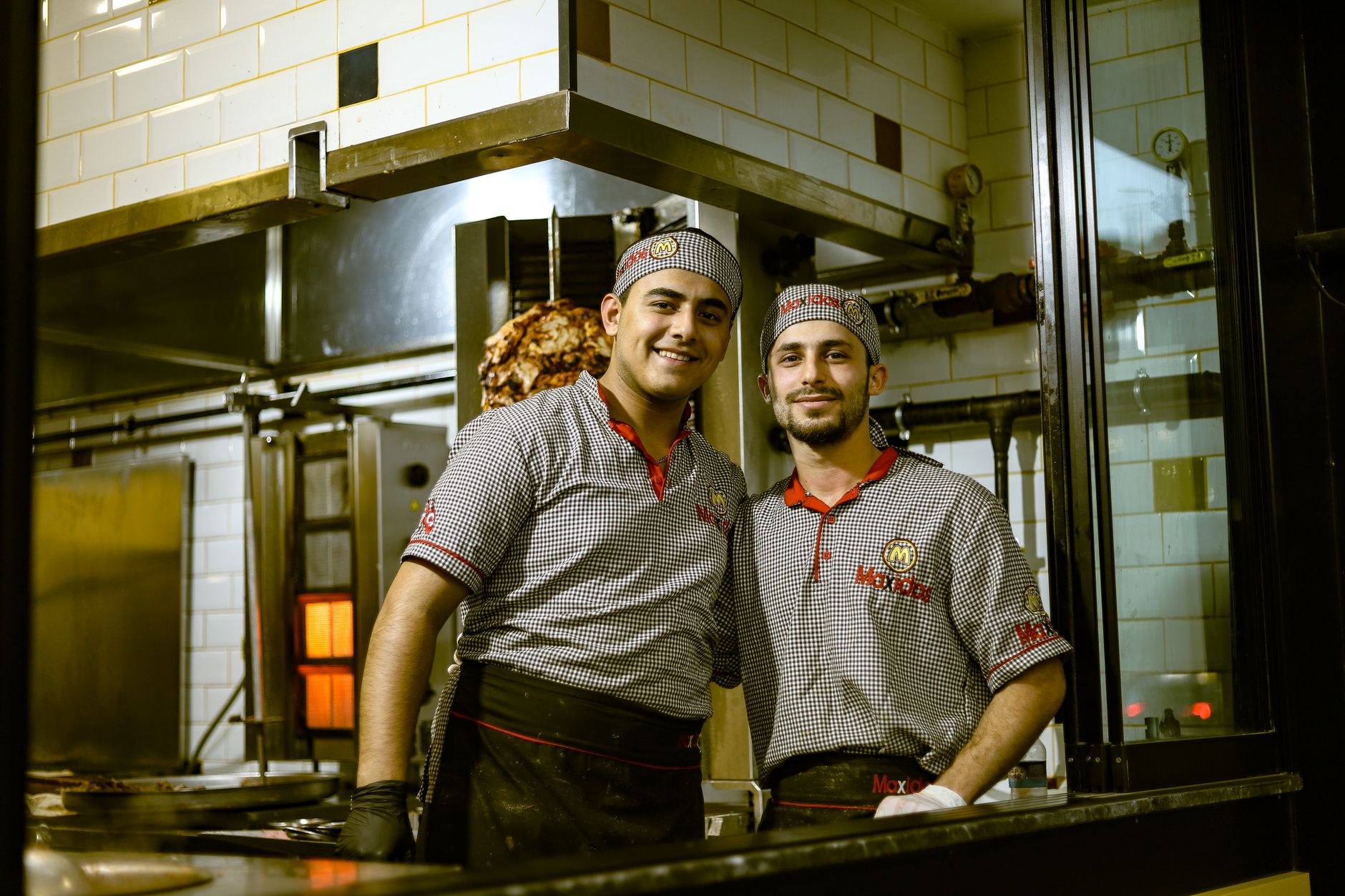
Hospitals across Istanbul, Ankara, and Izmir are now employing dedicated dietitians who work with patients and their families to create personalised meal plans. These plans are then executed by hospital kitchens that have been trained in allergen management, cross-contamination prevention, and special dietary preparations.
Tailoring Meals for Allergies and Chronic Conditions
For patients with food allergies, the stakes are high. A stray peanut or shellfish protein can trigger a severe reaction, compromising recovery. Turkish hospitals have responded by implementing strict protocols: separate preparation areas, colour-coded utensils, and thorough staff training. “We treat every allergy as a critical safety issue,” explains Chef Murat Demir, who oversees kitchen operations at a leading private hospital in Antalya. “We source ingredients from certified suppliers and maintain detailed ingredient logs.”
Diabetes management is another key focus. Post-operative patients often experience fluctuating blood sugar levels, and meals are designed to be low-glycemic, high-fibre, and balanced. “We use whole grains, lean proteins, and plenty of vegetables,” says dietitian Ayşe Yılmaz. “But we also make sure the food tastes good. Recovery is hard enough; patients shouldn’t dread their meals.”
Renal diets, which require careful control of potassium, phosphorus, and sodium, are also accommodated. The hospital kitchens work closely with nephrologists to ensure that renal patients receive meals that support kidney function without sacrificing flavour. Herbs and spices replace salt, and cooking methods like steaming and grilling preserve nutrients.

Honouring Cultural and Religious Preferences
Understanding that food is deeply tied to culture and identity, Turkish hospitals are also catering to religious and cultural preferences. Halal meals are standard, but hospitals also offer kosher, vegetarian, and vegan options. For patients from the Middle East, dishes like lentil soup and grilled meats are prepared with familiar spices; for European patients, lighter fare with olive oil and fresh salads is available.
“We had a patient from Japan who was recovering from cardiac surgery,” recalls Dr. Kaya. “He missed miso soup. Our kitchen team learned to prepare a low-sodium version that fit his renal diet. Seeing him smile while eating was priceless.” Such stories are becoming common as hospitals invest in cultural competence training for staff.
Families travelling with patients also benefit. Multilingual dietitians are available for consultations, helping family members understand dietary restrictions and even teaching them how to prepare suitable meals at home after discharge. “We don’t just treat the patient; we support the whole family,” says Yılmaz.
Accreditation and Quality Assurance
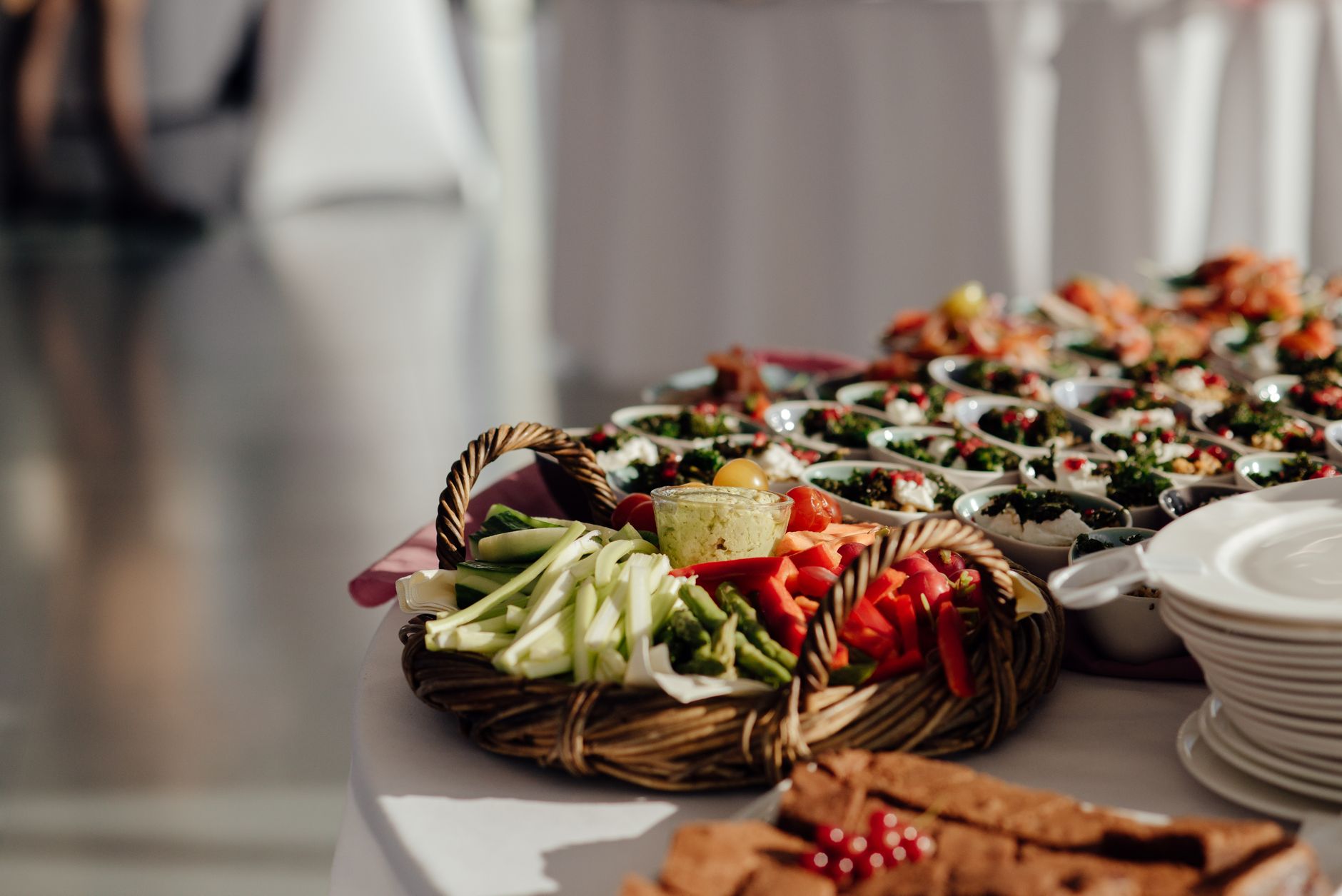
The push for allergy-safe catering is driven in part by accreditation requirements. Hospitals accredited by the Joint Commission International (JCI) or Temos must meet stringent standards for patient nutrition. Turkish hospitals have embraced these standards, viewing them as an opportunity to differentiate themselves in the competitive medical tourism market.
Regular audits ensure compliance. Kitchens are inspected for allergen control, and patient satisfaction surveys include questions about meal quality and safety. “We’ve seen a measurable improvement in patient outcomes and satisfaction since implementing these programmes,” notes Demir. “It’s not just about avoiding problems; it’s about actively promoting healing.”
International patient coordinators report that dietary considerations are a top concern for those choosing a hospital abroad. “When families inquire, they often ask about food,” says Zeynep Arslan, a coordinator at a Istanbul hospital. “Knowing that we can accommodate their needs gives them peace of mind.”
The Role of Multilingual Dietitians
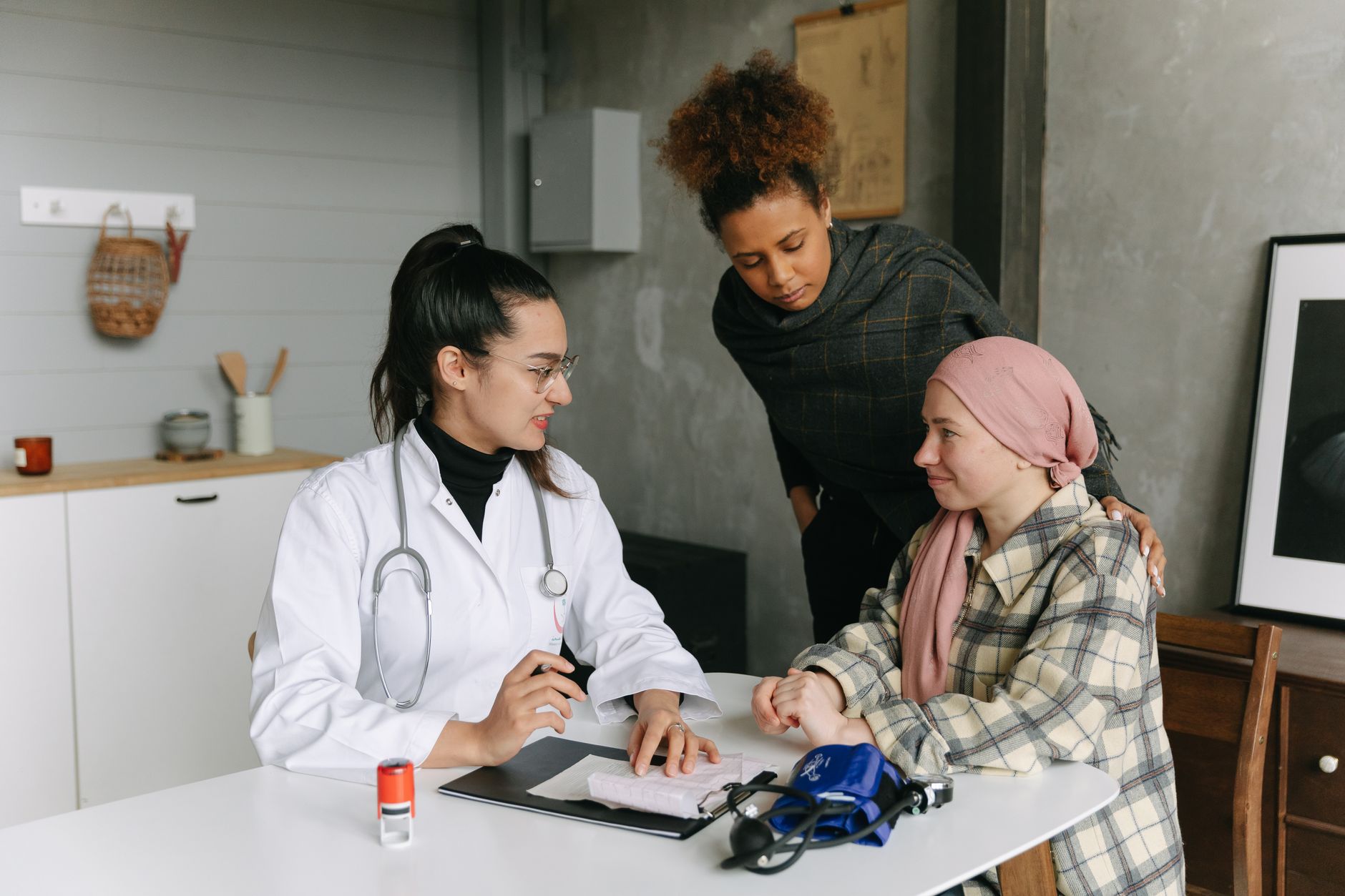
Communication is critical when discussing dietary needs. Turkish hospitals now employ dietitians fluent in English, Arabic, Russian, and other languages. These professionals conduct one-on-one consultations, explaining meal plans, ingredient choices, and safe alternatives. They also liaise with the kitchen to ensure orders are accurate.
“I once had a patient who spoke only Russian and had a severe gluten allergy,” shares dietitian Elena Petrova. “Through an interpreter, we created a plan that included gluten-free bread and pasta. He was thrilled to have borscht, a taste of home, made without gluten.” Such personalised attention fosters trust and enhances the overall medical tourism experience.
For families, dietitians offer group sessions on meal preparation and grocery shopping in local markets. This empowers them to maintain dietary regimens during their stay and after returning home.
Looking Ahead: Innovations and Expansion
Turkish hospitals are continuously innovating. Some are experimenting with 3D-printed soft foods for patients with swallowing difficulties, while others are developing mobile apps that allow patients to select meals based on their dietary profile. The goal is to make personalised nutrition seamless and accessible.
As medical tourism in Turkey grows, so does the demand for specialised dietary services. Hospitals are expanding their teams and investing in new kitchen technologies. “We see this as part of our commitment to holistic care,” says Dr. Kaya. “Every patient deserves to heal with dignity and comfort.”
For international patients, the message is clear: in Turkey, recovery is nourished with care, expertise, and a deep respect for individual needs.
Thinking about treatment in Turkey?
Share your contact details and a verified doctor will follow up with a plan built around you — free, no obligation.