

Family-Centred Wards Designed Around Children and Parents
Turkish hospitals are increasingly redesigning paediatric wards with families in mind. Instead of separate parent waiting areas, many now offer rooms where a parent can stay overnight beside their child, with ensuite facilities and space for a caregiver to rest. This shift reflects a growing understanding that a child's recovery is closely tied to the presence and calm of their family.
Several Istanbul hospitals have introduced dedicated family lounges, quiet rooms and play corners on paediatric floors. These spaces allow siblings and grandparents to remain close without disturbing clinical care. For families travelling from abroad, this reduces the logistical strain of finding nearby accommodation and helps keep the focus on the child.
International patient departments often coordinate these stays, helping parents understand ward routines, visiting hours and what to bring. The goal is simple: fewer surprises, more time together, and a smoother hospital experience for everyone.
Child-Friendly Environments That Reduce Anxiety
From colourful murals to sensory-friendly waiting areas, Turkish paediatric hospitals are making clinical spaces feel less intimidating. Many centres now use distraction techniques — such as play therapy, tablet-based games and reading corners — before procedures, which can lower a child's stress and make cooperation easier.
Some hospitals have dedicated play specialists who work alongside doctors and nurses. These specialists prepare children for what will happen using simple language, dolls or short videos, so the child knows what to expect. Parents are often included in these sessions, giving them tools to reassure their child in their own language.
Wayfinding has also improved. Clear signage, pictorial guides and multilingual directions help families navigate large hospital campuses without feeling lost. For international families, this practical support can be as valuable as the medical care itself.
Specialist Paediatric Teams with International Experience
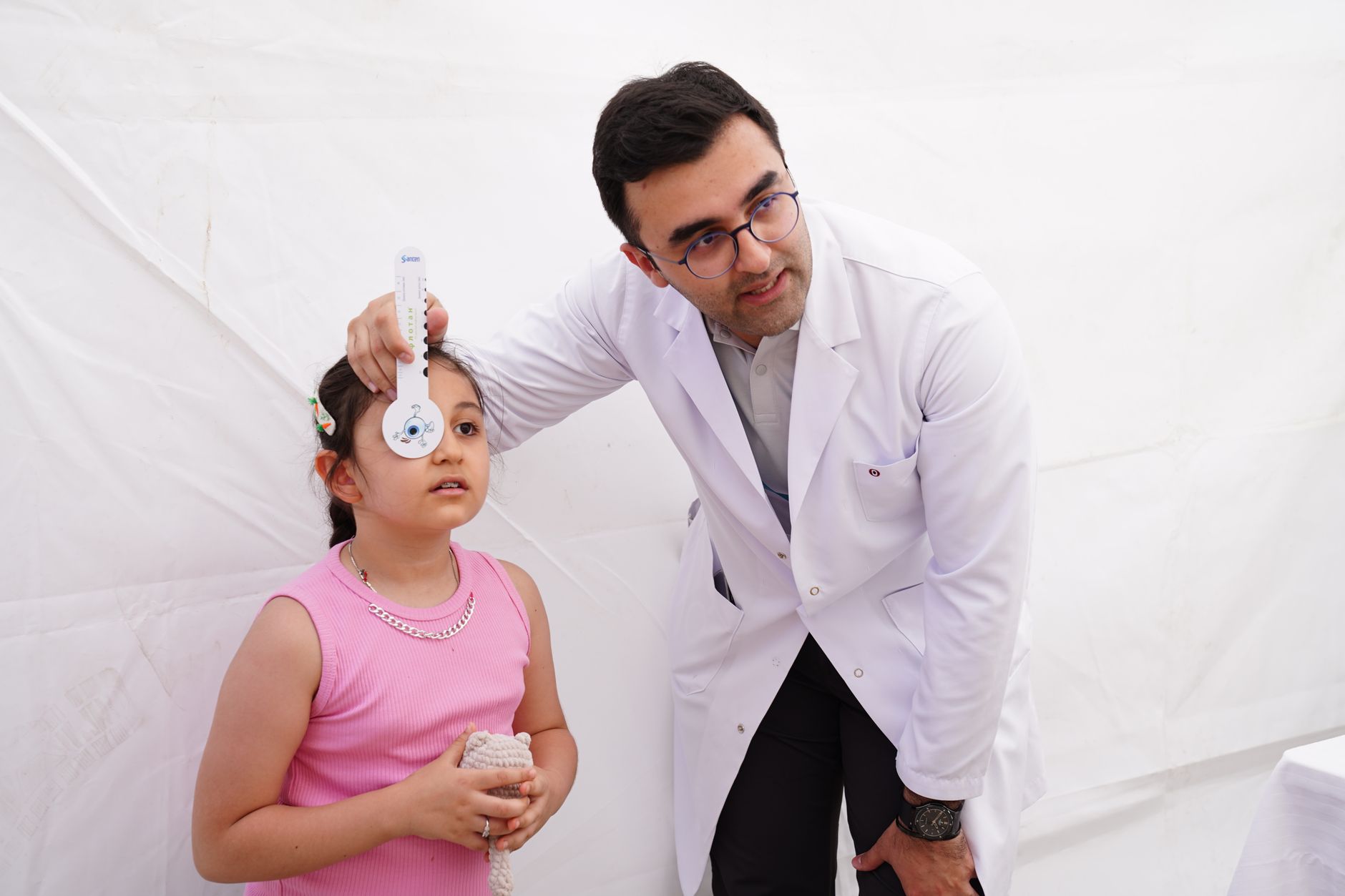
Turkey's major children's hospitals bring together paediatric subspecialists across cardiology, oncology, neurology, orthopaedics and neonatal care. Many team members have trained or worked abroad and are used to collaborating with international referring physicians. This helps ensure that medical records, imaging and treatment plans travel smoothly with the family.
Multidisciplinary clinics are common, meaning a child may see several specialists in one visit rather than multiple appointments across weeks. For families coming from another country, this coordinated approach saves time and reduces repeated travel. It also allows the team to discuss complex cases together and agree on a single, clear plan.
Language support is a key part of the service. Hospitals typically provide interpreters for Arabic, English, Russian, German and other languages, either in person or by phone. Written summaries and consent forms are often translated, so parents can make informed decisions without misunderstanding.

Coordinated Support Before, During and After Travel
International patient offices act as a single point of contact from the first enquiry to follow-up care. They help with appointment scheduling, medical record review, visa invitation letters and airport transfers. Many also assist with accommodation near the hospital and provide a written cost estimate before travel, so families can plan with confidence.
On arrival, a coordinator often meets the family, accompanies them to consultations and explains next steps. This continuity matters when parents are navigating an unfamiliar health system in a foreign language. It also helps reduce the administrative burden so that parents can concentrate on their child.
After treatment, hospitals usually provide a discharge summary in the family's language along with imaging and test results. Telemedicine follow-ups are increasingly available, allowing the child's local doctor to stay involved. This bridge between Turkey and the home country supports safer, more seamless ongoing care.

What Families Should Know When Planning Paediatric Care in Turkey
Before travelling, families should gather relevant medical records, recent imaging and a list of current medications. Sending these ahead allows the Turkish team to review the case and confirm whether the child is a suitable candidate for treatment. It also helps the hospital provide a realistic estimate of duration and cost.
Parents should ask about the qualifications of the paediatric specialists, the availability of child-sized equipment and the hospital's experience with their child's specific condition. It is reasonable to request a written treatment plan and to clarify what is included in the quoted price, such as consultations, tests, surgery, medication and follow-up.
Travel logistics matter too. Families should check passport and visa requirements, arrange travel insurance that covers the child, and plan for at least one parent to stay throughout the hospitalisation. Many hospitals can recommend family-friendly accommodation nearby, and some offer discounts with partner hotels.
Reassurance for Parents Making a Difficult Decision
Choosing to seek care abroad is rarely easy. Turkish paediatric hospitals are responding by making the experience more transparent and supportive, with clear communication, family-centred wards and teams that understand the needs of international patients. For many parents, this combination of specialist expertise and practical help provides the reassurance they need.
The emphasis on keeping families together, explaining each step and coordinating care across borders reflects a broader shift in paediatric medicine: treating the child within the context of their family. When parents feel informed and supported, children often feel safer too.
Families considering treatment in Turkey can start by contacting a hospital's international patient department directly. Asking questions, requesting a written plan and speaking with other families who have travelled before can help turn a daunting decision into a manageable next step.
Thinking about treatment in Turkey?
Share your contact details and a verified doctor will follow up with a plan built around you — free, no obligation.