

What the new aftercare packs contain
Accredited clinics across Türkiye have begun issuing standardised aftercare packs to international patients before they fly home. Each pack is assembled in the patient's own language and follows a common format agreed among participating facilities, so the information looks familiar whether a patient was treated in Istanbul, Ankara or Antalya.
The packs typically include a printed and digital medication schedule with dosage times, a wound-care and dressing guide, a list of warning signs that should prompt a call to the clinic, and the direct contact details of the patient's Turkish care team. Digital versions are sent by email or secure message so they can be opened on a phone at any time.
Rather than replacing the advice of a patient's own doctor at home, the materials are designed to sit alongside it, setting out what was done during treatment in Türkiye and what the treating team recommends for the first weeks of recovery.
Why standardisation matters for patient safety
In the past, aftercare instructions varied between clinics, and patients sometimes received documents in a language they did not fully read. Standardising the packs means the same core information is covered in every case, including medication names, dosages and timings, which reduces the risk of confusion once a patient is back in their home routine.
Clear wound-care instructions are a central part of the format. Patients are shown how to keep a surgical site clean, when dressings should be changed, and which signs, such as unusual redness, swelling or discharge, should be reported to the clinic without delay.
The approach also gives patients a written record they can share with their local doctor or pharmacist if needed, supporting continuity of care rather than interrupting it.
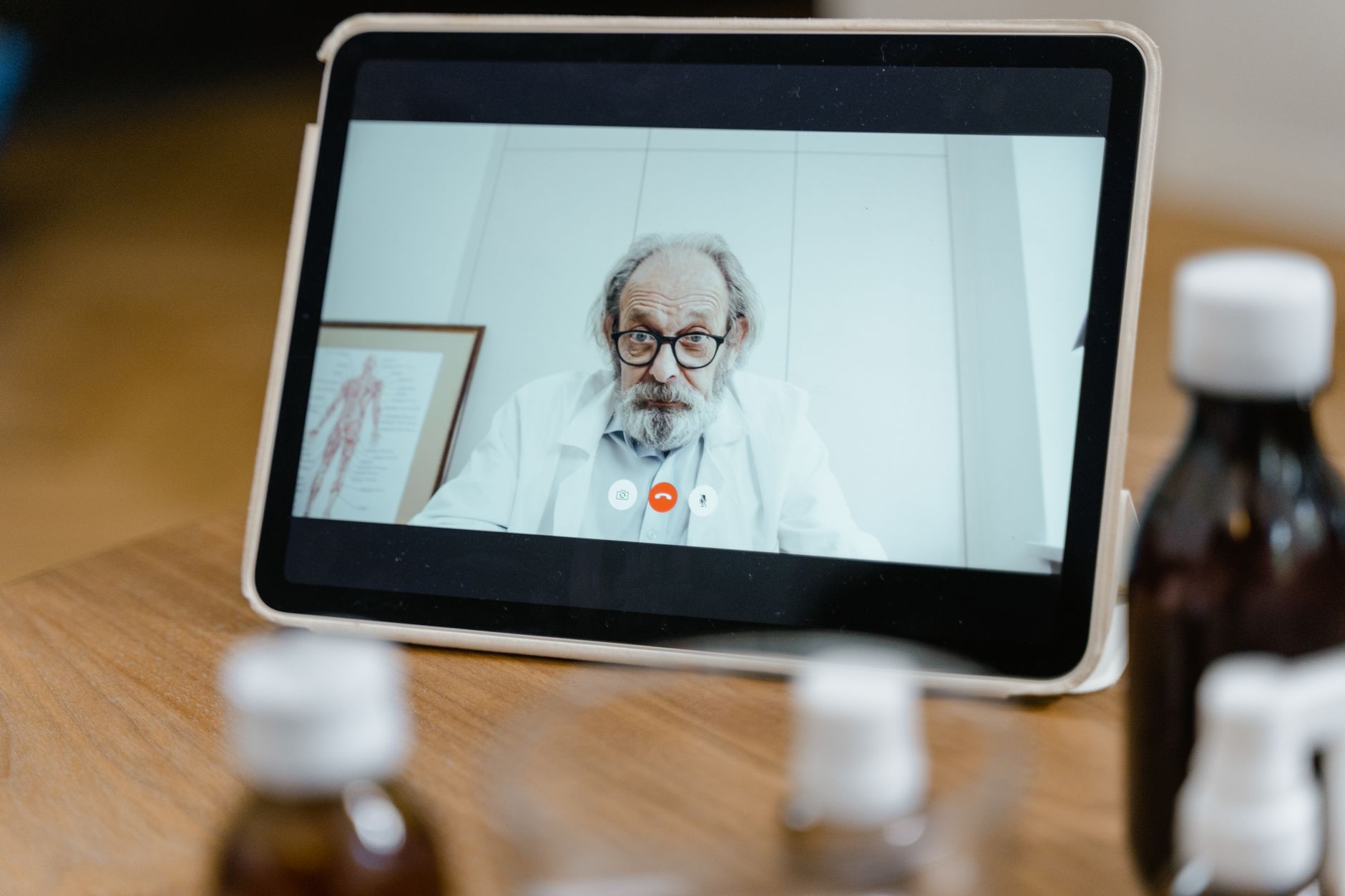
Scheduled video follow-ups keep the connection open
Alongside the printed materials, many accredited clinics now schedule video follow-up appointments before the patient leaves Türkiye. These are booked for set intervals after discharge, such as the first week, the first month and, where relevant, the third month.
During these calls, a nurse or clinician from the Turkish team reviews healing, checks that medication is being taken as planned and answers questions. If the patient's local doctor has observations to share, these can be discussed in the same conversation.
Appointments are arranged in the patient's language wherever possible, and a written summary of each call is added to the patient's file and shared with them afterwards.

Language support in the patient's own words
Translation is handled by medical interpreters rather than general translation tools, so terms such as 'suture', 'drain' or 'anticoagulant' are rendered accurately. Instructions are written in plain language and avoid unnecessary jargon.
Patients receive the aftercare pack in their preferred language, and the same language is used during video follow-ups. Where a patient speaks more than one language, the clinic can provide materials in the version the patient finds easiest to read.
This matters most for medication schedules, where a misunderstanding about timing or dose can affect recovery. Having the schedule written clearly in a familiar language gives patients and their families a simple reference point at home.

Practical benefits for overseas patients
For patients travelling from abroad, the main benefit is continuity. Instead of leaving with a few handwritten notes, they go home with an organised pack covering what to do, when to do it and who to contact.
Clear medication schedules help patients avoid missed or doubled doses, particularly when several medicines are involved. Wound-care instructions in the patient's own language make daily dressing routines easier to follow correctly.
Scheduled video follow-ups give a fixed point to raise concerns, rather than waiting for a problem to become urgent. Patients also report that knowing a call is already booked reduces anxiety during the first weeks after surgery.

How to use the packs alongside local care
Clinics emphasise that the aftercare pack is a guide, not a substitute for medical advice at home. Patients are encouraged to register with a local doctor after returning and to share the Turkish aftercare documents during that appointment.
If a local clinician advises a change to medication or wound care, that advice should take priority, and the Turkish care team can be informed through the contact details provided in the pack.
For emergencies, patients should always contact local emergency services first. The Turkish team's contact line is intended for questions about the treatment received in Türkiye and for scheduled follow-up discussions.
What this means for medical travel to Türkiye
The initiative reflects a broader effort among accredited Turkish clinics to make the full patient journey, not only the procedure itself, more predictable and better documented. Aftercare that travels with the patient is seen as an important part of that journey.
For prospective medical travellers, the packs offer a concrete question to ask when comparing clinics: what aftercare is provided, in which language, and how are follow-up appointments arranged once I return home.
As more facilities adopt the standardised format, patients considering treatment in Türkiye can expect clearer, more consistent information, both before departure and long after the flight home.
Thinking about treatment in Turkey?
Share your contact details and a verified doctor will follow up with a plan built around you — free, no obligation.