

Why Türkiye Leads in Chronic Wound and Diabetic Foot Care
Türkiye has emerged as a global destination for advanced medical care, and its hospital-based chronic wound and diabetic foot clinics are among the most respected in Europe and the Middle East. These centres bring together vascular surgeons, endocrinologists, infectious disease specialists, podiatrists, and specialised wound care nurses under one roof. For patients living with diabetes, peripheral artery disease, or non-healing wounds, this multidisciplinary approach can mean the difference between amputation and limb preservation.
What sets Turkish clinics apart is not only their technology but their culture of hospitality. Patients often describe feeling like guests rather than cases. Appointments are long enough to answer every question, and care plans are explained in plain language. International patient departments coordinate everything from airport pickup to translation, making the journey smooth for travellers from Europe, the Middle East, Africa, and beyond.
This guide walks you through what to expect: how these clinics assess and treat chronic wounds, the advanced dressings and debridement techniques they use, how they evaluate blood flow, and why structured follow-up is the cornerstone of lasting healing. Whether you are seeking a second opinion or definitive treatment, understanding the Turkish model can help you make confident decisions.
What Makes a Wound "Chronic" — and Why Specialised Care Matters
A chronic wound is one that fails to heal in an orderly, timely way — often after four weeks without significant improvement, or eight weeks without complete closure. Common types include diabetic foot ulcers, venous leg ulcers, pressure injuries, and arterial ulcers. These wounds are not simply slow to heal; they are stuck in a state of inflammation, often complicated by poor circulation, infection, and underlying disease.
In many healthcare systems, chronic wounds are managed in fragments: a family doctor prescribes an antibiotic, a nurse changes a dressing, and a vascular specialist is consulted only when things worsen. Türkiye's hospital-based clinics reject this fragmentation. From day one, you receive a comprehensive evaluation that looks at the whole patient — not just the hole in the skin.
This matters because the root causes of a non-healing wound are rarely local. Diabetes damages nerves and blood vessels. Poor arterial flow starves tissue of oxygen. Unrelieved pressure prevents repair. Infection creates a hostile environment. Without addressing each factor, even the most sophisticated dressing will fail. Turkish teams are trained to think in systems, and their patients benefit from that rigour.
The Multidisciplinary Team: Your Healing Circle
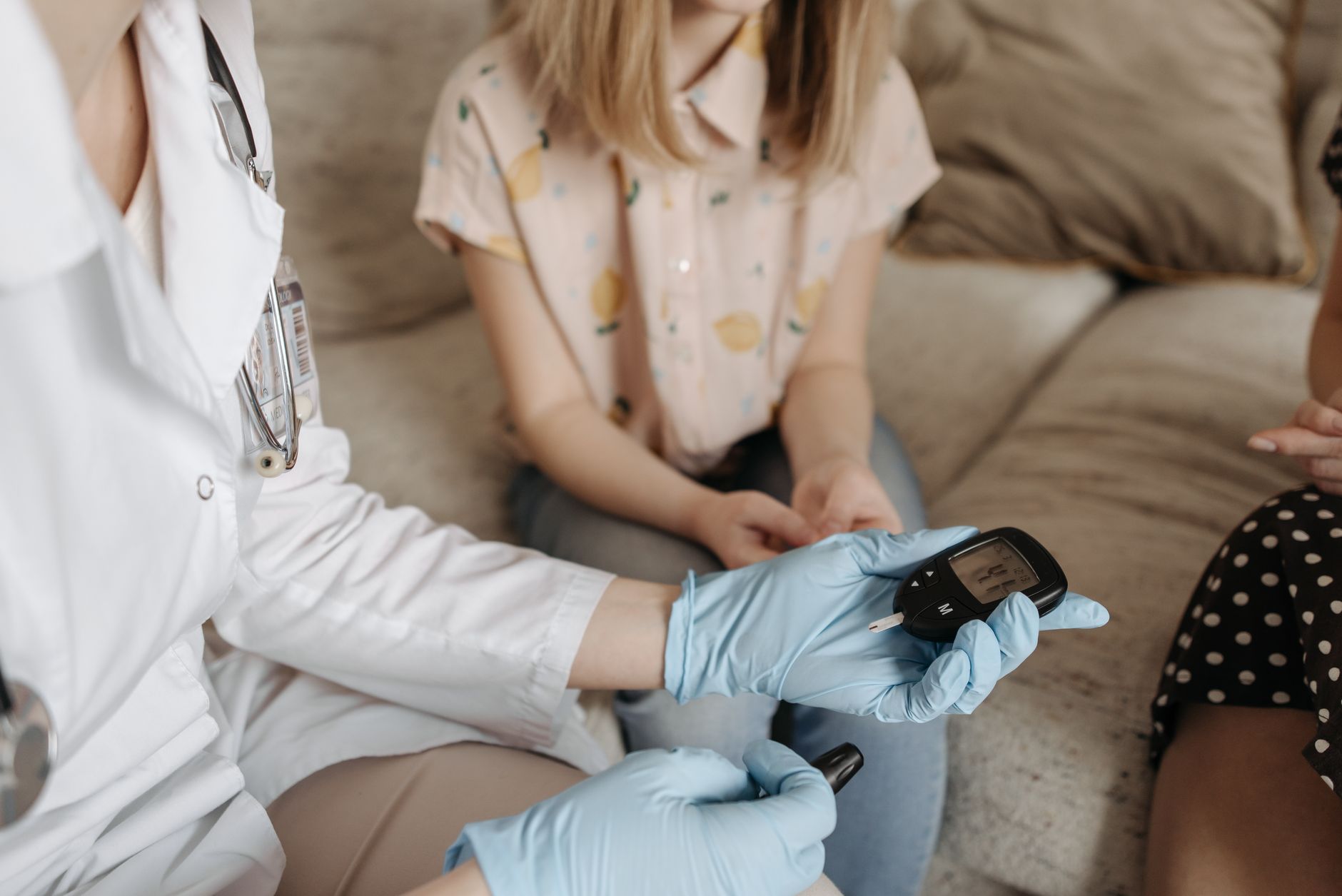
At a Turkish wound care centre, you are never treated by a single doctor in isolation. Instead, a team collaborates on your case. A vascular surgeon assesses circulation and may perform angioplasty or bypass to restore blood flow. An endocrinologist optimises blood sugar, because glucose control directly affects healing. An infectious disease specialist identifies the bacteria in your wound and tailors antibiotics. A podiatrist offloads pressure from the ulcer with custom orthotics or casts. Wound care nurses — often the unsung heroes — perform debridement and select advanced dressings.
This team meets regularly to discuss complex cases, sharing imaging, lab results, and photographs of the wound. You may not see all of them at every visit, but their coordinated plan guides your care. For international patients, this means fewer separate appointments and faster decisions. It also means that if your wound fails to improve, the team can pivot quickly rather than waiting weeks for another referral.
Equally important is the emotional support. Chronic wounds are exhausting and isolating. Turkish clinics often include psychologists or trained counsellors who help patients cope with pain, immobility, and the fear of amputation. Many centres also run patient education sessions, teaching you how to care for your feet, recognise early warning signs, and manage your diet. Knowledge is power, and it reduces the chance of recurrence.
Advanced Debridement and Wound Bed Preparation
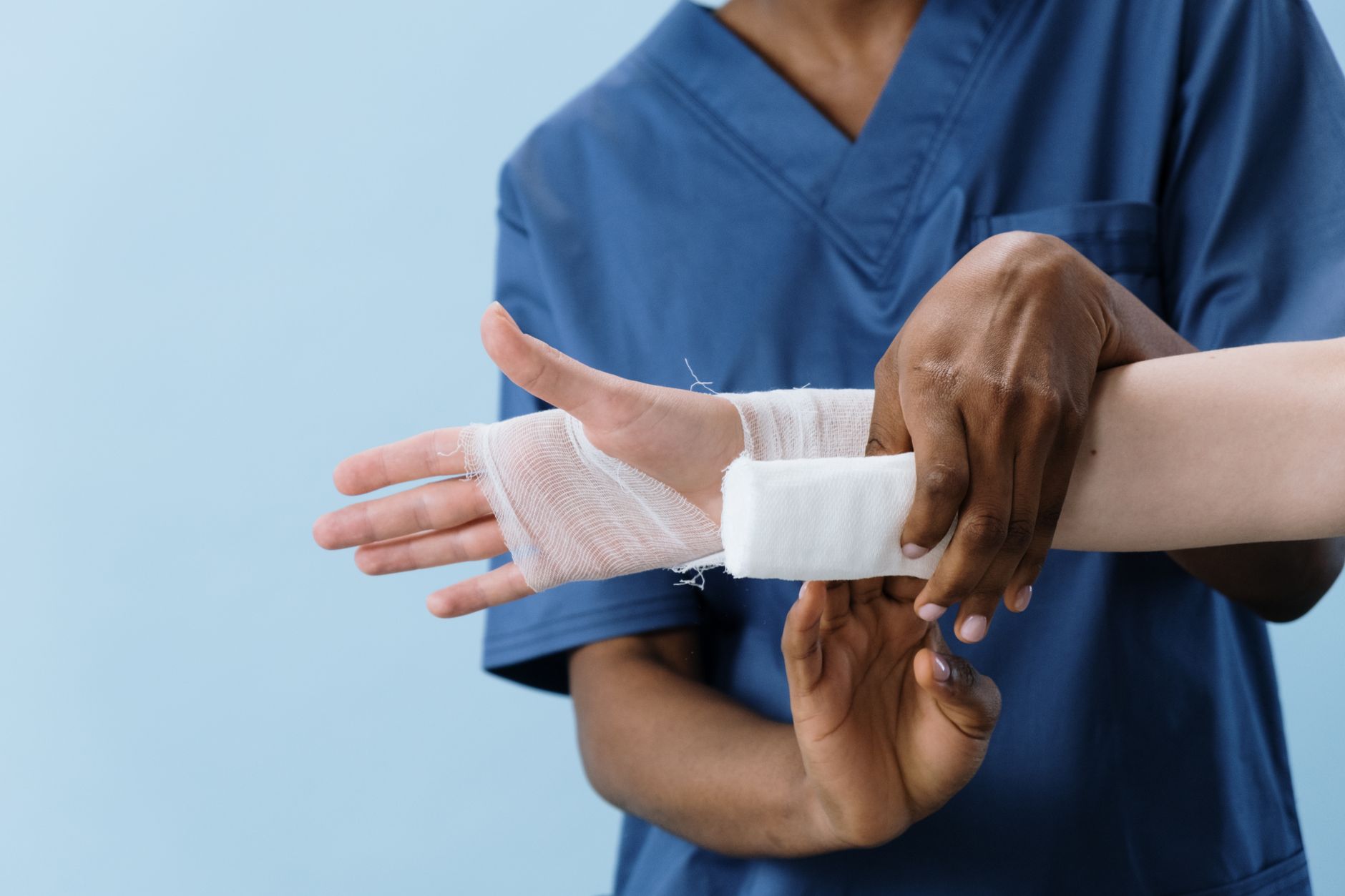
Debridement — the removal of dead, infected, or contaminated tissue — is the foundation of wound healing. Without it, bacteria thrive and healthy tissue cannot grow. Turkish clinics are skilled in multiple debridement methods, choosing the right one for your wound's condition and your comfort. Sharp debridement, performed by a trained clinician with sterile instruments, is precise and immediate. Enzymatic debridement uses topical agents to dissolve dead tissue gently. Autolytic debridement harnesses your body's own enzymes under a moisture-retentive dressing. And for complex wounds, surgical debridement in the operating room may be necessary.
The goal is not just to clean the wound but to prepare the wound bed for healing — a concept called wound bed preparation. This involves controlling bioburden (bacteria), removing non-viable tissue, managing moisture balance, and stimulating the edges of the wound to close. Turkish specialists are meticulous about this, often using advanced dressings such as hydrocolloids, foams, alginates, and hydrogels. They may also apply negative pressure wound therapy, which uses a vacuum dressing to draw fluid away and promote blood flow.
Patients often notice a difference quickly. A foul odour may disappear, pain may lessen, and the wound may begin to look pink and healthy. But debridement is not a one-time event. It is a series of treatments, adjusted as the wound evolves. Turkish clinics schedule these sessions efficiently, sometimes every few days, to maintain momentum. For travellers, this means planning a stay of several weeks, but the intensive approach often shortens overall healing time.
Vascular Assessment: Restoring Blood Flow to Save Limbs
No wound can heal without adequate blood supply. That is why every patient at a Turkish diabetic foot clinic undergoes a thorough vascular assessment. This typically includes ankle-brachial index (ABI) measurement, Doppler ultrasound, and sometimes CT angiography or magnetic resonance angiography. These tests reveal blockages or narrowing in the arteries that supply the leg and foot.
If significant peripheral artery disease is found, the team can act immediately. Endovascular procedures such as balloon angioplasty and stenting reopen narrowed arteries through a small puncture in the groin or arm. For more extensive blockages, vascular bypass surgery may be performed using a vein from your leg or a synthetic graft. Restoring pulsatile blood flow to the foot is often the single most important step in healing a diabetic foot ulcer and preventing amputation.
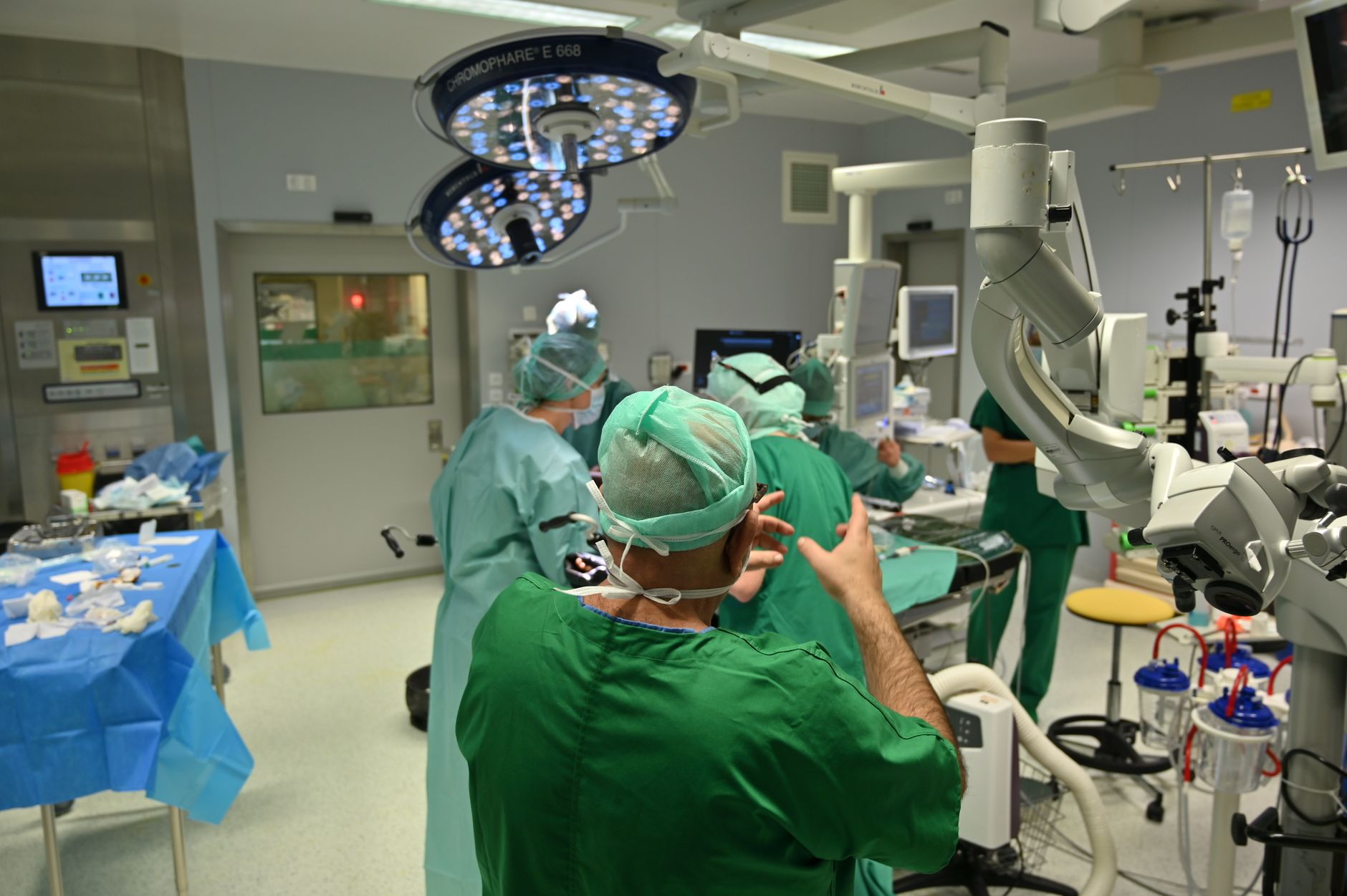
Turkish vascular surgeons are highly experienced in these techniques, performing thousands of procedures annually. Hospitals are equipped with hybrid operating rooms that allow angioplasty and open surgery in the same session if needed. After revascularisation, the wound care team adjusts the dressing regimen and offloading strategy to maximise the benefit. Patients frequently report warm feet, reduced pain, and visible granulation tissue within days — signs that healing has finally begun.
Advanced Dressings and Adjunctive Therapies
Once blood flow is optimised and the wound bed is clean, the right dressing can accelerate closure. Turkish clinics stock a wide range of modern dressings, and specialists select them based on the wound's moisture level, depth, and infection status. Foam dressings manage exudate; hydrocolloids create a moist environment for shallow wounds; alginates and hydrofibers absorb heavy drainage; silver dressings reduce bacterial load. For deep cavities, they may use gauze packing or negative pressure therapy.
Beyond dressings, Turkish centres offer adjunctive therapies that are not universally available elsewhere. These include hyperbaric oxygen therapy, which increases oxygen delivery to tissues and is particularly helpful for diabetic foot ulcers; platelet-rich plasma (PRP) injections to stimulate growth factors; bioengineered skin substitutes; and electrical stimulation. Not every patient needs these, but having them in-house means the team can escalate care without delay.
Patient comfort is a priority. Dressings are chosen to minimise pain during changes, and topical analgesics may be used. The team also teaches you how to recognise signs of infection — increased redness, swelling, fever, or odour — so you can seek help promptly. This partnership between clinician and patient is a hallmark of Turkish wound care.
Offloading and Pressure Relief: Protecting the Healing Foot
For diabetic foot ulcers, offloading is non-negotiable. Even the best dressing will fail if you keep walking on the ulcer. Turkish podiatrists and orthotists create custom devices to shift pressure away from the wound. These may include total contact casts, removable walkers, half-shoes, or custom insoles. The choice depends on your wound's location, your balance, and your lifestyle.
Patients are often surprised by how much difference proper offloading makes. A wound that has been stagnant for months may start to shrink within weeks once pressure is removed. Turkish clinics are meticulous about follow-up, adjusting the device as the wound heals and swelling decreases. They also assess your gait and footwear to prevent new ulcers from forming.
For international patients, the team provides clear instructions and may coordinate with a local orthotist in your home country for ongoing offloading after you return. This continuity of care is essential for long-term success.
Structured Follow-Up: The Key to Lasting Healing
Healing a chronic wound is one thing; keeping it healed is another. Turkish clinics emphasise structured follow-up to prevent recurrence, which is common in diabetic foot disease. Before you leave, you receive a detailed discharge plan that includes dressing schedules, medication lists, offloading instructions, and warning signs to watch for. You also get contact information for the international patient coordinator, who can arrange telemedicine follow-ups.
Many centres schedule follow-up visits at regular intervals — for example, every two weeks for the first two months, then monthly. During these visits, the team assesses the healed area, checks your footwear, reviews blood sugar control, and reinforces foot care. If you cannot return to Türkiye, they can coordinate with your local doctor, sharing photographs and treatment summaries securely.
This follow-up structure gives patients hope and confidence. You are not discharged into a void; you are supported. Studies show that structured follow-up reduces re-ulceration rates dramatically. Turkish clinics take this seriously because their goal is not just a closed wound, but a better quality of life — walking, working, and living without fear.
What to Expect as an International Patient
If you are considering treatment in Türkiye, your journey begins with a remote consultation. You send medical records, photos of the wound, and recent test results. A specialist reviews them and provides an initial assessment, often within 48 hours. If travel is recommended, the international patient department helps with visa invitation letters, hospital appointment scheduling, and accommodation near the hospital.
On arrival, you are greeted at the airport and taken to your hotel or the hospital. Interpretation services are available in English, Arabic, Russian, French, and other languages. Most clinics offer all-inclusive packages that cover consultations, procedures, dressings, and follow-up for a set period. This transparency helps you budget with confidence.
Costs are significantly lower than in Western Europe or North America — often 50–70% less — without compromising quality. Turkish hospitals are accredited by Joint Commission International (JCI) and other international bodies, and many doctors have trained abroad. You can expect modern facilities, attentive nursing, and a genuine commitment to your recovery.
Hope for Healing — and a Life Without Fear
Chronic wounds and diabetic foot ulcers can feel like a life sentence. But with the right team, the right technology, and the right follow-up, healing is possible. Türkiye's hospital-based clinics have helped thousands of patients avoid amputation, return to work, and enjoy time with their families. Their approach — compassionate, multidisciplinary, and relentless — offers real hope.
If you or a loved one is struggling with a non-healing wound, consider reaching out to a Turkish centre. A second opinion could change everything. The journey may require travel and patience, but the reward — a preserved limb and a renewed quality of life — is worth it. Türkiye's wound care specialists are ready to welcome you and walk with you every step of the way.
Thinking about treatment in Turkey?
Share your contact details and a verified doctor will follow up with a plan built around you — free, no obligation.