

Why the Flight Home Matters as Much as the Procedure
For international patients, the journey doesn't end when the surgeon puts down the instruments. The flight home is a critical part of the recovery timeline. Cabin pressure, low humidity, prolonged sitting and disrupted sleep can all affect healing, circulation and comfort. In Türkiye, leading clinics treat discharge planning as a clinical responsibility, not an afterthought.
Before a patient is cleared to leave the hospital, a structured fitness-to-fly assessment is carried out. This is not a box-ticking exercise. It combines vital signs, wound checks, mobility testing and a review of any underlying conditions. The goal is simple: ensure you can travel safely and that you know exactly what to do if something feels wrong.
This end-to-end approach is one of the reasons Türkiye has become a global hub for medical travel. Patients arrive from Europe, the Gulf, the UK and beyond knowing that the same hospital that performed their procedure will also help them get home — comfortably and confidently.
What Happens During a Fitness-to-Fly Assessment
A typical assessment starts with the basics. Nurses record blood pressure, heart rate, oxygen saturation and temperature. Surgeons then inspect the surgical site for signs of infection, unusual swelling or bleeding. If you've had an orthopedic or bariatric procedure, your mobility is tested — can you walk short distances, sit for extended periods, and manage stairs or a boarding ramp?
Clinics also assess your risk of venous thromboembolism (VTE). Long-haul flights are a known risk factor for blood clots, and surgery temporarily increases that risk. Depending on your procedure and medical history, your team may prescribe blood thinners, recommend compression stockings, or schedule your flight for a specific window after surgery.
Some hospitals use standardized tools such as the fitness-to-fly questionnaire, which considers the type of surgery, days since the operation, and any complications. If you are not yet fit to fly, the clinic will say so — and will help you adjust your travel dates rather than send you home too soon.
"The safest discharge is one where the patient understands their body, their medications and their emergency plan before they step on the plane." — A principle echoed across accredited Turkish hospitals.

Compression Advice and Circulation Care
If you've had surgery, especially on the legs, abdomen or hips, compression is your ally. Turkish clinics typically provide graduated compression stockings or advise you to bring a pair. These help maintain blood flow during the flight and reduce swelling. Staff will show you how to put them on correctly, when to wear them, and how long to keep them on after landing.
You'll also receive guidance on in-flight movement. Simple ankle pumps, knee lifts and short walks to the galley every hour can make a significant difference. Some clinics give patients a printed sheet of seat-based exercises designed for post-surgical travelers.
Hydration is another key point. Cabin air is extremely dry, and dehydration thickens the blood. Patients are advised to drink water regularly, avoid excess caffeine and alcohol, and keep moisturizing lip balm and eye drops handy. For longer flights, clinics may recommend aisle seats so you can move without disturbing others.
Medication Planning for the Journey
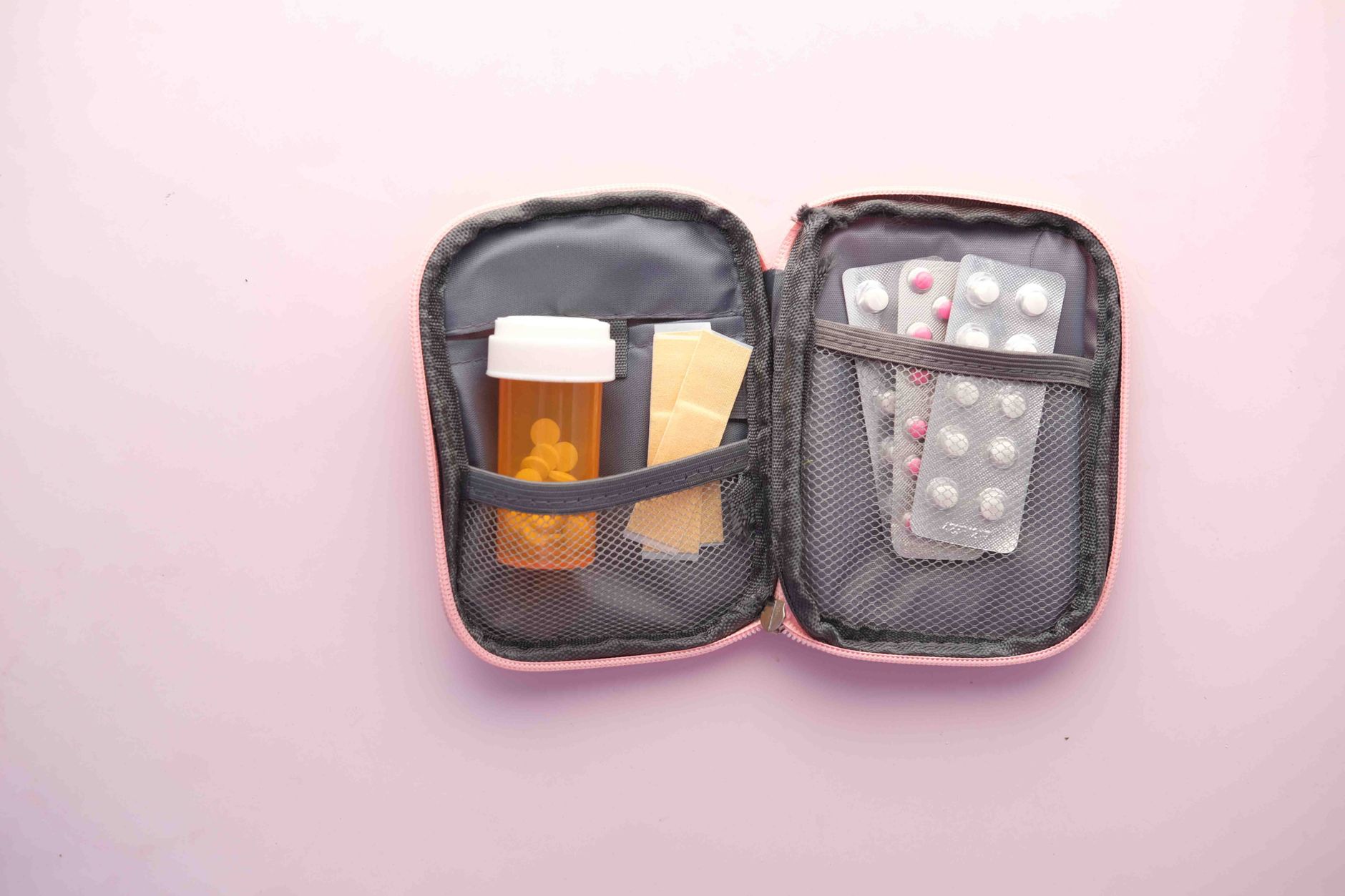
Pain management doesn't stop at the hospital door. Before discharge, your care team prepares a medication schedule that covers the entire trip, including layovers and time-zone changes. You'll receive clear instructions on what to take, when, and in what dose — often in both Turkish and English.
If you need injections, such as blood thinners, the nursing staff will teach you or a companion how to administer them. They may also provide a small travel kit with syringes, alcohol wipes and a disposal container. For oral medications, ask for a written list using generic names; this helps customs officials and your home doctor understand exactly what you're carrying.
Turkish pharmacies are well stocked, but it's wise to carry enough medication for the whole journey plus a few extra days. Keep essential medicines in your hand luggage, never in checked bags. A doctor's letter explaining your prescriptions is also recommended, especially for controlled substances.
Documentation You Should Leave With
Documentation is where Turkish clinics often shine. At discharge, you should receive a discharge summary that includes your diagnosis, procedure performed, medications, wound-care instructions and follow-up recommendations. This document is typically bilingual or translated into English, making it easy to share with your GP or specialist at home.
You may also receive imaging reports, lab results and a fitness-to-fly certificate. Some hospitals provide a 24/7 contact number or WhatsApp line for post-discharge questions. This is invaluable if you're unsure about a symptom during travel or after you arrive home.
Before leaving the hospital, confirm that you have:
- A printed and digital copy of your discharge summary
- Prescriptions with generic drug names and dosages
- Contact details for your surgeon or care coordinator
- Wound-care and dressing-change instructions
- Emergency warning signs and what to do
Practical Tips for a Comfortable Flight Home
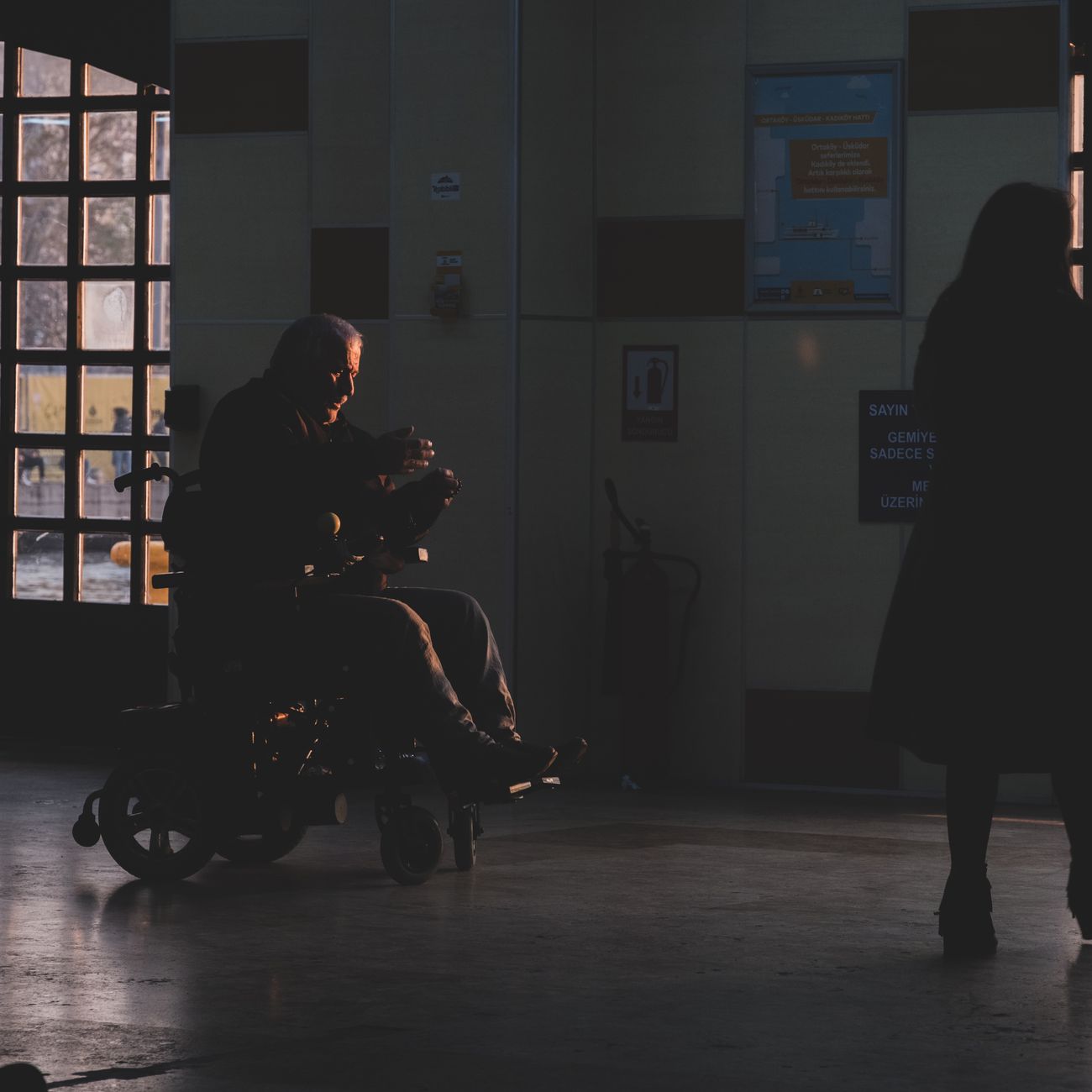
Even with excellent clinical preparation, a few personal choices can make your flight home smoother. Book a direct flight whenever possible to reduce the stress of connections and baggage handling. Choose an aisle seat if you need to move frequently, and request wheelchair assistance at the airport if walking long distances is difficult.
Pack a small recovery kit in your carry-on: medications, compression stockings, a water bottle, healthy snacks, lip balm, and a copy of your medical documents. Wear loose, comfortable clothing that doesn't press on your surgical site. A neck pillow and eye mask can help you rest, which supports healing.
Don't hesitate to tell cabin crew that you've recently had surgery. They can help with luggage, bring extra water, and keep an eye on you during the flight. If you feel unwell — severe pain, shortness of breath, chest discomfort or unusual swelling — seek help immediately. Your clinic's emergency contact is there for exactly this reason.
Why This Level of Care Builds Confidence
The fitness-to-fly process reflects a broader philosophy in Turkish medical tourism: the patient journey is a continuum, not a transaction. Hospitals that invest in discharge planning, multilingual documentation and post-travel support are signaling that they take long-term outcomes seriously.
For international patients, this translates into peace of mind. You're not just handed a prescription and wished good luck. You're assessed, educated and equipped. You leave with a plan — and with the knowledge that someone on the other end of the phone knows your case.
Türkiye's combination of accredited hospitals, experienced surgeons and comprehensive aftercare is why so many patients return home not only healthier, but also more confident in their decision to travel for treatment. The flight home becomes just another step in a well-managed recovery, rather than a source of anxiety.
Thinking about treatment in Turkey?
Share your contact details and a verified doctor will follow up with a plan built around you — free, no obligation.