

A $3.5 Billion Milestone for Turkish Cosmetic Surgery
Türkiye's cosmetic surgery tourism sector has grown into an estimated $3.5 billion annual market, a figure reported by the National Law Review that underscores how far the country has moved from an emerging destination to a global leader in aesthetic medicine.
That number is not simply a headline about popularity. It represents hundreds of thousands of procedures performed each year across Istanbul, Ankara, Antalya and Izmir — and a mature clinical ecosystem built around accredited hospitals, specialist surgeons and internationally recognised aftercare.
For patients weighing up options abroad, scale matters. A market of this size supports the infrastructure, competition and quality oversight that smaller destinations often struggle to sustain.
Why Türkiye Became a Cosmetic Surgery Hub
Türkiye's rise has been gradual and deliberate. Istanbul in particular has become a centre for rhinoplasty, hair transplantation, dental aesthetics, facial rejuvenation and body contouring, drawing patients from across Europe, the Middle East, North Africa and beyond.
Several factors converged: direct flight connections to more than 300 destinations, a well-developed private hospital sector, and a deep pool of surgeons trained in both Turkish and international fellowship programmes. Turkish clinics also invested early in multilingual patient coordination, which removed much of the friction from travelling for care.
The result is a market where patients can compare accredited providers, review verified outcomes and choose a procedure, city and price point that suits them — rather than accepting whatever a single clinic offers.
Regulation and Quality Oversight
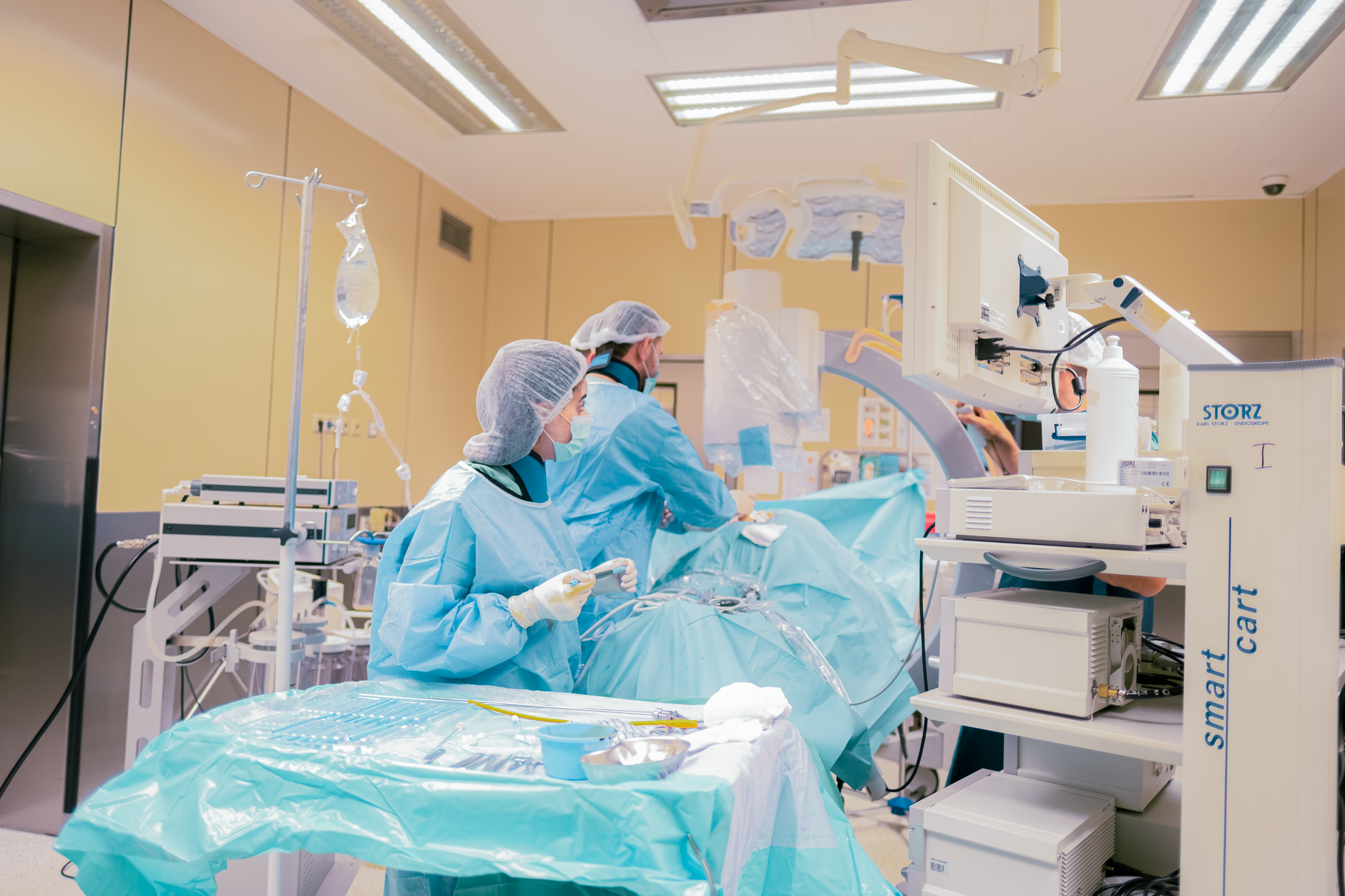
Growth of this scale would be impossible without a regulatory framework. In Türkiye, cosmetic and plastic surgery is governed by the Ministry of Health, which licenses hospitals and clinics, sets operating standards and requires qualified practitioners to hold recognised specialist credentials.
Health tourism is further coordinated through authorised intermediary agencies and international health tourism certificates, meaning facilities that serve overseas patients must meet documented criteria for staffing, equipment, hygiene and patient record-keeping.
Independent hospital accreditation — including JCI and ISO certification among major Istanbul providers — adds another layer of external scrutiny. For patients, these markers make it easier to distinguish established medical institutions from informal operators.
Scale and oversight tend to reinforce one another: the larger the sector, the stronger the case for transparent standards.

What a Booming Market Means for Patient Safety
A $3.5 billion sector attracts investment in safety infrastructure. Turkish hospitals performing cosmetic procedures increasingly operate to international protocols for anaesthesia, infection control, pre-operative assessment and post-operative monitoring.
Competition also raises the bar on aftercare. Many Istanbul clinics now include structured follow-up programmes, remote check-ins after patients return home, and partnerships with local physicians for wound review and complication management.
None of this removes the need for due diligence. Patients should still verify surgeon credentials, ask which accredited hospital a procedure will take place in, and request a clear written treatment plan before booking.
Choice, Value and the Turkish Advantage
Value remains a major draw. Even at the higher end of the market, Turkish cosmetic surgery typically costs significantly less than equivalent private treatment in Western Europe or North America — often 40 to 70 per cent lower, depending on the procedure and city.
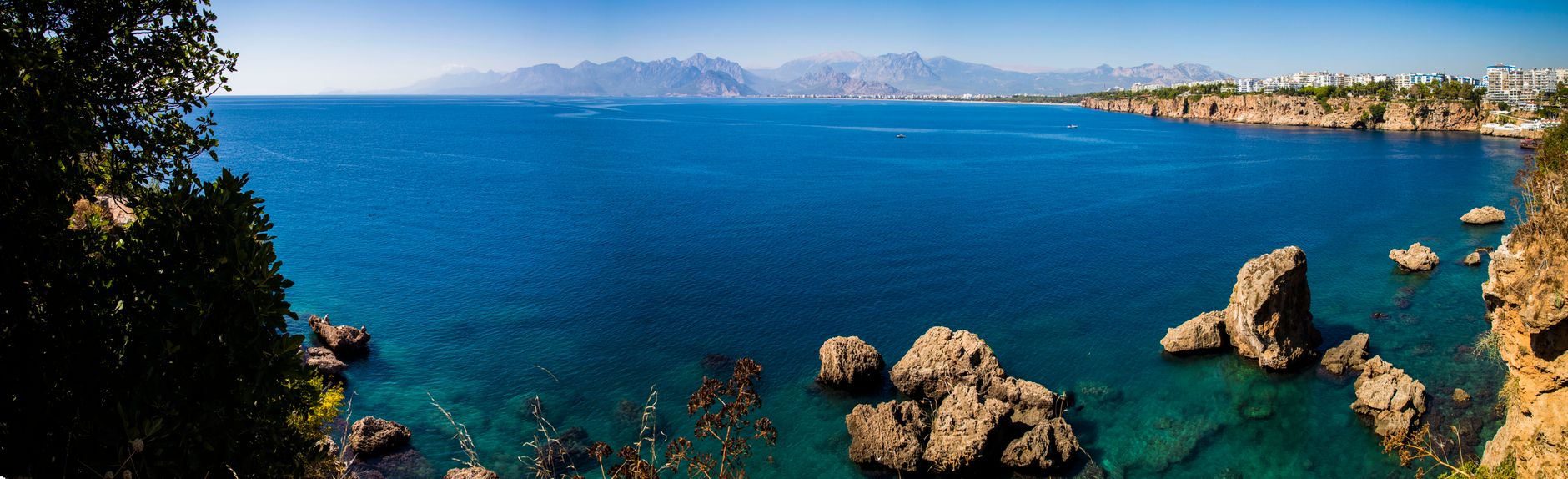
But value in Türkiye is no longer only about price. Patients now choose between boutique clinics and large multi-specialty hospitals, between surgeons with distinct sub-specialisms, and between recovery settings that range from central Istanbul to the quieter Aegean coast.
Combined with the country's tourism offering — cultural heritage, coastal resorts and year-round flights — cosmetic surgery in Türkiye has become a genuinely comparable alternative rather than a compromise.
A Maturing Sector Looking Ahead
The National Law Review figure of $3.5 billion annually signals a sector that has reached a stage of maturity. Growth from here is likely to come less from volume alone and more from specialisation, digital patient pathways and measurable outcome reporting.
Turkish clinics are already investing in simulation technology, 3D imaging and telemedicine consultations, making the initial assessment easier for international patients before they travel.
For anyone considering cosmetic surgery abroad, Türkiye's scale is a practical advantage: more accredited options, clearer regulation and a competitive market that rewards quality. The task for patients remains straightforward — research carefully, choose accredited providers, and plan realistic recovery time in a country that has made medical travel a core part of its hospitality.
Thinking about treatment in Turkey?
Share your contact details and a verified doctor will follow up with a plan built around you — free, no obligation.