

Restoring More Than a Face: The Promise of Turkish Reconstructive Surgery
For anyone who has survived a severe burn, a traumatic injury, or a disfiguring accident, the journey back to daily life is about far more than physical healing. It is about looking in the mirror and recognizing yourself again. It is about speaking, eating, and smiling without pain or self-consciousness. In Türkiye, a growing number of hospital-based plastic and reconstructive surgery teams have dedicated their careers to this deeply human mission.
Turkish surgeons have earned international recognition for their expertise in complex facial restoration. Their work spans the full spectrum of care—from delicate scar revision to advanced microsurgical tissue reconstruction—and is grounded in a simple but powerful belief: every patient deserves both function and confidence. This article explores how hospital-based teams in Istanbul and beyond are helping patients from around the world reclaim their lives, one carefully planned stage at a time.
Why Facial Reconstruction Is a Unique Surgical Challenge
The face is the most complex and expressive part of the human body. It contains more than 40 muscles, a dense network of nerves and blood vessels, and delicate structures like the eyelids, lips, and nose that must work in perfect harmony. When trauma or burns disrupt this architecture, the consequences reach far beyond appearance. Breathing, vision, speech, and the ability to convey emotion can all be affected.
Reconstructive surgeons therefore cannot simply "fix" a wound. They must think like architects, engineers, and artists at the same time. They need to rebuild three-dimensional form while preserving or restoring sensation and movement. They must consider how scar tissue will mature over months and years. And they must plan for the fact that a growing child's face will change, or that an adult's skin will age.
This is why the best outcomes are rarely achieved in a single operation. Instead, they result from a staged plan—a roadmap that prioritizes the most critical functional needs first, then refines appearance, and finally addresses the subtle details that make a face feel like home again.
The Turkish Approach: Staged Plans and Multidisciplinary Teams
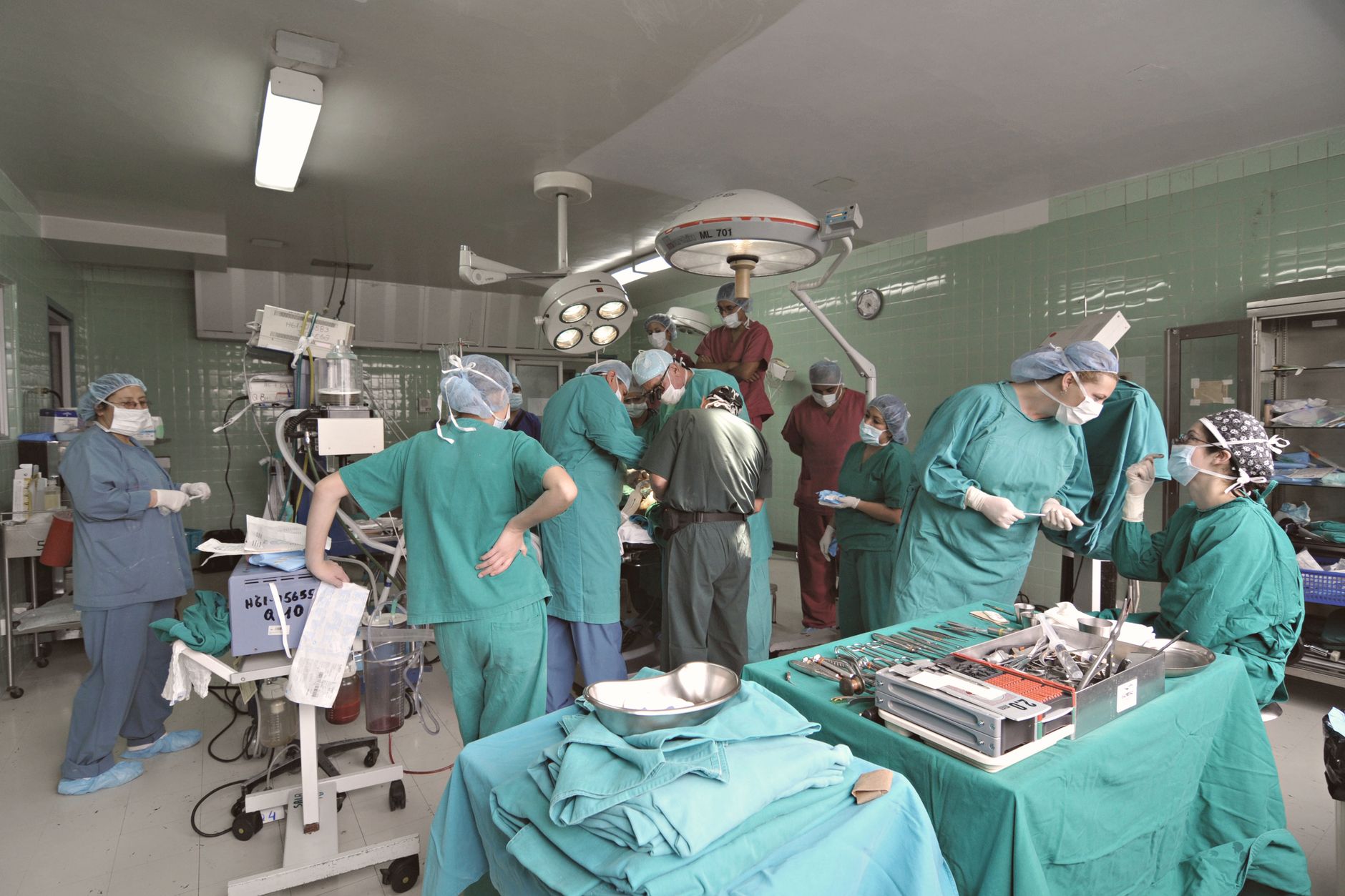
What sets Türkiye's leading hospital-based programs apart is their commitment to a multidisciplinary, patient-centered approach. From the first consultation, a patient is not simply assigned to one surgeon but to a team that may include plastic and reconstructive surgeons, burn care specialists, maxillofacial surgeons, ophthalmologists, ENT specialists, anesthesiologists, psychologists, physiotherapists, and specialized nurses.
This team meets regularly to discuss each case, reviewing photographs, imaging, and functional assessments. Together, they design a staged plan that might unfold over months or even years. The first stage often focuses on closing wounds, restoring blood supply, or releasing contractures that limit movement. Later stages refine the contour of the nose, lips, or eyelids, and final stages may involve scar revision, hair transplantation, or subtle symmetry adjustments.
Patients are given a clear timeline and realistic expectations. They know what each surgery aims to achieve, how long recovery will take, and what the next steps will be. This transparency is not just good medicine—it is a source of hope. It transforms a frightening, uncertain future into a structured journey with milestones to celebrate.
"We do not promise perfection. We promise progress—and we walk with our patients every step of the way." — A Turkish reconstructive surgeon
From Scar Revision to Advanced Tissue Reconstruction: The Techniques
Turkish surgeons are skilled in a wide range of techniques, and they choose the right tool for each patient rather than forcing every case into the same mold. For some, scar revision—using precise incisions, Z-plasty, or laser therapy—can dramatically improve the texture and appearance of healed burns. For others, more complex reconstruction is needed.
Advanced tissue reconstruction may involve:
- Skin grafts and dermal substitutes: Often used in the early stages after burns to close wounds and provide a stable base for later refinement.
- Local and regional flaps: Tissue moved from nearby areas to rebuild the nose, lips, or cheeks while preserving blood supply.
- Free flaps and microsurgery: Tissue transferred from distant parts of the body (such as the forearm, thigh, or scapula) with tiny blood vessels reconnected under a microscope. This is essential for large, complex defects.
- Cartilage and bone grafts: Used to rebuild the structural framework of the nose, ear, or jaw.
- Fat grafting and tissue expansion: To restore volume and grow new skin for reconstruction.
- Facial nerve reconstruction: To restore movement and expression when nerves have been damaged.
Each technique carries its own risks and benefits. Turkish teams are known for their careful patient selection and for combining techniques in creative ways—for example, using a free flap to rebuild a cheek and then later refining the result with fat grafting and scar revision. This layered approach is what allows them to achieve results that look natural and function well.

Beyond the Operating Room: Compassionate Care That Heals the Whole Person
Reconstructive surgery is only one part of the journey. Turkish hospitals that excel in this field understand that emotional and psychological support is not an add-on but an essential component of care. Many patients arrive with anxiety, depression, or post-traumatic stress. They may have withdrawn from social life, avoided mirrors, or lost their sense of identity.
To address this, multidisciplinary teams include psychologists and psychiatrists who work with patients before and after surgery. Support groups connect survivors with others who have walked the same path. Nurses and patient coordinators are trained to listen with empathy and to celebrate small victories—the first time a patient smiles without pain, the first time they go out in public without a scarf or mask.
Physiotherapy and speech therapy also play crucial roles, especially when reconstruction involves the mouth, jaw, or neck. Therapists help patients regain movement, strength, and confidence in their own bodies. This holistic approach is a hallmark of Türkiye's leading hospital-based programs and a major reason why international patients return home not just looking better, but feeling whole again.
Why Patients from Around the World Choose Türkiye
Türkiye has become a global destination for reconstructive surgery for several compelling reasons. First, the country boasts a deep pool of highly trained plastic and reconstructive surgeons, many of whom have trained or worked in Europe and North America and are active in international professional societies. Second, Turkish hospitals are equipped with modern operating rooms, intensive care units, and imaging technology that meet international standards.
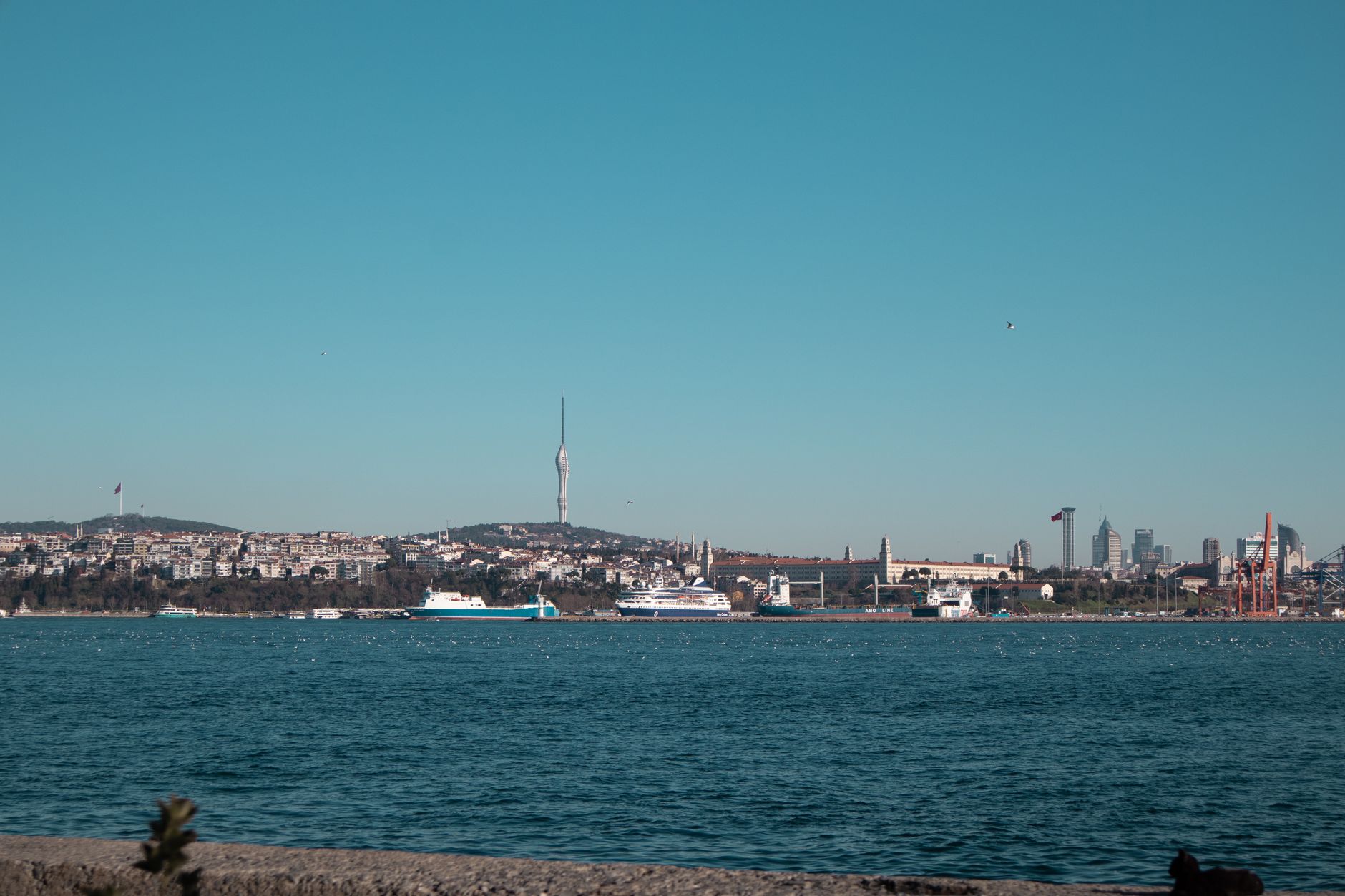
Third, the cost of complex reconstructive surgery in Türkiye is often significantly lower than in Western Europe or the United States, without compromising quality. For patients who need multiple stages of surgery, this difference can make the entire journey financially feasible. Fourth, Türkiye offers a warm, welcoming culture and a chance to recover in a beautiful setting—whether in a quiet hospital garden in Ankara or a seaside hotel in Istanbul.
Finally, many Turkish hospitals have dedicated international patient departments that assist with travel, translation, accommodation, and follow-up care. This support network removes much of the stress of traveling abroad for medical treatment and allows patients to focus on what matters most: their recovery.
A Message of Hope: What to Expect on Your Journey
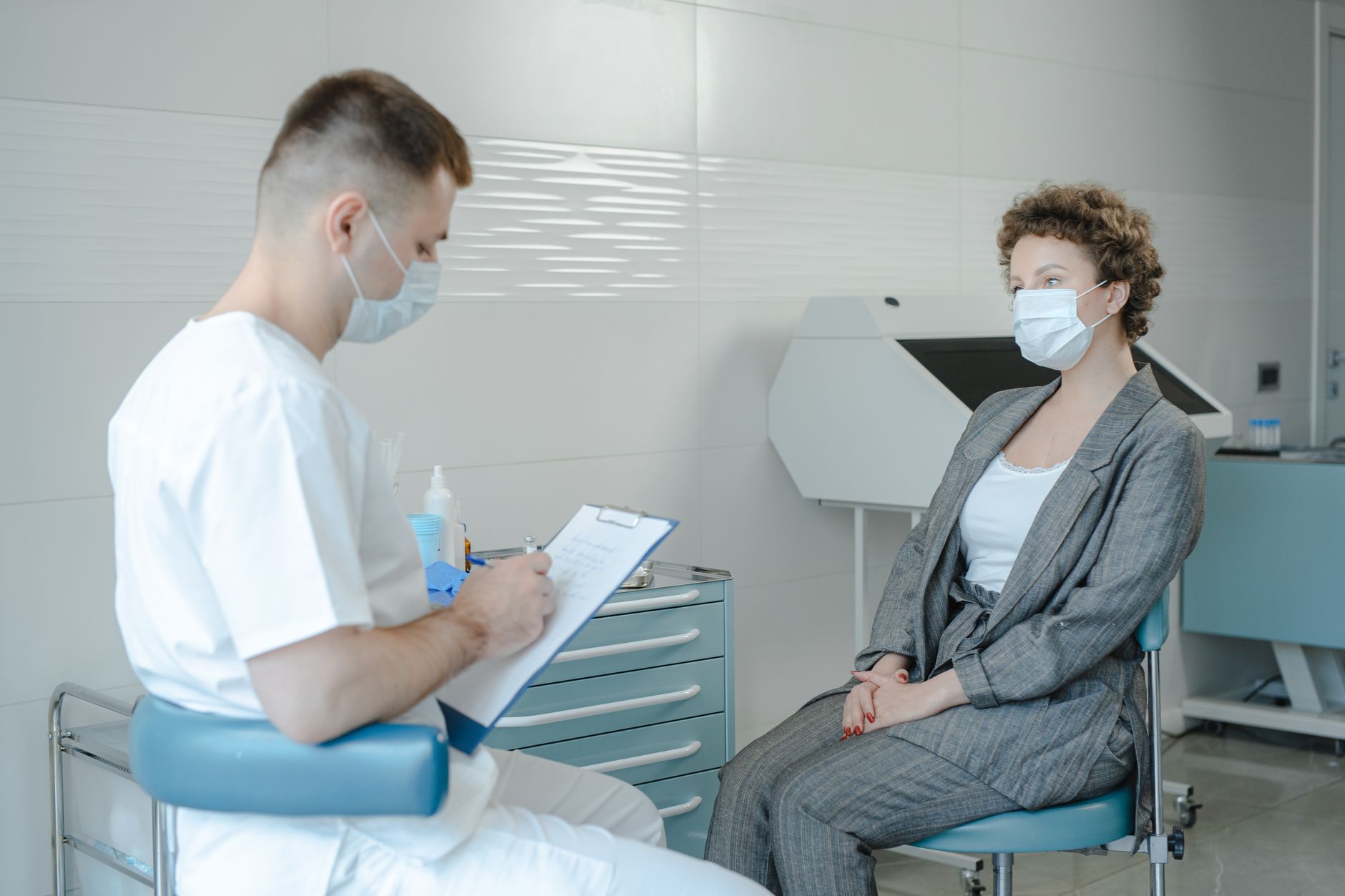
If you are considering facial reconstruction in Türkiye, it is natural to feel both hopeful and apprehensive. The most important first step is a thorough consultation with a qualified reconstructive surgeon. During this consultation, you will discuss your goals, your medical history, and the realistic possibilities for your case. You will learn about the staged plan, the expected timeline, and the risks and benefits of each procedure.
It is also important to remember that reconstruction is a marathon, not a sprint. There will be ups and downs. Some stages will bring dramatic improvement; others will be more subtle. Patience, good communication with your team, and a strong support system are your best allies.
Thousands of patients have come to Türkiye after trauma or burns and left with restored function, renewed confidence, and a sense of hope they had thought was lost. Their stories are a testament to what skilled, compassionate, hospital-based care can achieve. If you are on this journey, know that you are not alone—and that a team of dedicated professionals in Türkiye is ready to help you take the next step toward the life you deserve.
Thinking about treatment in Turkey?
Share your contact details and a verified doctor will follow up with a plan built around you — free, no obligation.