

Istanbul, Türkiye — Hair restoration clinics across Türkiye are reporting a steady increase in enquiries and bookings from patients in Japan, South Korea, China, India, Singapore, Malaysia, Indonesia and the Philippines, according to clinic coordinators and industry representatives. The shift points to a widening international patient base for Turkish hair transplant services, which have long been associated with European and Middle Eastern markets.
Operators attribute the trend to a combination of factors: established surgical experience, competitive all-inclusive pricing, and the adoption of modern follicle extraction and implantation techniques. Türkiye has hosted international hair restoration patients for well over two decades, and the sector's continued investment in training, technology and patient support is now being noticed further east.
"The questions we hear from Asian patients are the same as from anyone else: safety, planning and what happens after the flight home," one Istanbul clinic coordinator said. "What has changed is that more patients already know the terminology — FUE, DHI, graft counts — before they write to us."
Why Asian Patients Are Looking to Türkiye
Demand in Asia's major markets has grown alongside greater public awareness of hair loss treatments. Patients in urban centres from Tokyo and Seoul to Mumbai and Jakarta increasingly research surgical options online, compare technique descriptions, and seek second opinions before booking.
Türkiye's appeal often comes down to the value calculation. A package that bundles consultation, surgery, accommodation and airport transfers allows patients to plan a fixed budget, while Istanbul's position as a major aviation hub means direct or single-stop connections from most major Asian cities.
Cultural familiarity is also a factor in some cases. Turkish clinics increasingly employ multilingual coordinators and interpreters who can explain procedures in Japanese, Korean, Mandarin, Hindi or Bahasa. For many patients, being able to discuss expectations in their own language is a decisive part of feeling comfortable with a procedure performed thousands of kilometres from home.
FUE and DHI: Refinement Rather Than Revolution
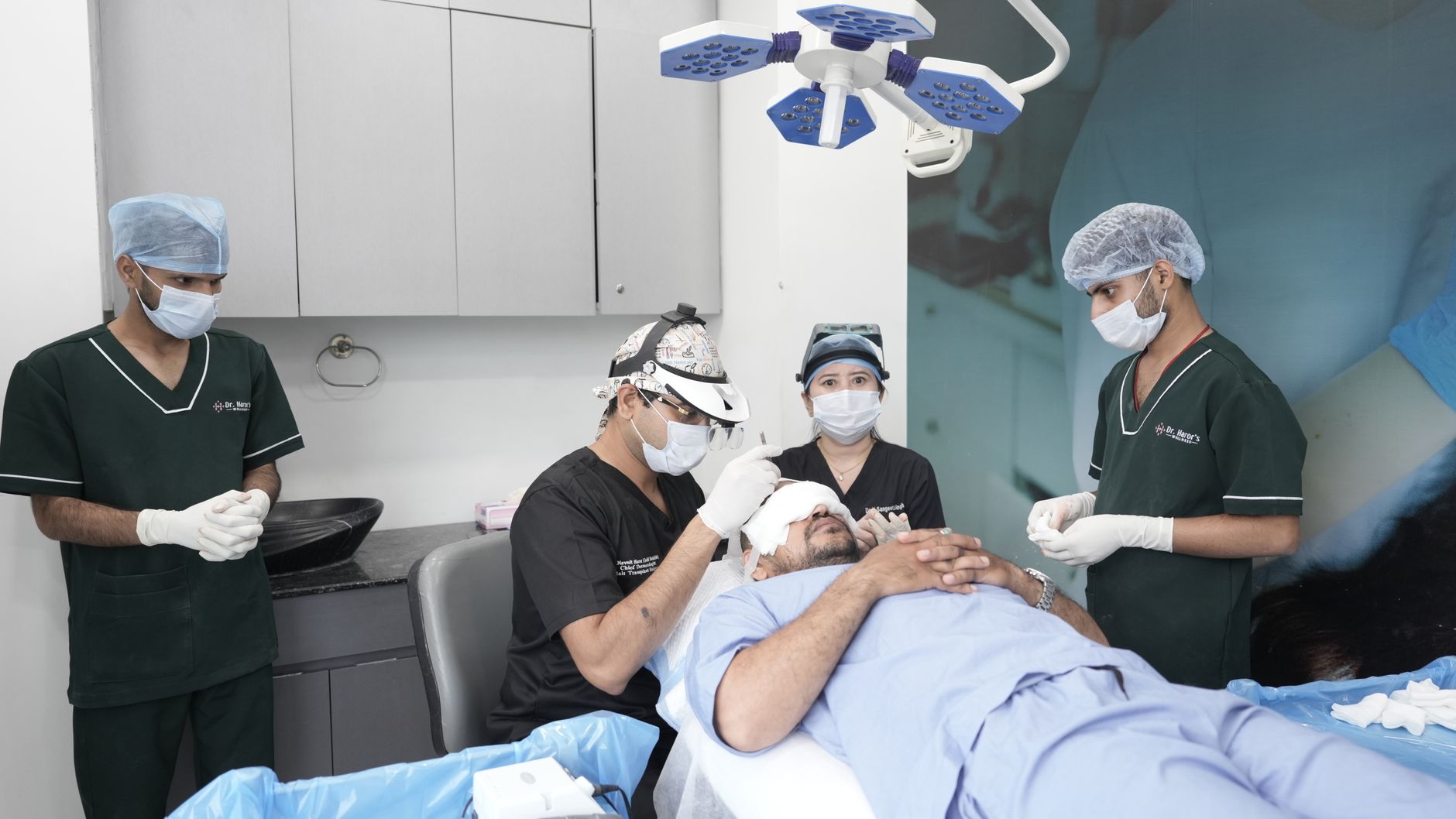
The two dominant methods offered by Turkish clinics — Follicular Unit Extraction (FUE) and Direct Hair Implantation (DHI) — are well established rather than experimental. In FUE, individual follicular units are extracted from the donor area and implanted into thinning or balding zones. In DHI, implantation is carried out with specialised pen-like tools in a single procedural step, which some surgeons prefer for certain cases.
Clinic teams emphasise that the choice of technique is a clinical decision, not a marketing label. Graft counts, donor density, hair calibre, scalp condition and the extent of loss all shape the plan. Surgeon experience in reading those variables matters more than the acronym used to describe the procedure.
What has improved in recent years is the finer detail: extraction patterns that preserve the donor zone, more controlled graft handling, and implantation angles designed to mimic natural hair direction. These refinements tend to affect how a result looks as it matures over 12 to 18 months, rather than producing overnight change.
What Transparency Looks Like in Practice
Patient representatives say the most useful clinics are those that separate what is included from what is not. A transparent package typically names the number of grafts planned, the number of sessions, whether a surgeon or technicians perform key steps, medication, transfers and accommodation, and the cost of any revision policy.
Equally important is the initial assessment. Photo-based evaluations are common for overseas patients, but reputable clinics are candid that images have limits. A final graft plan is sometimes adjusted on the day after in-person examination of the donor area.
Outcome expectations should remain measured. Hair restoration can improve density and framing of the hairline for suitable candidates, but it cannot restore a full head of teenage hair, and results vary with individual biology, healing and adherence to aftercare. Clinics that avoid guarantees of a specific cosmetic result are generally the ones patients describe as most straightforward.

Aftercare and the Journey Home
For patients flying back to Asia, the aftercare plan matters as much as the surgery itself. Clinics commonly provide written instructions covering scalp washing, medication, sleeping position, sun exposure and when to resume exercise and hair styling. A structured timeline — usually daily or weekly check-ins for the first fortnight, then periodic reviews at 3, 6 and 12 months — helps patients understand what is normal at each stage.
Follow-up is now largely digital. Many Turkish clinics use messaging apps and video calls to review healing photos and answer questions, with local dermatologists or partner clinics available in some cities for in-person checks if needed. Patients are encouraged to ask in advance how follow-up will work in their home country and who to contact if something concerns them.
Coordinators also note that shock loss, temporary redness and uneven early growth are common and expected phases. Setting that context before departure reduces anxiety when shedding occurs in the first weeks after the procedure.

A Diversifying Global Market
Türkiye's hair restoration sector is not expanding into an empty field. Domestic clinics in Japan, South Korea, India and Thailand offer high-quality services, and many patients understandably prefer to stay close to home. The rise in Asian interest in Türkiye is therefore best understood as part of a diversified, global market rather than a one-way flow.
For patients weighing options, the practical advice from coordinators is consistent regardless of destination: verify the clinic's registration and surgeon credentials, ask who performs each stage of the procedure, request a written quote, and read the aftercare policy carefully. A well-informed patient is better placed to judge whether a package represents genuine value.
Türkiye's continued prominence in hair restoration reflects a mature ecosystem — surgical teams, technicians, clinics, travel services and coordination staff — that has grown over decades. Whether that momentum continues with Asian patients will depend less on promotion and more on the same thing that built the sector: measured results and dependable follow-through.
Thinking about treatment in Turkey?
Share your contact details and a verified doctor will follow up with a plan built around you — free, no obligation.