

A Milestone in Medical Tourism Governance
Türkiye's Ministry of Health has published its annual quality review of international patient services, offering one of the most comprehensive assessments of the country's medical tourism sector to date. The review evaluates hospitals, clinics and intermediary agencies against national and international standards, and it highlights a clear upward trend in patient satisfaction across multiple treatment categories.
For a sector that welcomed hundreds of thousands of international patients in recent years, the report is more than a scorecard. It is a signal that Türkiye's medical tourism growth is being matched by an institutional commitment to measurement, accountability and continuous improvement. The Ministry framed the findings as evidence that quality is not simply marketed but systematically audited.
Stakeholders across Istanbul, Ankara, Izmir and Antalya received the review as well-earned recognition of years of investment in accreditation, staff training and patient communication.
The review reaffirms that Türkiye's competitive advantage rests not only on advanced technology and skilled physicians, but on a culture of patient-centered care.
What the Annual Review Measures
The Ministry's quality review examines a broad set of indicators, including clinical outcomes, infection control, informed consent processes, multilingual support and post-treatment follow-up. Hospitals participating in the review submit data on patient experience surveys, complaint resolution times and compliance with international accreditation standards.
Facilities that treat international patients are also assessed on practical dimensions of care: interpretation services, transparent pricing, transfer arrangements and the clarity of pre-operative communication. These factors often determine whether a patient's overall experience feels safe and respectful, regardless of the clinical result.
The review's methodology has evolved over successive years, incorporating feedback from patients, embassies, health attachés and industry associations. That multi-source approach gives the findings greater credibility and helps identify where improvements are still needed.
Patient Satisfaction Trends Across Treatments
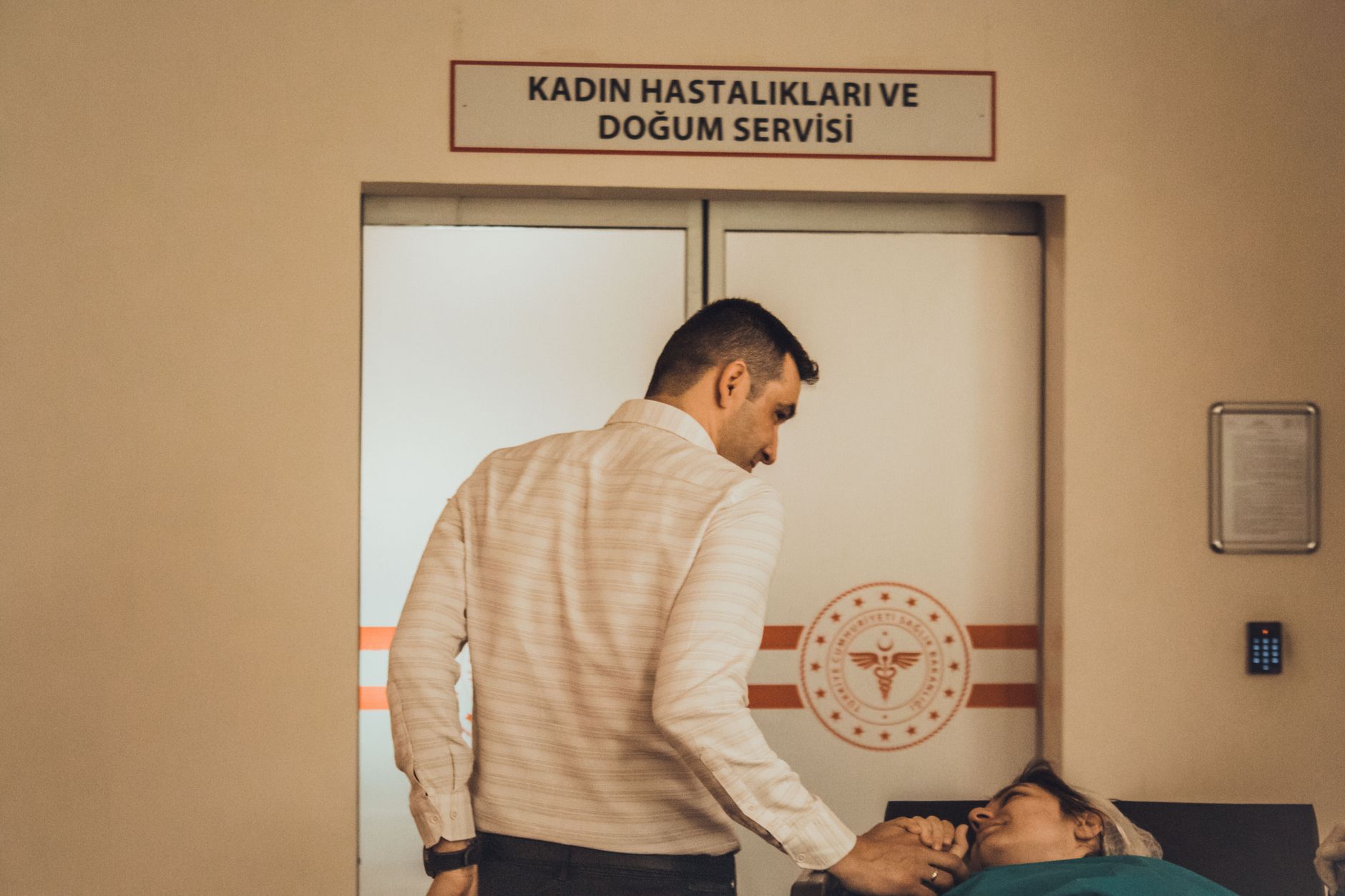
According to the Ministry's review, satisfaction scores among international patients have continued to rise, particularly in fields such as hair transplantation, dental care, ophthalmology, orthopedic surgery and aesthetic procedures. Patients consistently cited clear communication, punctual appointments and the warmth of clinical staff as strengths.
Bariatric and oncology services also featured prominently, with reviewers noting improvements in multidisciplinary coordination and psychosocial support. These are areas where international patients often need more than a single procedure — they need a care pathway that spans consultation, treatment and recovery.
The review did not rely on a single headline number. Instead, it presented a pattern of improvement across regions and specialties, suggesting that quality gains are broadly distributed rather than concentrated in a few flagship hospitals.

Accreditation as a Foundation for Trust
A central theme of the annual review is the role of accreditation in building trust. Turkish hospitals increasingly hold certifications from international bodies such as JCI, TEMOS and ISO, alongside national health tourism authorization issued by the Ministry of Health. These credentials require periodic re-evaluation, meaning facilities must maintain standards rather than meet them once.
The Ministry has also expanded its own inspection regime for health tourism intermediaries, including agencies that arrange treatment packages for foreign patients. This dual focus — on clinical providers and on the agencies that represent them abroad — addresses a common patient concern: knowing who is accountable when something goes wrong.
For prospective patients, accreditation and Ministry authorization provide a practical starting point for vetting clinics. The annual review effectively turns those credentials into a living system of quality assurance.

Why This Matters for International Patients
Medical travel involves risk as well as opportunity. Patients choosing to travel abroad for care want evidence that standards are enforced, not just advertised. The Ministry's annual review offers exactly that kind of evidence, and its publication signals that Türkiye welcomes scrutiny.
Rising satisfaction scores should not be read as a guarantee of any individual outcome. They do, however, indicate that the system as a whole is moving in a positive direction and that patient feedback is being taken seriously.
For patients, the practical takeaways are straightforward: verify a facility's Ministry authorization and international accreditation, ask about language support and follow-up protocols, and consult official sources before committing to treatment.
Looking Ahead: Continuous Improvement
The Ministry has indicated that future reviews will place greater emphasis on long-term outcomes and digital follow-up tools. Telemedicine consultations, standardized e-health records for international patients and post-return complication tracking are among the areas under development.
Industry representatives welcomed the review while acknowledging that challenges remain, including uneven quality among smaller providers and the need for stronger consumer protection in online marketing. The Ministry's response has been to tighten oversight and encourage self-regulation among clinics and agencies.
Türkiye's medical tourism sector has grown rapidly over the past decade. The annual quality review suggests that growth is now being accompanied by a maturing governance framework — one that treats patient satisfaction as a measurable goal rather than a slogan.
A Recognition Worth Sustaining
The Ministry's findings amount to well-earned recognition for the physicians, nurses, interpreters and administrators who make Turkish healthcare attractive to international patients. They also set an expectation: that each year's review will show continued progress.
For patients considering treatment in Türkiye, the message is one of cautious optimism. Quality is being measured, published and improved. That is the kind of transparency that turns a medical destination into a trusted one.
Thinking about treatment in Turkey?
Share your contact details and a verified doctor will follow up with a plan built around you — free, no obligation.