

Another Record Year in Sight for Turkish Health Tourism
As autumn 2026 approaches, Türkiye's health tourism sector is once again projecting a landmark full-year revenue result. Industry associations and hospital groups report that demand from international patients has remained strong through every quarter of the year, with the country's combination of accredited hospitals, competitive pricing and short waiting times continuing to attract patients from Europe, the Gulf, Central Asia and beyond.
Health tourism has been one of Türkiye's fastest-growing service export categories for more than a decade. The consistent upward trend — reported today as a projected full-year 2026 record — is being framed by sector representatives as clear evidence that international patients continue to place their trust in Turkish healthcare.
For prospective patients, the significance is practical rather than abstract: sustained revenue growth is being reinvested into the infrastructure that patients experience directly, from diagnostic imaging and operating theatres to interpreter services and airport transfers.
What the Projections Mean for Patients
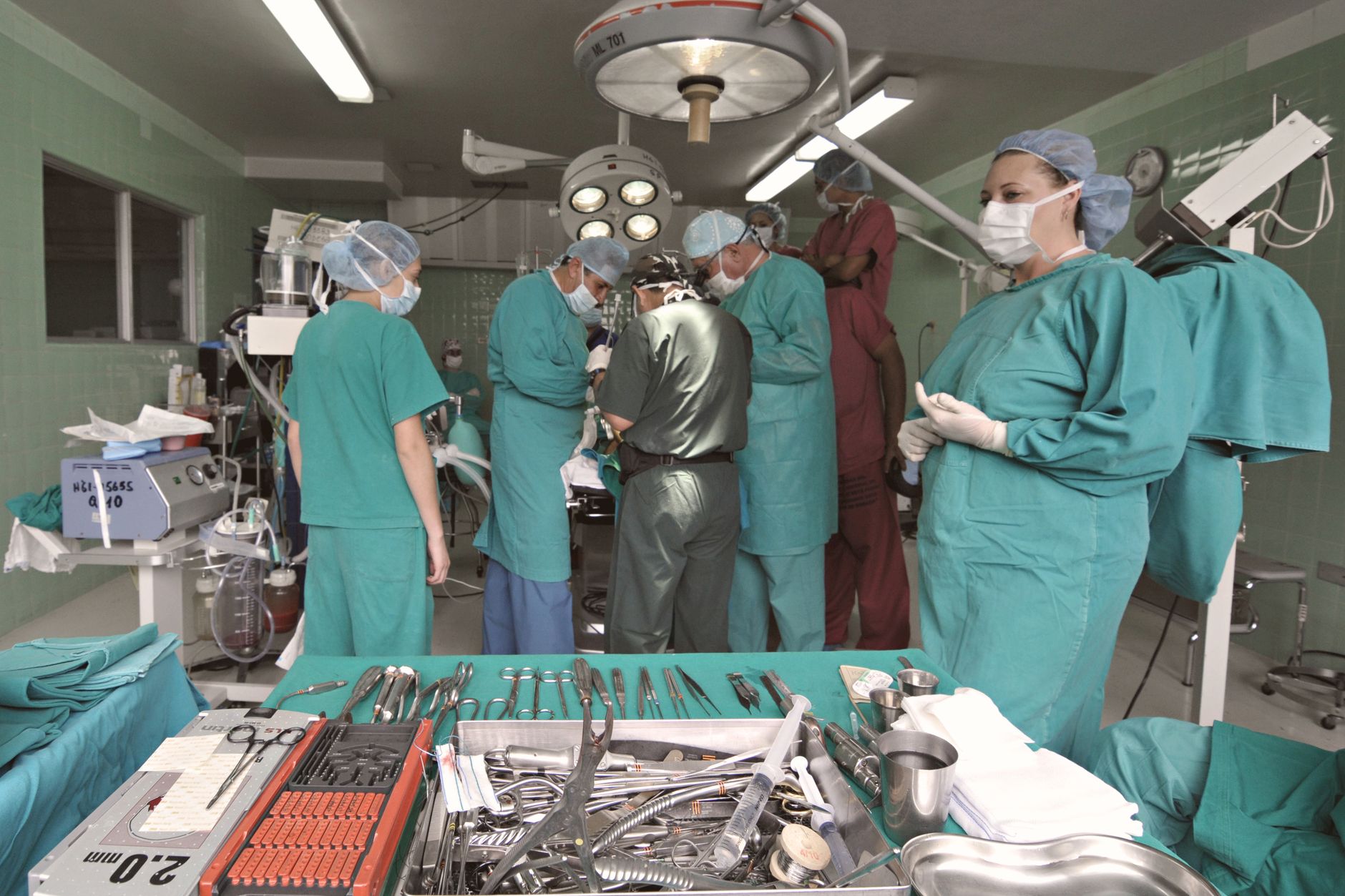
Every additional lira of health tourism revenue strengthens the incentive for Turkish hospitals and clinics to upgrade their facilities. In practice, this means newer imaging equipment such as high-resolution MRI and CT scanners, expanded intensive care capacity, and more modern operating theatres in both private hospital groups and university-affiliated clinics.
Rising investment is also visible in staffing. Hospitals across Istanbul, Ankara, Antalya and Izmir continue to expand their multilingual teams, adding Arabic-, English-, German-, French- and Russian-speaking coordinators. For many international patients, having a dedicated case manager from first enquiry to follow-up appointment is now standard rather than exceptional.
Perhaps the most tangible benefit for patients is time. Growth in capacity — more beds, more operating rooms, more specialists — helps keep waiting times short for consultations, diagnostics and elective procedures, which remains one of the key reasons patients choose Türkiye over other destinations.
Accreditation and Quality Remain the Foundation
The durability of Türkiye's health tourism performance rests on quality infrastructure. An increasing number of Turkish hospitals hold international accreditations such as JCI, TEMOS and ISO certifications, and many are affiliated with university medical faculties or participate in European clinical networks.
Sector bodies note that accreditation is not a static achievement. Maintaining it requires continuous investment in clinical governance, patient safety protocols and staff training — areas that benefit directly when health tourism revenue rises.
For international patients, these credentials serve as verifiable signals of quality, complementing the transparent pricing packages and all-inclusive treatment bundles that Turkish providers are known for.
Which Treatments Are Driving Demand
The procedures most closely associated with Türkiye's health tourism growth span both surgical and non-surgical care. Hair transplantation remains a flagship service, particularly in Istanbul, where clinics combine procedure expertise with hotel and transfer packages tailored to short-stay visitors.
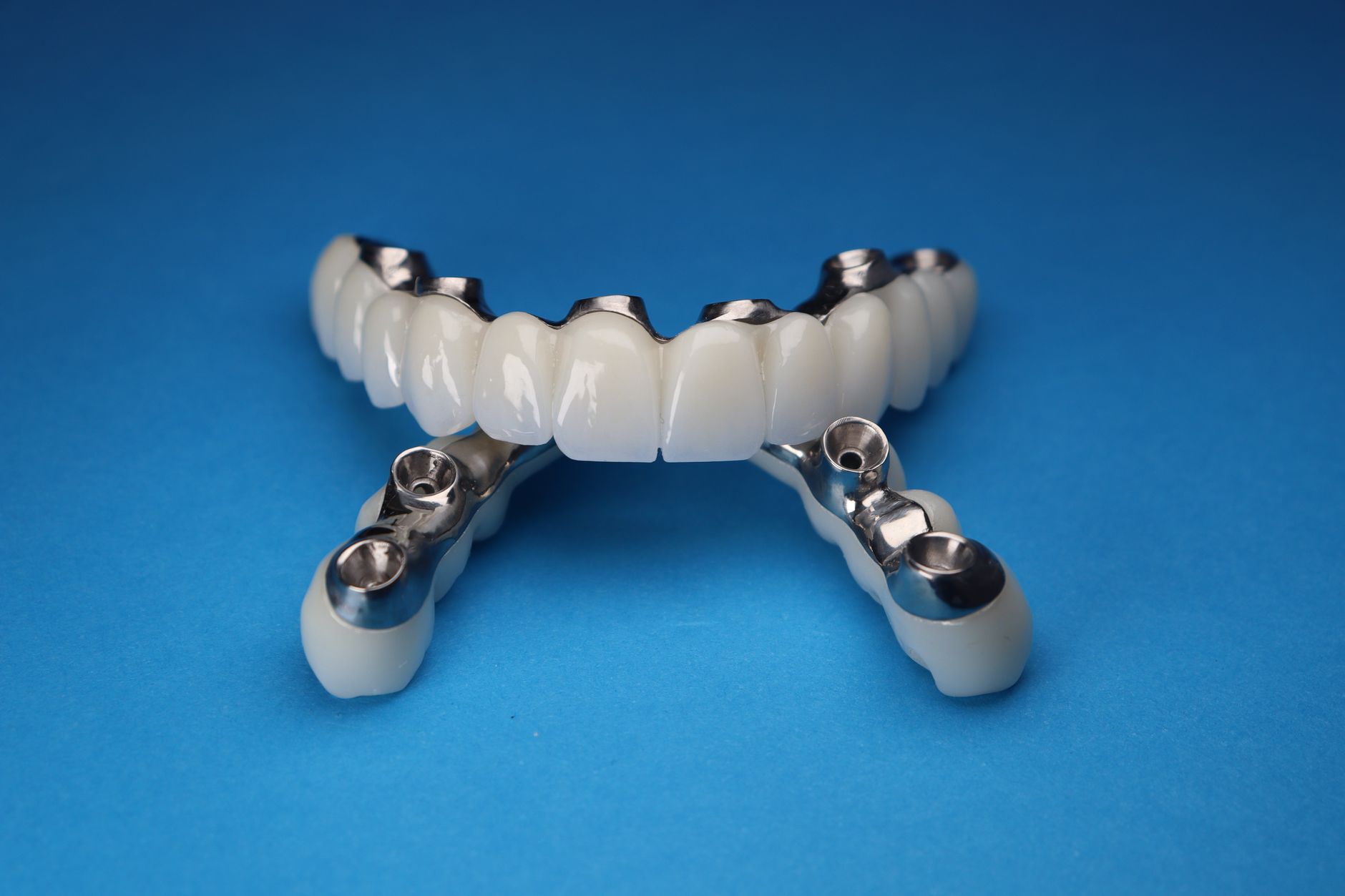
Dental treatments — including implants, veneers and full-mouth rehabilitation — continue to draw patients from the UK, Germany and the Gulf. Aesthetic and plastic surgery, bariatric surgery, orthopaedics, ophthalmology, IVF and oncology care round out a diverse portfolio that positions Türkiye as a comprehensive destination rather than a single-service market.
This breadth matters for the revenue outlook: even if demand for any single treatment fluctuates, a diversified offering across surgical, medical and wellness services provides resilience. Sector estimates suggest this diversification is one reason growth has remained steady rather than cyclical.
Patients as Partners in a Reputation Economy
Health tourism is, at its core, a trust business. Patients researching treatment abroad rely on reviews, before-and-after documentation, accreditation records and word-of-mouth from previous patients. Türkiye's rising revenue figures are, in effect, a measurable expression of that trust.
Hospitals and clinics increasingly formalise this relationship through structured aftercare: remote follow-up consultations, shared digital medical records and clearly defined complication policies. Reputation management has become a professional discipline within Turkish healthcare, with dedicated international patient departments handling everything from visa invitation letters to recovery accommodation.
For patients, this means a more predictable and accountable experience. The positive feedback loop — satisfied patients generating referrals, which in turn funds further improvements — is central to the sector's continued expansion.
A Landmark Year Within a Long-Term Trajectory
While the full-year 2026 revenue projections are striking, sector analysts are careful to present them within context: Türkiye's health tourism growth has been cumulative, built over years of infrastructure development, government incentive programmes and private-sector investment.
The landmark result expected for 2026 therefore represents both an achievement and a milestone along a longer path. Hospitals are already planning capacity expansions and new international patient units for the years ahead, anticipating continued demand from existing source markets and emerging interest from new ones.
For international patients considering treatment in Türkiye, the message from the sector is straightforward: growing revenue translates into newer equipment, broader multilingual support and shorter waiting times — improvements that are already being delivered and that underpin the confidence of the patients who continue to choose Turkish healthcare.
Thinking about treatment in Turkey?
Share your contact details and a verified doctor will follow up with a plan built around you — free, no obligation.