

Why Türkiye Leads in Tinnitus and Hyperacusis Care
Türkiye has emerged as a global destination for advanced audiological care, particularly for complex conditions like tinnitus and hyperacusis. Hospital-based programmes in cities such as Istanbul, Ankara, and Izmir combine cutting-edge diagnostic technology with multidisciplinary teams that include audiologists, ENT specialists, neurologists, and clinical psychologists. This integrated approach ensures that patients receive a comprehensive evaluation and a personalised therapy plan, all under one roof.
What sets Türkiye apart is the seamless blend of medical expertise and patient-centred hospitality. International patients often find that the level of care rivals that of Western Europe or North America, but at a fraction of the cost. Moreover, many centres are experienced in treating international patients, offering services in multiple languages including English, Arabic, Russian, and German.
The focus is not merely on suppressing symptoms but on retraining the brain’s response to sound. This is achieved through structured programmes that may include sound therapy, cognitive behavioural therapy (CBT), and tinnitus retraining therapy (TRT). The goal is to reduce the perceived loudness and distress associated with tinnitus and to help patients regain control over their daily lives.
Understanding Tinnitus and Hyperacusis
Tinnitus is the perception of noise or ringing in the ears without an external source. It affects millions worldwide and can be caused by hearing loss, exposure to loud noises, ear infections, or even stress. While there is no universal cure, effective management strategies can significantly improve quality of life. Hyperacusis, on the other hand, is a heightened sensitivity to everyday sounds, which can be painful and debilitating. It often co-occurs with tinnitus and requires a tailored approach.
In Türkiye, hospital-based programmes view these conditions through a biopsychosocial lens. This means that biological, psychological, and social factors are all considered when developing a treatment plan. For example, a patient with tinnitus might undergo a full audiological evaluation, psychological assessment, and even sleep studies if necessary. This holistic view ensures that underlying issues such as anxiety, depression, or sleep disturbances are addressed alongside the auditory symptoms.
It’s important to note that while tinnitus cannot be cured, it can be successfully managed. Many patients experience a significant reduction in the perceived loudness and the emotional distress it causes. The structured retraining therapy offered in Türkiye aims to habituate the brain to the tinnitus signal, making it less noticeable and less bothersome over time.
The Diagnostic Workup: A Comprehensive Approach
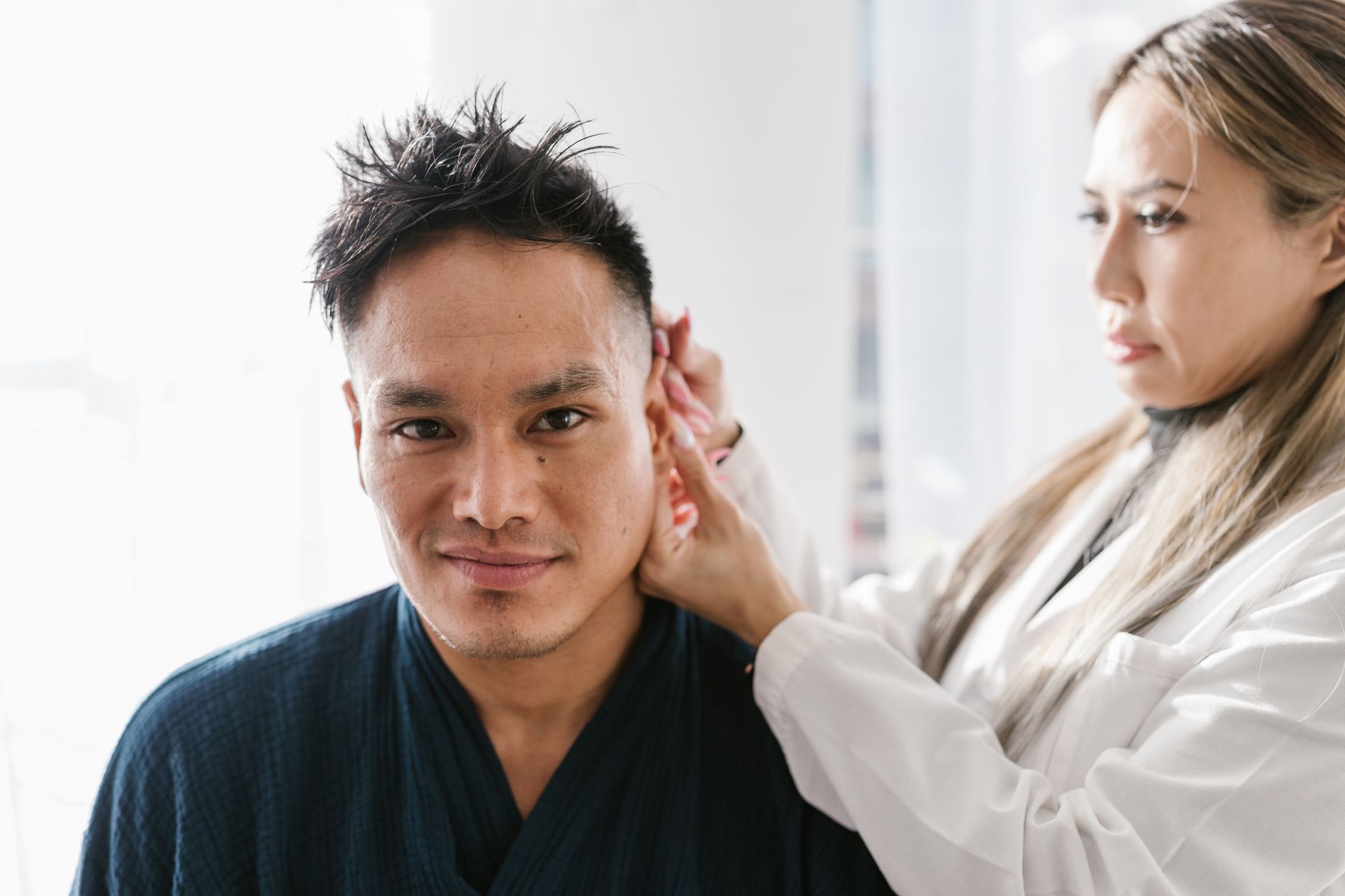
Before any therapy begins, patients undergo a thorough diagnostic workup. This typically includes a full medical history, otoscopic examination, pure-tone audiometry, tympanometry, and otoacoustic emissions testing. In some cases, imaging studies such as MRI or CT scans may be ordered to rule out structural causes. The diagnostic phase is crucial for identifying any underlying conditions, such as hearing loss, Meniere’s disease, or acoustic neuroma.
At leading hospitals in Istanbul, the diagnostic process is often enhanced with advanced tools like high-frequency audiometry and tinnitus matching. Tinnitus matching helps determine the frequency and intensity of the tinnitus, which guides the selection of sound therapy. Hyperacusis patients may undergo loudness discomfort level (LDL) testing to measure their tolerance to various sounds. These detailed assessments provide a baseline for tracking progress throughout the programme.
The diagnostic workup is conducted by a team of specialists who collaborate to interpret the results. This multidisciplinary approach ensures that no stone is left unturned. Patients receive a clear explanation of their condition and a personalised roadmap for therapy. The entire process is typically completed within one to two days, making it convenient for international patients who may be travelling specifically for this purpose.

Structured Retraining Therapy: What It Involves
Structured retraining therapy is the cornerstone of tinnitus and hyperacusis management in Türkiye. It combines sound therapy, counselling, and cognitive retraining to help patients habituate to the troublesome sounds. Sound therapy may involve the use of wearable sound generators, hearing aids with masking features, or environmental sound enrichment. The goal is to provide a neutral sound background that reduces the contrast between the tinnitus and silence, making it less intrusive.
Cognitive retraining, often based on cognitive behavioural therapy (CBT), helps patients change the way they think and feel about their tinnitus. Negative thoughts and emotions can amplify the perception of tinnitus, creating a vicious cycle. Through guided sessions, patients learn to identify and challenge these patterns, replacing them with more balanced and adaptive thoughts. This psychological component is essential for long-term success.
In addition to sound therapy and CBT, many programmes incorporate relaxation techniques, mindfulness, and stress management. Stress is a known aggravator of tinnitus, so equipping patients with tools to manage stress is vital. Some centres also offer neurofeedback and transcranial magnetic stimulation (TMS) as adjunct therapies, although these are not universally available. The therapy plan is always individualised, with regular follow-up appointments to monitor progress and make adjustments as needed.

Multilingual Teams and Patient Support
One of the biggest advantages of choosing Türkiye for tinnitus and hyperacusis treatment is the availability of multilingual teams. Hospitals in major cities have international patient departments that assist with everything from appointment scheduling to visa invitations and accommodation. Interpreters are available for consultations and therapy sessions, ensuring that language is never a barrier to understanding your condition or treatment plan.
Cultural sensitivity is also a priority. Many centres have experience treating patients from the Middle East, Europe, and North America. They understand the unique needs of international patients, such as dietary restrictions, prayer times, and the desire for family involvement in care. This level of personalised support contributes to a more comfortable and effective treatment experience.
Follow-up care is equally important. After returning home, patients can continue to receive support through tele-audiology services, including virtual counselling and remote programming of sound generators. This ensures that the gains made during the intensive programme are maintained over the long term. The hospital’s international team often coordinates with local audiologists to provide seamless continuity of care.

How to Book an Assessment as an International Patient
Booking an assessment at a Turkish hospital-based tinnitus and hyperacusis programme is straightforward. Most centres have an online enquiry form or a dedicated international patient coordinator who can be reached via email or phone. You will be asked to provide your medical history, previous audiological tests, and a brief description of your symptoms. This information helps the team prepare for your visit and determine the appropriate diagnostic tests.
Once your enquiry is received, the coordinator will schedule your appointments and provide a cost estimate. Many hospitals offer packages that include the diagnostic workup, initial consultation, and a customised therapy plan. It’s advisable to ask about what is included and whether follow-up sessions are covered. Payment options may include bank transfer, credit card, or even health insurance if the hospital has agreements with international providers.
For those who cannot travel immediately, some hospitals offer teleconsultations for an initial assessment. This can be a good way to discuss your case and determine whether the programme is right for you. However, a full diagnostic workup typically requires an in-person visit. When planning your trip, consider staying for at least a week to allow time for assessments and the start of therapy. Many patients combine their treatment with a short recuperative holiday, enjoying Türkiye’s rich history, cuisine, and hospitality.
What to Expect During Your Stay
Upon arrival, you will be greeted by your international patient coordinator who will guide you through the hospital’s facilities. The diagnostic tests are usually spread over one or two days, with breaks in between. You will meet with an audiologist who will explain the results and discuss your therapy options. If sound therapy is recommended, you may be fitted with devices on the same day or shortly after.
Therapy sessions are typically scheduled over several days to a week, depending on the complexity of your case. You will learn about tinnitus habituation, sound enrichment strategies, and cognitive restructuring techniques. Family members are encouraged to attend sessions to better understand the condition and support your progress. The hospital team will provide written materials and resources to take home.
Before you leave, you will receive a detailed report and a follow-up plan. This may include remote check-ins, adjustments to your sound therapy devices, and recommendations for local support groups. Many patients report a significant improvement in their quality of life after completing the programme, with reduced tinnitus distress and increased ability to concentrate and sleep.
Conclusion: A Path to Quiet and Control
Türkiye’s hospital-based tinnitus and hyperacusis programmes offer a beacon of hope for those struggling with these challenging conditions. By combining advanced diagnostics, structured retraining therapy, and compassionate multilingual care, these centres empower patients to reclaim their lives. While tinnitus may not be curable, it is highly manageable, and the holistic approach taken in Türkiye sets a high standard for audiological rehabilitation.
If you are considering treatment abroad, Türkiye should be at the top of your list. The expertise, technology, and patient-focused care are world-class, and the opportunity to explore a country rich in culture and history adds a unique dimension to your healing journey. Take the first step by contacting an international patient coordinator today and discover how structured retraining therapy can quiet the noise and bring back your peace of mind.
Thinking about treatment in Turkey?
Share your contact details and a verified doctor will follow up with a plan built around you — free, no obligation.