

Why Türkiye Has Become a Global Hub for Tinnitus Care
For millions of people around the world, tinnitus — the persistent perception of ringing, buzzing, hissing, or clicking in the ears — is more than a nuisance. It disrupts sleep, concentration, and emotional wellbeing. Finding structured, compassionate care can feel overwhelming. In recent years, however, Türkiye has quietly emerged as one of the world's most trusted destinations for hospital-based tinnitus retraining and hearing rehabilitation, drawing patients from Europe, the Middle East, North Africa, and beyond.
What sets Turkish centres apart is not a single device or a miracle cure. It is the combination of advanced audiological diagnostics, structured Tinnitus Retraining Therapy (TRT), cognitive and sound-based counselling, and — crucially — long-term follow-up plans that continue long after the patient flies home. Turkish clinics treat tinnitus as a neurological and psychological experience, not just an ear problem, and they build step-by-step programmes around each patient's unique history.
This article explores how these programmes work, what international patients can expect, and why Istanbul, Ankara, and Izmir have become recognised hubs for hearing rehabilitation.
Advanced Diagnostics: The Foundation of Every Programme
Good tinnitus care begins with understanding exactly what is happening in the auditory system. Turkish hospital-based audiology departments are equipped with comprehensive diagnostic suites that go far beyond a simple hearing test. Patients typically undergo high-frequency audiometry, tympanometry, otoacoustic emissions (OAE) testing, auditory brainstem response (ABR), and speech-in-noise assessments. These tests help clinicians determine whether the tinnitus is linked to sensorineural hearing loss, noise exposure, earwax impaction, temporomandibular joint issues, or other contributing factors.
Many centres also use tinnitus matching and loudness matching to characterise the pitch and intensity of the perceived sound, along with validated questionnaires such as the Tinnitus Handicap Inventory (THI) and the Tinnitus Functional Index (TFI). These tools quantify how much tinnitus is affecting a patient's daily life — emotionally, socially, and functionally — and provide measurable baselines for tracking progress over time.
For international patients, diagnostics are usually scheduled within the first one or two days of arrival. Reports are provided in English (and often in Arabic, German, or Russian), and teams are experienced in coordinating with referring physicians abroad. This thorough approach ensures that no patient begins retraining therapy without a clear picture of their hearing profile and the factors driving their symptoms.
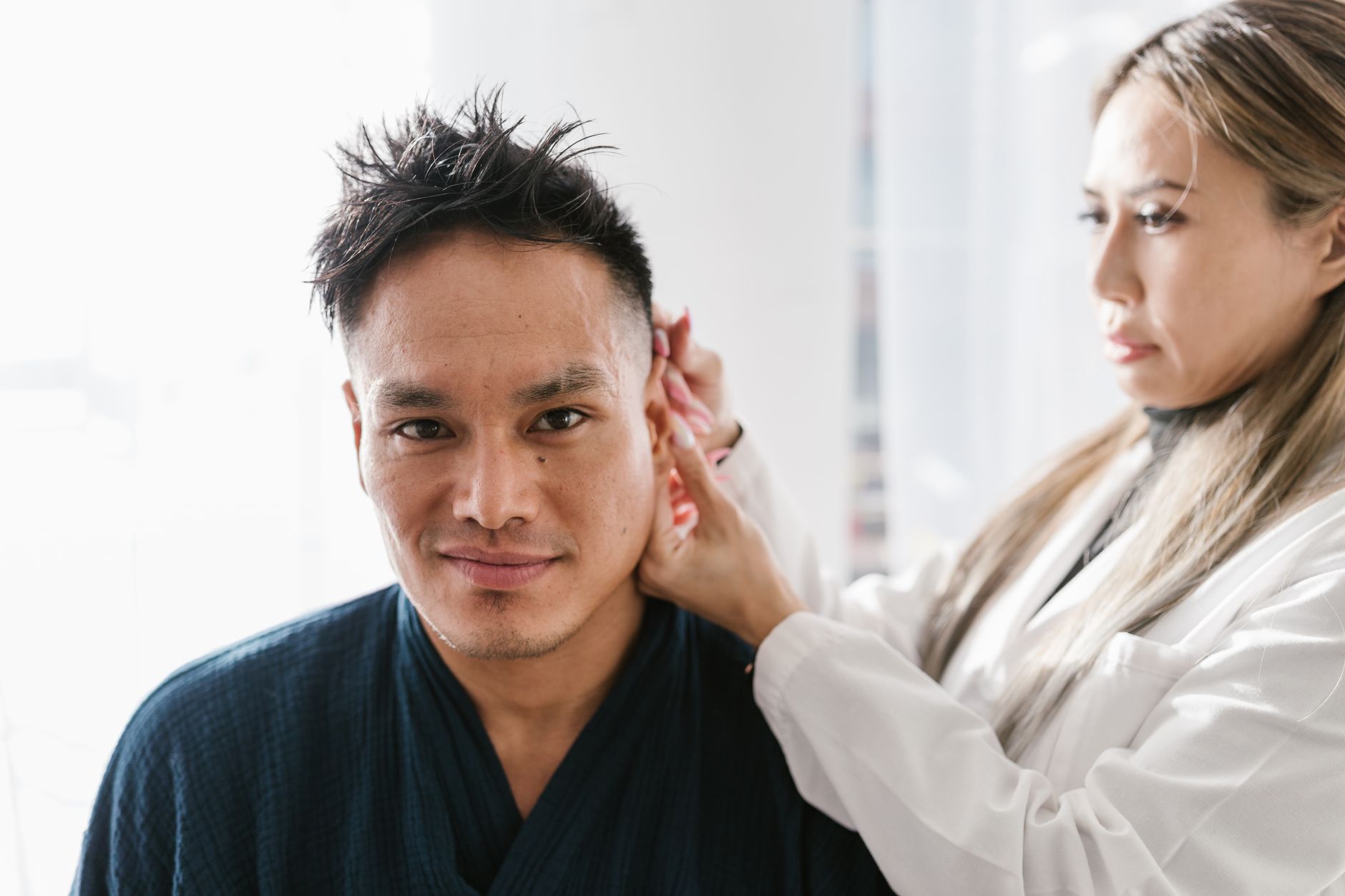
What Tinnitus Retraining Therapy Actually Looks Like
Tinnitus Retraining Therapy, developed from the neurophysiological model of tinnitus, aims to reduce the brain's emotional and attentional response to the tinnitus signal. It does not promise to switch the sound off. Instead, it helps patients habituate — gradually filing the tinnitus into the background of daily life, much like the hum of a refrigerator or distant traffic.
In Turkish hospital settings, TRT is typically delivered in two complementary components. The first is directive counselling, conducted in structured sessions where an audiologist explains the mechanisms of tinnitus, addresses fears and misconceptions, and helps patients reframe their emotional reaction. The second is sound therapy, which may involve wearable sound generators, combination hearing aids, or carefully designed sound enrichment at home. The goal is to provide a neutral, pleasant sound environment that reduces the contrast between tinnitus and silence.
Programmes are staged, not rushed. A typical course might begin with an intensive diagnostic and counselling block during a one- to two-week visit to Türkiye, followed by remote follow-up sessions via video call. Patients receive a personalised plan covering device use, sleep hygiene, stress management, and attention-shifting techniques. Clinic teams often include audiologists, ENT specialists, psychologists, and sometimes physiotherapists for patients with somatic or temporomandibular components to their tinnitus.
“The most important message we give patients is that tinnitus is manageable and that habituation is a real, achievable outcome,” explains one Istanbul-based audiology director. “Our job is to walk with them, step by step, until the sound no longer controls their life.”

Hearing Rehabilitation: Devices, Fitting, and Beyond
Because hearing loss and tinnitus frequently travel together, Turkish clinics treat hearing rehabilitation as an integral part of tinnitus care rather than a separate service. When diagnostics reveal hearing loss — even mild or high-frequency loss — appropriately fitted hearing aids can simultaneously improve communication and reduce tinnitus awareness by restoring ambient sound input to the brain.
Device fitting in Turkish centres is meticulous. Patients trial modern digital hearing aids or combination devices from leading manufacturers, with real-ear measurements, speech mapping, and fine-tuning across multiple sessions. Audiologists also program sound generators and notched-music or tailored sound options where clinically appropriate. For patients with sound sensitivity (hyperacusis), gradual desensitisation protocols are built into the rehabilitation plan.
Beyond devices, rehabilitation includes communication strategies for family members, listening training exercises, and education on protecting hearing in noisy environments. Patients leave with a written care plan that specifies device settings, daily listening schedules, and warning signs that warrant a check-in. This level of detail is what transforms a device purchase into a genuine rehabilitation programme.

Structured Support for International Patients
Türkiye's medical tourism infrastructure is well developed, and audiology clinics have adapted their services specifically for international patients. Most offer airport transfers, assistance with hospital appointments, interpreter services, and accommodation guidance near the clinic. Appointments are often arranged so that diagnostics, counselling, and fitting are completed within a compact timeframe, reducing the length and cost of the trip.
Cultural sensitivity matters in tinnitus care, and Turkish teams are known for their warm, patient-centred approach. Clinicians take time to listen to each patient's story — when the tinnitus started, how it affects sleep and mood, what previous treatments have or haven't helped. Family members are welcomed into counselling sessions, which is especially valuable for older patients who may rely on relatives for support.
Cost is another reason patients choose Türkiye. Hospital-based diagnostics, TRT counselling, and device fitting are typically significantly more affordable than equivalent private programmes in Western Europe or North America, without compromising on technology or expertise. Transparent quotations are provided in advance, so patients understand what is included before they travel.

Long-Term Follow-Up: The Difference That Lasts
Perhaps the most distinctive feature of Turkish tinnitus programmes is the emphasis on long-term follow-up. Habituation takes months, not days, and patients need consistent guidance as their response evolves. Clinics therefore schedule structured remote check-ins — often at one month, three months, six months, and one year — using secure video platforms. During these sessions, audiologists review symptom scores, adjust device settings remotely where technology allows, and provide ongoing counselling.
Patients are also given direct contact channels for questions between appointments and clear criteria for when an in-person visit is advisable. Some centres offer annual review packages that include repeat questionnaires and hearing checks, either in Türkiye or through partnering clinics in the patient's home country. This continuity of care is what separates a one-off consultation from a genuine rehabilitation journey.
Outcome data from Turkish centres consistently show meaningful improvements in Tinnitus Handicap Inventory scores, sleep quality, and self-reported quality of life among patients who complete the full programme. Just as importantly, patients report feeling heard, supported, and empowered — a psychological shift that is central to successful habituation.
Planning Your Visit: Practical Steps
If you are considering tinnitus retraining or hearing rehabilitation in Türkiye, start by gathering your existing audiology and medical records, including any previous hearing tests and imaging. Contact the clinic's international patient department with a summary of your history and goals; most respond within one to two business days with a proposed diagnostic and treatment outline.
Plan for a stay of roughly one to two weeks for the initial intensive phase, depending on whether device fitting is required. Ask in advance about language support, follow-up arrangements, and what happens if adjustments are needed after you return home. A reputable centre will welcome these questions and provide written answers.
Tinnitus is a complex condition, and no programme can promise silence. What Turkish hospital-based centres offer is something arguably more valuable: a clear, evidence-informed, and deeply humane pathway through the noise — combining cutting-edge diagnostics, structured retraining therapy, careful device fitting, and follow-up that continues for as long as it is needed. For many international patients, that combination has been life-changing.
Thinking about treatment in Turkey?
Share your contact details and a verified doctor will follow up with a plan built around you — free, no obligation.