

What Is ERAS and Why It Matters for Surgical Travelers
Enhanced Recovery After Surgery, or ERAS, is a modern, evidence-based approach to surgical care that replaces old-fashioned rules like long fasting and prolonged bed rest with a carefully coordinated plan. Instead of treating recovery as something that happens after surgery, ERAS begins weeks before the operation and continues through discharge and beyond.
The core idea is simple: the human body recovers faster when it is prepared, kept comfortable, and gently mobilized rather than left idle. ERAS protocols combine better pain control, smart nutrition, early movement, and clear patient education into one streamlined pathway. Hospitals that adopt ERAS consistently report fewer complications, shorter hospital stays, and higher patient satisfaction.
For international patients considering surgery in Türkiye, ERAS matters even more. A shorter, smoother recovery means less time away from home, lower costs, and a faster return to normal life — including travel. Many of Türkiye's leading hospitals have made ERAS a standard part of their surgical programs, especially in fields like bariatric surgery, orthopedics, gynecology, and general surgery.
ERAS is not about rushing patients out the door. It is about giving the body everything it needs to heal efficiently — then letting it do what it does best.
The Proven Science Behind Enhanced Recovery
ERAS is not a marketing trend; it is backed by decades of clinical research. The protocol was pioneered in the 1990s by Professor Henrik Kehlet in Denmark, who challenged traditional surgical dogmas. Since then, more than 20,000 scientific publications have examined ERAS principles, and major surgical societies worldwide now endorse them.
Studies consistently show that ERAS reduces hospital stays by 30 to 50 percent compared with conventional care. It also lowers rates of surgical complications, reduces readmissions, and helps patients return to work and daily activities sooner. These benefits hold true across age groups and procedure types.
The science rests on several pillars: reducing the body's stress response to surgery, maintaining normal blood sugar and body temperature, avoiding unnecessary drains and tubes, and using multimodal pain relief that minimizes opioids. Each element is small on its own, but together they create a powerful compounding effect.
In Türkiye, hospitals have adapted these global protocols to their own patient populations. Many institutions track their ERAS outcomes rigorously, publishing results and benchmarking against international standards. For a medical traveler, this means the care you receive is not improvised — it follows a proven, data-driven pathway.
Before Surgery: Preparation Instead of Starvation
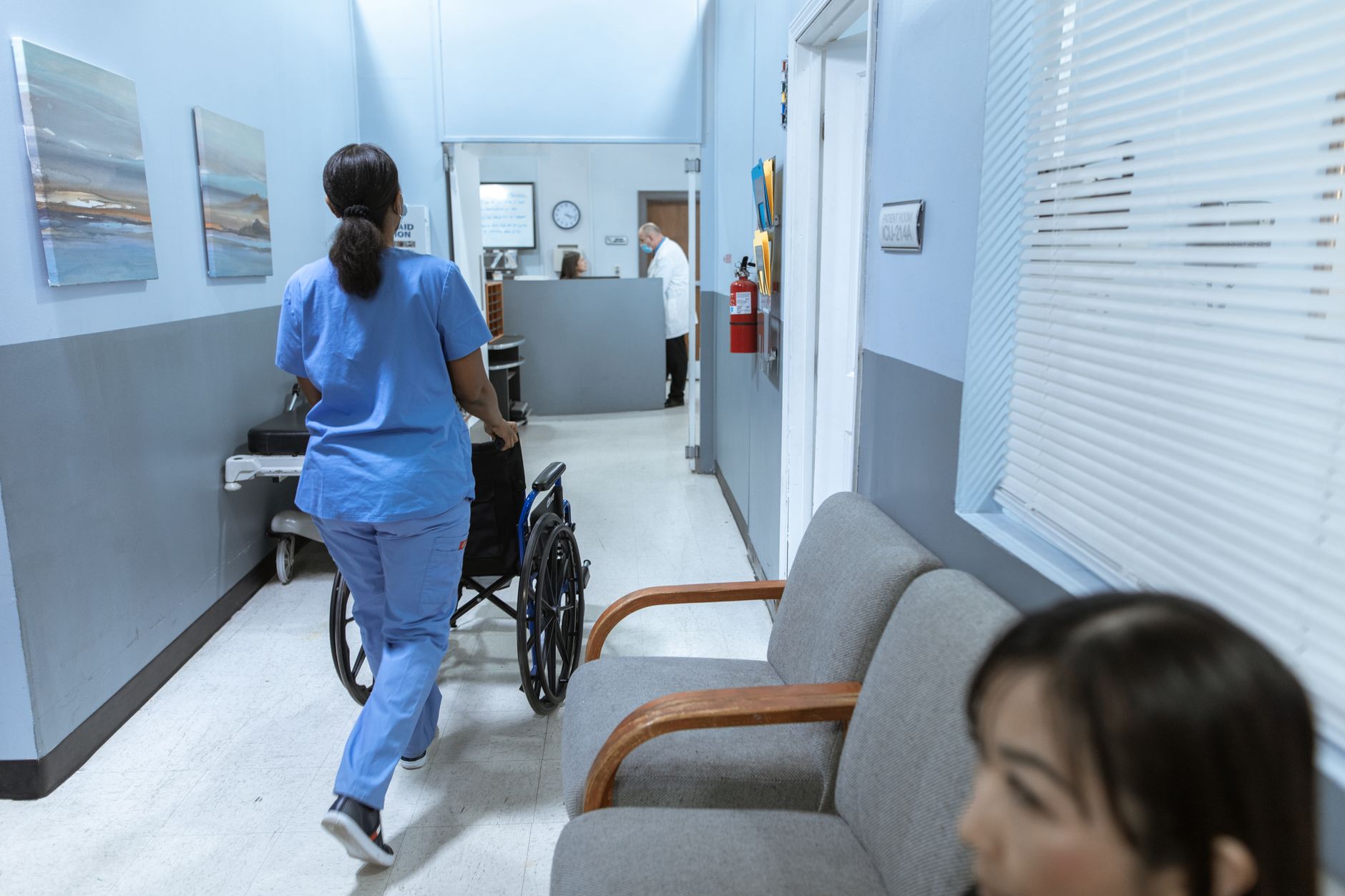
Traditional surgery often meant fasting from midnight, a practice that leaves patients dehydrated, weak, and stressed before they even reach the operating room. ERAS turns this on its head. Most Turkish hospitals following ERAS allow clear fluids up to two hours before surgery and a light, carbohydrate-rich drink the evening before and morning of the procedure.
This carbohydrate loading reduces postoperative insulin resistance, preserves muscle strength, and helps patients feel far better on the day of surgery. It is especially valuable for international patients who may already be fatigued from travel.
Preoperative preparation also includes patient education. You will typically receive a clear roadmap: what to expect, when you will eat, when you will walk, and what your discharge plan looks like. Many hospitals provide this in multiple languages, including English, Arabic, Russian, and German.
For some procedures, prehabilitation — a short program of nutrition support, breathing exercises, and light activity — is recommended. This primes the body for recovery and has been shown to reduce complications, particularly in older patients or those with underlying conditions.
During and Right After Surgery: Comfort by Design
ERAS surgical techniques emphasize minimally invasive approaches whenever possible. Laparoscopic and robotic surgery use small incisions, which means less pain, less blood loss, and faster healing. Türkiye has invested heavily in these technologies, and many of its hospitals are regional leaders in robotic surgery.
Anesthesia is also tailored to ERAS principles. Short-acting agents allow patients to wake up more alert and comfortable. Local and regional nerve blocks are used to numb surgical areas, reducing the need for systemic opioids that can cause nausea, drowsiness, and constipation.
After surgery, the goal is to avoid unnecessary tubes and drains. Where safe, catheters and nasal tubes are removed quickly, often within hours. Patients are encouraged to sip fluids soon after waking and to eat soft food the same day. This early nutrition supports gut function and speeds healing.
Pain relief follows a multimodal model: a combination of non-opioid medications, local anesthetics, and targeted techniques that keep you comfortable without heavy sedation. The result is a patient who is awake, oriented, and ready to participate in their own recovery.

Eating, Moving, and Going Home Sooner
The most visible ERAS changes happen in the first 24 to 72 hours. Instead of lying in bed, patients are helped to sit up and walk within hours of surgery. Early mobilization prevents blood clots, reduces lung complications, and stimulates bowel function. It also gives patients a psychological boost — a tangible sign that recovery is underway.
Eating resumes quickly. ERAS recognizes that the gut heals better when it is used. Patients typically start with liquids, then soft foods, and progress to normal meals within a day or two. Turkish hospitals are well suited to this, offering nutritious, freshly prepared meals that patients actually enjoy.
The combination of early eating and early movement means discharge often happens in two to four days for procedures that once required a week or more. Before you leave, your care team ensures you understand your medications, wound care, activity limits, and warning signs to watch for.
For international patients, this accelerated timeline translates directly into practical benefits. You spend less on accommodation, you return to your family sooner, and you can plan your journey home with confidence. Many patients find they are ready for light sightseeing or a comfortable flight within a week or two, depending on the procedure.
What ERAS Means Practically for International Patients
If you are traveling to Türkiye for surgery, ERAS affects nearly every part of your experience. Your hospital stay will likely be shorter, your discomfort lower, and your recovery more active. You will be encouraged to move and eat rather than rest passively, which can feel surprising if you expected a traditional hospital experience.
Turkish hospitals that embrace ERAS often pair it with dedicated international patient services: translators, airport transfers, assistance with visas, and coordinated follow-up after you return home. This wraparound support makes the protocol easier to follow and reduces the anxiety that can accompany surgery abroad.
Costs also compare favorably. Shorter stays mean lower hospital bills, and Türkiye's overall medical costs are significantly below those in Western Europe or North America. Combined with ERAS outcomes, this makes Türkiye an attractive destination for procedures such as bariatric surgery, knee and hip replacement, hernia repair, and gynecological surgery.
It is important to choose an accredited hospital with a genuine ERAS program, not just a marketing claim. Look for facilities with international accreditation, experienced surgeons, and transparent outcome data. Istanbul Medical Tourism can help you identify hospitals where ERAS is embedded in daily practice.
Recovery is not a passive wait. With ERAS, it is an active, guided process — and Türkiye's hospitals have turned it into an art.
Recovering Well Enough to Travel Again
One of the most appealing aspects of ERAS for medical travelers is the quicker return to normal life. Because the body is not depleted by prolonged fasting or immobility, energy returns faster. Patients often report feeling steady on their feet within days and ready for gentle activity within a week or two.
That said, ERAS is not a race. Your surgical team will give you personalized guidance on when it is safe to fly, when you can resume exercise, and how to care for your incision. Most patients are cleared for long-haul flights within 7 to 14 days, though this varies by procedure.
Türkiye itself offers a gentle backdrop for recovery. You can rest in a comfortable hotel, take short walks along the Bosphorus, or enjoy quiet time in a coastal town before flying home. The country's mild climate, excellent food, and welcoming culture make convalescence more pleasant.
The ultimate goal of ERAS is not just a shorter hospital stay — it is a better recovery. By eating well, moving early, and following a proven pathway, patients in Türkiye's leading hospitals give themselves the best chance of returning to health, and to travel, sooner.
If you are considering surgery abroad, ask your provider about their ERAS protocols. The answer will tell you a great deal about the quality of care you can expect — and about how soon you will be back on your feet, exploring the world again.
Thinking about treatment in Turkey?
Share your contact details and a verified doctor will follow up with a plan built around you — free, no obligation.