

Why Oral Health Matters Before Major Surgery
When you are preparing for a major operation — whether it is cardiac bypass, hip replacement, or bariatric surgery — your medical team focuses on making sure your body is ready. In Türkiye, that preparation increasingly includes a thorough dental and oral health screening. The reason is simple: the mouth is a gateway to the rest of the body, and poor oral hygiene can harbour bacteria that may enter the bloodstream during surgery, potentially leading to infections at the surgical site or even in the heart valves.
Research has shown that untreated gum disease (periodontitis) and dental abscesses are linked to higher rates of post-operative complications, including infective endocarditis in cardiac patients and prosthetic joint infections in orthopaedic patients. By identifying and addressing these issues before surgery, Turkish hospitals aim to reduce these risks and ensure a smoother recovery.
For international patients, this proactive approach offers an added benefit: it can be combined with a dental clean-up during the same trip, saving time and ensuring that you return home with both a healthier heart or joint and a healthier smile.
How Turkish Hospitals Integrate Dental Screening into Pre-Operative Protocols
Leading Turkish hospitals, especially those with international patient departments, have developed standardised protocols that include a dental assessment as part of the pre-operative workup. Typically, this happens after your initial surgical consultation and before your final surgical clearance. The process is coordinated by a multidisciplinary team that may include your surgeon, anesthesiologist, internal medicine specialist, and a dentist or oral health specialist.
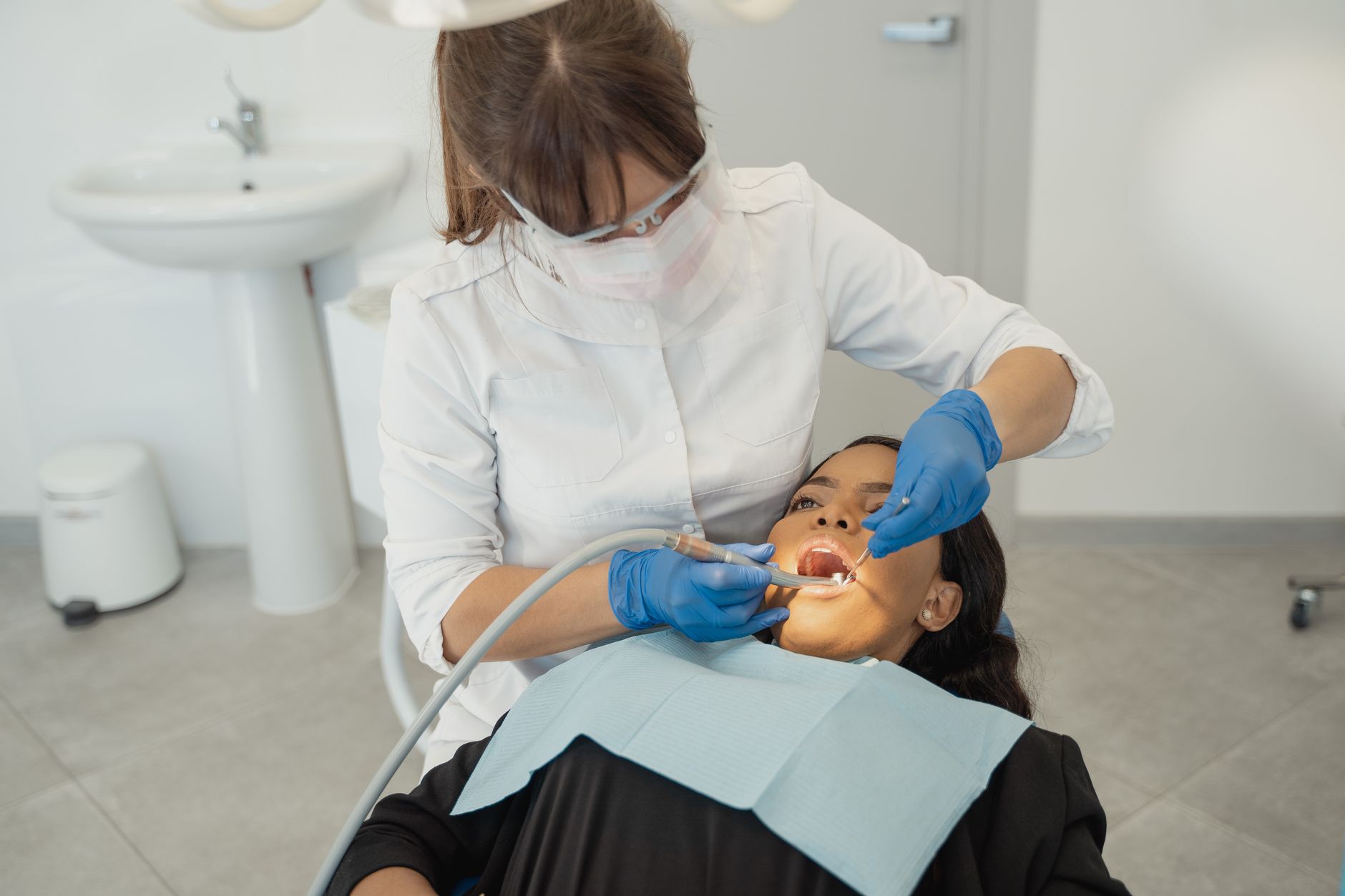
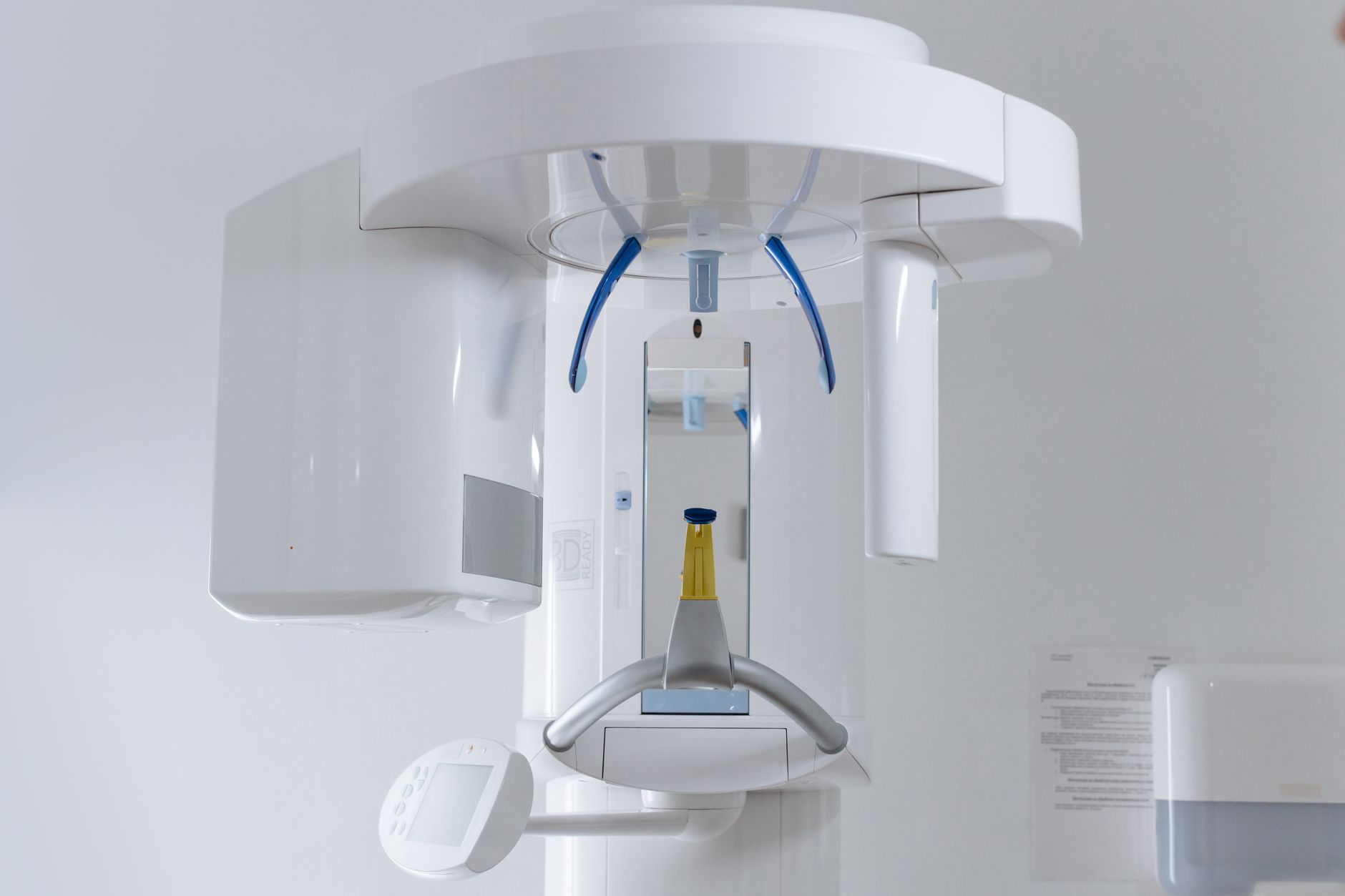
The dental screening usually involves a comprehensive examination of your teeth, gums, and oral mucosa, often supplemented by panoramic X-rays if needed. The goal is to detect any active infection, decay, or periodontal disease that could pose a risk during or after surgery. If problems are found, they are treated promptly — sometimes with a simple cleaning, sometimes with antibiotics or minor dental procedures — before the main surgery proceeds.
This integration is not an afterthought; it is embedded in the hospital's quality assurance systems. Many hospitals use checklists that mirror international safety standards, ensuring that no patient proceeds to major surgery without addressing oral health risks. For you as a patient, this means fewer surprises and a more predictable surgical outcome.
Cardiac Surgery: Protecting the Heart from Oral Bacteria
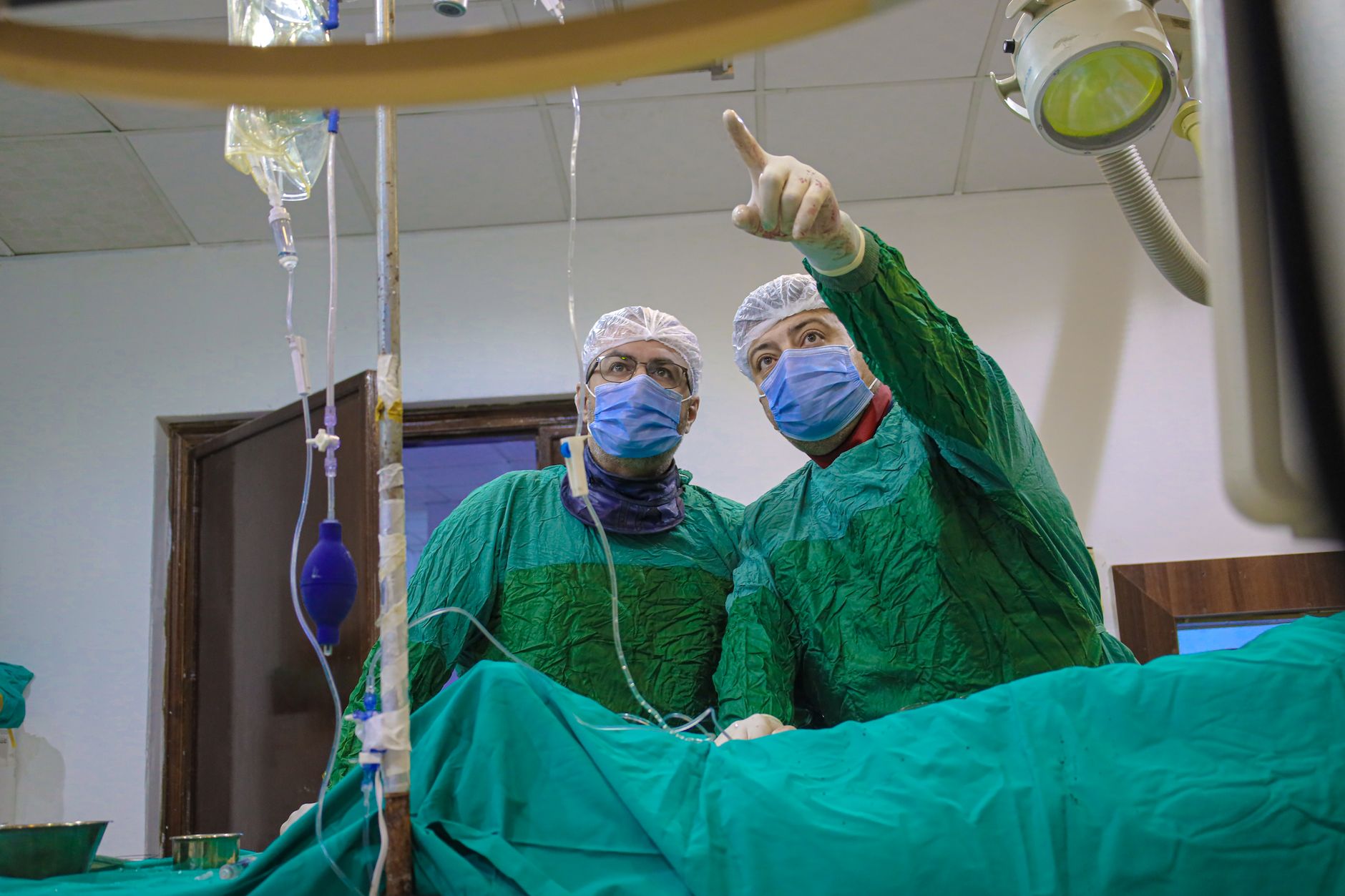
In cardiac surgery, the stakes are particularly high. Patients undergoing procedures such as coronary artery bypass grafting (CABG) or valve replacement are at risk of infective endocarditis — a serious infection of the heart lining or valves. Oral bacteria, especially streptococci from gum disease or dental abscesses, can enter the bloodstream during surgery and settle on damaged heart tissue or prosthetic valves.
Turkish cardiac centres therefore require a dental clearance before scheduling surgery. If you have an active dental infection, your surgery may be postponed until it is treated. In some cases, a simple course of antibiotics and a professional dental cleaning are enough to resolve the issue. This precaution is not unique to Türkiye, but Turkish hospitals are known for their thoroughness and for making the process convenient for international patients.
For patients from abroad, the hospital's international office often arranges the dental appointment alongside other pre-operative tests, so you can complete everything in a few days. This coordinated approach reduces stress and ensures that your cardiac team has all the information they need to proceed safely.
Orthopaedic Surgery: Reducing the Risk of Joint Infections
Orthopaedic procedures like total hip or knee replacement involve implanting foreign materials into the body. These implants can become colonised by bacteria if any infection is present elsewhere — including the mouth. A condition called prosthetic joint infection (PJI) is a devastating complication that often requires additional surgery and prolonged antibiotics.
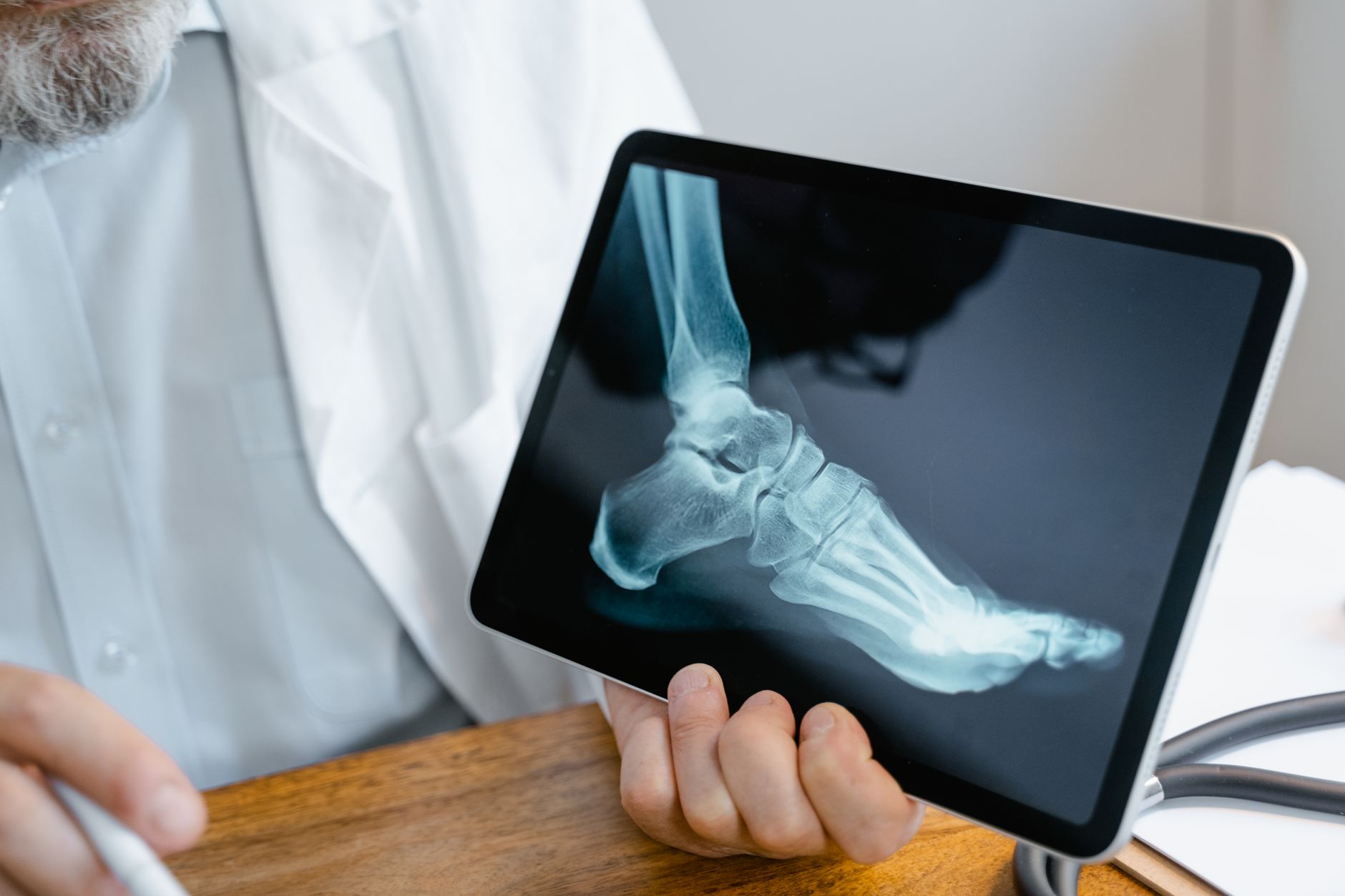
To minimise this risk, Turkish orthopaedic hospitals include dental screening in their pre-operative assessment. They look for signs of periodontal disease, cavities, and failed root canals. If you need dental work, it is typically completed at least two weeks before your joint replacement to allow the tissues to heal and any bacteraemia to clear.
Many patients appreciate this holistic approach because it addresses a potential source of infection that might otherwise be overlooked. It also gives you peace of mind knowing that your surgical team is considering every aspect of your health.
Bariatric Surgery: A Comprehensive Health Check
Bariatric surgery — such as gastric sleeve or gastric bypass — is a life-changing procedure for many patients with obesity. However, obesity is often associated with poor oral health due to dietary habits, dry mouth, and conditions like diabetes. Turkish bariatric centres therefore include a dental evaluation as part of the multidisciplinary assessment.
The screening helps identify issues like gum disease, which can be exacerbated by the nutritional changes after surgery. Treating these problems beforehand can improve your overall health and reduce the risk of complications. Additionally, some bariatric patients may have nutritional deficiencies that affect oral health, and addressing them early is part of a comprehensive care plan.
Turkish hospitals often combine the dental check with other pre-operative tests, such as blood work, cardiology clearance, and psychological evaluation, all within a short timeframe. This efficiency is a major draw for medical travellers who want to minimise their time away from home.
Patient Benefits: Safer Surgery and a Coordinated Care Plan
The most obvious benefit of pre-treatment dental screening is safer surgery. By eliminating oral infections, you reduce the risk of post-operative complications, which can lead to longer hospital stays, additional treatments, and even revision surgery. This is particularly important for international patients who may not have easy access to follow-up care back home.
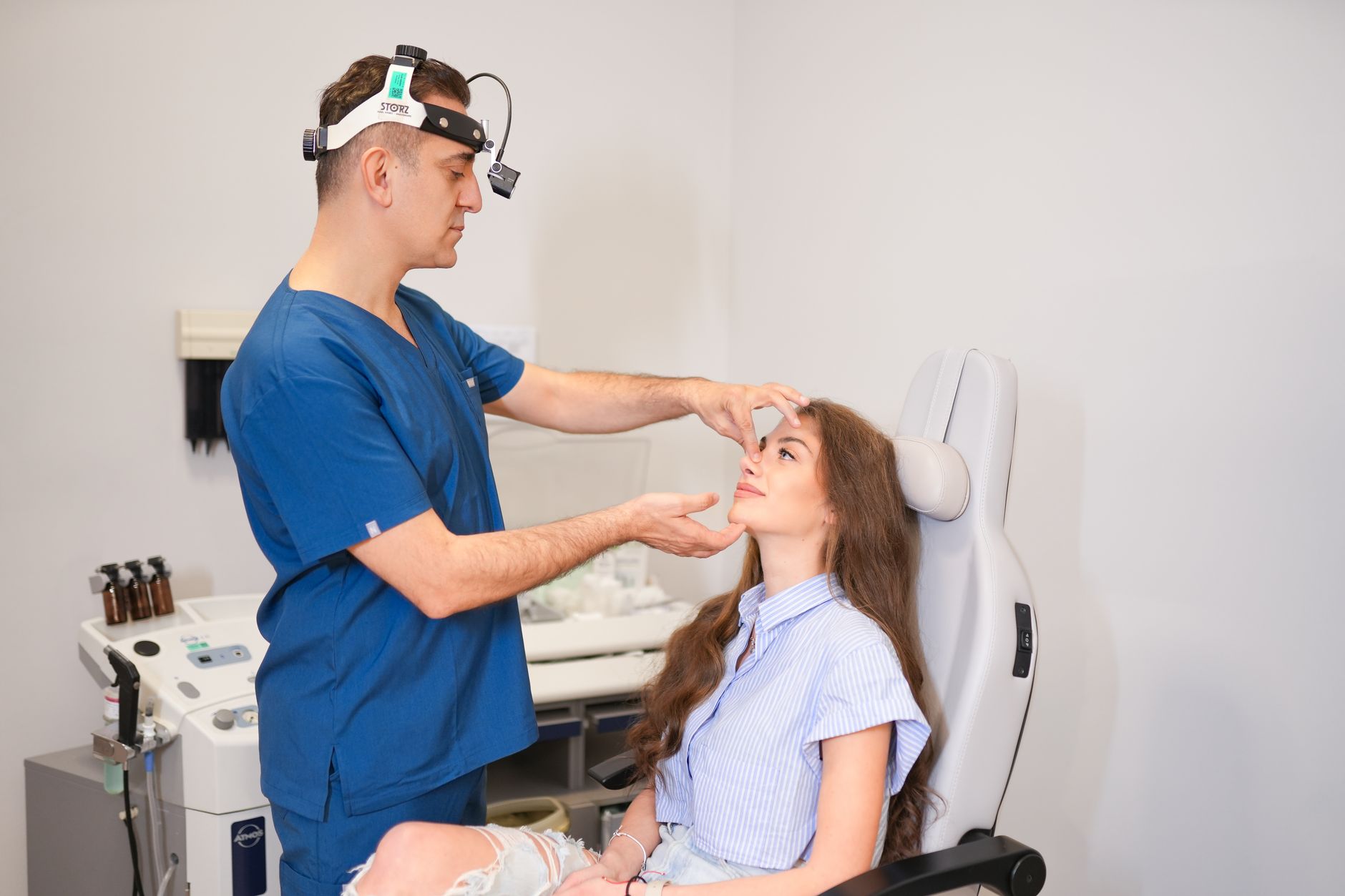
Beyond safety, this approach offers a coordinated care plan. Instead of juggling separate appointments with different providers, you have a team that communicates and ensures nothing is missed. Your surgeon, dentist, and other specialists work together to optimise your health before surgery. This integrated model is a hallmark of Türkiye's leading hospitals, which are accredited by international bodies like JCI and TEMOS.
Another tangible benefit is the opportunity for a same-trip dental clean-up. Many patients take advantage of their time in Türkiye to undergo a professional dental cleaning, teeth whitening, or even more extensive dental work at a fraction of the cost they would pay in their home country. This can be arranged conveniently around your surgical schedule, turning a medical necessity into a positive experience.
What to Expect During Your Dental Screening in Türkiye
When you arrive at a Turkish hospital for your pre-operative assessment, the dental screening is usually quick and painless. You will be asked about your dental history, any current symptoms, and medications you take. The dentist will examine your mouth, checking for cavities, gum inflammation, and other issues. If necessary, X-rays may be taken.
If treatment is needed, it can often be done the same day or the next. Common procedures include scaling and root planing (deep cleaning), fillings, or extractions of severely decayed teeth. In some cases, antibiotics may be prescribed. The dental team will coordinate with your surgeon to ensure that the timing is right and that you are cleared for surgery.
For international patients, language barriers are rarely an issue, as most hospitals provide interpreters and have dental staff experienced in treating foreign patients. The cost of the dental screening and any necessary treatment is often included in the surgical package or offered at a very reasonable additional fee.
Choosing a Turkish Hospital for Your Surgery
If you are considering major surgery in Türkiye, look for hospitals that explicitly mention pre-operative dental screening in their protocols. This is a sign of a comprehensive, patient-centred approach. You can ask your chosen hospital about their dental clearance policy and how they coordinate with dental specialists.
Many top hospitals in Istanbul, Ankara, and Antalya have dedicated international patient departments that guide you through the entire process, from initial consultation to post-operative follow-up. They can help arrange your travel, accommodation, and all medical appointments, including dental care.
By choosing a hospital that prioritises oral health, you are taking an important step towards a safer surgical journey and a healthier future. Türkiye's integrated approach not only meets but often exceeds international standards, making it a smart choice for medical travellers.
Thinking about treatment in Turkey?
Share your contact details and a verified doctor will follow up with a plan built around you — free, no obligation.