
The Quiet Revolution in Turkish Hospitals
In the bustling corridors of Türkiye's leading hospitals, a quiet revolution is taking place. Gone are the days when treating a tumour, a blocked artery or a fibroid meant large incisions, lengthy hospital stays and weeks of downtime. Today, interventional radiologists across Istanbul, Ankara and Izmir are performing procedures that once required open surgery—using only a tiny nick in the skin, a catheter and advanced imaging guidance.
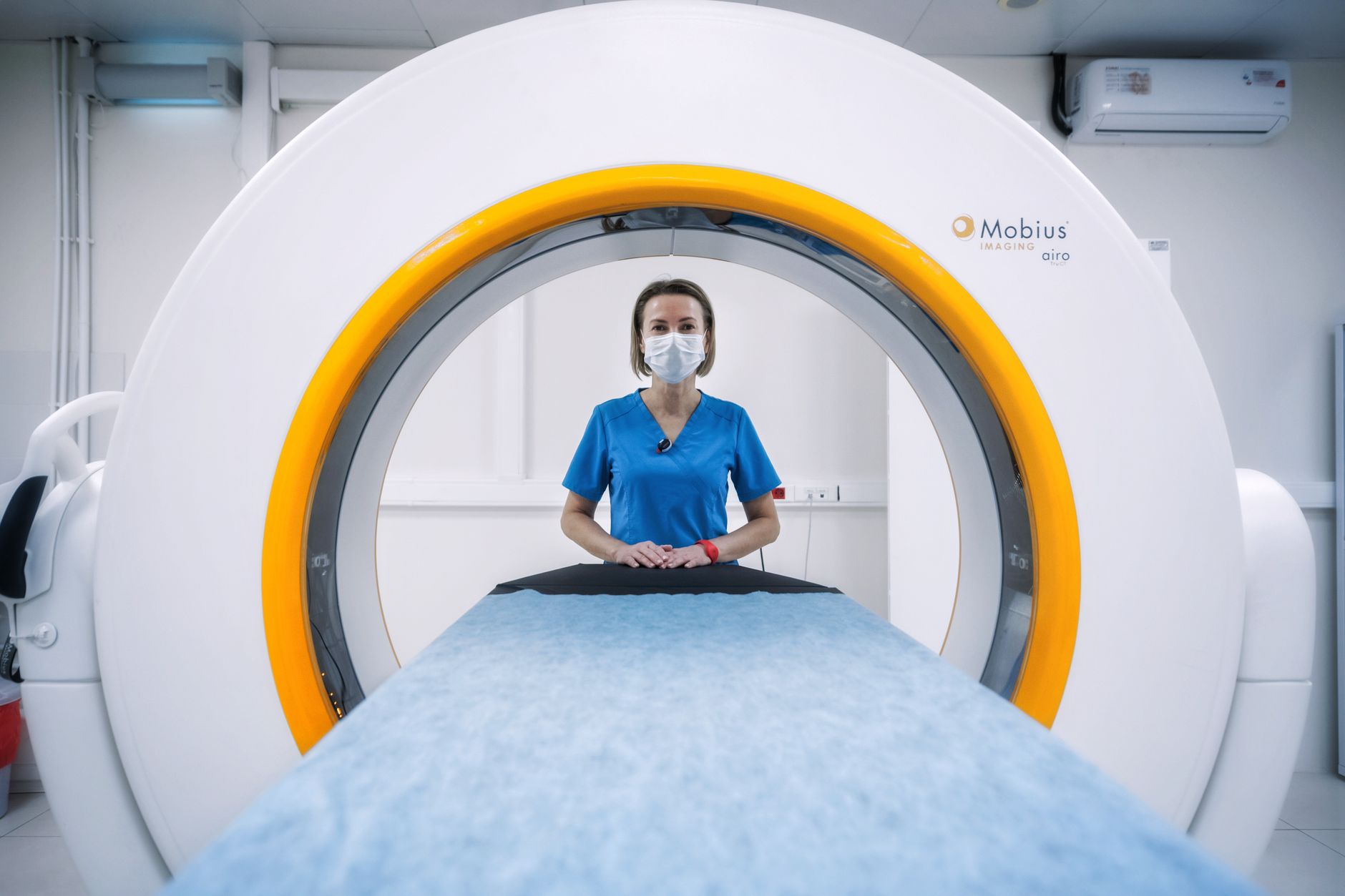
This field, known as interventional radiology (IR), combines radiology's diagnostic power with surgical precision. Using X-ray, ultrasound, CT or MRI, these specialists navigate instruments through blood vessels or directly into organs to treat conditions at their source. For international patients, this means less pain, smaller scars, shorter hospital stays and a much faster return to normal life.
Türkiye has become a global hub for this minimally invasive approach. Its hospitals invest in state-of-the-art angio suites, hybrid operating rooms and cutting-edge ablation systems. More importantly, its IR teams are among the most experienced in the region, performing thousands of procedures annually with outcomes that rival leading centres in Europe and North America.
What Is Interventional Radiology?
Interventional radiology is a medical subspecialty where physicians use imaging techniques to guide tiny instruments—catheters, wires, needles and probes—through the body to diagnose and treat disease. Instead of making a large surgical incision, they often enter through a blood vessel in the wrist or groin, or puncture the skin directly over the target organ.
The procedures are typically performed under local anaesthesia and light sedation, meaning patients are awake or comfortably drowsy. Many are done on an outpatient basis, with patients walking out within hours. Even more complex interventions usually require only an overnight stay.
In Türkiye, IR is integrated into major hospitals and university medical centres, where teams work closely with oncologists, vascular surgeons, hepatologists and gynaecologists. This multidisciplinary approach ensures that each patient receives a tailored treatment plan—often combining IR with other therapies for the best possible outcome.
Key Procedures Transforming Care
Embolisation: Blocking the Problem at Its Source
Embolisation involves injecting tiny particles, coils or glue into blood vessels to block blood flow to a target area. It is used to treat uterine fibroids (uterine fibroid embolisation), prostate enlargement (prostate artery embolisation), liver tumours (transarterial chemoembolisation or radioembolisation), and life-threatening bleeding.
For a patient with fibroids, for example, the procedure shrinks the fibroids by cutting off their blood supply, relieving heavy bleeding and pain without removing the uterus. Recovery is swift: most women return to work within a week, compared to six weeks after open surgery. Similarly, men with benign prostatic hyperplasia can avoid invasive surgery, preserving sexual function and continence.
Ablation: Burning or Freezing Tumours Away
Ablation techniques—radiofrequency, microwave, cryoablation and irreversible electroporation—use extreme heat or cold to destroy tumours or abnormal tissue. Guided by imaging, a thin needle is inserted directly into the tumour, leaving surrounding healthy tissue largely untouched.
In Türkiye, ablation is increasingly used for liver, kidney, lung, bone and thyroid tumours, as well as for varicose veins and benign thyroid nodules. For patients who are not candidates for surgery due to age, location or other health issues, ablation offers a curative or palliative option with minimal downtime. Many patients are discharged the next day and resume light activities within days.
Catheter-Directed Therapies: Unclogging and Repairing
Catheter techniques allow IRs to open blocked arteries (angioplasty and stenting), dissolve clots (thrombolysis), place stents in narrowed veins, and create access for dialysis. They also perform biliary and urinary drainage, place feeding tubes, and manage complications after surgery—all without large incisions.
For international patients with peripheral artery disease or deep vein thrombosis, this means a quick procedure to restore blood flow, often followed by a short observation period and a clear plan for follow-up back home.

Benefits for International Patients: Shorter Stays, Less Downtime
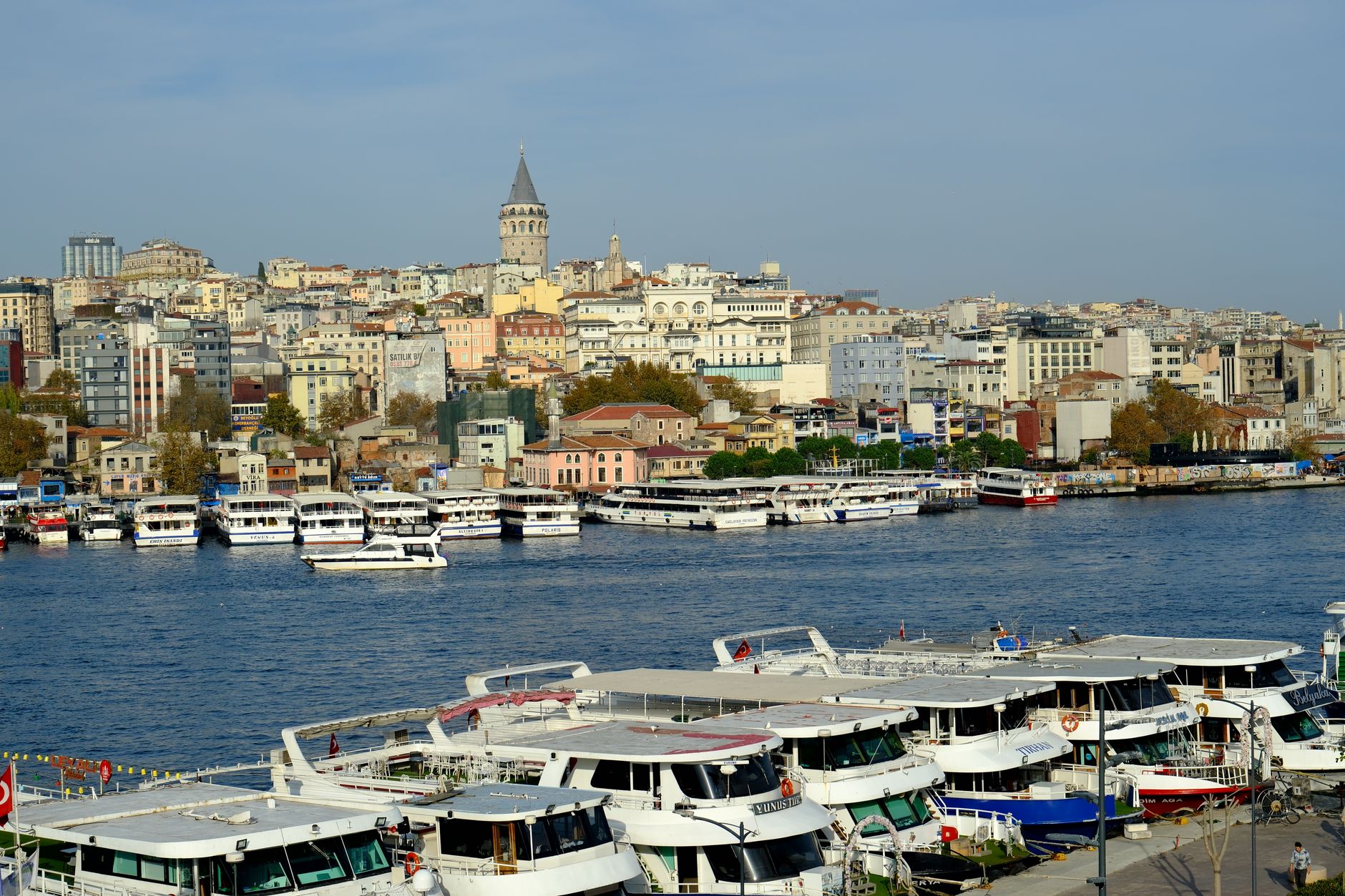
When you travel abroad for medical care, time is precious. Interventional radiology drastically reduces the length of hospitalisation. Many IR procedures are done as day cases; even major ones like uterine fibroid embolisation or liver tumour ablation typically require only one night in hospital. This means you can spend fewer days in a hospital bed and more time recovering comfortably—or even exploring Istanbul's historic sites if cleared by your doctor.
Recovery is faster, too. With no large incision, there is less post-operative pain, lower risk of infection and bleeding, and no lengthy wound care. Patients often fly home within a week, compared to several weeks after open surgery. This shorter stay translates into significant cost savings on accommodation, meals and other travel expenses.
Beyond convenience, IR offers safety advantages: reduced anaesthesia risk, less blood loss, and the ability to treat patients who are too frail for traditional surgery. For many, it is the only viable treatment option.
Türkiye's Edge in Interventional Radiology
Türkiye's hospitals are equipped with the latest imaging technology, including biplane angiography systems, cone-beam CT and robotic-assisted platforms. Many centres have dedicated IR suites with hybrid capabilities, allowing surgeons and radiologists to collaborate in real time.
Turkish interventional radiologists are highly trained, often with fellowships in Europe or the USA, and actively participate in international clinical trials. The country's medical tourism infrastructure—from multilingual patient coordinators to airport transfers and accommodation near hospitals—makes the entire journey seamless.
Cost is another compelling factor. Procedures that cost tens of thousands of dollars in Western countries are often available in Türkiye at 50–70% less, without compromising quality. Accredited hospitals (JCI, ISO) maintain rigorous standards, and many have dedicated international patient departments.
What to Expect: A Patient's Journey
Your journey begins with a remote consultation. You share your medical records—imaging, lab results, reports—and a Turkish IR specialist reviews them. If IR is suitable, you receive a detailed treatment plan, cost estimate and suggested travel dates.
Upon arrival, you undergo a focused evaluation, possibly additional imaging, and a pre-procedure briefing. The procedure itself is usually performed within a day or two. Most patients are monitored for a few hours or overnight, then discharged with clear aftercare instructions.
Follow-up can be done remotely or with your local doctor. Turkish hospitals provide detailed reports and imaging discs for continuity of care. Many patients report feeling well enough to enjoy light sightseeing within days—a welcome bonus on their medical journey.
Is Interventional Radiology Right for You?
IR is not a replacement for all surgeries, but it is an excellent option for many conditions. It is particularly beneficial for patients with uterine fibroids, prostate enlargement, liver tumours, varicose veins, peripheral artery disease, and chronic pain. If you have been told you need surgery but are concerned about recovery time or risks, ask about IR.
Consult with a qualified interventional radiologist in Türkiye to see if you are a candidate. With its combination of advanced technology, skilled specialists and patient-friendly approach, Türkiye is redefining what modern medical travel can be: effective, efficient and remarkably gentle.
Thinking about treatment in Turkey?
Share your contact details and a verified doctor will follow up with a plan built around you — free, no obligation.