

Record Year for Turkish Fertility Centres
Türkiye's IVF clinics are reporting an unprecedented surge in international referrals from Central Asia and the Balkans, with several major centres in Istanbul, Ankara and Antalya recording double-digit growth in cross-border patient numbers over the past year.
Clinic directors attribute the rise to Türkiye's combination of advanced laboratory technology, experienced reproductive endocrinologists, and transparent outcome reporting. For many patients in Kazakhstan, Uzbekistan, Azerbaijan, Bulgaria, North Macedonia and Kosovo, Türkiye has become the preferred destination for fertility treatment.
The trend reflects a broader shift in medical travel: patients are no longer choosing destinations solely on price, but on documented success rates, ethical care and the availability of support in their own language.
Why Central Asian and Balkan Patients Are Choosing Türkiye
Geographic proximity, direct flights and visa-free or e-visa entry for many neighbouring countries make travel straightforward. Istanbul's two major airports connect to Almaty, Tashkent, Baku, Sofia and Skopje within a few hours, allowing patients to complete monitoring cycles with minimal disruption to work and family life.
Equally important is the cultural and linguistic fit. Many Turkish clinics employ Russian-, Bulgarian-, Macedonian- and Albanian-speaking coordinators, and some offer Arabic and English support as standard. This multilingual care reduces anxiety and improves adherence to complex treatment protocols.
Cost is a factor, but not the only one. A full IVF cycle in Türkiye typically costs significantly less than in Western Europe while maintaining EU-standard laboratory practices and ISO-certified facilities.
Success Rates and Ethical Counselling Underpin Trust
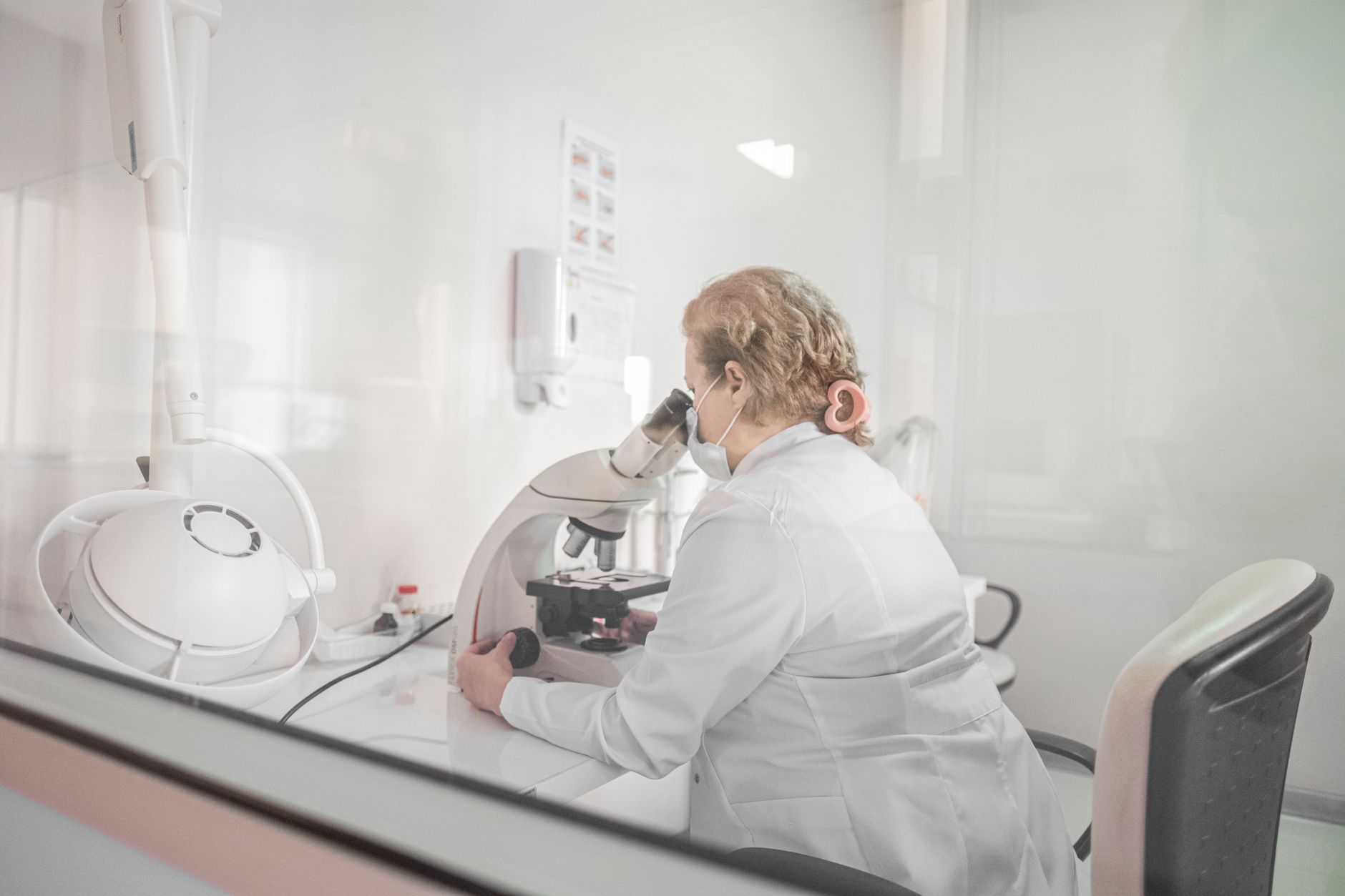
Türkiye's leading fertility centres report IVF success rates that are competitive with international benchmarks, particularly for women under 35. These figures are published in line with Turkish Ministry of Health reporting requirements, giving patients verifiable data to inform their decisions.
Clinics also emphasise ethical counselling: patients receive clear information about realistic outcomes, the risks of multiple pregnancy, and the importance of single embryo transfer where appropriate. This approach aligns with ESHRE and other international guidelines and helps prevent false expectations.
For patients from regions where fertility care can be stigmatised, the privacy and respectful counselling offered by Turkish clinics are often cited as decisive factors in their choice.
What This Means for Prospective Patients
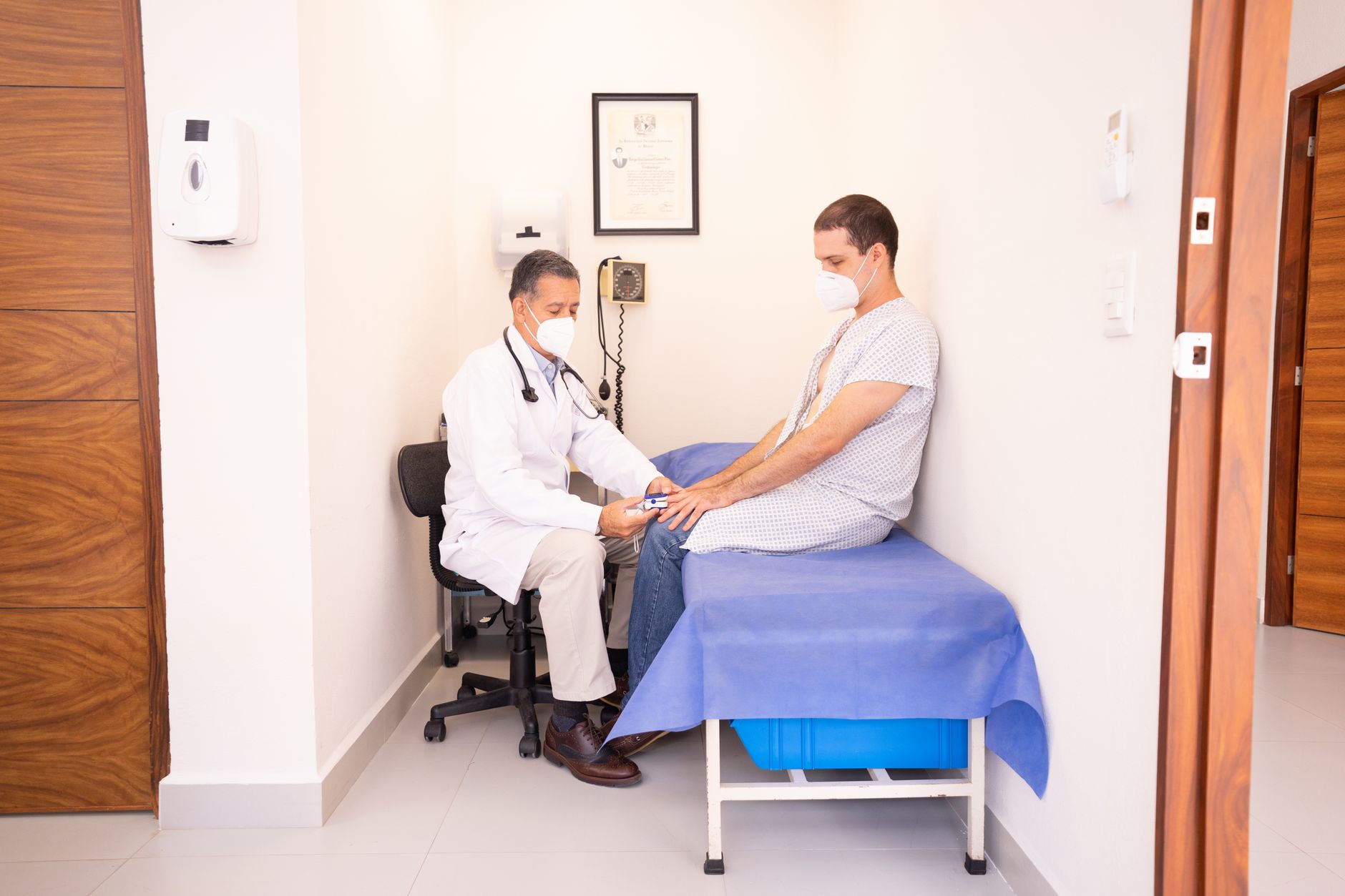
Growing demand has practical benefits. More patients means more shared-experience communities—online forums, patient groups and clinic-hosted webinars in Russian, Balkan languages and English—where prospective patients can learn from others who have already travelled to Türkiye for treatment.
Travel logistics have also improved. Many clinics now offer packages that include airport transfers, accommodation near the hospital, and coordinated appointment scheduling so that a typical IVF cycle can be completed in two or three short trips rather than a single long stay.
Competitive cycle pricing is another advantage. As more clinics compete for international patients, packages have become more transparent, with clear inclusions and fewer hidden costs. Patients are advised to confirm what is covered—medication, monitoring, embryo freezing, and follow-up—before committing.

Choosing a Clinic: What to Look For
When evaluating a Turkish fertility centre, patients should verify the clinic's Ministry of Health licence, ask for age-specific success rates rather than headline figures, and confirm the availability of counselling in their preferred language.
It is also wise to request a written treatment plan and cost breakdown before travelling. Reputable clinics provide this without pressure and encourage patients to ask questions about embryo transfer policy, genetic testing options, and what happens if a cycle needs to be cancelled.
Finally, patients should consider continuity of care: how the clinic will communicate with their local doctor, and what follow-up is offered after returning home. Türkiye's leading centres increasingly provide structured aftercare and remote consultations.
Outlook: A Regional Hub for Fertility Care
With record referrals from Central Asia and the Balkans, Türkiye is cementing its position as a regional hub for fertility treatment. Investment in new laboratories, expanded multilingual teams, and partnerships with clinics abroad are expected to sustain this growth.
For patients, the message is encouraging: more choice, more transparency, and more support. Türkiye's fertility sector is not only attracting more international patients—it is also raising standards of care and communication in response to their needs.
Thinking about treatment in Turkey?
Share your contact details and a verified doctor will follow up with a plan built around you — free, no obligation.