

Record-Breaking Year for Turkish Healthcare Tourism
Türkiye's medical tourism sector is on track to close 2026 with nearly $6 billion in revenue, a historic milestone that underscores the country's rise as a global healthcare destination. According to the Ministry of Health and industry associations, the sector has grown steadily throughout the year, surpassing earlier projections and setting a new benchmark for the nation's health tourism economy.
This revenue growth reflects more than just increased visitor numbers. It signals deepening international confidence in the clinical excellence, safety standards and patient-centred care offered by Turkish hospitals. Patients from Europe, the Middle East, Central Asia and beyond are choosing Türkiye not only for affordability but for outcomes that rival the world's leading medical centres.
The momentum is particularly visible in Istanbul, Ankara, Izmir and Antalya, where JCI-accredited hospitals and specialised clinics continue to attract complex cases in cardiology, oncology, orthopaedics, IVF and aesthetic surgery.
Why Growth Reflects Trust, Not Just Volume
Industry analysts emphasise that the climb toward $6 billion is driven by higher-value procedures and repeat international referrals, not simply a spike in patient numbers. This shift indicates that global patients and insurers are placing long-term trust in Turkish medical institutions.
“The revenue increase is a direct reflection of international trust,” said a spokesperson for the Health Tourism Association. “Patients are coming for advanced treatments, and they are referring their families and communities. That is the strongest endorsement a healthcare system can receive.”
This trust is reinforced by transparent pricing, multilingual patient coordinators and rigorous accreditation. Many Turkish hospitals now publish outcome data and participate in international quality registries, giving incoming patients greater assurance.
Reinvestment in Facilities and Surgeon Capacity
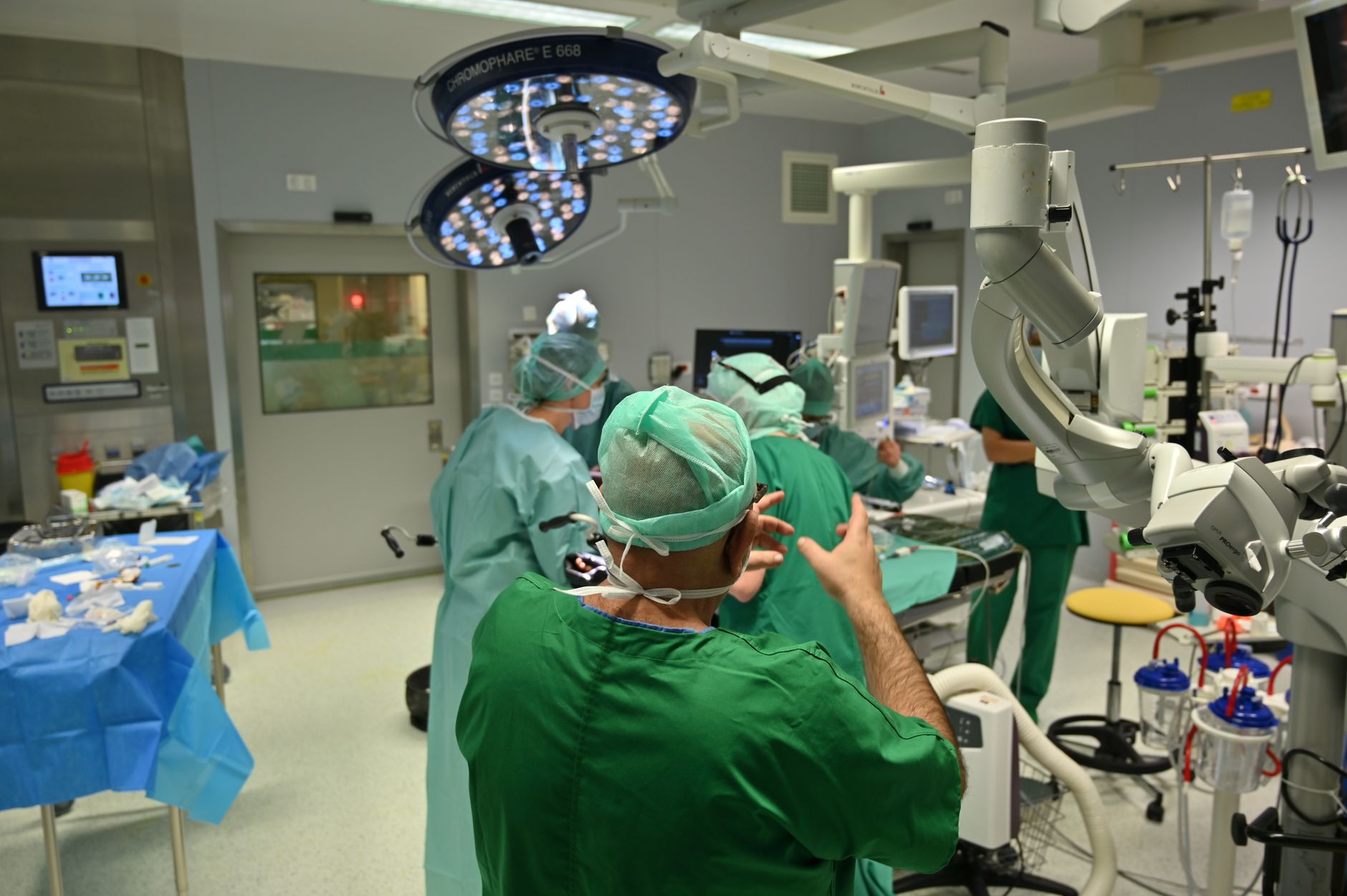
Crucially, the rising revenue is being reinvested into healthcare infrastructure. Hospital groups across Türkiye are expanding operating theatres, upgrading robotic surgery systems and opening new intensive care units to meet growing demand.
Surgeon capacity is also increasing. Training programmes, international fellowships and partnerships with European and American medical boards are helping to expand the pool of specialists. This means shorter waiting times and faster appointment access for international patients, even for high-demand procedures.
Several Istanbul-based hospitals have announced new dedicated international patient wings, complete with private recovery suites and streamlined admission processes. These investments ensure that the patient experience keeps pace with the sector's growth.

Faster Access and Streamlined Patient Journeys
For incoming patients, the most tangible benefit is speed. While many Western European systems face months-long waiting lists, Turkish hospitals can often schedule consultations and surgeries within days or weeks.
Digital health platforms now allow international patients to upload medical records, receive preliminary assessments and book procedures remotely. Upon arrival, dedicated coordinators manage everything from airport transfers to post-operative follow-ups, reducing stress and recovery time.
This efficiency is a key reason why Türkiye consistently ranks among the top global destinations for medical travel, alongside countries like Thailand and Mexico, but with the added advantage of proximity to Europe and the Middle East.
Government Support and Public-Private Collaboration
Government policies have played a pivotal role in this success. Incentives for health tourism, simplified visa procedures for medical visitors and international marketing campaigns have raised Türkiye's profile. Public hospitals and private chains are collaborating to share best practices and maintain high standards.
The Ministry of Health's Health Türkiye brand continues to promote the country at international fairs and through diplomatic channels. This coordinated effort ensures that quality is not compromised as volume grows.
Looking ahead, officials expect the sector to surpass the $6 billion mark in 2027, with new targets focused on high-complexity care and precision medicine.
What This Means for Future Patients
For anyone considering treatment in Türkiye, the record revenue trajectory translates into concrete advantages: more modern facilities, a wider choice of experienced surgeons and faster access to care. Hospitals are competing on quality, which benefits patients directly.
Prospective patients are encouraged to choose JCI-accredited or Ministry-approved hospitals, verify surgeon credentials and use official health tourism portals for transparent information. The growth of the sector has also led to more comprehensive aftercare packages and international insurance partnerships.
As Türkiye closes in on its $6 billion goal, the message is clear: this is a healthcare system investing in its future, and international patients are reaping the rewards.
Thinking about treatment in Turkey?
Share your contact details and a verified doctor will follow up with a plan built around you — free, no obligation.