

Türkiye's Medical Tourism: A Year-Round Powerhouse
When most people think of Türkiye, they picture sun-drenched beaches and bustling summer bazaars. But for the hundreds of thousands of international patients who travel to Türkiye each year for medical care, the country's appeal extends far beyond the summer months. In fact, Türkiye's medical tourism sector has evolved into a well-oiled, four-season machine, with accredited hospitals and clinics maintaining world-class staffing, cutting-edge technology and exceptional patient comfort regardless of the calendar.
This is no accident. Türkiye has invested heavily in healthcare infrastructure, physician training and international accreditation, creating a system that is always ready—whether it's a sweltering July afternoon in Antalya or a crisp December morning in Istanbul. For patients, this means the freedom to choose off-peak dates, unlocking benefits like shorter waits, easier flight availability and a quieter recovery environment, all without compromising on the JCI-level standards that have made Türkiye a global leader in medical tourism.
In this post, we'll explore how Türkiye's healthcare ecosystem prepares for year-round demand, why off-season travel is a smart choice for medical patients, and what you can expect from a country whose medical infrastructure never sleeps.
Accredited Hospitals: The Backbone of Year-Round Care
Türkiye is home to more JCI-accredited hospitals than any other country in the region, and these institutions are designed to operate at peak performance 365 days a year. Accreditation isn't just a plaque on the wall; it's a commitment to continuous quality improvement, rigorous safety protocols and evidence-based care. Hospitals like Acıbadem, Memorial, Koç University Hospital and Medicana maintain these standards through dedicated teams of international patient coordinators, multilingual staff and round-the-clock specialist availability.
What does this mean for patients? It means that the quality of your hip replacement, hair transplant or cardiac surgery in November is indistinguishable from what you'd receive in June. The same surgeons, the same technology, the same meticulous attention to detail. In fact, many hospitals report that off-peak months allow for even more personalized attention, as patient volumes are more manageable and staff can dedicate extra time to each case.
Moreover, Türkiye's Ministry of Health conducts regular inspections and requires strict adherence to international guidelines, ensuring that seasonal fluctuations in tourism never translate into fluctuations in care quality. The result is a healthcare system that is consistently excellent, no matter when you arrive.
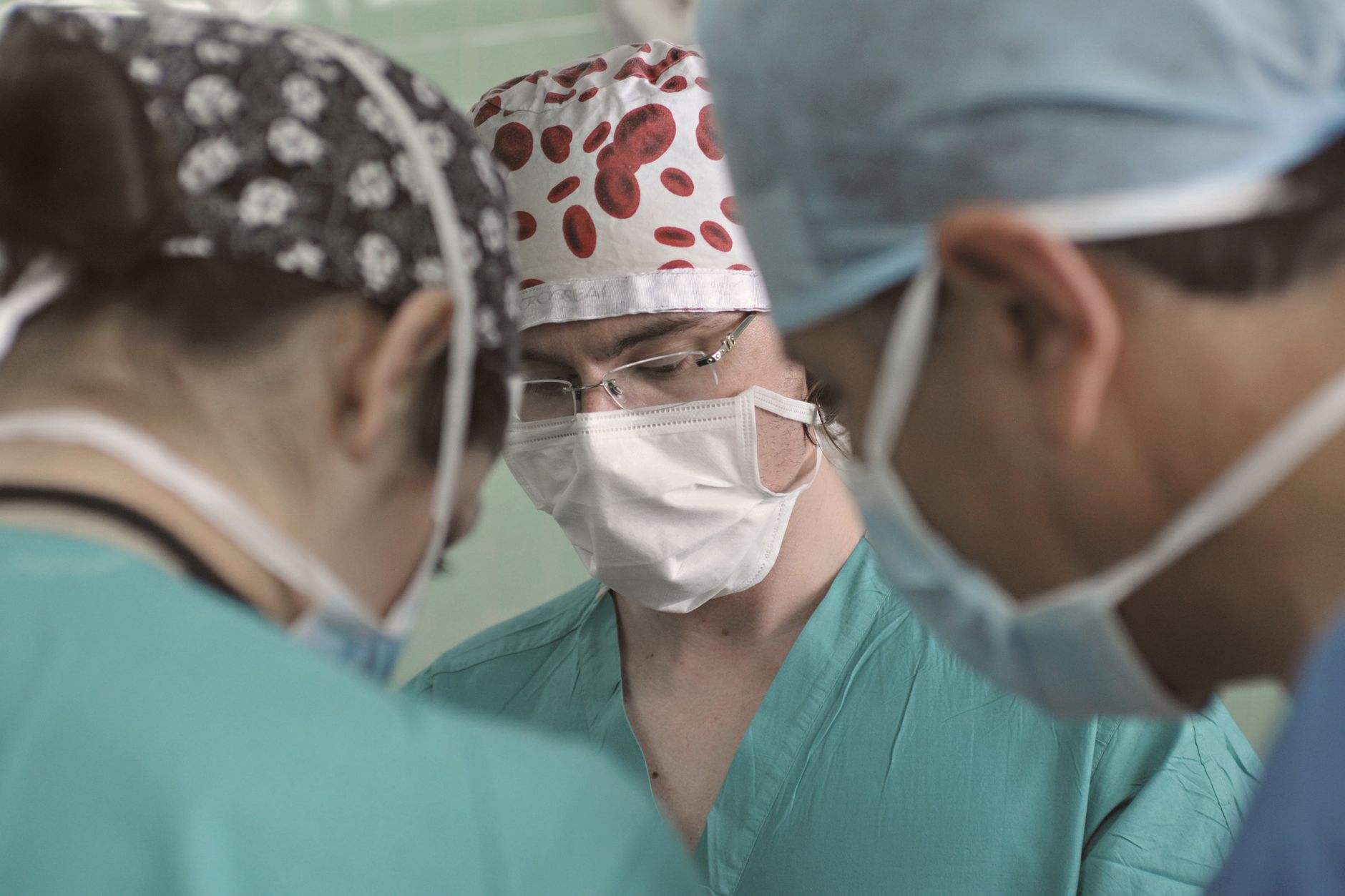
Staffing and Technology: Always at the Ready
One of the most persistent myths about medical tourism is that off-season travel means skeleton crews or outdated equipment. In Türkiye, nothing could be further from the truth. The country's leading hospitals are staffed by full-time, salaried physicians and nurses who work year-round, not seasonal contractors. Many of these professionals have trained or practiced abroad, bringing global perspectives to their specialties.
Technology is another area where Türkiye shines. Hospitals continuously upgrade their equipment—from robotic surgery systems like da Vinci to advanced imaging tools such as 3T MRI and PET-CT scanners. These investments are not timed to the tourist season; they are part of a long-term strategy to remain at the forefront of medical innovation. Whether you need a complex neurosurgical procedure or a routine dental implant, you'll find the same state-of-the-art tools available in January as in July.
Additionally, Türkiye's clinics often use the quieter autumn, winter and spring months for staff training, equipment maintenance and process improvements. This means that by the time you arrive for an off-peak procedure, the entire facility may be running even more smoothly than during the high season.
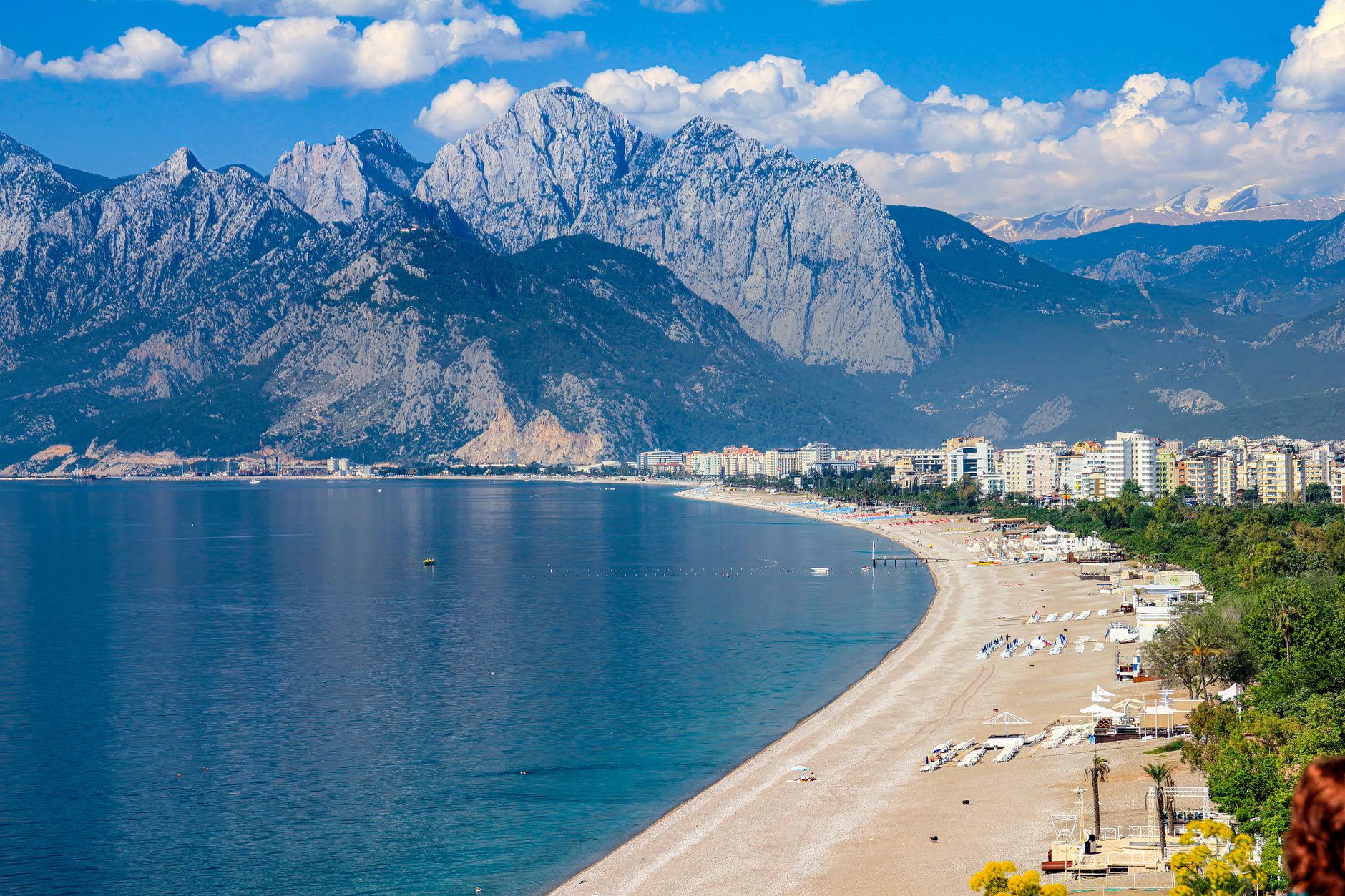
Off-Peak Advantages: Shorter Waits, Quieter Recovery
Choosing to travel to Türkiye for medical treatment outside the summer rush comes with a host of practical benefits. First, appointment windows are more flexible. During peak season, popular surgeons and clinics may be booked weeks or even months in advance. In contrast, the autumn, winter and spring months often offer shorter lead times, allowing you to schedule your procedure at a time that suits you best.
Second, flight availability is generally better. Airlines serving Istanbul, Ankara, Izmir and Antalya increase capacity during summer, but they also offer competitive fares and more convenient connections in the shoulder seasons. You'll have an easier time finding direct flights or short layovers, reducing travel stress and fatigue—an important consideration for anyone preparing for surgery or recovery.
Third, and perhaps most importantly, the patient experience is quieter. Hospitals and recovery facilities are less crowded, meaning you'll enjoy more privacy, less noise and a more restful environment. For procedures that require downtime, such as cosmetic surgery or orthopedic operations, this can make a significant difference in your comfort and healing process. Many patients also appreciate the milder weather of spring and autumn, which is ideal for gentle walks and light activity during recovery.
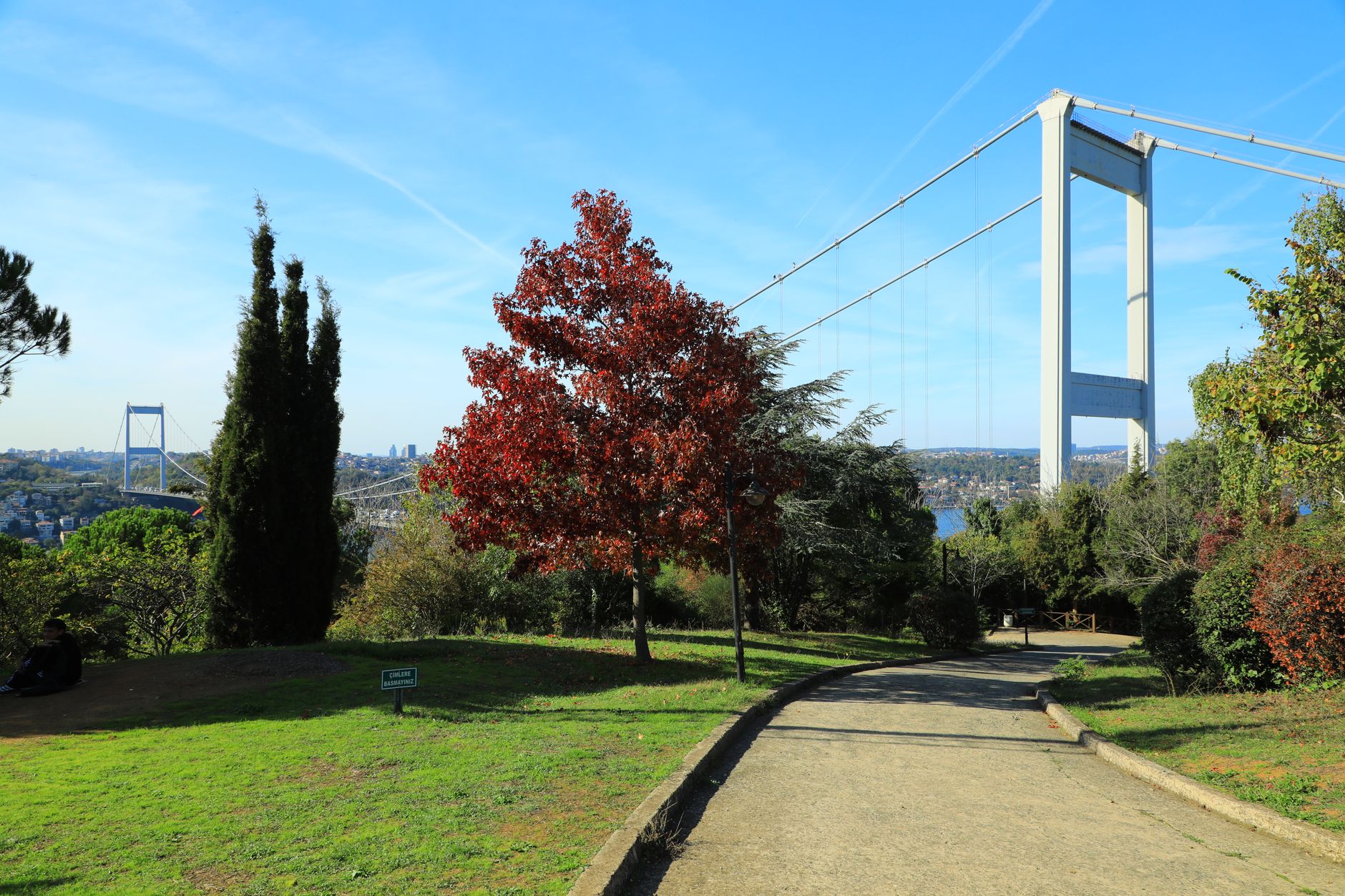
Seasonal Comfort Across Türkiye's Regions
Türkiye's geographic diversity means that every season offers a comfortable climate somewhere in the country. In winter, Istanbul and Ankara may be chilly, but hospitals are well-heated and indoor spaces are cozy. Meanwhile, the Mediterranean coast—Antalya, Alanya, Mersin—enjoys mild, sunny winters that are perfect for recovery walks by the sea. In spring and autumn, the entire country basks in pleasant temperatures, making it an ideal time for medical travel combined with a bit of sightseeing.
Accommodation options also remain plentiful and affordable year-round. Many hospitals partner with nearby hotels and recovery residences that offer special rates for medical patients, complete with amenities like wheelchair access, nutritious meal plans and shuttle services. These partnerships are not seasonal; they are maintained continuously to ensure that patients have a comfortable place to stay whenever they visit.
Furthermore, Türkiye's cultural and recreational attractions—from historical sites to thermal springs—are open throughout the year. After your treatment, you can explore at your own pace, whether it's a relaxing dip in a hammam or a visit to the Grand Bazaar, without the summer crowds.
How Türkiye's Infrastructure Stays Ready 365 Days a Year
Behind the scenes, Türkiye's medical tourism sector is supported by a robust infrastructure that includes dedicated international patient departments, multilingual interpreters, visa assistance and comprehensive aftercare programs. These services operate year-round, coordinated by professionals who understand the unique needs of medical travelers.
Airports in Istanbul, Ankara, Izmir and Antalya are among the busiest in Europe and are well-equipped to handle medical travelers, with special assistance desks and fast-track services. Ground transportation, including ambulances and private shuttles, is available 24/7. Even during national holidays, hospitals maintain emergency and elective services, ensuring that patients are never left waiting.
The Turkish government also plays a proactive role, regularly updating regulations to streamline the medical visa process and protect patient rights. This regulatory framework, combined with private-sector innovation, creates an environment where quality care is consistently delivered, regardless of the season.
Planning Your Off-Peak Medical Journey
If you're considering medical treatment in Türkiye, don't limit yourself to the summer months. In fact, choosing an off-peak date could enhance your experience in multiple ways. Start by contacting internationally accredited hospitals or clinics directly—many have English-speaking coordinators who can provide quotes, suggest available dates and help you plan your trip.
Be sure to ask about package deals that include treatment, accommodation and transfers. These are often customizable and may offer better value during slower periods. Also, check flight schedules early; booking a few months in advance can secure lower fares and more convenient routes.
Finally, consider combining your medical visit with a short recuperation holiday. Türkiye's off-season charm—fewer tourists, cooler temperatures and serene landscapes—can make your recovery feel more like a retreat. Whether you're drawn to the thermal springs of Bursa or the coastal calm of Antalya, you'll find that Türkiye welcomes you with open arms, no matter the season.
In short, Türkiye's medical tourism sector is not just ready for year-round demand—it thrives on it. With world-class hospitals, unwavering standards and a wealth of off-peak advantages, there's never been a better time to plan your medical journey to Türkiye.
Thinking about treatment in Turkey?
Share your contact details and a verified doctor will follow up with a plan built around you — free, no obligation.