
When a child or adult is facing a rare metabolic or mitochondrial disease, the path to diagnosis can feel like a maze of inconclusive tests and fragmented opinions. In Türkiye, university hospitals are changing that narrative. With a deep academic tradition, cutting-edge genetic and metabolic testing, and multidisciplinary teams, these centres offer not just advanced diagnostics but also compassionate, coordinated care. This article explores what makes Türkiye's hospital-based clinics a beacon of hope for families worldwide, and how you can access expert review and plan a diagnostic visit.
Why Türkiye for Rare Metabolic and Mitochondrial Diseases?
Türkiye has become a regional hub for complex medical care, particularly for rare diseases. University hospitals in cities like Istanbul, Ankara, and Izmir combine academic rigour with clinical excellence. Many are referral centres for the entire region, seeing a high volume of diverse cases—which translates into deep collective experience.
Rare diseases, by definition, affect small numbers of patients, but in Türkiye's large tertiary centres, specialists may see dozens of cases each year. This concentrated expertise is crucial for conditions like mitochondrial myopathies, organic acidurias, and lysosomal storage disorders. Moreover, Turkish hospitals are increasingly integrated into European and international rare disease networks, sharing knowledge and participating in research.
For international families, Türkiye offers a compelling combination: world-class diagnostics at more accessible costs than in Western Europe or North America, without compromising on quality. The country's medical infrastructure is modern, and many clinicians have trained abroad and speak English, making communication easier.
Academic Depth: The Foundation of Diagnostic Excellence
What sets Türkiye's university hospitals apart is their academic core. These institutions are not just treatment centres; they are research powerhouses. Departments of pediatric metabolism, neurology, and genetics are led by professors who publish in international journals and collaborate on global studies. This academic environment ensures that diagnostic protocols are up-to-date and evidence-based.
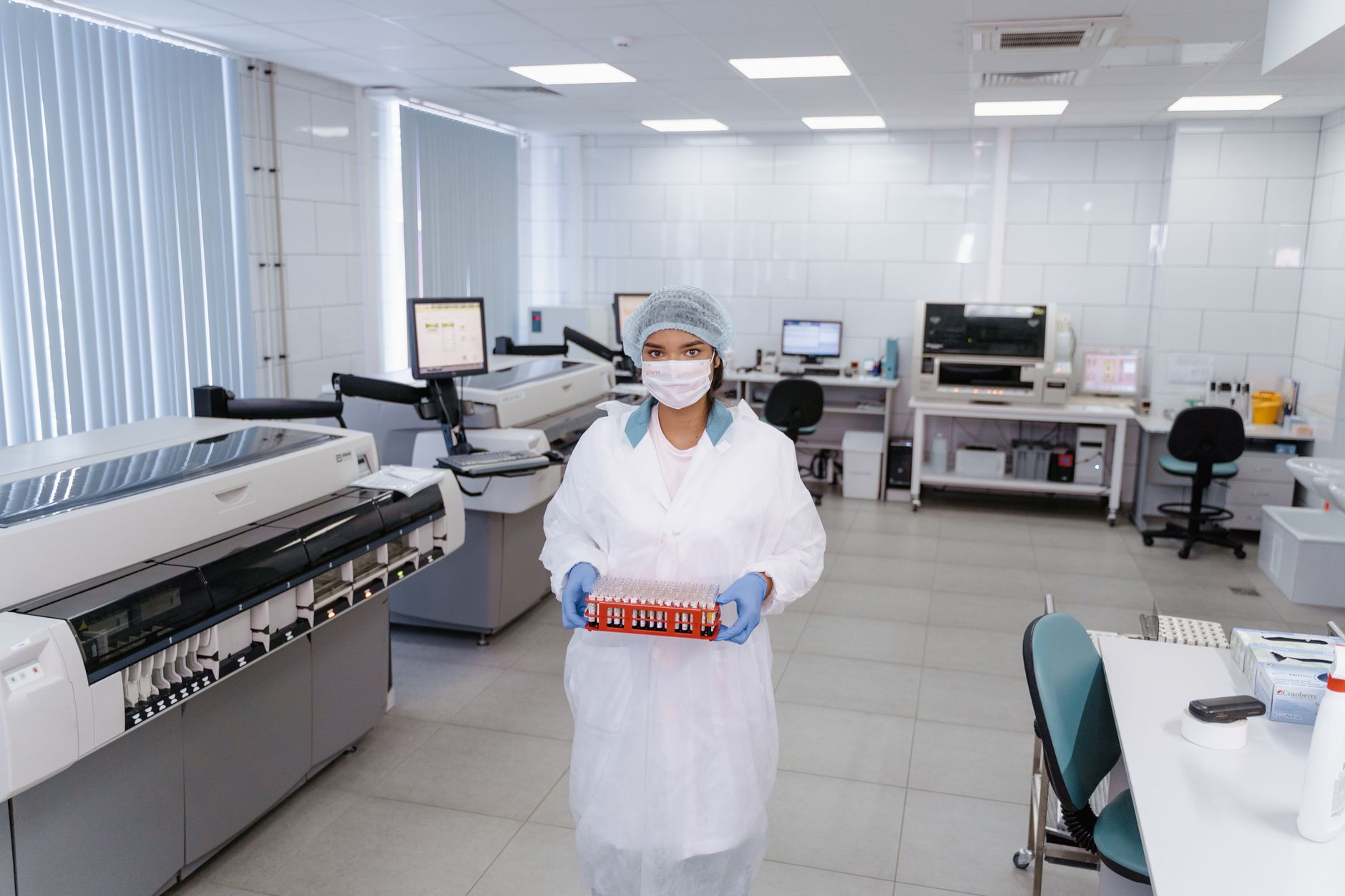
In practice, this means access to the latest diagnostic technologies. For mitochondrial diseases, muscle biopsy with respiratory chain enzyme analysis and histochemistry is performed by experienced pathologists. For metabolic disorders, sophisticated biochemical assays—such as tandem mass spectrometry and gas chromatography-mass spectrometry—are routine. Genetic testing includes next-generation sequencing panels, whole-exome sequencing, and even whole-genome sequencing in selected cases.
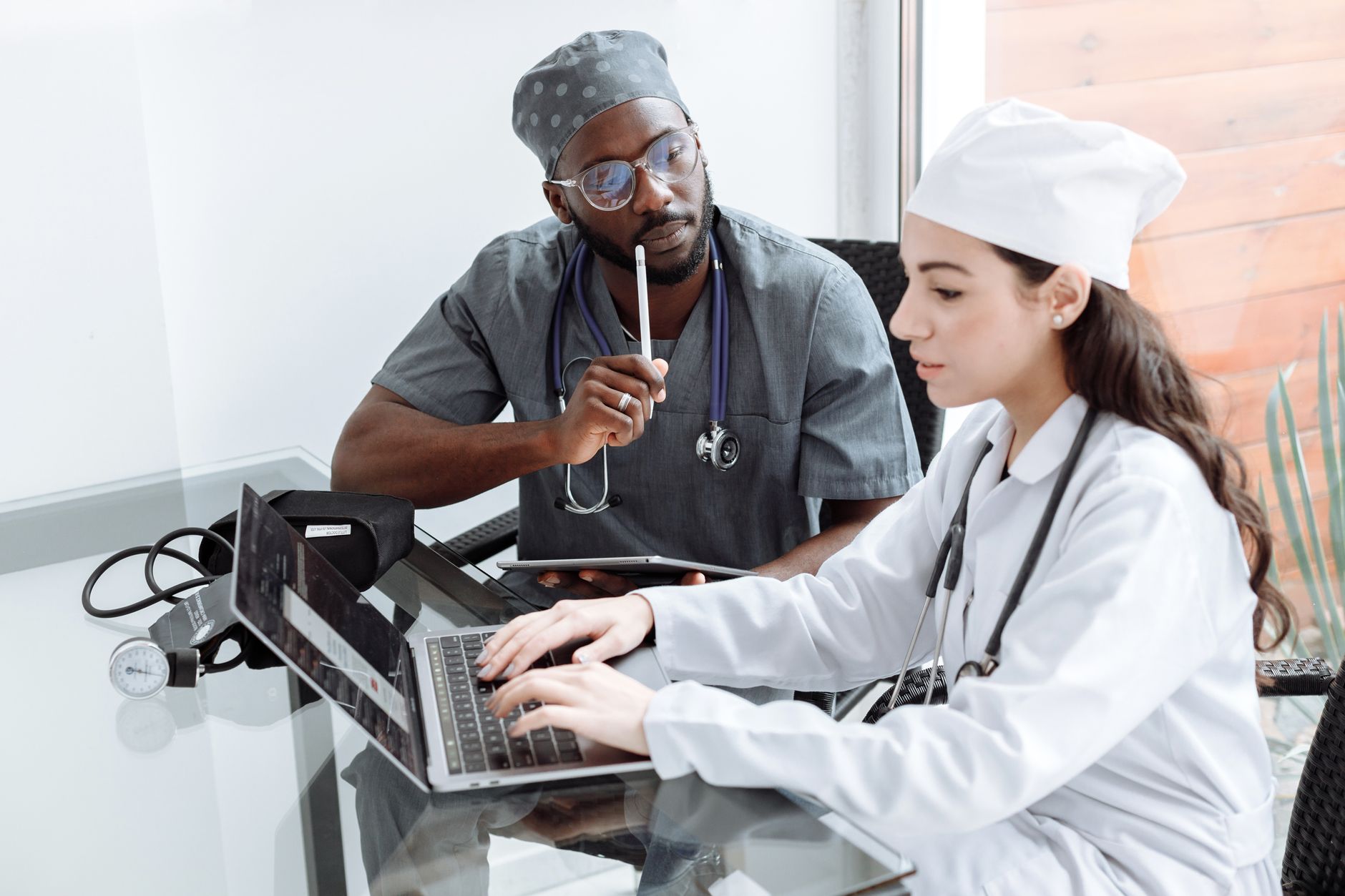
But technology alone isn't enough. The academic depth also means a culture of curiosity and thoroughness. Cases are discussed in multidisciplinary meetings, where geneticists, neurologists, dietitians, and other specialists jointly review complex findings. This collaborative approach reduces the chance of missing a diagnosis and ensures that each patient's unique story is heard.
Advanced Genetic and Metabolic Testing: What's Available
At Türkiye's specialist clinics, the diagnostic toolkit is extensive. Here's a breakdown of key tests and what they can reveal:
- Whole-Exome Sequencing (WES): Analyzes the protein-coding regions of the genome, identifying mutations in genes associated with mitochondrial and metabolic diseases. Often used when initial tests are inconclusive.
- Mitochondrial DNA (mtDNA) Analysis: Detects mutations in the small mitochondrial genome, which are responsible for many mitochondrial disorders. Can be performed on blood, saliva, or muscle tissue.
- Biochemical Metabolic Screening: Includes tests like plasma amino acids, acylcarnitine profile, urine organic acids, and very long-chain fatty acids. These can point to specific metabolic pathways that are disrupted.
- Enzyme Activity Assays: Measured in muscle, liver, or fibroblasts to assess mitochondrial respiratory chain function or specific lysosomal enzymes.
- Advanced Imaging: MRI and MR spectroscopy can reveal patterns of brain involvement suggestive of mitochondrial disease or specific metabolic disorders.
Many of these tests are not readily available in smaller hospitals, making Türkiye's referral centres a vital resource. The turnaround times are competitive, and results are interpreted by specialists who understand the nuances of rare diseases.
Multidisciplinary Follow-Up: Beyond Diagnosis
Receiving a diagnosis is only the beginning. Rare metabolic and mitochondrial diseases often require lifelong management, with input from multiple specialists. Türkiye's hospital-based clinics excel in providing coordinated, multidisciplinary follow-up.
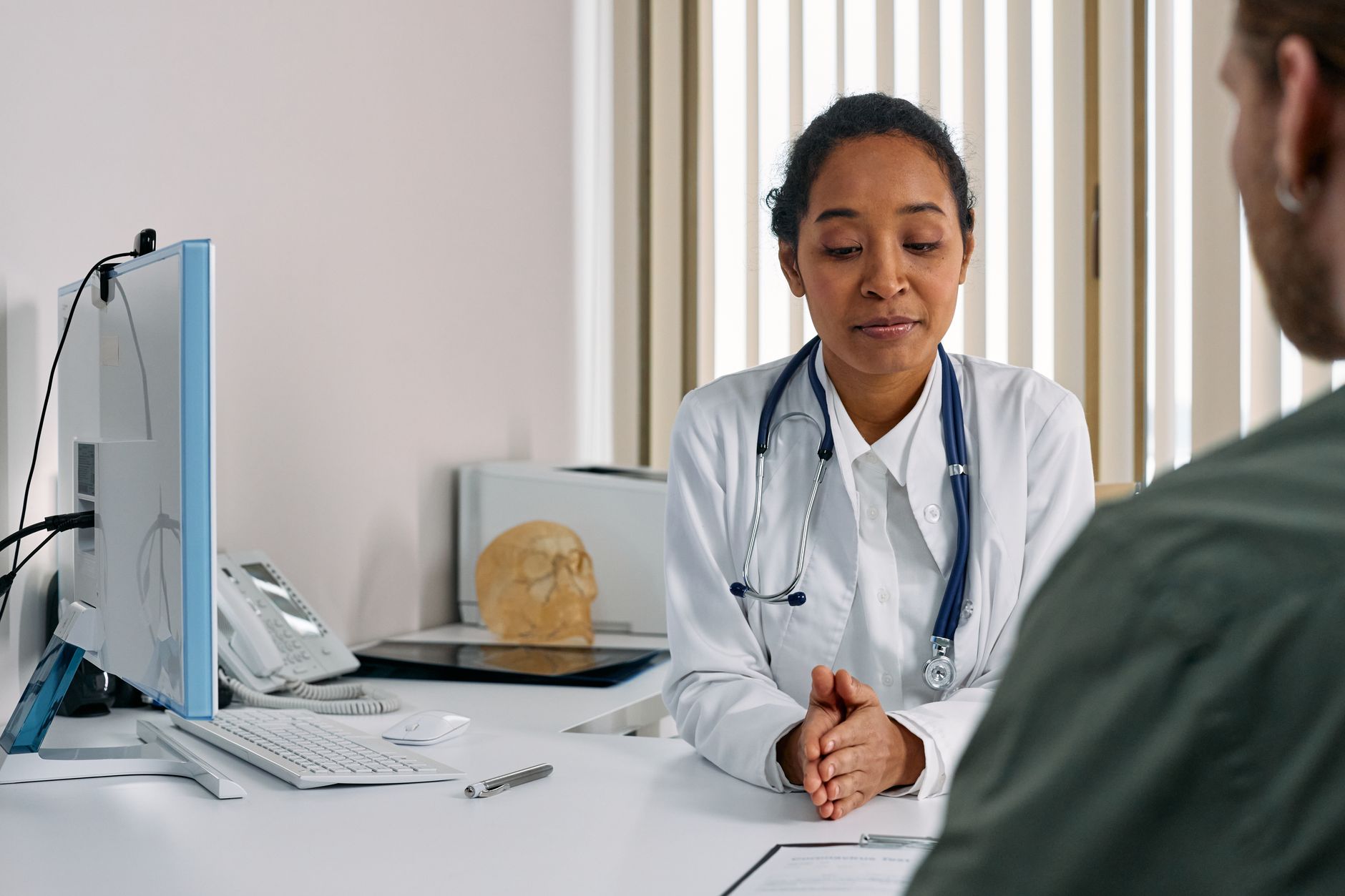
A typical care team may include a metabolic disease specialist, neurologist, geneticist, dietitian, physiotherapist, and psychologist. For pediatric patients, developmental pediatricians and educators are also involved. This team works together to create a personalized care plan that addresses not just the medical aspects but also nutritional needs, physical therapy, and emotional support.
For international families, this continuity is invaluable. Rather than navigating separate appointments with different providers, you get a cohesive plan. Many hospitals offer telemedicine follow-ups, allowing you to stay connected with your care team after returning home. This model ensures that adjustments to treatment can be made promptly, even from afar.
Access to Cutting-Edge Therapies and Clinical Trials
As academic centres, Turkish university hospitals are often at the forefront of new therapies. For rare metabolic diseases, this includes enzyme replacement therapy, substrate reduction therapy, and specialized dietary treatments. For mitochondrial diseases, while curative options are limited, there are ongoing trials of antioxidants, vitamins, and other agents aimed at slowing progression.
Being part of a research-active institution means patients may have access to clinical trials not available elsewhere. Participation is always voluntary and based on eligibility, but it offers a potential avenue for families seeking novel options.
Moreover, Turkish hospitals are increasingly involved in international collaborations, such as the European Reference Networks for rare diseases. This means your case can be discussed with experts across Europe, bringing global expertise to your bedside.
Practical Steps: How International Families Can Request Expert Review and Coordinate a Visit
If you're considering Türkiye for a diagnostic evaluation, here's a step-by-step guide to make the process smooth:
- Gather Your Medical Records: Collect all relevant test results, imaging, and clinical notes. If possible, have them translated into English or Turkish.
- Contact the Hospital's International Patient Department: Most major university hospitals have dedicated units to assist foreign patients. They can help you choose the right specialist based on your case.
- Request an Expert Review: Many hospitals offer remote second opinions. You can send your records for review by a multidisciplinary team before traveling. This helps determine if a visit is necessary and what tests to plan.
- Plan Your Visit: If a visit is recommended, the international office can assist with scheduling appointments, coordinating tests, and even arranging accommodation and interpreters.
- Prepare for Your Trip: Ensure you have a valid passport and, if required, a medical visa. Check with the hospital for any specific pre-visit instructions.
It's also wise to ask about costs upfront. While Türkiye is generally more affordable, complex testing can add up. Request a detailed estimate and inquire about payment options.
Conclusion: A Beacon of Hope
Türkiye's hospital-based mitochondrial and rare metabolic disease clinics represent a convergence of academic excellence, advanced diagnostics, and compassionate care. For families grappling with the uncertainty of a rare disease, these centres offer not just answers but a partnership in managing the journey ahead. With a structured approach to international patient care, accessing this expertise is more feasible than ever. If you're seeking clarity and hope, Türkiye's specialist clinics are ready to welcome you.
Thinking about treatment in Turkey?
Share your contact details and a verified doctor will follow up with a plan built around you — free, no obligation.