

Why Families Are Choosing Türkiye for Paediatric Allergy Care
For parents, watching a child struggle with a persistent cough, itchy skin or sudden wheezing is one of the most worrying experiences there is. You want answers — not vague guesses. Over the past decade, Türkiye has quietly become one of the most trusted destinations in Europe and the Middle East for paediatric allergy and asthma care, combining internationally accredited hospitals with warm, family-centred clinicians who specialise in treating children.
Turkey's paediatric allergy centres are built around a simple idea: children deserve gentle, thorough and unhurried care. Instead of running a battery of tests over weeks, these hospital-based programmes are designed to compress the entire diagnostic journey — history, examination, skin-prick testing, lung function assessment and a written management plan — into a single, coordinated visit. For international families, that means one trip, one clear set of answers, and a treatment plan your child can grow with.
The result is that families fly home not just with a diagnosis, but with a practical roadmap: which foods are safe, which pollens to watch, when to use an inhaler, and how to let a child be a child again without constant anxiety.
What Happens During a Paediatric Allergy Assessment
A thorough paediatric allergy assessment in Türkiye begins with a detailed conversation. The paediatric allergist will ask about your child's symptoms, their timing, the family history of asthma or eczema, and the environments your child lives and plays in. This clinical history is often the single most valuable diagnostic tool, and Turkish specialists take time with it — usually far more than a rushed ten-minute appointment elsewhere.
Next comes a structured physical examination, followed by targeted testing. Crucially, these centres are hospital-based, which means if a child has a reaction or needs immediate support, the full resources of a paediatric department are right there. This is a significant reassurance for parents travelling with a child who has had a severe reaction in the past.
By the end of the appointment, most families have a working diagnosis and a preliminary plan. For many children, the entire process — from first hello to a printed management plan — can be completed within a single day or a short two-day programme, depending on which tests are needed.
Skin-Prick Testing: Quick, Gentle and Child-Friendly
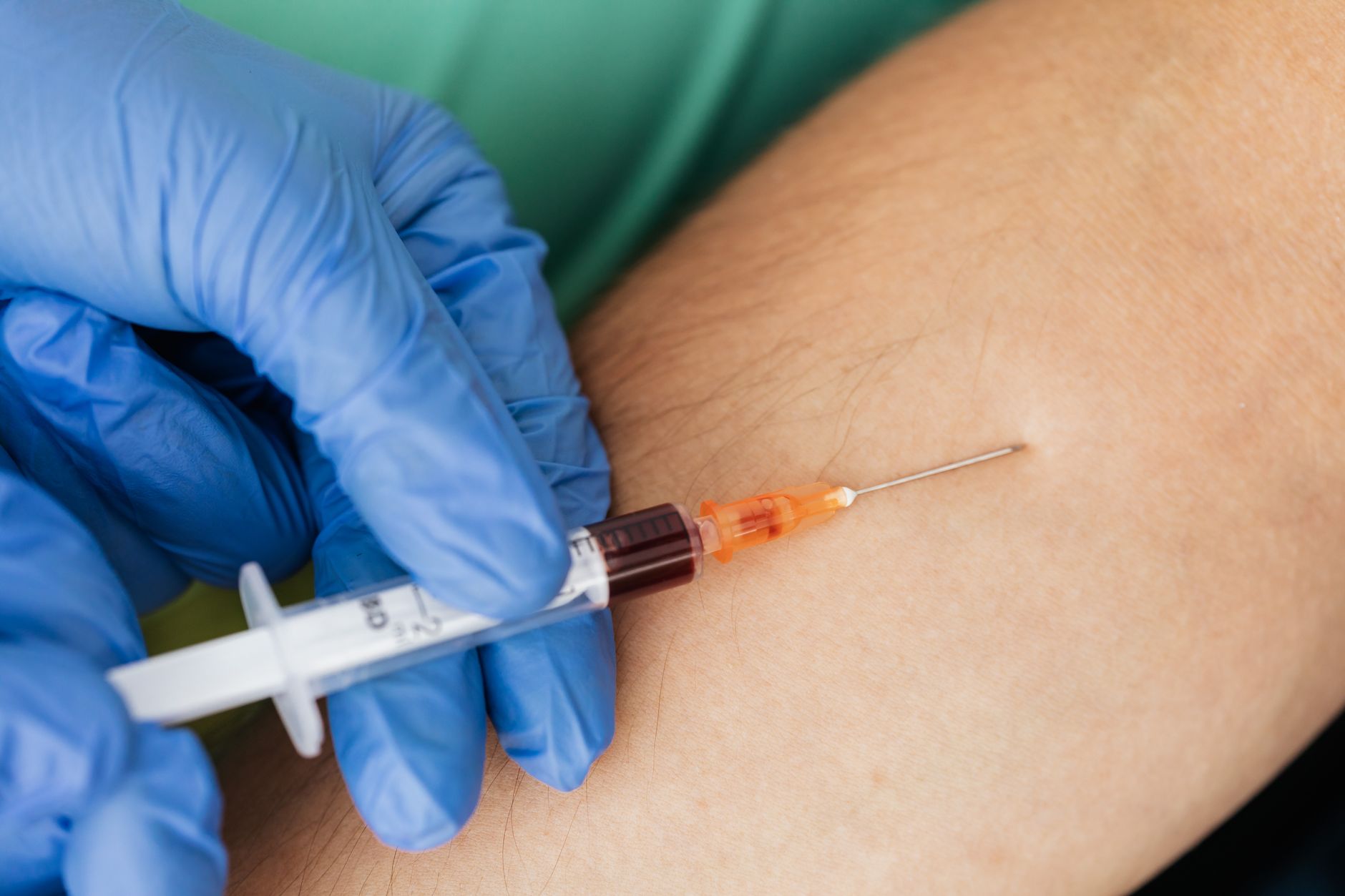
Skin-prick testing is the cornerstone of allergy diagnosis in children, and Turkish paediatric centres have refined it into a remarkably gentle experience. Tiny drops of allergen extracts — common foods, dust mites, pollens, pet dander and mould spores — are placed on the forearm or back, and the skin is lightly pricked. It is not painful; most children describe it as a tickle, and the whole panel takes only 15 to 20 minutes to develop.
The test is read after a short waiting period, and results appear as small raised bumps. Specialists interpret these alongside the clinical history rather than in isolation, which is essential — a positive test does not always mean a real allergy, and a good paediatric allergist knows the difference. Parents are shown the results and walked through exactly what each one means.
Spirometry and Lung Function for Children
For children with suspected asthma, spirometry is the key test. The child breathes into a mouthpiece and blows out as hard and as long as they can, producing a picture of how well their lungs are working. Turkish paediatric respiratory teams are expert at coaching even young children through the technique with games, encouragement and plenty of patience.
Where needed, a bronchodilator (reliever inhaler) is given and the test repeated, which shows whether the airways are reversible — a hallmark of asthma. Some centres also use exhaled nitric oxide testing to measure airway inflammation, and allergy challenge testing in carefully supervised hospital settings when a food or drug allergy needs definitive confirmation.
Childhood Asthma Programmes: More Than Just an Inhaler
A diagnosis of asthma is not the end of the story — it is the beginning of a management plan. Türkiye's childhood asthma programmes are structured, educational and ongoing. They are not simply about handing over an inhaler; they are about teaching families how to control asthma so it stops controlling their child's life.
Each programme typically includes inhaler technique training (a surprising number of children and parents are using devices incorrectly), a written asthma action plan with clear green, amber and red zones, advice on trigger avoidance, and guidance on when to step treatment up or down. Many centres also involve paediatric nurses and respiratory physiotherapists, and some offer breathing exercises that help children feel more in control of their symptoms.
For international families, language support is usually available in English, Arabic, Russian and other languages, and centres provide written plans in the family's language wherever possible. The goal is that parents leave confident, not confused.

Getting Clarity for Your Child in a Single Visit
One of the most appealing aspects of Turkish paediatric allergy care is its efficiency. Rather than waiting months for a referral, then weeks for a test, then more weeks for a follow-up, families can arrange a comprehensive assessment as a short medical travel trip. Many hospitals offer coordinated packages that include consultation, skin-prick testing, spirometry and a management plan in one or two days.
This matters enormously for families travelling from abroad. You do not want to make three trips to get one answer. You want to arrive, be seen thoroughly, and leave with clarity. Turkish centres have built their reputations on exactly this — close coordination between allergists, respiratory paediatricians, dietitians and nursing teams so nothing falls between the cracks.
It also means that if further tests are needed — say, a food challenge or a more detailed lung assessment — they can often be arranged within the same visit rather than postponed to another trip.
Combining Care with a Family-Friendly Stay in Türkiye
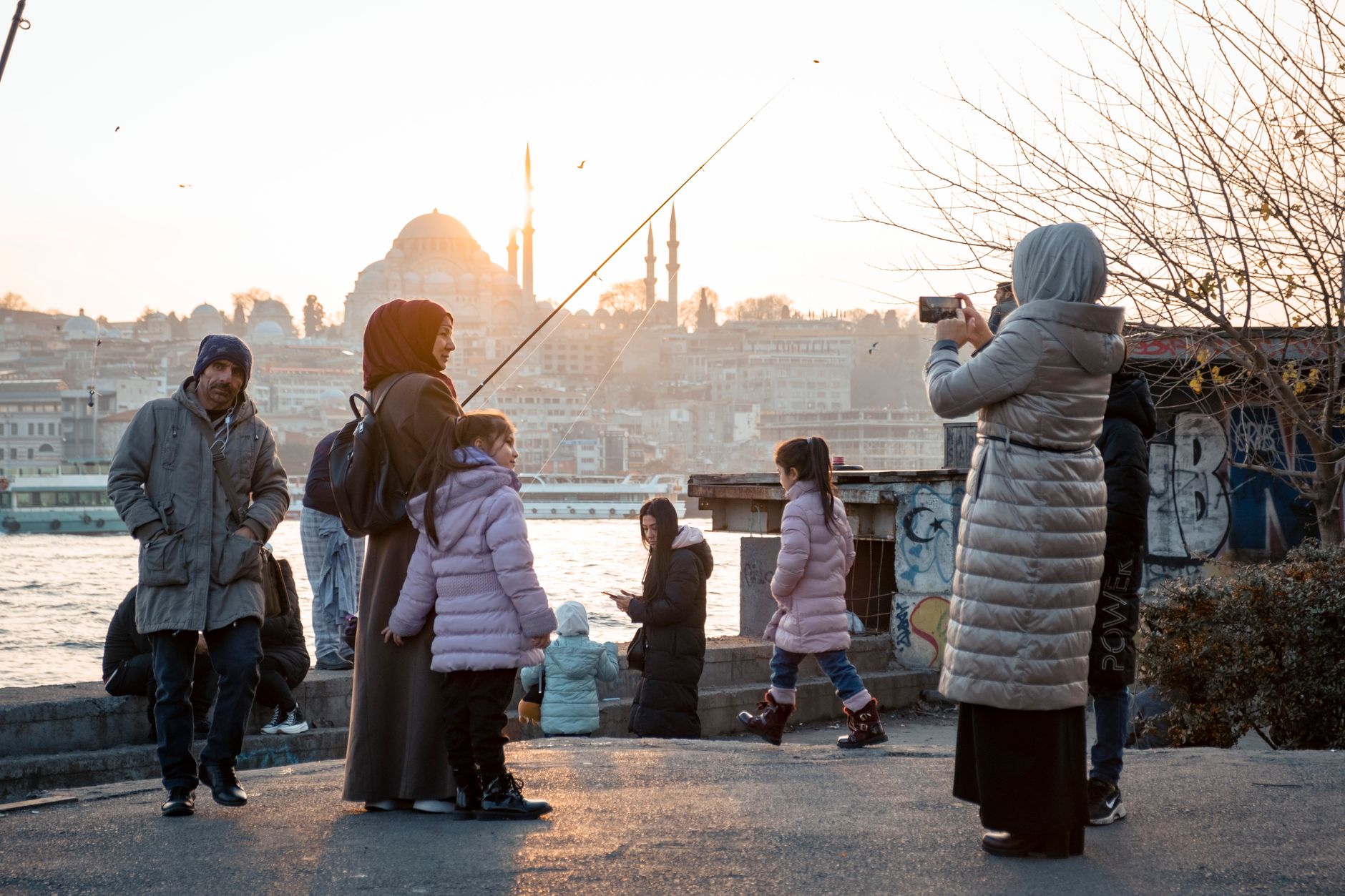
Türkiye is not just a medical destination; it is a wonderful place to bring a child. Istanbul, Ankara and Izmir all offer world-class hospitals alongside parks, aquariums, museums and gentle seaside promenades. Many families build a few restful days around the appointment, turning what could be a stressful medical trip into a positive family experience.
Hotels near major hospital districts are accustomed to international medical visitors and can arrange airport transfers, translated documents and flexible check-in. For children, the change of scene — a boat ride on the Bosphorus, a visit to a children's science museum, an afternoon in a leafy park — can turn a scary week into an adventure.
It helps, too, that Turkish hospital environments are generally bright, modern and welcoming, with play areas and staff who genuinely like children. Parents consistently remark on how kind the teams are, and how much calmer their child seems than at home.
Practical Tips for International Parents
If you are considering allergy or asthma assessment in Türkiye, a little preparation makes everything smoother. Bring any previous test results, a list of medications and doses, and a diary of symptoms if you have one. Photographs of rashes or reactions are genuinely useful. If your child has had a severe reaction, carry their emergency medication and inform the hospital in advance.
Ask about language support when you book, and request the management plan in writing before you fly home. Most centres are happy to follow up by video consultation afterwards, which means your child's care continues seamlessly once you are back in your own country.
Finally, remember that allergy and asthma care is a partnership. The best outcomes come when parents understand the plan and feel confident to act on it. Turkish paediatric teams are, by training and temperament, teachers as much as doctors — and they want you to leave feeling empowered.
Letting Kids Breathe and Play Freely Again
The ultimate aim of all this testing, monitoring and planning is beautifully simple: to let a child run, jump, swim and sleep through the night without fear. When triggers are identified and asthma is properly controlled, most children can do exactly that. Türkiye's hospital-based paediatric allergy and asthma programmes exist to make that possible — gently, thoroughly and with the whole family in mind.
If your child has been struggling with unexplained symptoms, a single well-organised visit to a Turkish paediatric allergy centre could give you the clarity you have been searching for. And that clarity is often the first step towards a childhood full of free breathing and happy play.
Thinking about treatment in Turkey?
Share your contact details and a verified doctor will follow up with a plan built around you — free, no obligation.