

Why Families Around the World Choose Türkiye for Paediatric Spine Care
When a child is diagnosed with scoliosis or another spinal deformity, parents naturally seek the very best care—somewhere that combines surgical expertise, advanced technology, and a warm, supportive environment. In recent years, Türkiye has emerged as a global destination for paediatric spinal deformity surgery, attracting families from Europe, the Middle East, Central Asia, and beyond.
Turkish hospitals that specialise in paediatric orthopaedics bring together internationally trained surgeons, state-of-the-art navigation systems, and a family-centred approach that puts children at ease. The country's medical institutions are accredited by international bodies, and many have dedicated paediatric spine units where children are treated by teams who understand the unique needs of growing bodies.
Beyond the operating room, Türkiye offers a welcoming culture, modern cities, and short travel times from many regions. For parents facing the stress of a child's surgery, this combination of medical excellence and genuine hospitality can make a world of difference.
Experienced Paediatric Orthopaedic Surgeons and Multidisciplinary Teams
At the heart of Türkiye's success in treating spinal deformities is its people. Paediatric orthopaedic surgeons in leading Turkish hospitals typically complete fellowships abroad and perform hundreds of complex spine surgeries each year. They work alongside paediatric anaesthesiologists, neurologists, and rehabilitation specialists to create a personalised plan for every child.
These multidisciplinary teams are especially important for growing children. They consider not just the curve today, but how the spine will develop over years. Surgeons are skilled in both traditional fusion techniques and growth-friendly methods, allowing them to tailor the approach to the child's age, curve severity, and remaining growth potential.
Many hospitals also offer second-opinion reviews for international families, where the surgical team studies imaging and medical records before any travel is planned. This gives parents clarity and confidence early in the process.
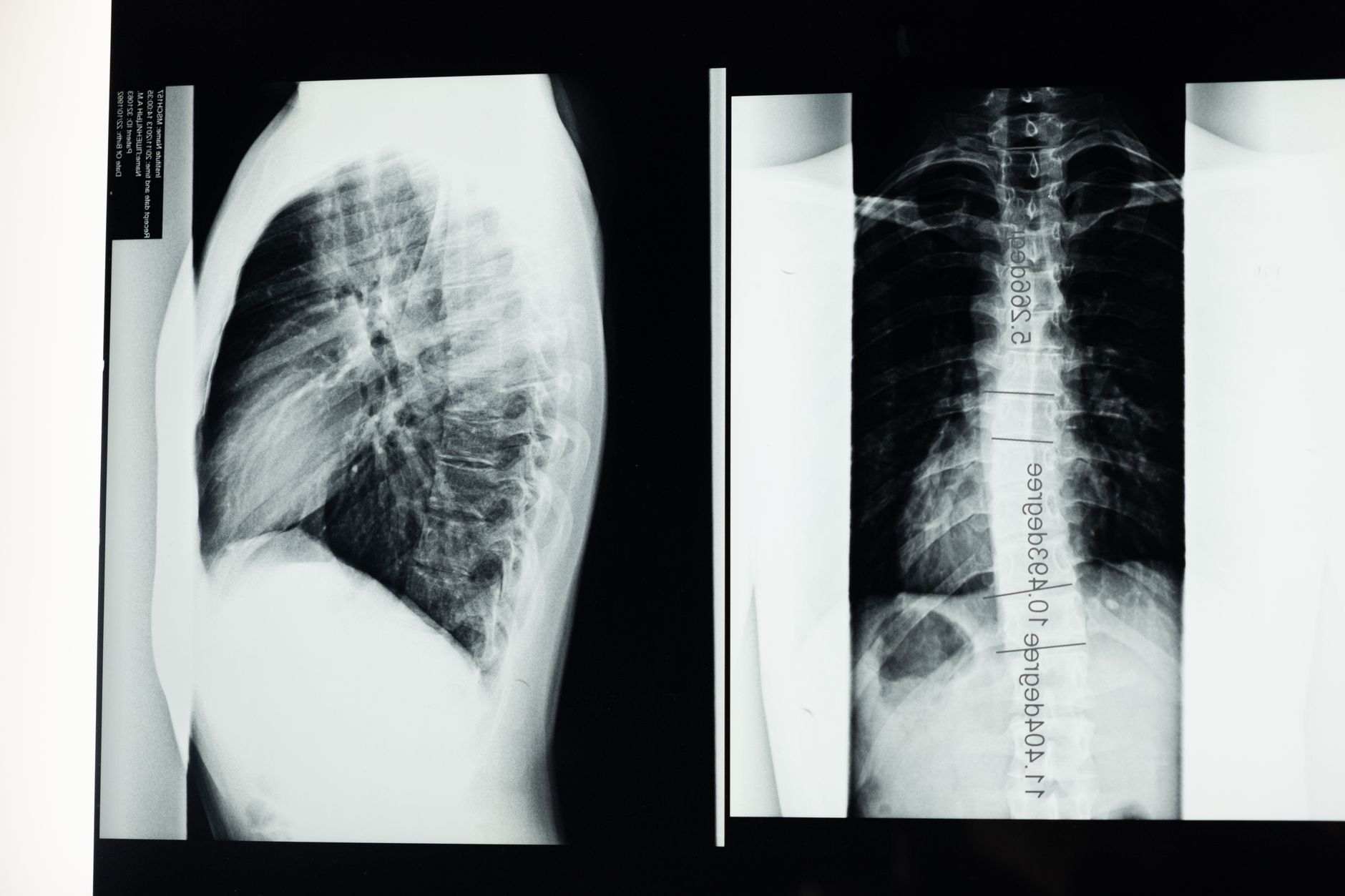
Modern Navigation and Neuromonitoring: Safer, More Precise Surgery
Two technologies have transformed paediatric spine surgery in Türkiye: computer-assisted navigation and intraoperative neuromonitoring. Navigation systems act like a GPS for the surgeon, using 3D imaging to guide the placement of screws and rods with sub-millimetre accuracy. This is particularly valuable in children, whose anatomy is smaller and more delicate.
Neuromonitoring continuously tracks nerve signals during surgery. If any change occurs, the surgical team is alerted immediately, allowing them to adjust before any harm is done. This real-time feedback significantly reduces the risk of neurological complications and gives parents peace of mind.
Combined with minimally invasive techniques where appropriate, these technologies can lead to smaller incisions, less blood loss, and faster recovery. Turkish hospitals invest continuously in updating their equipment, ensuring that children benefit from the latest advances in spine care.
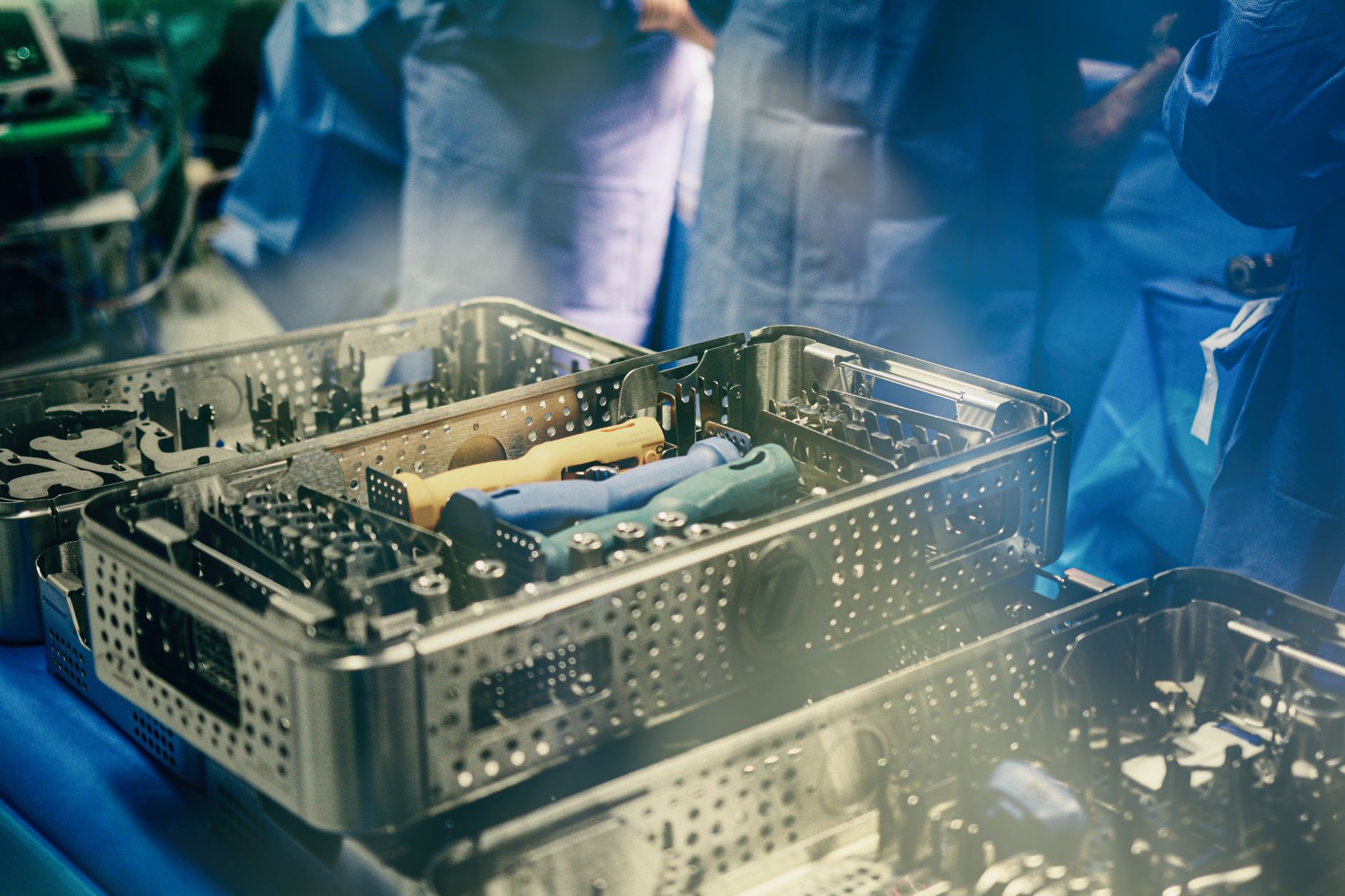
Growth-Friendly Techniques for Younger Children
For very young children with early-onset scoliosis, traditional spinal fusion is not always the best option because it can restrict growth of the chest and spine. Türkiye's paediatric spine centres offer growth-friendly techniques such as growing rods, vertical expandable prosthetic titanium ribs (VEPTR), and magnetically controlled growing rods (MCGR).
MCGR is a particularly elegant solution: the rods can be lengthened in a simple outpatient procedure using an external remote control, without the need for repeated surgeries. This means fewer hospital visits, less disruption to school and family life, and a more natural growth trajectory for the child.
Surgeons in Türkiye are experienced in deciding which technique suits each child, and they follow patients closely through regular check-ups—often coordinated with local doctors in the family's home country.
Preparing for Your Trip: Imaging and Medical Records
Before travelling to Türkiye, your child's medical team will ask for specific imaging and records to plan the surgery. Typically, this includes recent full-length standing X-rays of the spine (PA and lateral views), any MRI or CT scans, and a detailed medical history. If your child has had previous spine surgery, operative notes are also helpful.
Digital files are preferred and can be sent securely via email or a hospital's online portal. Many Turkish hospitals offer a free preliminary review, after which they provide a treatment plan and cost estimate. This allows you to make an informed decision without leaving home.
It's also wise to have a recent general health check-up, including blood tests and a cardiac evaluation if needed. The hospital's international patient department will guide you through every step, from visa assistance to airport transfers.
How Long Will You Stay? A Typical Timeline
Most families spend between 10 and 21 days in Türkiye for paediatric spinal deformity surgery. This includes pre-operative assessments, the surgery itself, and initial recovery. The exact length depends on the complexity of the case and the type of procedure.
A typical timeline might look like this: arrival and hospital admission (1–2 days), pre-surgical tests and consultations (1–2 days), surgery (usually 4–8 hours), hospital stay (5–10 days), and then a period of close follow-up in a nearby hotel or recovery residence (5–7 days) before flying home.
For growth-friendly procedures like MCGR implantation, the stay may be shorter. Your medical team will provide a personalised estimate after reviewing your child's case.
Planning School and Family Life Around Recovery
One of parents' biggest concerns is how surgery will affect their child's education and daily routines. The good news is that recovery from modern paediatric spine surgery is often smoother than many expect. Most children can return to light activities within 4–6 weeks and to school within 6–8 weeks, depending on the procedure and individual healing.
During the recovery period, online learning or a temporary home-study programme can keep your child connected to classmates. Turkish hospitals often provide detailed rehabilitation plans, including gentle physiotherapy exercises that can be done at home. These plans can be shared with your child's school and local physiotherapist.
It's also important to plan for emotional support. Siblings, grandparents, and friends can be involved through video calls, and many families find that a positive, hopeful outlook helps everyone adjust. The international patient teams in Türkiye are experienced in supporting families through this journey, offering translation services and practical advice.
A Hopeful Choice for Your Child's Future
Choosing where to have your child's spinal deformity surgery is a deeply personal decision. Türkiye offers a compelling combination: highly experienced paediatric orthopaedic surgeons, advanced navigation and neuromonitoring technology, growth-friendly techniques, and a warm, family-friendly environment.
With careful preparation—sending imaging in advance, understanding the timeline, and planning for recovery—you can approach the journey with confidence. Thousands of international families have already found hope and healing in Türkiye, and your family can too.
To learn more or to request a preliminary review, contact Istanbul Medical Tourism today. Our team is here to guide you every step of the way.
Thinking about treatment in Turkey?
Share your contact details and a verified doctor will follow up with a plan built around you — free, no obligation.