

Why Türkiye Has Become a Destination for Proctology Care
Anal fissure, haemorrhoids and pilonidal disease are among the most common — and most quietly endured — conditions in the world. They affect millions of adults, yet many patients delay treatment for months or years out of embarrassment. In Türkiye, a growing number of internationally accredited hospitals have built dedicated proctology units designed around a simple principle: no one should have to choose between privacy and world-class care.
Turkish hospitals in Istanbul, Ankara and Izmir now combine modern laser technology and minimally invasive surgery with the kind of discreet, respectful service that international patients expect. Multilingual coordinators, private consultation rooms and streamlined admission processes mean your condition is treated as a medical matter — never a source of awkwardness.
Just as importantly, Türkiye offers something rare in medical travel: genuine depth of experience. Turkish colorectal and general surgery teams perform very high volumes of these procedures, which translates into refined technique, predictable outcomes and a clear understanding of how to minimise pain and downtime.
The Conditions: Anal Fissure, Haemorrhoids and Pilonidal Disease
Anal fissure is a small tear in the lining of the anal canal, usually caused by passing hard stool. It produces sharp pain during bowel movements and often a small amount of bright red bleeding. Acute fissures frequently heal with conservative treatment, but chronic fissures — those lasting more than six to eight weeks — may require a minor surgical procedure such as lateral internal sphincterotomy or fissurectomy.
Haemorrhoids are swollen vascular cushions in the anal canal. They range from mild (bleeding without prolapse) to advanced (prolapsed and painful). Treatment options include rubber band ligation, sclerotherapy, infrared coagulation, laser haemorrhoidoplasty and surgical haemorrhoidectomy for the most severe cases.
Pilonidal disease develops when hair becomes embedded in the skin at the top of the natal cleft, causing infection, sinus tracts and recurrent discharge. It is especially common in young men. Modern treatment favours minimally invasive approaches such as pit-picking, laser ablation of the sinus tract, or a limited excision with primary closure rather than the older, wide-open surgeries that required months of dressing changes.
What all three conditions share is this: early, expert treatment is almost always simpler, less painful and faster to recover from than waiting until the problem becomes chronic or complicated.

Laser and Minimally Invasive Techniques: Less Pain, Faster Recovery
The defining feature of Türkiye's leading proctology units is their emphasis on minimally invasive technology. Laser haemorrhoidoplasty, for example, uses a thin fibre to deliver controlled laser energy that shrinks haemorrhoidal tissue from within — without the large incisions of a traditional haemorrhoidectomy. Most patients report significantly less postoperative pain and return to desk work within a few days.
For anal fissure, techniques such as tailored sphincterotomy or laser-assisted fissure treatment aim to relieve spasm and promote healing while preserving continence. For pilonidal disease, laser ablation of the sinus tract and minimally invasive pit-picking allow many patients to avoid extensive open wounds entirely.
These approaches are not marketing gimmicks — they are evidence-based and widely used in Turkish tertiary hospitals. The practical result for international patients is shorter hospital stays (often same-day or one overnight), less need for strong painkillers, and a recovery timeline that fits into a normal working life rather than dominating it.
Discreet, Dignified Care with Multilingual Staff
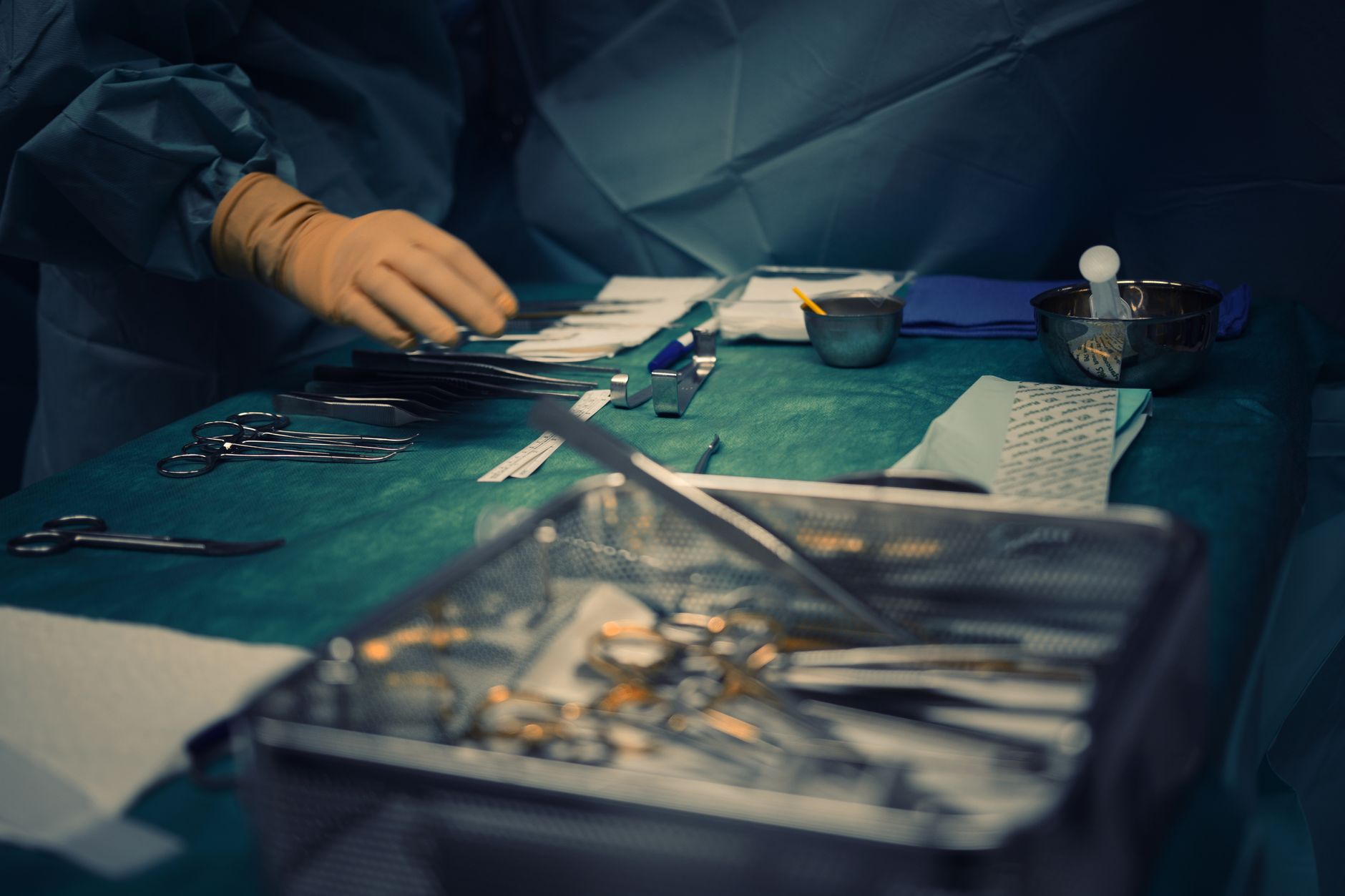
Turkish hospitals that serve international patients understand that proctology care is deeply personal. Consultation rooms are private, examination protocols are explained step by step, and consent is obtained with care. You will never be asked to discuss your condition in a crowded waiting area.
Multilingual patient coordinators — typically fluent in English, Arabic, German, Russian or French — manage everything from your first email enquiry to your final follow-up video call. They schedule appointments, arrange interpretation during consultations, explain costs transparently, and act as your single point of contact throughout the trip.
This level of service matters more than many patients expect. When you are recovering from an intimate procedure in a foreign city, clear communication and respectful staff are not luxuries — they are essential to a calm, low-stress recovery.

Realistic Recovery Expectations After Proctology Treatment
Honest recovery information is part of good care. While individual results vary, here are realistic expectations for the most common procedures performed in Türkiye:
- Laser haemorrhoidoplasty: Mild discomfort for two to four days; most patients return to office work within three to five days and resume exercise after two weeks.
- Rubber band ligation: Little to no downtime; some tenderness for one to two days.
- Anal fissure surgery: Pain typically improves quickly after the first bowel movement; full healing takes two to four weeks, with most patients back to normal routines within a week.
- Minimally invasive pilonidal treatment: Return to desk work in three to seven days; wound care is usually simple, and full activity resumes in two to four weeks depending on the technique used.
Your surgeon will give you a personalised plan, including diet advice, stool softeners if needed, and sitz-bath instructions. Keep in mind that the flight home is usually fine within three to seven days of minimally invasive procedures, but always follow your surgeon's clearance.
How to Plan a Short Treatment Trip Around a Busy Schedule
One of Türkiye's practical advantages is geography. Istanbul is a three- to four-hour flight from most of Europe and the Middle East, making a short medical trip genuinely feasible. A typical itinerary looks like this:
- Day 1: Arrive, private consultation and examination, pre-operative tests if required.
- Day 2: Procedure performed under local, regional or general anaesthesia, depending on the technique.
- Day 3–4: Observation, first follow-up, wound check, discharge from hospital.
- Day 5–7: Light activity, second follow-up, fitness-to-fly confirmation.
- Week 2–4: Remote follow-up by video call after you return home.
To make this work around a demanding job, book your consultation and procedure dates together in advance, choose a hotel within walking distance of the hospital, and arrange a flexible return flight. Many hospitals also offer medical leave documentation in English for your employer.
Finally, use the trip as an opportunity for gentle recovery rather than sightseeing. A short walk along the Bosphorus or a quiet afternoon in a hotel garden is fine; long tours and heavy meals are not. Plan a calm few days, and your body will thank you.
Choosing the Right Hospital and Getting Started
When comparing proctology units in Türkiye, look for hospitals with dedicated colorectal or general surgery departments, documented experience with laser and minimally invasive techniques, and international patient services with clear pricing. Ask how many procedures of your specific type the surgeon performs each month, and request a written treatment plan before you travel.
It is also entirely reasonable to ask about complication rates, follow-up protocols and what happens if you need advice after returning home. Reputable units answer these questions openly — that transparency is itself a sign of quality.
Proctology conditions are common, treatable and nothing to be ashamed of. With Türkiye's modern hospital-based care, discreet multilingual staff and fast recovery timelines, you can resolve a problem you may have tolerated for far too long — often within a single short trip.
Thinking about treatment in Turkey?
Share your contact details and a verified doctor will follow up with a plan built around you — free, no obligation.