

Türkiye Leads the World in Robotic Knee Replacement
When it comes to orthopaedic innovation, Türkiye is no longer following the global curve — it is setting it. Hospital-based robotic knee replacement has become a signature service in cities like Istanbul, Ankara and Izmir, where high-volume joint replacement centres pair advanced robotic platforms with surgical teams who perform hundreds of procedures every year. The result is a level of precision and consistency that is transforming what patients can expect from knee surgery.
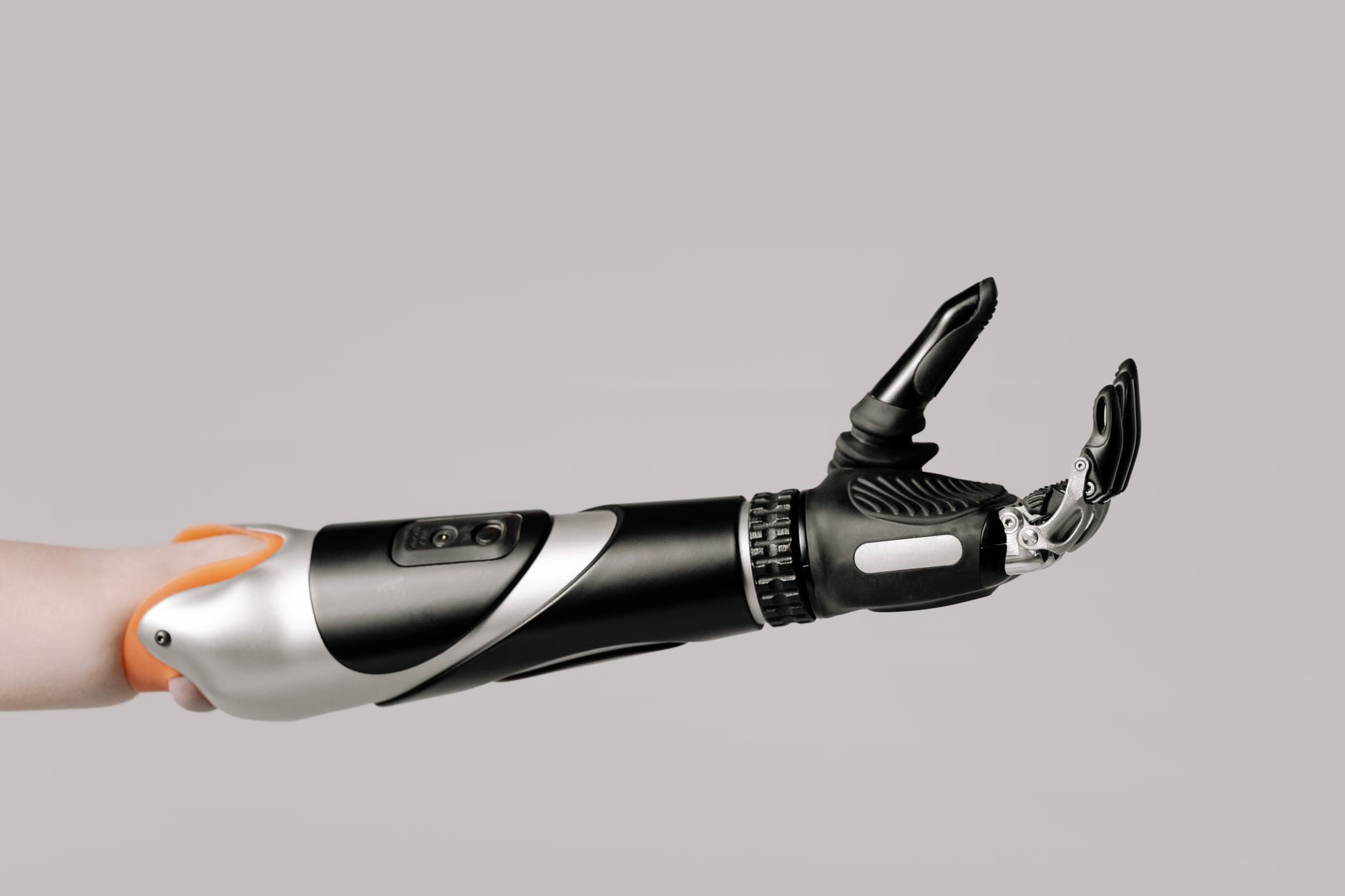
For decades, knee replacement relied on manual instrumentation and the surgeon's eye. Today, Turkish hospitals routinely use robotic-assisted alignment systems that map each patient's unique anatomy in three dimensions before a single bone cut is made. The robotic arm then helps the surgeon execute the plan with sub-millimetre accuracy, protecting soft tissues and positioning implants with remarkable predictability.
This is not technology for its own sake. It is technology that translates directly into practical patient value: less post-operative pain, more predictable implant positioning, and a faster return to walking. For medical travellers comparing options across Europe, the Middle East and beyond, Türkiye's combination of robotic precision and experienced surgical teams has become a compelling reason to book a flight.
How Robotic-Assisted Alignment Works in Turkish Hospitals
The process begins long before the operating theatre. During pre-operative assessment, the hospital's imaging team creates a detailed 3D model of the knee joint using CT or advanced imaging. The surgeon uses this model to plan implant size, angle and alignment with extraordinary detail — accounting for leg length, ligament tension and the patient's natural gait.
In the operating room, the robotic system registers the patient's anatomy and the surgeon guides the robotic arm to prepare the bone surfaces according to the pre-operative plan. Crucially, the robot does not perform the surgery. The surgeon remains in full control, using the robotic arm as a precision instrument that helps avoid outliers and protects the surrounding ligaments and soft tissue.
This approach is particularly valuable for patients with complex anatomy, previous injuries or significant deformity. Turkish orthopaedic centres have become referral hubs for exactly these cases, because robotic-assisted alignment gives surgeons the confidence to restore natural knee kinematics rather than simply resecting bone.
The data speaks for itself: studies consistently show that robotic-assisted knee replacement improves component alignment and reduces variability compared with conventional techniques, which is why Turkish hospitals have invested heavily in these platforms across their orthopaedic departments.
Why Experienced Surgical Teams Matter Just as Much as the Robot
Technology alone does not guarantee a great outcome. The robotic platform is only as good as the hands guiding it, and this is where Türkiye's hospital-based model shines. Turkish joint replacement surgeons typically complete fellowships and training in Europe and North America, and many perform several hundred knee replacements each year.
Because these procedures are concentrated in high-volume centres of excellence, the entire care pathway — from anaesthesia to nursing to physiotherapy — is finely tuned. Surgical teams work with the same robotic systems day after day, developing deep familiarity that shortens operating times and reduces complications.
Patients also benefit from multidisciplinary input. Rheumatologists, physiotherapists and pain specialists collaborate on each case, ensuring that the surgical plan fits the whole patient, not just the joint. This team-based culture is one reason Turkish hospitals report excellent patient satisfaction scores and outcomes that rival the best international institutions.
For international patients, the reassurance is significant: you are not just accessing a machine, you are accessing a system that has been refined over thousands of procedures.
Shorter Hospital Stays and Less Post-Operative Pain
One of the most immediate benefits of robotic-assisted knee replacement in Türkiye is the shortened hospital stay. Where traditional knee replacement might require four to six nights in hospital, many Turkish centres now discharge patients after two or three nights, and some enhanced-recovery pathways aim for even shorter stays.
This is possible for several reasons. Robotic-assisted surgery tends to involve less soft-tissue trauma, which means less swelling, less bleeding and less pain. Turkish hospitals also use modern anaesthetic protocols, including regional blocks and multimodal pain management, to keep patients comfortable without heavy sedation.
Patients frequently describe the difference as surprising. Instead of the prolonged discomfort often associated with knee replacement, many report that pain is manageable within the first 24 to 48 hours and that they are able to take their first assisted steps on the same day or the day after surgery.
A shorter stay is not just more convenient — it reduces the risk of hospital-acquired complications and allows patients to begin rehabilitation in a more natural, motivating environment. For medical travellers, it also means less time away from home and lower overall costs.

Structured Physiotherapy: The Engine of Faster Walking
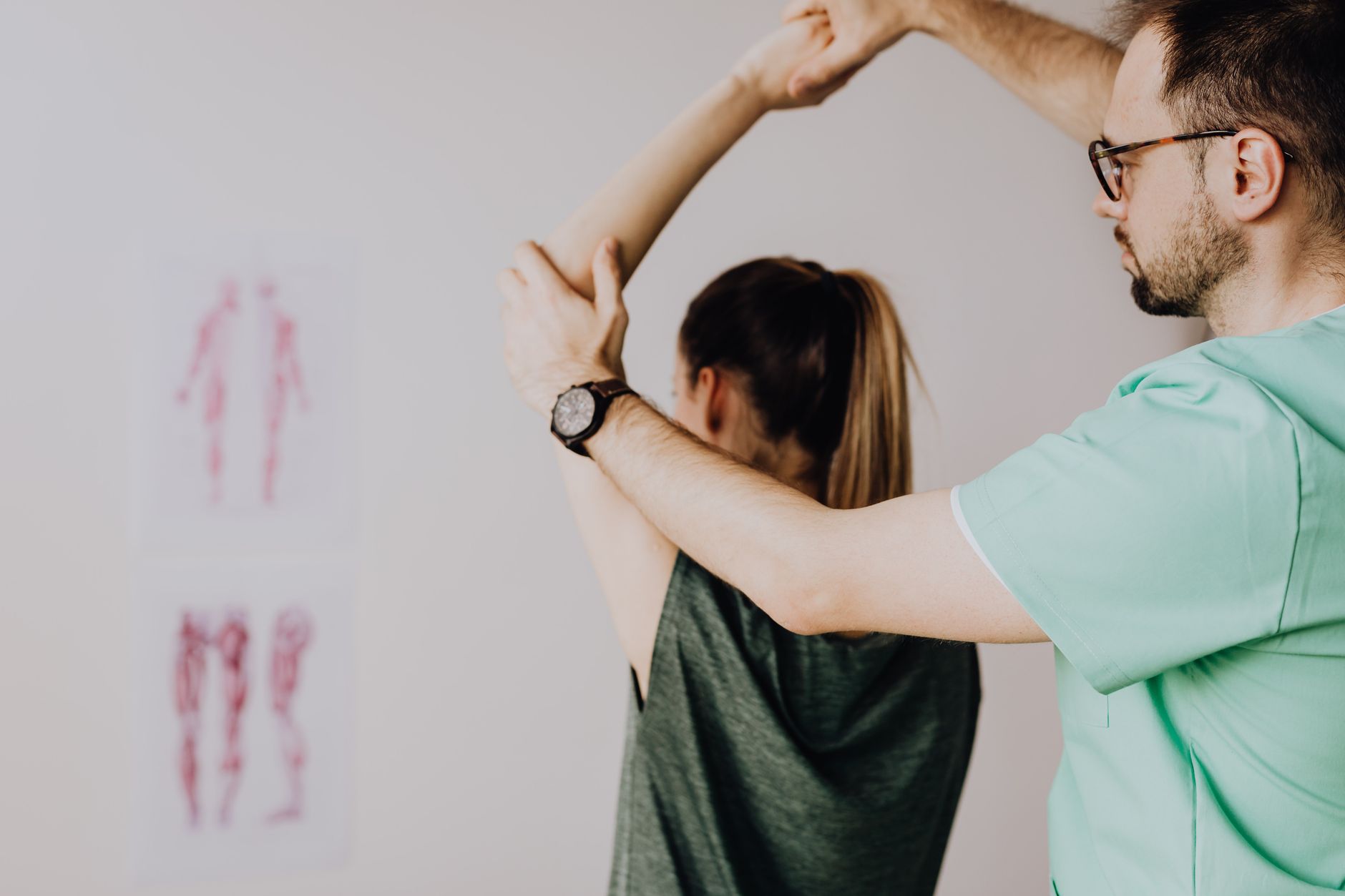
Surgery is only half the story. Turkish orthopaedic centres pair robotic precision with structured, aggressive-but-safe physiotherapy that begins almost immediately after the operation. A physiotherapist is often involved on day one, guiding gentle range-of-motion exercises and helping patients stand and take their first steps with support.
The rehabilitation programme is typically staged: early goals focus on reducing swelling, achieving full knee extension and safe walking with aids. Intermediate goals build strength, balance and endurance. Later stages refine gait, stair climbing and return to daily activities. Each stage is supervised by professionals trained specifically in joint replacement recovery.
Because the implant is positioned so predictably, physiotherapists can progress patients with confidence, knowing the knee's mechanics are sound. This is a key reason Turkish patients often achieve functional milestones faster than expected.
For international patients, hospitals provide detailed rehabilitation plans to take home, often with video guidance and remote follow-up options. This continuity ensures that the momentum gained in Türkiye continues long after the flight home.
The Practical Patient Value: Less Pain, Predictable Implants, Quicker Steps
Strip away the technology and the real question is simple: what does the patient get? In Türkiye's leading hospitals, the answer is clear and measurable. Patients experience less pain, thanks to minimally invasive robotic techniques and modern pain protocols. They receive implants positioned with a level of predictability that supports both immediate recovery and long-term durability.
And they walk sooner. The combination of precise alignment, soft-tissue preservation and early physiotherapy means that many patients are taking supported steps within a day and walking independently within weeks — a timeline that would have seemed optimistic a generation ago.
There is also the matter of value. Türkiye offers robotic knee replacement at a fraction of the cost seen in Western Europe or North America, without compromising on technology or expertise. For many patients, this makes the difference between waiting in pain and getting their life back.
It is a compelling package: world-class robotic platforms, experienced surgical teams, efficient hospital care, and rehabilitation that gets people moving. Türkiye has built an orthopaedic ecosystem that is genuinely worth travelling for.
Planning Your Robotic Knee Replacement in Türkiye
If you are considering treatment, start by sharing your medical records and imaging with a reputable Turkish hospital or its international patient department. They will assess whether you are a suitable candidate for robotic-assisted knee replacement and provide a personalised plan, including expected length of stay and rehabilitation schedule.
Most hospitals assisting international patients offer airport transfers, translation services and accommodation guidance, making the journey straightforward. It is wise to arrange your trip with some flexibility, allowing time for pre-operative assessment, surgery, initial recovery and a follow-up review before you fly home.
Ask about the specific robotic system used, the surgeon's case volume, and the physiotherapy protocol. A transparent, detailed answer is a good sign that you are dealing with a centre that takes both technology and patient care seriously.
Türkiye's hospital-based robotic knee replacement is more than a medical service — it is a statement of leadership in orthopaedics. For patients seeking precision, comfort and a faster return to walking, it is a destination that deserves serious consideration.
Thinking about treatment in Turkey?
Share your contact details and a verified doctor will follow up with a plan built around you — free, no obligation.