
Aftercare Without Borders: The New Era of Remote Recovery
For decades, the journey home after medical treatment abroad ended with a handshake, a folder of instructions, and a phone number for emergencies. Today, Türkiye's most forward-looking clinics are rewriting that ending. Through wearable recovery monitoring and app-based check-ins, your Turkish clinical team can stay virtually by your side long after your flight lands.
This is more than a technological novelty. It is a fundamental shift in how aftercare continuity works for international patients. Instead of waiting for a scheduled follow-up call, your care team can observe trends in your heart rate, sleep quality, mobility, and other vitals in real time — and reach out before small concerns become bigger ones.
As we look toward 2026, Türkiye is positioning itself not just as a destination for world-class procedures, but as a long-term partner in your recovery. The message is simple: the distance home no longer means a drop in the quality of follow-up care.
What Wearable Recovery Monitoring Actually Looks Like
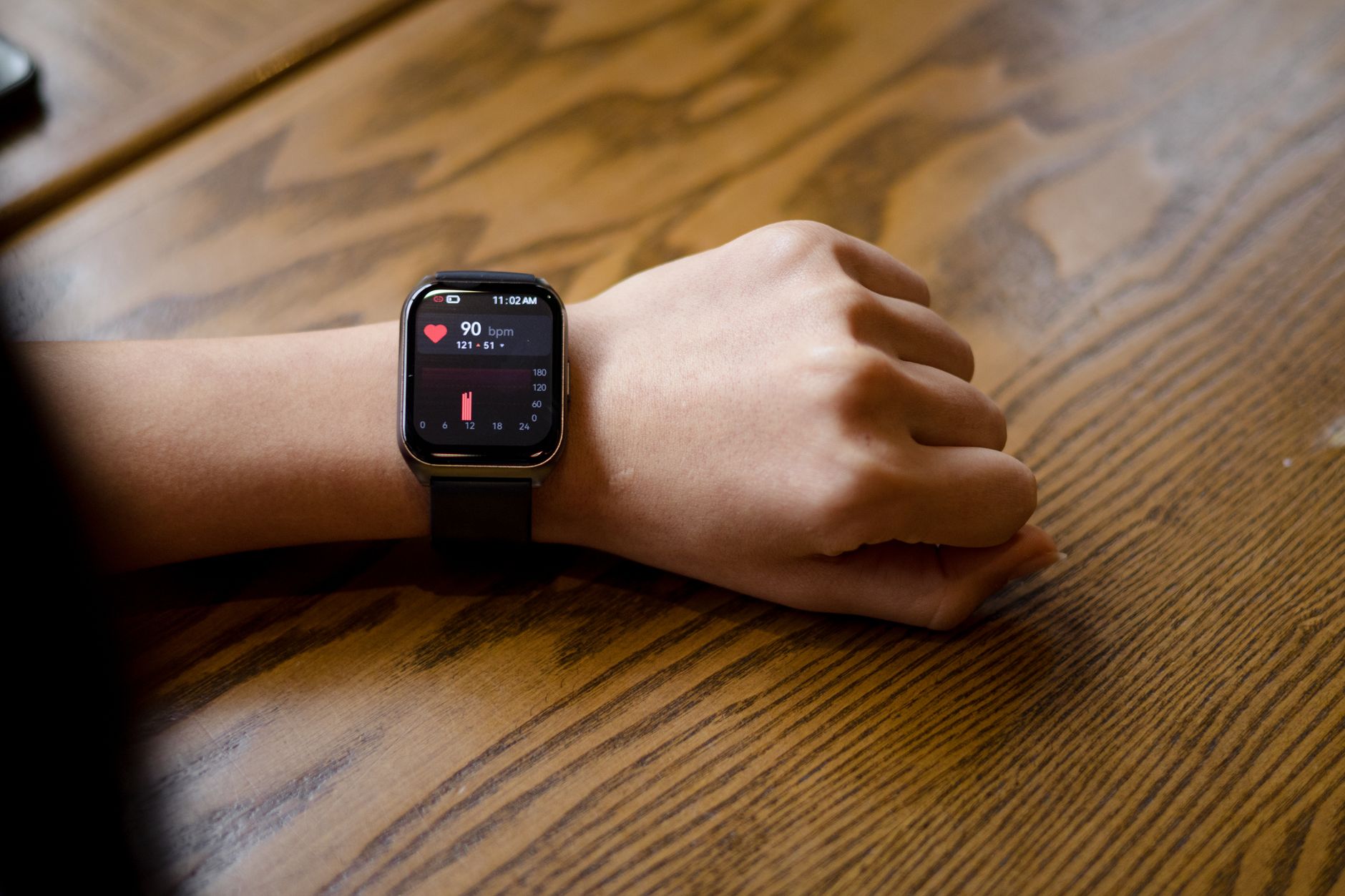
When you complete treatment at a participating clinic in Istanbul, Antalya, or Ankara, you may be offered a discreet wearable device — a smartwatch, a fitness band, or a lightweight patch — paired with a secure mobile app. The device quietly collects data such as resting heart rate, blood oxygen levels, sleep patterns, step count, and activity intensity throughout the day.
Back at home, that data flows to a dashboard monitored by your clinical team. Nurses and physicians can review your recovery curve against expected milestones for your specific procedure. If your resting heart rate trends upward, if your sleep becomes fragmented, or if your mobility stalls, the system can flag it for review.
The app also prompts you with simple check-ins: a daily symptom questionnaire, a photo upload of a healing incision, or a short message asking how you feel. These small acts of engagement create a rich, continuous picture of your recovery that a single phone call could never provide.
Why This Matters for Patients Who Fly Home
The days and weeks after returning home are often the most uncertain part of medical travel. You are no longer surrounded by the clinical team that treated you, yet you may still be in the early stages of healing. Questions arise constantly: Is this swelling normal? Should I be walking more? Why am I so tired?
Remote vitals tracking answers many of those questions before you even think to ask them. Your care team can see your physiological trends and reassure you — or intervene — based on objective data. That reduces the anxiety of the unknown and replaces it with a sense of being watched over, even from thousands of miles away.
For patients recovering from procedures like bariatric surgery, orthopedic operations, cardiac interventions, or hair transplantation, this continuity can be transformative. It means your Turkish clinic remains accountable for your outcome long after you have left its doors.

Long-Distance Peace of Mind: The Emotional Dividend
Medical travel is an act of trust. You place your health in the hands of a team in another country, often in a language you may not speak fluently. The journey home can feel like a leap of faith. Wearable monitoring softens that leap by keeping the relationship alive.
Patients describe a profound emotional benefit: the knowledge that someone qualified is still paying attention. When a nurse messages you to say, "Your sleep improved this week — keep it up," it is not just data. It is reassurance, motivation, and a reminder that you are not alone in your recovery.
This emotional dividend also extends to your loved ones. Family members who worried about you traveling abroad for care can see that follow-up is structured, professional, and ongoing. That builds confidence in the entire medical travel decision.

How Türkiye's Clinics Are Building the Infrastructure
Behind the scenes, Türkiye's leading hospitals and clinics are investing in the digital infrastructure that makes this possible. They are integrating electronic health records with remote monitoring platforms, training dedicated aftercare nurses, and establishing protocols for when and how to escalate concerns flagged by wearable data.
Many clinics now offer multilingual support within their apps, so patients from Europe, the Middle East, and beyond can communicate in their native language. Some have partnered with international telehealth networks to ensure that if a local consultation is needed, it can be arranged quickly and seamlessly.
Importantly, data privacy is treated as a priority. Secure encryption, patient consent, and compliance with international standards are built into these systems. Your recovery data is used to support you, not shared irresponsibly.
Continuity of Care: Bridging Two Healthcare Systems
One of the greatest challenges in medical travel is the gap between the treating clinic abroad and the patient's local healthcare providers. Wearable monitoring helps bridge that gap. With your permission, your Turkish team can share recovery summaries with your doctor at home, giving them a clear picture of your progress and any interventions made.
This collaboration reduces the risk of duplicated tests, conflicting advice, or missed warning signs. Your local physician becomes a partner in the aftercare plan, informed by real data from your recovery journey.
The result is a smoother, safer transition between two healthcare systems — something that has historically been a weak point in international medical care.
The Road Ahead: What to Expect by 2026 and Beyond
As we move through 2026, expect wearable recovery monitoring to become a standard offering at top Turkish clinics, not a premium add-on. Artificial intelligence will play a growing role, analyzing patterns to predict complications before they become visible. Virtual follow-up consultations will become more immersive, with video check-ins and remote wound assessments.
Türkiye's vision is clear: to extend its acclaimed standards of care beyond its borders, ensuring that every patient who chooses treatment there receives not just excellent surgery, but excellent recovery support. The distance home will matter less and less.
For anyone considering medical travel to Türkiye, this is welcome news. It means you can pursue world-class treatment with the confidence that your care will continue long after you return home. Your Turkish clinical team is not saying goodbye at the airport — they are saying, "We will see you through this, every step of the way."
Thinking about treatment in Turkey?
Share your contact details and a verified doctor will follow up with a plan built around you — free, no obligation.