

Keratokonus and Corneal Cross-Linking Treatment in Izmir: Protecting Sight on the Aegean
Why Choose Izmir for Keratoconus Treatment?
Izmir, Turkey's third-largest city, has emerged as a leading destination for advanced eye care, particularly for keratoconus and corneal cross-linking (CXL). The city's ophthalmology clinics are equipped with the same high-tech diagnostic and treatment tools found in Europe and North America, including corneal topography, aberrometry, and UV-X cross-linking systems.
Keratoconus is a progressive condition where the cornea thins and bulges into a cone shape, distorting vision. Without intervention, it can lead to significant vision loss. Corneal cross-linking is a minimally invasive procedure that strengthens the cornea and halts progression, often preserving vision for a lifetime. In Izmir, international patients benefit from expert specialists who have performed thousands of CXL procedures, achieving outcomes comparable to the world's best centres.
Beyond medical excellence, Izmir offers a beautiful coastal setting for recovery. The city's mild climate, stunning Aegean views, and relaxed atmosphere make it an ideal place to rest and heal after treatment.
Understanding Keratoconus and the Importance of Early Intervention
Keratoconus typically begins in adolescence or early adulthood, causing blurry vision, increased sensitivity to light, and frequent prescription changes. Because it progresses unpredictably, early diagnosis is crucial. In Izmir, advanced corneal topography maps the cornea's surface in 3D, detecting even subtle changes before symptoms worsen.
Once diagnosed, the goal is to halt progression. Corneal cross-linking (CXL) is the only proven treatment to stop keratoconus from advancing. The procedure involves saturating the cornea with riboflavin (vitamin B2) and exposing it to controlled ultraviolet light, which strengthens the corneal collagen bonds.
Early CXL can prevent the need for more invasive procedures like corneal transplants. In Izmir, specialists emphasise that the best time to treat keratoconus is as soon as it is detected—before significant vision loss occurs.
Advanced CXL Techniques and Topography-Guided Treatment
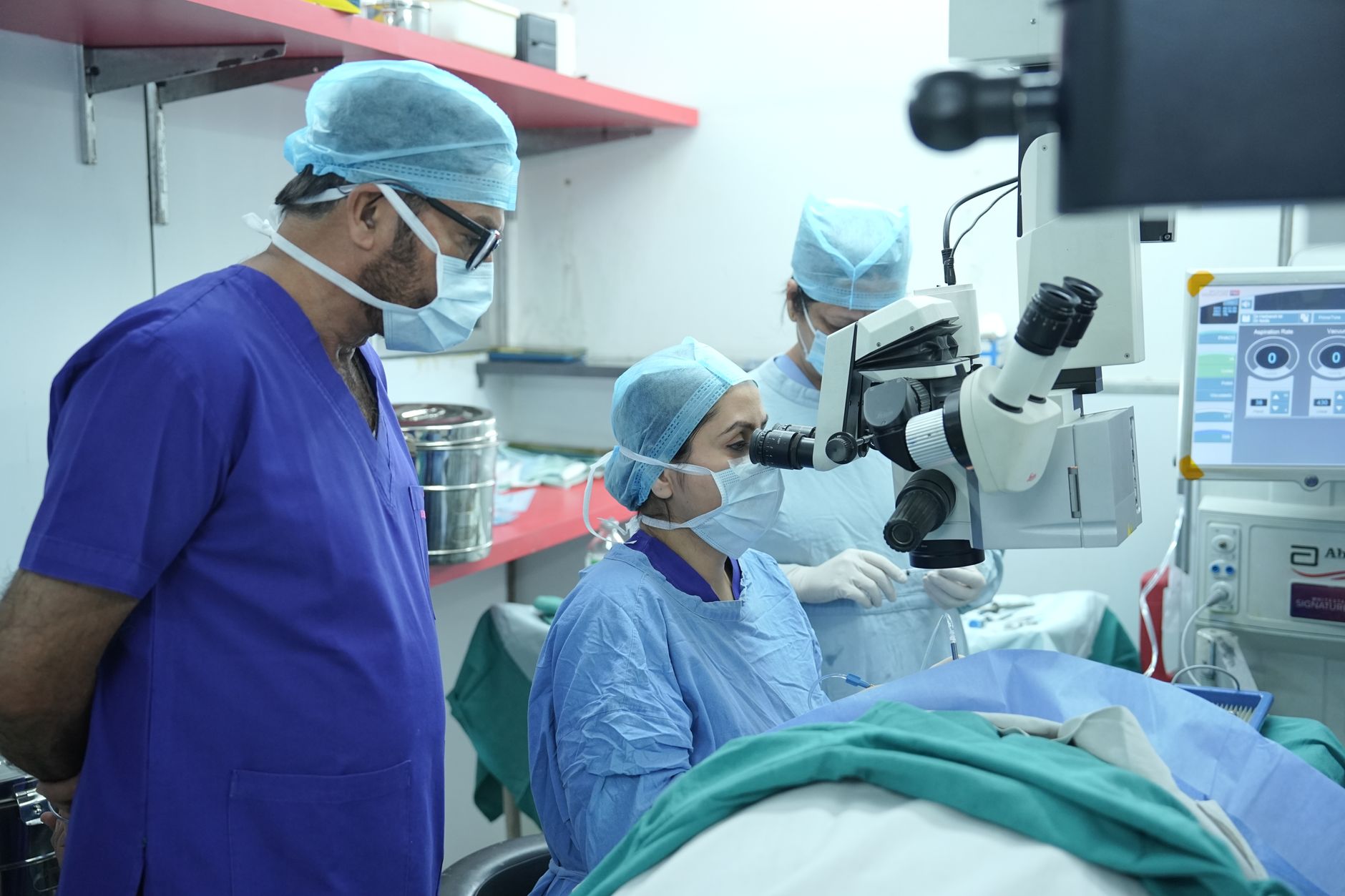
Izmir's eye centres offer the latest CXL protocols, including epithelium-off (standard) and epithelium-on (transepithelial) techniques. The choice depends on the patient's corneal thickness, progression rate, and lifestyle. Some clinics also combine CXL with topography-guided PRK (photorefractive keratectomy) to improve vision while strengthening the cornea—a procedure known as Athens protocol or CXL-plus.
Topography-guided treatment uses detailed corneal maps to customise the laser ablation, smoothing irregularities and enhancing visual acuity. This combined approach is particularly beneficial for patients who cannot tolerate contact lenses and want to reduce dependence on glasses.
All procedures are performed on an outpatient basis, typically taking 30–60 minutes per eye. Patients often notice stabilisation within weeks, with maximum effect after several months.

The Treatment Journey: What to Expect
Your journey begins with a comprehensive eye examination, including corneal topography, pachymetry (thickness measurement), and refraction. The ophthalmologist will discuss your condition, treatment options, and expected outcomes.
On the day of the procedure, numbing drops are applied, and the cornea is prepared. For epithelium-off CXL, the top layer is gently removed to allow riboflavin penetration. After UV exposure, a bandage contact lens is placed for comfort, and you'll be given antibiotic and anti-inflammatory drops.
Recovery involves mild discomfort for a few days, with vision gradually improving over weeks. You'll have follow-up visits to monitor healing. Most patients can return to normal activities within a week, but should avoid swimming and rubbing eyes.
Recovering in Izmir: A Coastal Haven
Izmir's pleasant Mediterranean climate and scenic coastline provide a soothing environment for post-treatment recovery. Relax on the beaches of Çeşme, explore the ancient ruins of Ephesus, or stroll along the Kordon promenade. The city's fresh seafood and warm hospitality add to a restorative experience.
Many clinics offer concierge services to help arrange accommodation, transportation, and translation. Recuperating in such a serene setting reduces stress, which is beneficial for healing.
Why Turkish Eye Hospitals Are World-Class
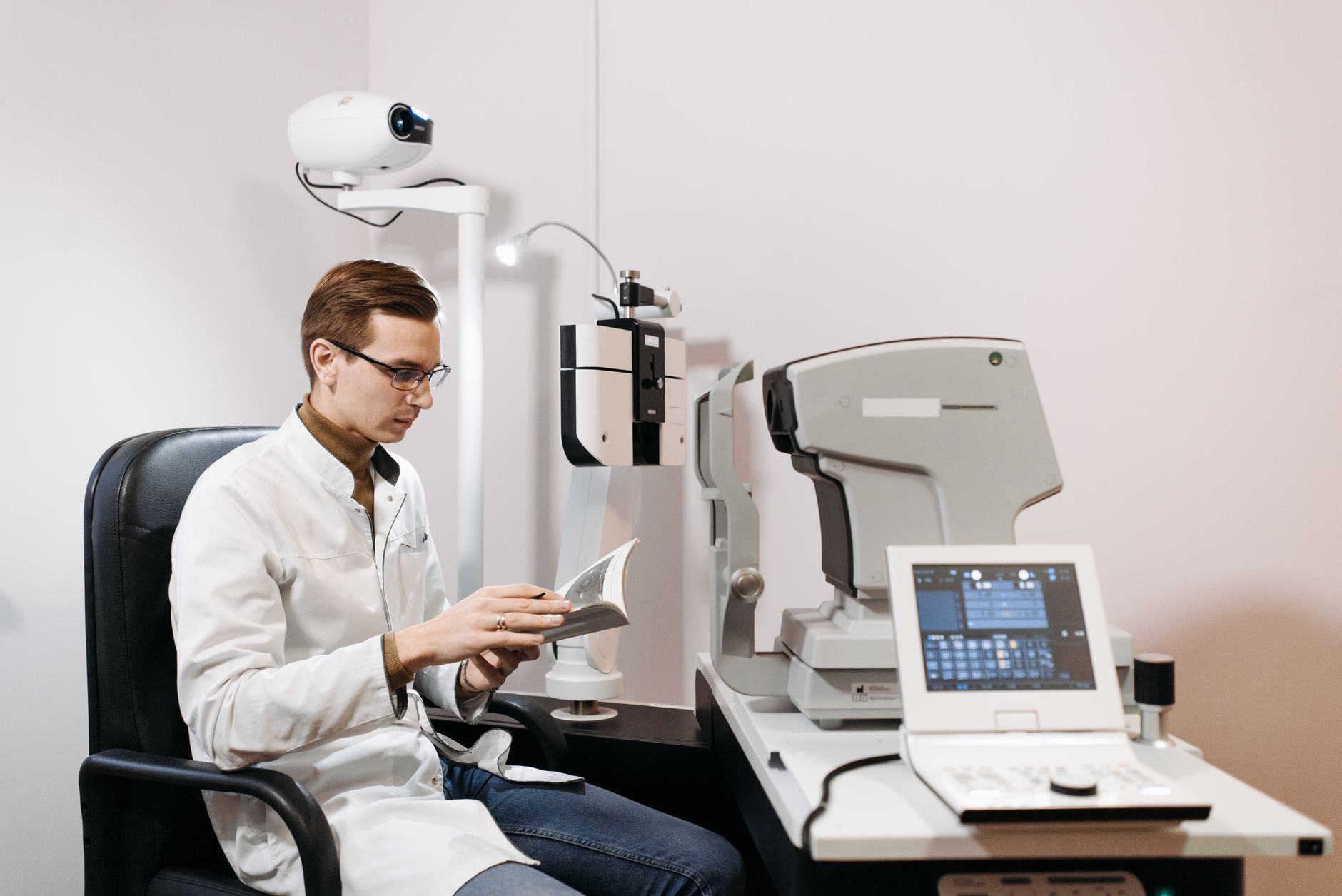
Turkey has invested heavily in healthcare infrastructure, and its eye hospitals are no exception. Izmir's clinics are equipped with state-of-the-art technology such as Pentacam HR, Sirius, and Corvis ST for diagnosis, and UV-X 2000 or KXL systems for cross-linking. Surgeons are internationally trained and frequently participate in global ophthalmology conferences.
Patients from Europe, the Middle East, and beyond choose Izmir for its combination of affordability, quality, and short waiting times. The cost of CXL in Izmir is significantly lower than in Western Europe or the US, without compromising on care.
Top Highlights
Popular Activities
Thinking about treatment in Turkey?
Share your contact details and a verified doctor will follow up with a plan built around you — free, no obligation.
