

Why Türkiye Has Become a Global Hub for Bariatric Revision Surgery
If you are reading this, you have probably already walked a long road. Perhaps you had a gastric sleeve, a gastric bypass, or a gastric band years ago, and the results you hoped for have faded. Maybe weight has returned, old habits have crept back, or a complication has made daily life difficult. First, let us say this clearly: needing a revision is not a failure. It is a medical reality that thousands of patients around the world face, and it deserves the same thoughtful, expert care as any first-time procedure.
Türkiye has quietly become one of the world's most trusted destinations for bariatric revision surgery. Centres in Istanbul, Ankara, and Izmir now perform thousands of revisional procedures each year, supported by surgeons who have specialised in complex, second-stage bariatric care. Many of these specialists train internationally, publish in peer-reviewed journals, and work in hospitals accredited by bodies such as JCI, TEMOS, and ISO.
What sets the best Turkish centres apart is not just technical skill but approach. Revision surgery is more demanding than a primary operation: scar tissue, altered anatomy, and nutritional deficiencies all require careful handling. The leading clinics have built their reputations on exactly this complexity, combining advanced laparoscopic and robotic techniques with genuinely compassionate, non-judgmental patient care. Patients are not treated as numbers on an operating list; they are treated as people who deserve a second chance.
"A revision is not a repeat of your first surgery. It is a new, carefully personalised plan built on everything we have learned about your body since then." — a principle shared by Türkiye's top bariatric teams.
Understanding Which Revision Procedure May Be Right for You
Before you book anything, it helps to understand the landscape of revision options. The right choice depends entirely on your original operation, your current anatomy, your weight history, and your overall health. No reputable centre will recommend a procedure before reviewing your full records.
Common revision pathways include:
- Sleeve-to-bypass conversion: often chosen when a gastric sleeve has stretched, when reflux has become severe, or when weight loss has stalled and metabolic goals are not being met.
- Bypass revision or pouch resizing: for patients whose gastric pouch or stoma has enlarged over time, allowing food intake to creep back up.
- Band removal with conversion: gastric bands are increasingly removed due to erosion, slippage, or intolerance, frequently with a simultaneous conversion to sleeve or bypass.
- Re-sleeving or pouch tightening: in carefully selected cases where the original anatomy can be safely reshaped.
- Repair of complications: such as fistulas, strictures, or hernias that developed after the first operation.
Your surgeon will explain the trade-offs honestly. Some revisions offer excellent long-term results; others carry higher risks and require a more conservative plan. A good centre will tell you when a revision is not the best answer, and will suggest alternatives such as intensified nutritional therapy, endoscopic procedures, or revisiting behavioural support first.
What matters most is that the decision is shared. You should leave your consultation understanding not only what will be done, but why, and what the realistic outcomes and risks are.
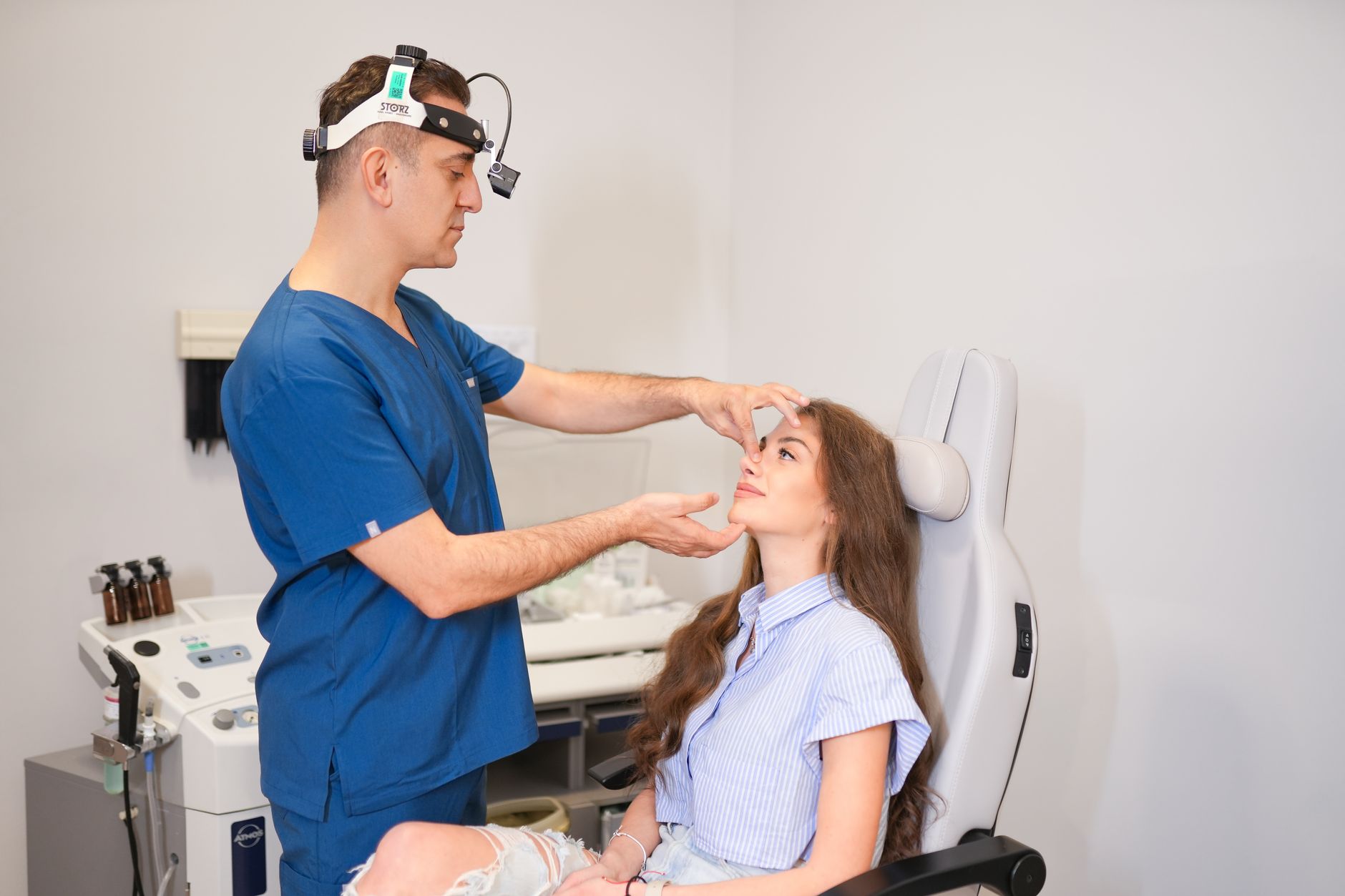
Step One: Gathering and Transferring Your Medical Records
The single most important preparation you can make is assembling a complete, well-organised medical history. Revision surgeons cannot plan safely without knowing exactly what was done before, when, and how your body responded. Think of this as building a dossier that travels with you.
Records to collect and send:
- Operative reports from your original bariatric surgery, including the technique used, staple line details, and any intra-operative findings.
- Discharge summaries from every hospital stay related to your weight-loss journey.
- Endoscopy and imaging reports — particularly recent upper GI endoscopy, barium swallow, CT, or ultrasound studies.
- Blood tests covering at least the last 12 months, with special attention to iron, ferritin, vitamin B12, vitamin D, calcium, albumin, and HbA1c.
- Medication lists including doses, plus details of any supplements you take.
- Weight history — a simple timeline of your weight before surgery, at your lowest point, and now.
- Complication history, including any leaks, strictures, band problems, or nutritional deficiencies.
Ask your current doctors for digital copies (PDF is ideal) and, where possible, certified translations into English or Turkish. Most Turkish centres have international patient coordinators who will review these documents before your first video consultation, often within 48 to 72 hours. If some records are missing, do not panic — say so. Honest gaps are far better than guessed information, and your surgeon can request specific tests once you arrive.
A useful tip: create a single folder (physical or cloud-based) with clearly labelled sections. Bring two copies to Türkiye — one for the hospital, one for yourself. This small act of organisation dramatically smooths the entire process and shows your care team you are a committed partner in your own health.

Step Two: Nutritional Counselling Before and After Revision
Revision surgery changes your anatomy again, and your body's ability to absorb nutrients may be further reduced. Nutritional counselling is therefore not an optional extra — it is central to a safe, successful outcome. Türkiye's leading centres employ registered dietitians who specialise in bariatric and revision patients and who work alongside your surgeon from the very first consultation.
Before surgery, your dietitian will typically assess your current intake, identify deficiencies, and design a short pre-operative plan. This may include a liver-shrinking diet for one to two weeks, high-protein supplementation, and correction of low iron, B12, or vitamin D. Correcting deficiencies before surgery significantly reduces complication risk and improves healing.
After surgery, you will follow a staged progression: clear liquids, full liquids, soft foods, then regular textured foods. Your dietitian will guide you through each stage, with portion sizes, protein targets, and hydration goals tailored to your new anatomy. Lifelong supplementation is usually required — multivitamins, B12, iron, calcium, and vitamin D — and your team will give you a clear schedule and monitoring plan.
Just as important is the emotional side of eating. Many revision patients carry guilt or frustration from their first surgery. The best Turkish programmes address this directly through counselling, support groups, and honest conversations. There is no shaming here — only practical help to rebuild a healthy relationship with food and with your own body.
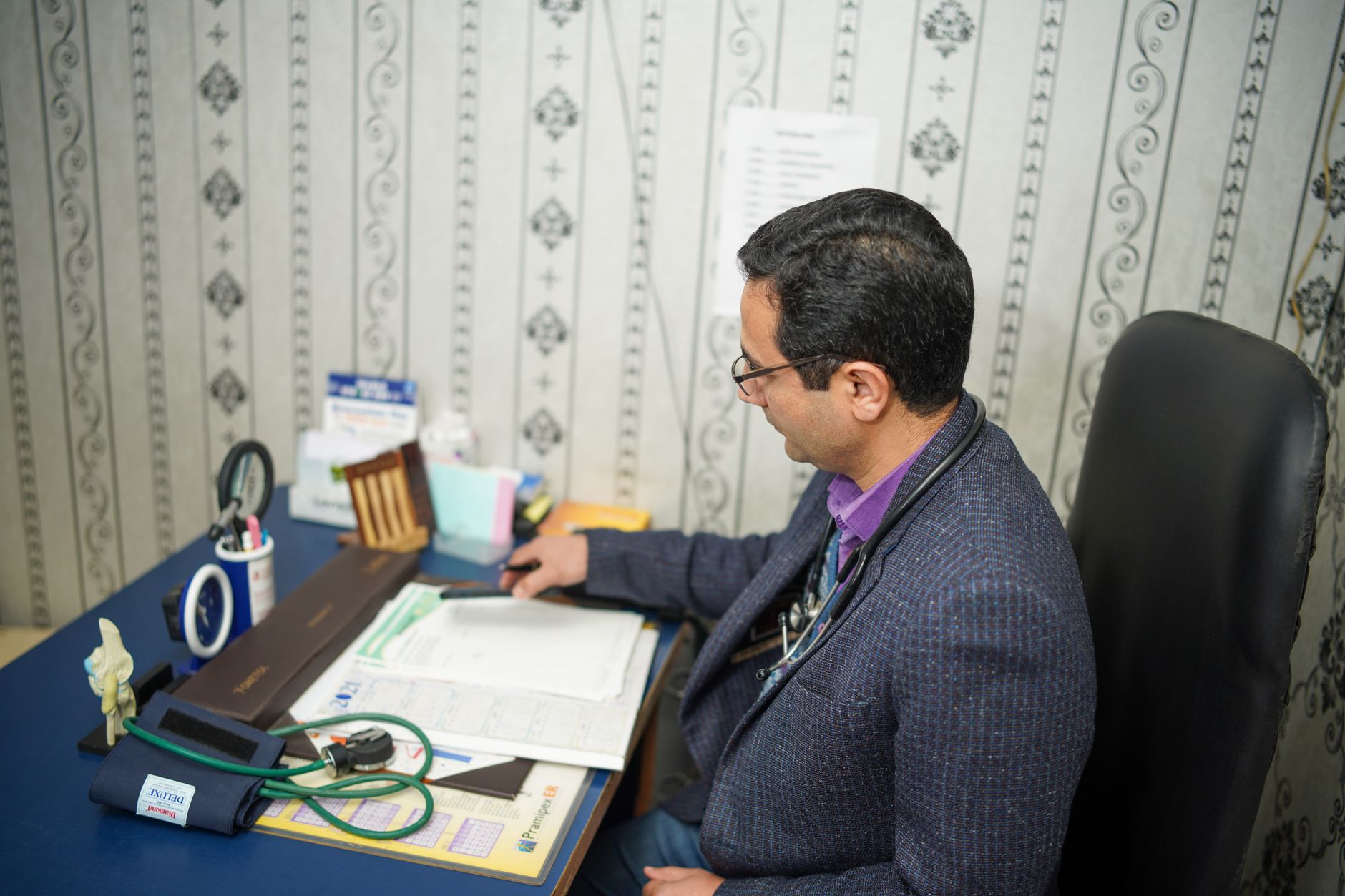
Step Three: Safe Surgical Planning and Choosing the Right Centre
Revision surgery is technically more challenging than a primary procedure, so choosing the right team is essential. Look for centres that offer the following as standard, not as add-ons.
Signs of a genuinely expert revision centre:
- Surgeons with specific, documented experience in revisional bariatric surgery — ask how many they perform each year.
- Full pre-operative workup including endoscopy, bloodwork, cardiology clearance, and anaesthesia review.
- Access to intensive care units and 24/7 post-operative monitoring.
- Accreditation from recognised bodies such as JCI, TEMOS, or the Turkish Ministry of Health's international health tourism authorisation.
- Transparent pricing that covers surgery, hospital stay, medications, and follow-up — with no hidden extras.
- A named international patient coordinator who speaks your language and remains reachable throughout your trip.
During your consultation, ask direct questions: What are your complication rates for this specific revision? What happens if I need further surgery? Who will follow me after I fly home? A confident, ethical centre will welcome these questions and answer them clearly.
Safe planning also means preparing your body and your life. Stop smoking at least four to six weeks before surgery, stabilise any chronic conditions, arrange time off work, and plan for a companion to travel with you if possible. Build in a few extra days in Türkiye beyond your discharge date, so that any minor concerns can be addressed before you fly.

Step Four: Long-Term Support After You Return Home
The surgery is a beginning, not an ending. The most successful revision patients are those who stay engaged with their care team long after the stitches have healed. Türkiye's leading centres understand that you live abroad, so they have built structured long-term support into their programmes.
Expect regular virtual follow-ups — typically at one month, three months, six months, one year, and annually thereafter. These appointments review your weight trajectory, bloodwork, supplement adherence, and any concerns. Many centres also provide direct messaging access to your dietitian and coordinator, so questions do not have to wait for a scheduled call.
Equally valuable is connection with other patients. Online support groups, alumni communities, and peer mentors help you stay motivated and remind you that you are not alone. Sharing experiences — the good days and the difficult ones — is one of the strongest predictors of long-term success.
Finally, keep your local doctor informed. A short letter from your Turkish surgeon to your GP, summarising the procedure and recommended monitoring, ensures continuity of care and keeps everyone aligned around your goals.
A Compassionate Second Chance
Planning a medical trip to Türkiye for bariatric revision surgery is a significant decision, and it is natural to feel anxious. But you do not have to navigate it alone. From the first records transfer to the final follow-up call, Türkiye's bariatric centres are designed to support you with expertise, transparency, and genuine warmth.
You are not starting over — you are building on everything you have already learned. With the right team, thorough preparation, and honest nutritional and emotional support, a revision can be the turning point that finally delivers the lasting weight loss and improved health you have been working toward. Your second chance is real, and it starts with one organised, hopeful step.
Thinking about treatment in Turkey?
Share your contact details and a verified doctor will follow up with a plan built around you — free, no obligation.