

Why Companions Matter So Much in Türkiye
In Türkiye, healthcare has never been a solitary experience. Hospitals are built around the assumption that patients arrive with family, and that family stays. Waiting areas are generous and comfortable, hospital cafés serve proper Turkish tea around the clock, and staff will greet your loved one's companion as naturally as they greet the patient. If you are travelling to Istanbul, Ankara, Izmir or Antalya to support someone through treatment, you are not an outsider in the process — you are expected, welcomed and quietly essential.
International patient departments across Türkiye have refined this family-centred culture into something remarkably practical. Many hospitals assign a dedicated patient coordinator to each international case, and that coordinator understands that the companion is often the one holding the passport, the medication list, the questions and the emotional thread of the whole trip. You will be offered a chair beside the bed, a place in the consultation room and clear explanations in your language.
This guide is for you — the spouse, parent, adult child, sibling or close friend who has stepped forward. It covers what you can genuinely help with day to day, how to protect your own energy across a treatment journey that may last days or weeks, and how to let your patient coordinator lighten the load so that you can stay present for the person who needs you.
In Türkiye, the companion is not a visitor. You are part of the care team — and the hospital will treat you that way.
What Companions Actually Do: The Day-to-Day Role
The practical support a companion provides is broader than most people expect, and it changes shape as treatment progresses. Before admission, you may be the one helping with paperwork, confirming appointments, keeping the passport and insurance documents safe, and making sure your loved one eats and sleeps well the night before a procedure. On admission day, you are often the calm, organised presence at the desk while the patient focuses on simply getting through the day.
During treatment, your role becomes one of observation and reassurance. You are the second set of ears in consultations, writing down what the surgeon or oncologist says, asking the question your loved one forgot, and repeating the answer back later when the day's details have blurred. You are also the memory-keeper: noting medication times, when pain relief was last given, how much water was drunk, whether the dressing was changed. Nurses in Türkiye's international hospitals welcome this partnership and will happily show you what to watch for.
After discharge, companions often take on recovery logistics: managing medications, preparing or ordering gentle food, encouraging short walks in the hotel corridor or nearby park, and liaising with the patient coordinator about follow-up appointments. None of this requires medical training. It requires attention, patience and a willingness to ask questions — qualities you already have.
- Before treatment: documents, appointments, rest, nutrition, transport planning.
- During treatment: note-taking, question-asking, reassurance, liaison with staff.
- After discharge: medication timing, gentle mobility, follow-up scheduling, emotional steadiness.
How Türkiye's Hospitals Make Accompanying Easy
One of the most pleasant surprises for companions arriving in Türkiye is how smoothly the practical side has been thought through. International patient departments commonly provide interpreters, written information in your language, help with visa invitation letters, airport transfers and assistance finding accommodation within walking distance of the hospital. Many hospitals have on-site cafeterias, prayer rooms, quiet lounges and Wi-Fi that actually works — small details that make long days far more bearable.
Accommodation near major hospitals in Istanbul is well adapted to medical stays. You will find hotels and serviced apartments used to guests who need early breakfasts, late checkouts, accessible bathrooms and a fridge for medication. Patient coordinators frequently negotiate reduced rates for families and can advise which neighbourhoods are calmest and closest. In cities like Istanbul and Izmir, hospitals are often clustered in districts with pharmacies, supermarkets and green spaces all within a short walk.
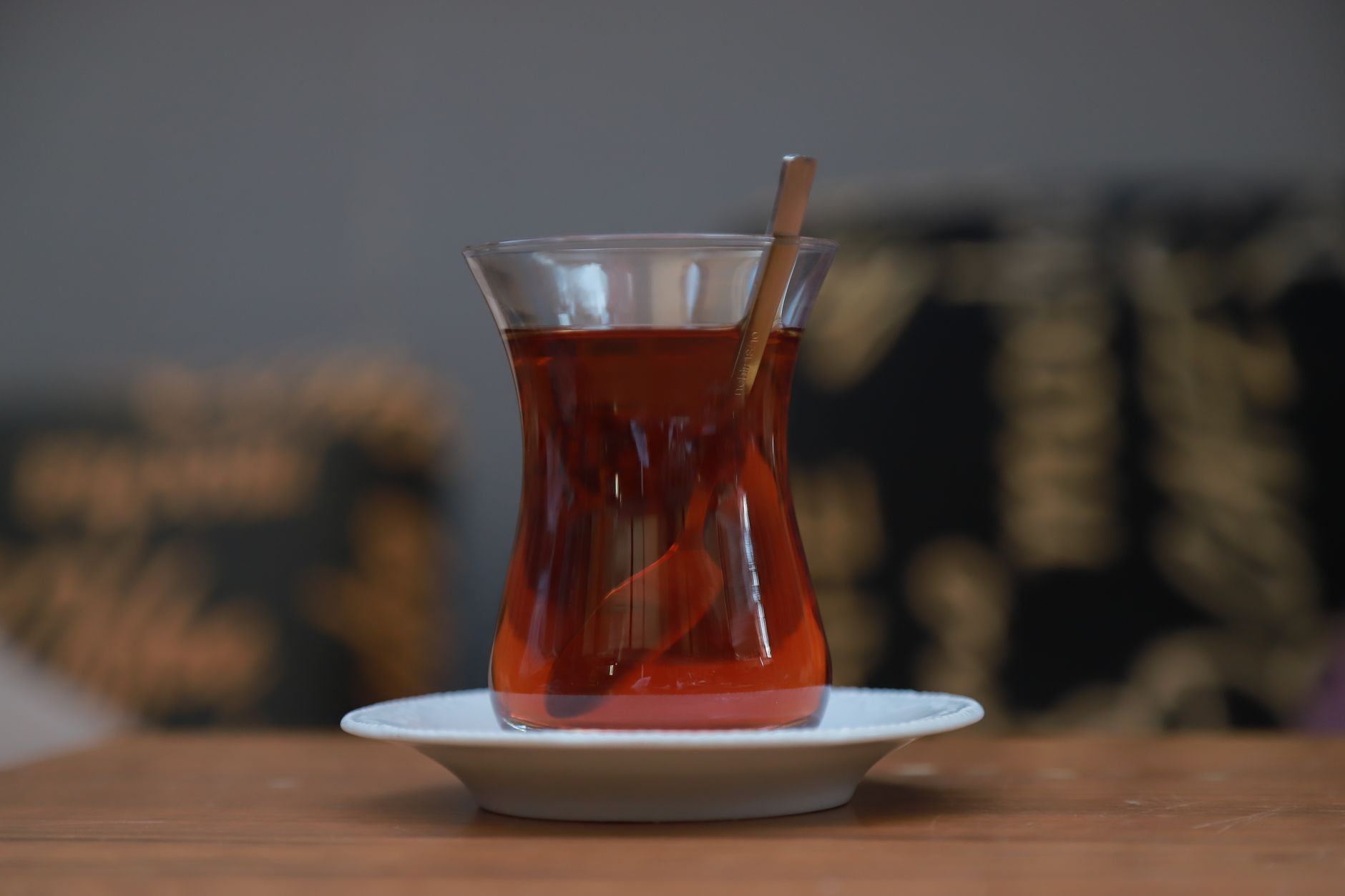
Just as importantly, the culture itself is on your side. Turkish hospitality means you will be offered tea while you wait, asked whether you have eaten, and treated with a warmth that softens the clinical edges of the day. For companions who arrive anxious and exhausted, this atmosphere is not a luxury — it is a genuine source of resilience.

Looking After Your Own Energy Across the Trip
The single most common mistake companions make is treating their own needs as optional. A treatment trip can stretch across days or weeks, and the person you are supporting needs you steady, not running on empty. Think of your energy as a shared resource: every hour of sleep, every proper meal and every short break you take is an investment in the quality of care your loved one receives.
Protect the basics deliberately. Eat at regular times even when the patient cannot, and choose food that sustains rather than merely fills — Turkish breakfasts of eggs, cheese, olives, cucumber and fresh bread are an excellent start to a hospital day. Drink water consistently; hospital air is dry and waiting rooms are tiring. Sleep matters most: if you are staying in the room overnight, agree with your loved one and the nursing team on a rotation so that you get at least one uninterrupted stretch of rest.
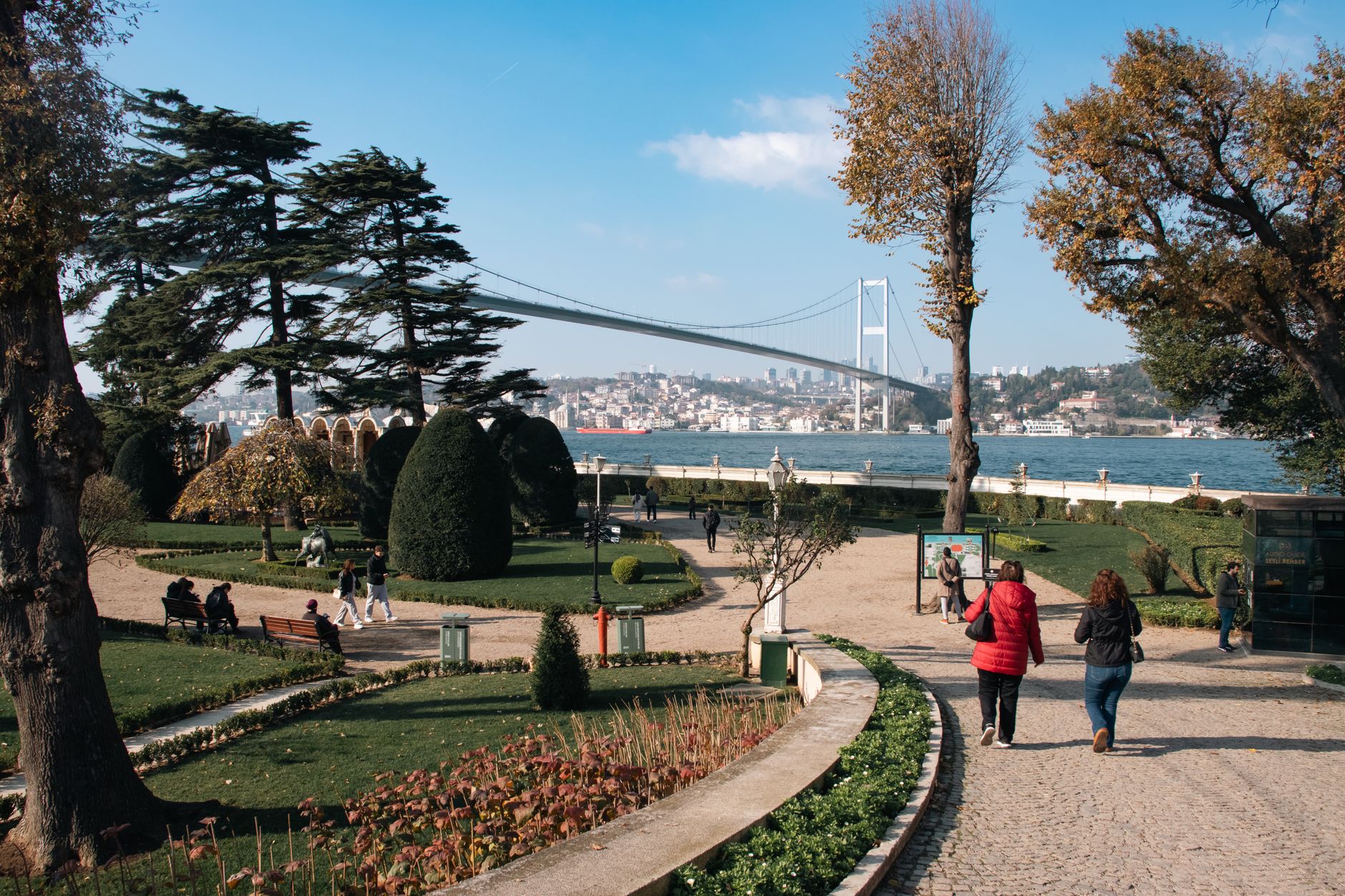
Movement is a quiet antidote to stress. A twenty-minute walk around the hospital grounds, along the Bosphorus or through a nearby park clears the head and resets your patience. So does a short phone call home, a shower, or simply sitting in a café with a Turkish coffee and no task to perform. These are not indulgences. They are maintenance.
Emotionally, expect the weather to change. Some days you will feel capable and calm; others you may feel frightened or resentful, and then guilty for feeling that way. This is normal. If you can, identify one person outside the hospital — a friend, relative or the patient coordinator — with whom you can speak honestly. Carrying the emotional load silently is the fastest route to burnout.
- Set a simple daily rhythm: meals at fixed times, one walk, one rest period.
- Take turns with other family members if they are present, and say yes to help.
- Keep a small notebook for questions, medications and your own to-do list to free mental space.
- Allow yourself moments of ordinary pleasure — tea, music, a view, a call home.
How Patient Coordinators Lighten the Load
Your patient coordinator is the most underused resource available to companions. These professionals exist precisely to absorb the logistical weight of treatment abroad — appointments, translations, billing questions, transfers, accommodation, discharge planning and follow-up — so that families can focus on the patient. Use them. Asking for help is not a sign of weakness; it is exactly what they are there for.
Practically, a good coordinator can arrange interpreter support for consultations, explain the treatment plan in plain language, obtain copies of reports and prescriptions, and tell you where to find a late-night pharmacy or a halal, vegetarian or low-sodium meal. They can also intervene when communication feels unclear, which is invaluable on days when you are too tired to advocate effectively yourself.
It helps to prepare for coordinator conversations. Keep a running list of questions on your phone, and raise them in batches rather than at scattered moments. Confirm the practical essentials early: who to call at night, where to go in an emergency, when the next appointment is, what medication is due and when, and what the discharge plan looks like. Write the answers down. A coordinator would rather answer the same question three times than have a family worry in silence.
“The companion is part of the patient's safety net,” one Istanbul-based international coordinator explains. “When they are informed and rested, everything in the treatment journey runs more smoothly.”

Practical Tips for a Calm, Organised Stay
A little preparation transforms the companion experience. Before travelling, gather documents in one folder — passports, visa paperwork, insurance details, medical reports, medication lists and hospital correspondence — and keep digital copies on your phone. Pack for the companion too: comfortable shoes, layers for air-conditioned wards, a phone charger with a long cable, snacks that travel well, and any medication you take yourself.
On arrival, orient yourselves quickly. Ask the coordinator or reception for a simple map of the hospital, note the location of the cafeteria, pharmacy, prayer room and nearest exit, and identify the quickest route between your accommodation and the ward. Learn a few Turkish phrases — teşekkür ederim (thank you), merhaba (hello), yardım (help) — and you will find doors open even wider.
During the stay, keep communication simple and consistent. Update family at home once a day rather than constantly, so that you are not managing a dozen conversations alongside treatment. Use the hospital's Wi-Fi for video calls when the patient is up to it. Keep a shared note or message thread with key updates so nobody has to repeat the story. And when discharge day comes, confirm the follow-up plan, medication schedule and emergency contacts before you leave the building.
Finally, remember that your presence is itself a form of treatment. Studies and lived experience alike confirm that patients with an engaged companion feel safer, ask more questions, follow instructions more faithfully and recover with more confidence. In Türkiye, that role is honoured, supported and made easier by a healthcare culture that has always believed healing happens in the company of family. You are not simply accompanying a patient. You are part of the care.
Thinking about treatment in Turkey?
Share your contact details and a verified doctor will follow up with a plan built around you — free, no obligation.