

Why Türkiye Is Built for Long-Distance Patients
Türkiye has become one of the world's leading medical tourism destinations, not only because of its advanced clinics and competitive prices, but also because of its extraordinary connectivity. With Istanbul Airport and Sabiha Gökçen International Airport serving as major global hubs, the country is reachable from almost anywhere. Yet many patients do not live near an international airport. They live in smaller towns, rural regions, or second-tier cities where the first leg of the journey is a domestic flight, a train, or a long drive.
The good news is that Türkiye's domestic flight network is one of the most extensive in Europe and the Middle East. Turkish Airlines and Pegasus Airlines operate frequent services from dozens of domestic airports to Istanbul, Izmir, and Antalya, making it entirely feasible to connect from a regional city to an international hub in a single day. For patients travelling from abroad, this means you can often start your journey in your local city and arrive at your Turkish clinic with just one or two stops.
What matters most is preparation. When you live far from an international airport, the journey requires more planning — but it is far from overwhelming. Turkish clinics routinely coordinate arrivals from smaller cities and remote regions, and they are used to adjusting schedules for patients who need extra time. The key is to communicate your route early and build in realistic buffers.
Understanding Your Route: Domestic Connections to International Hubs
If you are flying from a smaller city, your itinerary will usually involve a domestic flight to a major Turkish hub, followed by an international flight to your final destination. Alternatively, if you are coming from abroad, you may fly into Istanbul or another Turkish city and then take a domestic connection to your treatment city — for example, from Istanbul to Antalya, Izmir, or Adana.
Turkish Airlines offers the widest network, with direct flights from many regional airports to Istanbul Airport. Pegasus Airlines is strong on routes to Sabiha Gökçen and also connects many Anatolian cities. When booking, look for a single ticket that covers both legs, preferably with the same airline or a partner airline. This protects you if a delay occurs — the airline is responsible for rebooking you.
If you are travelling from outside Türkiye, you may find that your home city has a direct flight to Istanbul, or you may need to connect through a larger hub such as London, Frankfurt, or Dubai. In that case, your journey has three parts: home to hub, hub to Istanbul, and Istanbul to your treatment city. Each connection adds complexity, so it is wise to keep the number of stops to a minimum.
Many clinics in Istanbul, Antalya, and Izmir have international patient departments that can help you choose the most convenient arrival airport and even suggest flight options. Do not hesitate to ask — they handle these logistics every day.
Timing Your Layovers: How Much Is Enough?
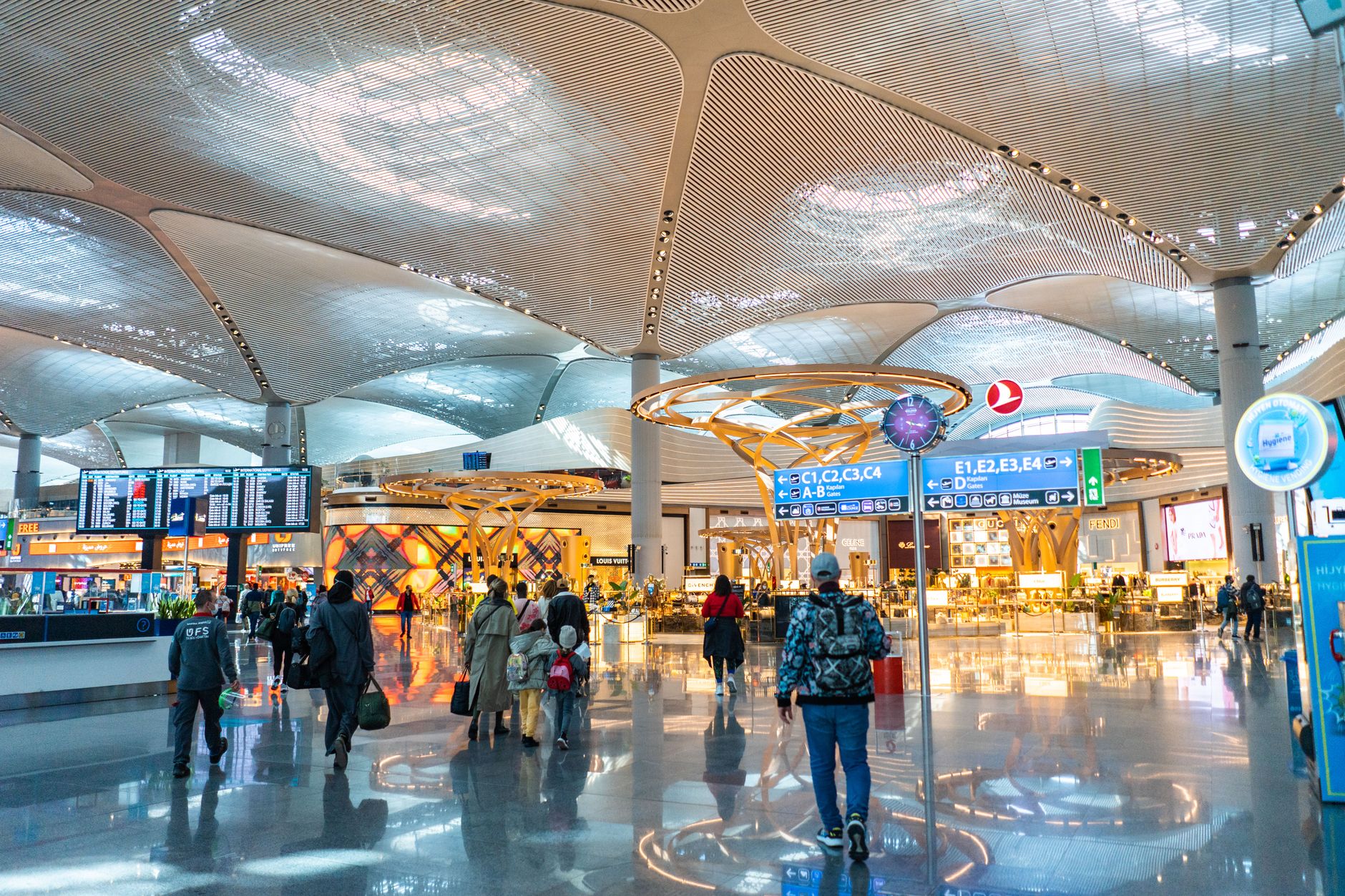
Layover timing is one of the most common sources of stress for long-distance patients. The general rule is simple: allow more time than you think you need. For domestic-to-international connections in Türkiye, a minimum of two hours is advisable if you are already checked in and your bags are tagged through. If you need to collect your luggage and re-check it, allow at least three hours.
At Istanbul Airport, domestic and international terminals are within the same massive complex, but walking times can be significant. Transfers between the domestic and international areas require passing through security and passport control. If you are coming from a domestic flight and connecting to an international one, follow the 'International Transfers' signs. If you have a long layover, consider booking a lounge pass or a nearby airport hotel — rest is important before treatment.
When returning home after treatment, your energy levels may be lower. Avoid tight connections. A layover of three to four hours gives you time to move slowly, take medication, and eat something. If your treatment requires you to carry medical reports or medications, keep them in your hand luggage and declare them if necessary.
Weather can also affect domestic flights in winter, especially in eastern Anatolia. If you are travelling from a region with harsh winters, build in a buffer day before your appointment. Many clinics will happily adjust your admission date if you inform them in advance.

Luggage and Medical Documents: What to Carry and How
Carrying medical documents safely is critical. Always keep the following in your hand luggage, never in checked baggage:
- Passport and visa (if required)
- Printed copies of your medical reports, test results, and imaging CDs or USB drives
- A list of your current medications, including generic names and dosages
- Doctor's referral letters and appointment confirmations
- Travel insurance policy and emergency contact numbers
- Any prescription medications in their original packaging, with a copy of the prescription
It is also wise to have digital copies stored in your email or cloud account, so you can access them even if your bags are lost. Label your luggage clearly with your name and a phone number, and consider packing a change of clothes and essentials in your carry-on in case of delays.
If you are travelling with medical devices, such as a CPAP machine or insulin cooler, check the airline's policy in advance. Most airlines allow them as additional carry-on items, but you may need a doctor's note. Turkish airports are generally well-equipped to handle medical needs, and staff are helpful if you ask for assistance.

How Turkish Clinics Coordinate Arrivals from Smaller Cities and Remote Regions
Turkish clinics are experienced in receiving patients from all over the world, including those from small towns and remote areas. Their international patient departments often provide a range of services to make your arrival smooth. These may include airport pick-up, assistance with domestic flight bookings, and advice on the best route to take.
When you book your treatment, inform the clinic of your departure city and the airport you will arrive at. They can then arrange a transfer from the airport to your hotel or the hospital. Many clinics offer complimentary transfers for international patients, or they can recommend reliable private transfer companies.
If you are arriving late at night, let the clinic know. They can arrange a late check-in at your hotel or ensure someone is available to meet you. Some clinics also have partnerships with local hotels that offer special rates for medical tourists, often with shuttle services.
Do not underestimate the value of a preliminary phone or video consultation. This gives the clinic a chance to understand your medical history and prepare a personalised treatment plan before you arrive. It also allows you to ask questions about logistics — such as what to do if your flight is delayed or how to handle luggage if you have mobility issues.
Arriving Relaxed: Practical Tips for a Smooth Journey
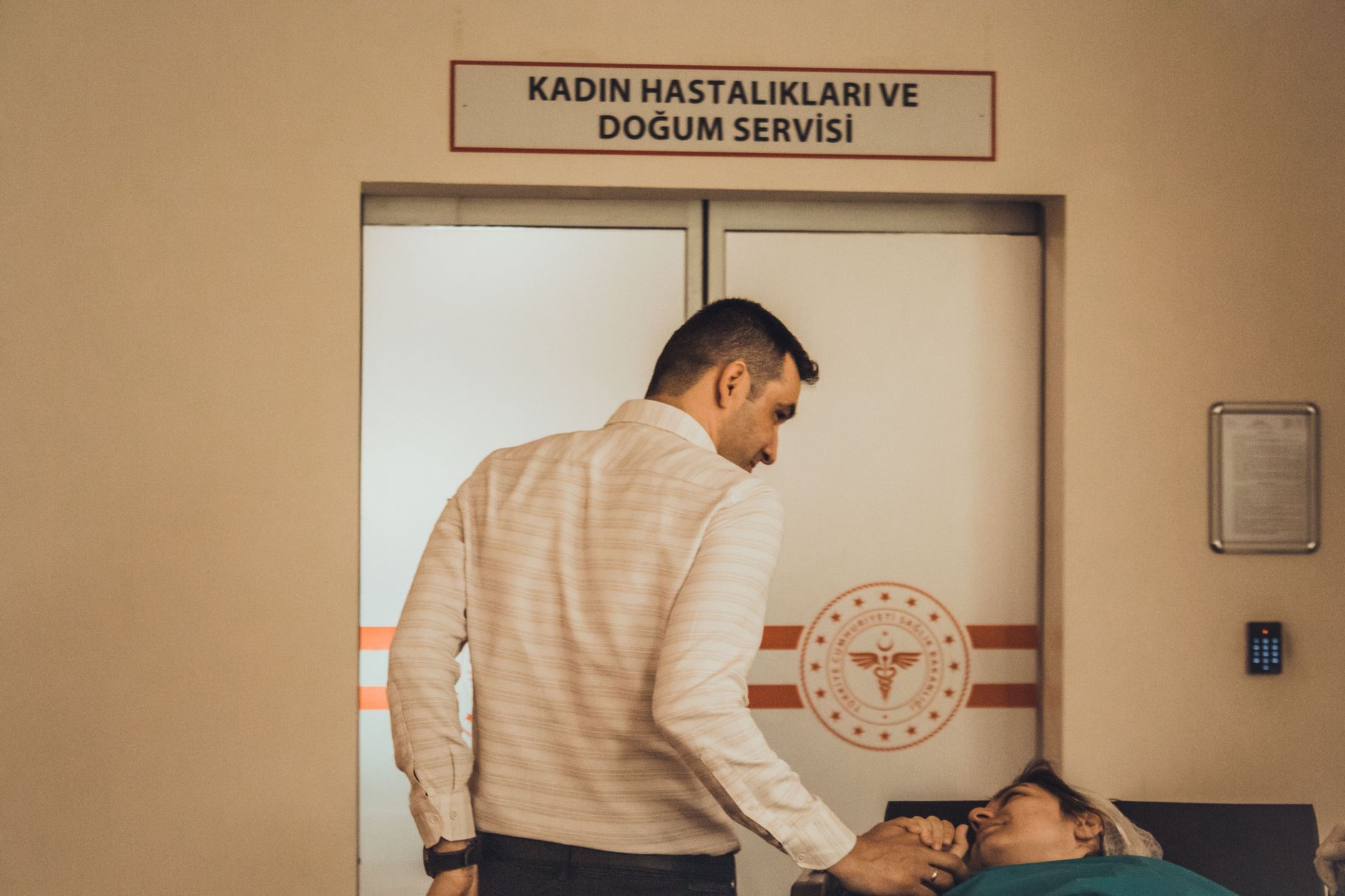
The ultimate goal is to start your treatment relaxed rather than rushed. Here are some practical tips to ensure a smooth journey:
- Book flights with ample layovers and avoid tight connections.
- Travel with a companion if possible — they can handle logistics while you rest.
- Pack light and keep all essential items in a small carry-on.
- Stay hydrated and eat lightly during travel.
- Wear comfortable clothing and compression socks on long flights.
- Keep a printed itinerary and contact numbers easily accessible.
- Use airport assistance services if you have mobility limitations or health concerns.
Remember that Turkish hospitality extends to its airports and clinics. Staff are generally accustomed to helping international visitors, and many speak English. If you feel overwhelmed, ask for help — you will usually find it.
Finally, give yourself a day to rest before your first appointment. Arriving a day early allows you to settle into your hotel, adjust to the time zone, and recover from the journey. Your clinic can often schedule your admission for the following day, ensuring you begin treatment feeling calm and ready.
Making the Journey Part of Your Healing
Travelling for medical care is a significant undertaking, especially when you live far from an international airport. But with careful planning, the journey can be a smooth and even positive experience. Türkiye's connectivity is a major advantage — it means you are never more than a couple of flights away from world-class care.
By choosing sensible routes, allowing generous layovers, and keeping your medical documents close, you can minimise stress and focus on what truly matters: your health. Turkish clinics are ready to welcome you, no matter how remote your starting point. They will coordinate your arrival, answer your questions, and ensure that your treatment begins on a relaxed and confident note.
So take a deep breath, plan your multi-leg journey with care, and trust that the path to healing is well-travelled. From small towns to Istanbul's gleaming hospitals, the connection is simpler than you might think.
Thinking about treatment in Turkey?
Share your contact details and a verified doctor will follow up with a plan built around you — free, no obligation.